How to Choose Fashion Jewelry: Expert Guide to Elevating Your Personal Style
Fashion jewelry has revolutionized the way we accessorize, democratizing luxury and allowing everyone to experiment with bold, trend-forward pieces without breaking the bank. Whether you’re drawn to statement necklaces, delicate layered chains, or chunky cocktail rings, understanding how to select the right fashion jewelry pieces can transform your entire wardrobe and boost your confidence. This expert guide will walk you through everything you need to know about choosing fashion jewelry that complements your style, skin tone, and lifestyle.
The beauty of fashion jewelry lies in its versatility and accessibility. Unlike fine jewelry, fashion pieces allow you to take risks, mix metals, and embrace seasonal trends without guilt. From bohemian vibes to minimalist chic, there’s a piece for every aesthetic and occasion. Let’s explore the essential strategies for building a curated jewelry collection that truly represents you.
Understanding Fashion Jewelry vs. Fine Jewelry
Before diving into selection strategies, it’s crucial to understand what distinguishes fashion jewelry from fine jewelry. Fashion jewelry, also known as costume jewelry, is crafted from affordable materials like brass, copper, zinc alloy, and plated metals, often embellished with crystals, glass, or synthetic stones. These pieces are designed to be trend-responsive and accessible, allowing fashion enthusiasts to experiment freely.
Fine jewelry, conversely, is made from precious metals like gold, silver, and platinum, often set with genuine gemstones. While fine jewelry is an investment meant to last generations, fashion jewelry serves a different purpose—it’s about expression, experimentation, and staying current with the latest style trends. Understanding this distinction helps you make informed purchasing decisions and set realistic expectations for longevity and care requirements.
Fashion jewelry empowers you to own pieces in every color, style, and design without the financial commitment of fine jewelry. This freedom is what makes it so appealing to style-conscious individuals who love to evolve their aesthetic regularly. The key is recognizing that both have their place in a well-rounded jewelry collection.
Matching Metals to Your Skin Tone
One of the most transformative aspects of choosing fashion jewelry is understanding which metal finishes complement your natural skin tone. This foundational knowledge can elevate your entire look and ensure that every piece you invest in feels authentic and flattering.
For Warm Undertones: If your skin has golden, peachy, or olive undertones, warm metals will be your best friends. Gold, rose gold, and copper tones create a harmonious blend with your complexion, enhancing your natural glow. These metals amplify the warmth already present in your skin, creating a cohesive and intentional appearance. Look for vintage-inspired pieces, ornate designs, and warm-toned gemstones like amber, topaz, and citrine.
For Cool Undertones: If your skin leans toward pink, red, or blue undertones, silver, white gold, and platinum-toned metals will be most flattering. These cool metals create beautiful contrast and complement the natural coolness of your complexion. Sterling silver and rhodium-plated pieces work exceptionally well, and you might consider pairing them with cool-toned stones like sapphires, amethysts, and clear crystals.
For Neutral Undertones: The lucky news is that neutral undertones can pull off both warm and cool metals beautifully. You have the freedom to experiment with mixed metals, which is increasingly popular in contemporary fashion jewelry design. Don’t hesitate to combine gold and silver in the same piece or outfit—this eclectic approach is very on-trend.
A simple test to determine your undertone: look at the veins on your wrist under natural light. Blue or purple veins suggest cool undertones, while green veins indicate warm undertones. This knowledge becomes your north star when selecting pieces that will feel effortless and authentic.
Selecting Jewelry for Your Face Shape
Just as hairstyles and frames are chosen based on face shape, jewelry selection can be optimized for your unique facial structure. This approach ensures that your accessories enhance rather than overwhelm your features.
Round Face Shapes: Angular and elongated jewelry pieces work beautifully with round faces. Long pendant necklaces, chandelier earrings, and geometric designs create the illusion of length and definition. Avoid circular or clustered designs that might emphasize roundness. Rectangular brooches and linear bracelets also complement round faces wonderfully.
Square Face Shapes: Soften angular features with curved, rounded jewelry designs. Hoop earrings, circular pendants, and ornate, detailed pieces add softness to strong jawlines. Avoid sharp, geometric designs that might echo your face shape too literally. Curved cuff bracelets and rounded locket necklaces are excellent choices.
Oval Face Shapes: The most versatile shape can wear virtually any jewelry style successfully. Take advantage of this flexibility to experiment with bold statement pieces, delicate designs, and everything in between. Your face shape is your canvas—use it to explore diverse jewelry aesthetics.
Heart-Shaped Faces: Balance a wider forehead and narrower chin with jewelry that draws attention to the lower face. Drop earrings, longer necklaces, and chandelier styles are ideal. Avoid top-heavy designs that might emphasize the forehead. Pendant necklaces that sit at the collarbone create beautiful balance.
Oblong Face Shapes: Add width and balance with wider earrings and choker-style necklaces. Avoid long, dangling pieces that might elongate your face further. Cluster designs, geometric shapes, and wider bracelets create the illusion of width and proportion.
Jewelry for Every Occasion
Strategic jewelry selection transforms your outfit from ordinary to extraordinary, whether you’re heading to the office or a special evening event. Different occasions call for different approaches to jewelry styling.
Professional and Office Settings: Keep jewelry minimal and refined. Delicate necklaces, small stud earrings, and classic bracelets maintain professionalism while adding polish. Consider timeless pieces that work across seasons. Avoid overly trendy or loud pieces that might distract from your professional presence. A simple gold or silver bracelet paired with matching earrings creates effortless sophistication.
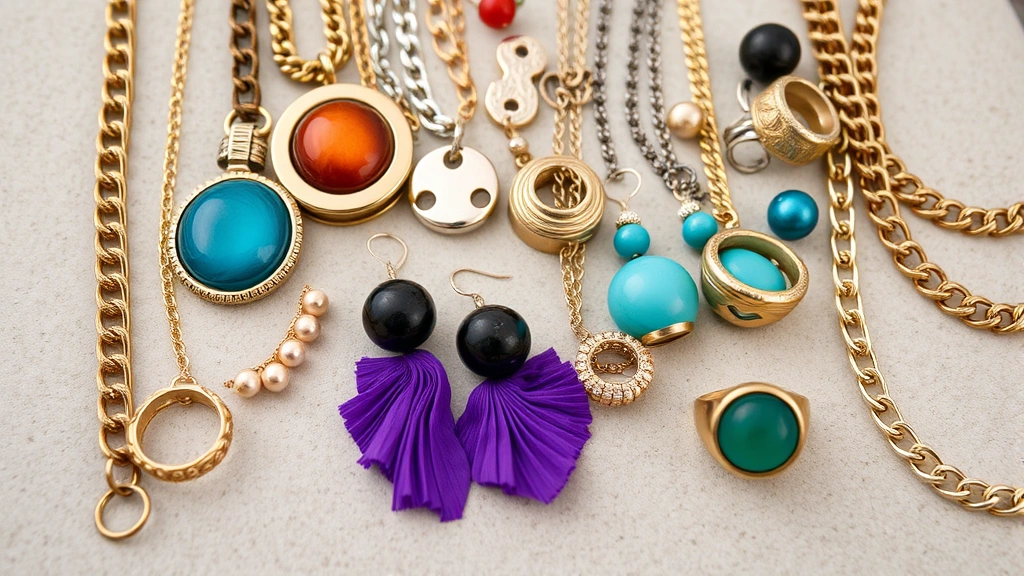
Casual and Everyday Wear: This is where fashion jewelry truly shines. Experiment with colorful pieces, mixed metals, and bold designs. Layered necklaces, statement rings, and fun chandelier earrings add personality to jeans and casual tops. This is your opportunity to express your unique style without restraint. Consider pieces that reflect current fashion trends and seasonal collections.
Date Night and Social Events: Elevate your look with statement pieces that catch light and create visual interest. Chandelier earrings paired with a simple necklace, or a bold cocktail ring with minimal other jewelry creates impact. Consider the neckline and style of your outfit—strapless dresses call for statement necklaces, while high necklines work beautifully with dramatic earrings. Metallic and crystal-embellished pieces photograph beautifully and feel celebratory.
Formal and Black-Tie Events: Opt for elegant, refined pieces that feel luxe. Long pendant necklaces, chandelier earrings, and delicate bracelets create sophistication. Avoid overly trendy or colorful pieces; instead, focus on classic designs in precious-looking finishes. The goal is to feel timeless and elegant, not trendy.
Quality and Durability Considerations
While fashion jewelry is affordable, choosing quality pieces ensures your investment lasts longer and maintains its beauty through regular wear. Understanding materials and construction helps you identify pieces worth purchasing.
Metal Quality: Look for brass, copper, and zinc alloy bases with quality plating. Gold plating should be at least 14k, and silver plating should be substantial. Quality plating resists tarnishing and wear better than thin coatings. Rhodium plating on silver provides extra durability and brightness. Check product descriptions carefully for plating information—this detail significantly impacts longevity.
Stone and Crystal Quality: Cubic zirconia offers sparkle similar to diamonds at a fraction of the cost. Swarovski crystals are industry-standard for fashion jewelry, offering superior clarity and brilliance. Avoid extremely cheap pieces with dull, cloudy stones—the difference in quality is immediately apparent. Well-cut stones catch and reflect light beautifully, creating the luxe effect you’re seeking.
Construction and Clasps: Examine clasps, closures, and connections carefully. Quality clasps should feel secure and smooth. Soldered connections are stronger than glued ones. Check that stones are securely set and won’t fall out with normal wear. Read reviews from other customers to understand real-world durability before purchasing.
Hypoallergenic Options: If you have sensitive skin, seek pieces labeled hypoallergenic or nickel-free. Many quality fashion jewelry brands offer these options. Surgical stainless steel, titanium, and nickel-free alloys prevent irritation and allergic reactions. This consideration is especially important for pieces worn close to your face or on sensitive areas.
Mastering the Art of Jewelry Layering
Jewelry layering is a sophisticated technique that creates visual depth and personal expression. When done thoughtfully, layering transforms simple outfits into curated, intentional looks.
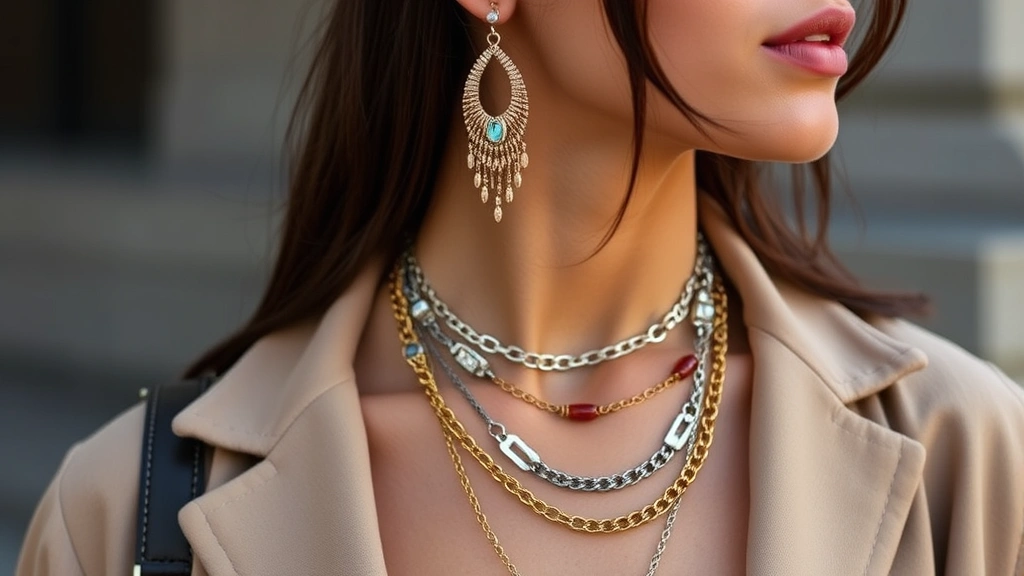
Necklace Layering: Combine necklaces of varying lengths to create visual interest. A delicate 16-inch choker paired with a 24-inch pendant and a 30-inch longer chain creates beautiful dimension. Vary the styles—mix delicate chains with chunky pieces or ornate designs with minimalist chains. The key is ensuring each necklace remains visible and distinct. Avoid layering too many heavy pieces; balance is essential.
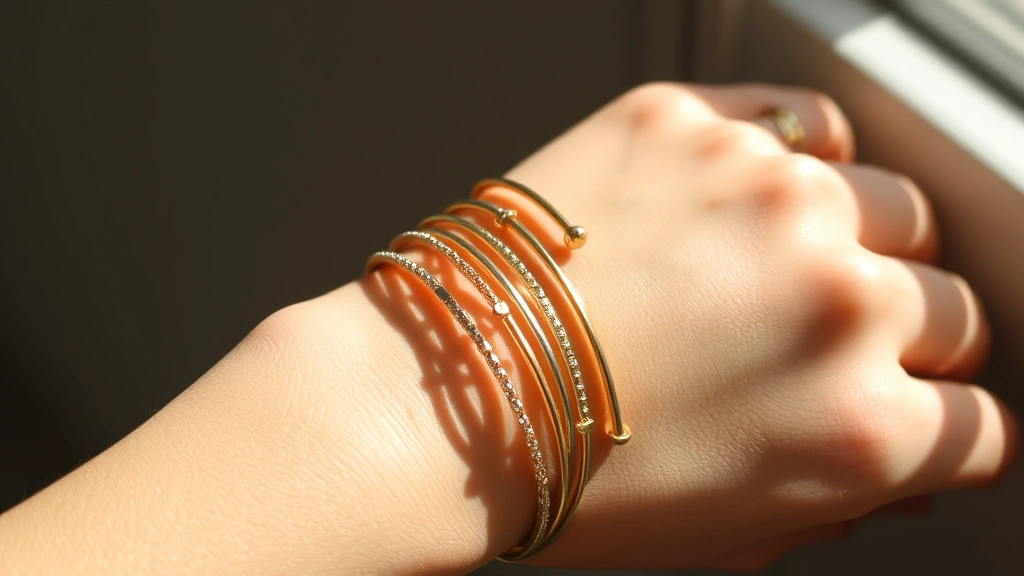
Bracelet Stacking: Combine multiple bracelets on one wrist, varying widths and styles. Stack delicate bracelets with a chunkier cuff, or combine metallic and beaded designs. Ensure pieces move comfortably together without tangling. This approach allows you to create custom looks that reflect your mood and style.
Ring Layering: Wear multiple rings across your fingers, creating a bohemian or editorial look. Mix thin bands with statement rings, or wear multiple rings on a single finger. Ensure rings are proportionate to your hand size—too many rings on small hands can look overwhelming. This trend-forward approach feels personal and intentional.
Mixing Metal Tones: Contemporary fashion embraces mixed metals beautifully. Combine gold, silver, rose gold, and copper in a single layered look. This eclectic approach feels modern and sophisticated. The key is ensuring your undertone choices still feel cohesive—avoid mixing warm and cool metals in ways that feel discordant.
Layering works best when you maintain visual balance. If you’re wearing a statement necklace, keep earrings minimal. If you’re layering multiple delicate necklaces, a simple pair of stud earrings completes the look perfectly.
Color Coordination and Outfit Harmony
Strategic color choices in fashion jewelry can tie your entire outfit together and create visual harmony that feels intentional and polished. Understanding color relationships helps you make choices that enhance rather than compete with your clothing.
Monochromatic Approach: Choose jewelry in the same color family as your outfit. A black outfit paired with black and silver jewelry creates sleek sophistication. A jewel-toned dress paired with matching jewel-toned jewelry creates cohesion. This approach feels intentional and elevated, creating a streamlined silhouette.
Complementary Colors: Select jewelry in colors that complement your outfit’s primary color. A warm coral dress pairs beautifully with gold and warm-toned jewelry. A cool blue outfit shines with silver and cool-toned pieces. This intentional coordination creates visual harmony and sophistication.
Accent Colors: Use jewelry to introduce accent colors that pull from your outfit’s secondary colors or create intentional contrast. A neutral outfit becomes dynamic with a pop of colorful jewelry. A bold patterned top pairs beautifully with jewelry that echoes one of the pattern’s colors.
Metallic Coordination: Match your jewelry metals to your outfit’s finish. Matte clothing pairs beautifully with shiny metallic jewelry for contrast. Shiny or sequined pieces work with matte metals or can echo the outfit’s shine. This subtle coordination creates polish and intentionality.
The goal is ensuring your jewelry enhances your outfit rather than competing for attention. When in doubt, choose pieces that feel like a natural extension of your personal style rather than pieces that feel disconnected from your aesthetic.
Building Your Collection on a Budget
Creating a diverse, versatile jewelry collection doesn’t require significant financial investment. Strategic purchasing and prioritization help you build a collection that works across multiple outfits and occasions.
Invest in Basics: Start with timeless basics that work across seasons and occasions. Delicate gold and silver chains, classic stud earrings, and simple bracelets form the foundation of any jewelry collection. These pieces are worn repeatedly and justify slightly higher investment for quality. Once you have solid basics, everything else builds from this foundation.
Add Seasonal Pieces: Include trendy pieces each season that feel current without being investment-level purchases. This approach keeps your collection fresh and on-trend while maintaining budget control. Check out nostalgic trends making comebacks for inspiration on timeless styles with contemporary twists.
Shop Smart: Wait for sales, subscribe to brand newsletters for exclusive discounts, and shop end-of-season clearances. Fashion jewelry brands frequently offer promotions, and timing your purchases strategically stretches your budget significantly. Online retailers often have better prices than brick-and-mortar stores.
Quality Over Quantity: Purchase fewer, higher-quality pieces rather than numerous cheap items. A single quality piece you wear repeatedly provides better value than multiple pieces that break or tarnish quickly. Read reviews, check materials, and invest in brands known for durability.
Versatile Statement Pieces: Choose statement pieces that work across multiple outfits rather than pieces designed for single occasions. A versatile statement necklace that works with both casual and dressy outfits provides more value than occasion-specific pieces. Look for neutral colors and classic designs in statement pieces.
Rental and Secondhand Options: For occasion-specific pieces, consider renting rather than purchasing. Secondhand jewelry platforms offer authentic pieces at reduced prices. These options allow you to access higher-quality pieces within budget constraints. Explore luxury fashion insights on jewelry trends and styling for inspiration on pieces worth seeking secondhand.
FAQ
What’s the difference between fashion jewelry and costume jewelry?
Fashion jewelry and costume jewelry are essentially the same thing—affordable accessories made from non-precious materials. Both terms describe jewelry designed to be trendy, accessible, and temporary rather than heirloom pieces. The terminology varies by region and retailer, but the products are functionally identical.
How do I prevent fashion jewelry from tarnishing?
Store pieces in a cool, dry place away from humidity. Use anti-tarnish bags or strips in your jewelry storage. Remove jewelry before swimming, showering, or exercising. Apply clear nail polish or jewelry sealant to the underside of rings to prevent skin discoloration. Clean pieces regularly with a soft cloth to maintain shine. These simple steps significantly extend your jewelry’s lifespan.
Can I wear fashion jewelry with formal outfits?
Absolutely. Quality fashion jewelry in elegant designs works beautifully with formal attire. Choose pieces in precious-looking finishes like gold or silver plating, and select designs that feel refined rather than trendy. Chandelier earrings, delicate necklaces, and sparkly pieces create formal elegance without fine jewelry investment.
How many jewelry pieces should I own?
There’s no magic number—it depends on your lifestyle, budget, and personal style. A practical collection includes basics (3-5 necklaces, 5-7 pairs of earrings, 2-3 bracelets, several rings) plus seasonal and statement pieces. Quality matters more than quantity; a curated collection of pieces you love serves you better than a large collection of pieces you rarely wear.
Should I match my jewelry metals?
Matching metals creates a cohesive, polished look, but mixing metals is increasingly fashionable and acceptable. If you’re uncertain, matching feels safer and more classic. Once you’re comfortable with your style, experiment with mixed metals for a more contemporary, eclectic look. The key is ensuring your metal choices complement your undertone.
How do I know if fashion jewelry is good quality?
Examine the weight, feel, and finish of pieces. Quality jewelry feels substantial and well-made. Check for secure clasps, well-set stones, and smooth edges. Read customer reviews discussing durability. Research the brand’s reputation and materials. Compare similar pieces at different price points—you’ll notice quality differences immediately. Trust your instincts; good quality feels apparent when you handle pieces.
Can I wear the same jewelry every day?
Yes, but rotating pieces extends their lifespan. Constant wear subjects jewelry to sweat, oils, and friction that accelerate tarnishing and wear. If you have favorite pieces, consider purchasing duplicates or rotating between similar styles. This approach maintains jewelry longevity while allowing you to wear your beloved pieces regularly.
What jewelry works best for contemporary fashion styles?
Modern fashion embraces diverse jewelry aesthetics—from minimalist to maximalist. Statement pieces, layered delicate jewelry, mixed metals, and bold colors all feel current. The key is choosing pieces that align with your personal style rather than forcing trends that don’t resonate. Fashion-forward jewelry reflects your individuality, not just current trends.