

Fashion Careers NYC: Insider Tips from Industry Pros
New York City remains the undisputed epicenter of the American fashion industry, a sprawling metropolis where creative ambition meets business acumen at every corner. From the glittering runways of Fashion Week to the bustling design studios of the Garment District, NYC offers unparalleled opportunities for fashion professionals at every career stage. Whether you’re dreaming of becoming a designer, stylist, merchandiser, or fashion journalist, the city that never sleeps provides the networking, mentorship, and exposure necessary to launch a thriving career in this competitive field.
The fashion industry in New York City generates billions in economic activity annually and employs tens of thousands of professionals across diverse roles. What makes NYC particularly special is the concentration of decision-makers, trendsetters, and industry veterans who call the city home. Landing a fashion career here isn’t just about securing a job—it’s about positioning yourself within a vibrant ecosystem where innovation thrives and connections matter profoundly. This comprehensive guide draws insights from established industry professionals who have navigated NYC’s fashion landscape successfully, offering practical advice for anyone serious about building their fashion career in the world’s fashion capital.
Understanding NYC’s Fashion Ecosystem
New York City’s fashion industry operates as a sophisticated network of interconnected businesses, institutions, and personalities. The city hosts the prestigious Vogue headquarters, major fashion houses, luxury retailers, production facilities, and countless independent designers and boutiques. Understanding this ecosystem is crucial for anyone seeking fashion careers in NYC, as success often depends on knowing where opportunity intersects with your skills and interests.
The city is divided into several fashion districts, each with distinct characteristics. The Garment District in Midtown Manhattan remains the traditional hub for manufacturing and design, while SoHo and NoLita house trendy boutiques and emerging designer studios. The Financial District has recently become a hotspot for fashion tech startups, while Brooklyn has emerged as a creative haven for independent designers and sustainable fashion entrepreneurs. Understanding these geographic clusters helps you identify where your desired roles are concentrated and where you should focus your networking efforts.
NYC’s fashion economy extends beyond clothing design and manufacturing. The city is home to major fashion publications, digital media companies, styling agencies, public relations firms, trend forecasting agencies, and fashion technology companies. This diversity means there are countless entry points into the industry, whether your passion lies in different types of fashion styles or the business side of the industry.
Top Fashion Career Paths in New York
Fashion careers in NYC span an impressive range of specializations. Understanding the major career paths available helps you identify which direction aligns with your strengths, interests, and long-term goals.
Fashion Design and Product Development
Fashion design remains the most glamorous and sought-after career path. In NYC, designers work for established luxury houses, contemporary brands, fast-fashion retailers, or launch independent labels. Product developers collaborate with designers to translate creative visions into commercially viable garments. These roles require strong technical skills, creativity, and understanding of manufacturing processes. Many NYC-based designers emphasize that success requires not just artistic talent but also business savvy and an understanding of market trends.
Styling and Creative Direction
Professional stylists in NYC command significant fees and work with celebrities, editorial publications, and high-net-worth individuals. Creative directors shape brand identity and oversee visual campaigns. These roles demand an impeccable eye for aesthetics, trend awareness, and the ability to tell compelling visual stories. Stylists often recommend starting with editorial work or assisting established stylists to build your portfolio and reputation.
Fashion Merchandising and Buying
Merchandisers and buyers determine which products retail stores stock, making critical decisions about inventory, pricing, and product assortment. These analytical roles require understanding consumer behavior, market trends, and financial metrics. NYC’s major retailers and department stores employ hundreds of merchandisers, making this a stable career path with strong earning potential.
Fashion Marketing and Brand Management
Marketing professionals in fashion develop campaigns, manage social media, oversee public relations, and build brand awareness. With NYC being home to major advertising agencies and fashion brands, marketing roles are abundant. Digital marketing skills are increasingly valuable, as brands invest heavily in influencer partnerships and social media strategy.
Fashion Journalism and Content Creation
Fashion writers, editors, and content creators work for publications, brands, and digital media companies. This career path appeals to those passionate about storytelling and trend analysis. The rise of digital media has created new opportunities for fashion bloggers, podcast hosts, and video creators.
Fashion Technology and Innovation
The intersection of fashion and technology has created exciting new career opportunities. Fashion tech companies in NYC focus on areas like virtual try-on technology, sustainable manufacturing, supply chain optimization, and AI-powered personalization. These roles appeal to those with technical backgrounds who want to impact the fashion industry.
Building Your Professional Network
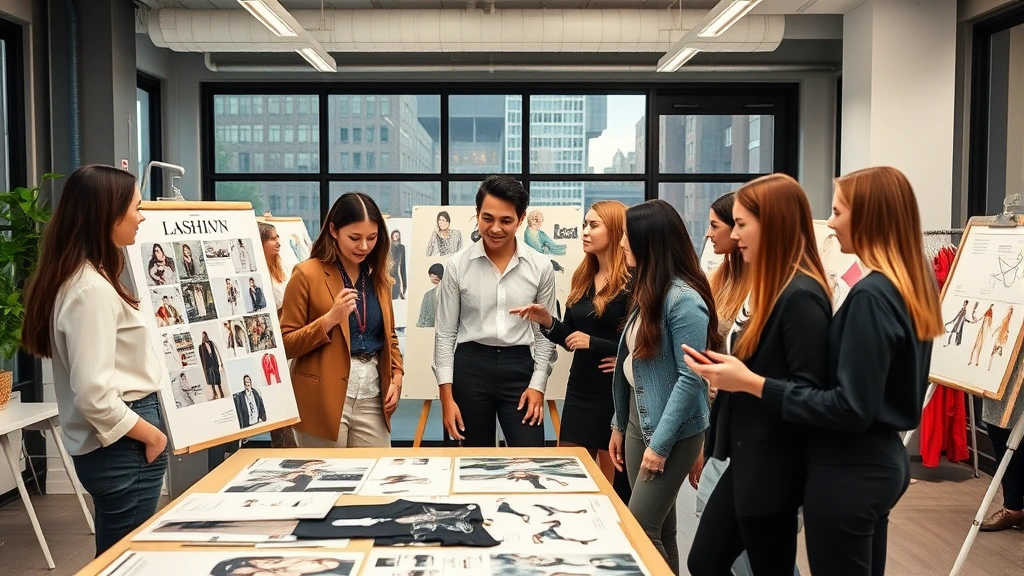
Industry professionals consistently emphasize that networking is perhaps the single most important factor in launching a successful fashion career in NYC. The saying “it’s not what you know, it’s who you know” rings particularly true in this industry.
Attend Fashion Events and Shows
New York Fashion Week remains the premier networking event, but it’s notoriously difficult to access without connections. However, numerous other events provide networking opportunities: industry panel discussions, fashion talks at design schools, retail opening events, and charity galas. Many of these events are open to the public or offer discounted tickets for students and early-career professionals. Attending these events positions you in the same room as decision-makers and allows you to make meaningful connections.
Join Professional Organizations
Organizations like the Council of Fashion Designers of America (CFDA), Fashion Group International, and the American Apparel and Footwear Association offer membership, events, and mentorship programs. These groups provide credibility, access to industry leaders, and valuable learning opportunities. Many offer reduced rates for students and early-career professionals.
Leverage Social Media Strategically
Instagram and LinkedIn have become essential networking tools in fashion. Building a thoughtful, aesthetically cohesive Instagram presence showcasing your work, style perspective, or industry insights can attract industry attention. LinkedIn helps you connect with professionals, follow companies, and stay updated on industry news. Engage authentically with industry content rather than simply promoting yourself.
Seek Mentorship
Finding mentors who have successfully navigated fashion careers in New York is invaluable. Mentors provide guidance, introduce you to their networks, and help you avoid common pitfalls. Don’t hesitate to reach out to professionals you admire with thoughtful, specific requests for advice. Many industry veterans are willing to mentor promising young talent, particularly if you demonstrate genuine passion and work ethic.
Volunteer and Intern Strategically
Internships and volunteer positions provide not just experience but also direct access to industry professionals. Working on Fashion Week productions, at fashion publications, or for designers gives you credibility and connections that are difficult to obtain otherwise. Even unpaid internships can be worthwhile investments in your career development if they’re with prestigious organizations or offer significant learning opportunities.
Education and Skill Development
While some fashion professionals have succeeded without formal fashion education, strategic education significantly accelerates career development. NYC is home to world-renowned fashion schools and programs.
Fashion Design and Merchandising Programs
The Fashion Institute of Technology (FIT), Parsons School of Design, and the International Academy of Design and Technology offer comprehensive programs in fashion design, merchandising, and related fields. These schools provide technical training, industry connections, and credibility that employers value. Graduates often benefit from school-sponsored networking events and alumni networks that provide ongoing career support.
Developing Technical Skills
Depending on your career path, various technical skills are essential. Designers benefit from proficiency with fashion design software like CLO 3D, Illustrator, and Photoshop. Merchandisers need Excel and data analysis skills. Marketing professionals require social media management and analytics expertise. Identifying the technical skills relevant to your target role and developing proficiency gives you a competitive advantage.
Building a Strong Portfolio
A compelling portfolio is essential for design, styling, and creative roles. Your portfolio should showcase your best work, demonstrate your unique perspective, and tell a coherent story about your aesthetic and capabilities. Industry professionals recommend continuously updating your portfolio as you complete new projects. Digital portfolios on platforms like Adobe Portfolio or custom websites are more accessible than traditional printed books.
Continuous Learning and Trend Awareness
Fashion is an industry where staying current is non-negotiable. Reading industry publications, following trend forecasters, attending lectures, and engaging with fashion content helps you stay ahead of trends. Understanding fashion capital of the world dynamics and broader fashion history provides valuable context for your work.
Landing Your First Fashion Job
Breaking into the fashion industry in NYC requires strategy, persistence, and often a willingness to start in entry-level positions.
Identifying Target Companies and Roles
Rather than applying to every fashion job listing, research companies whose aesthetics and values align with yours. Create a targeted list of dream companies and roles, then research decision-makers and find ways to connect with them directly. Personalized applications to specific roles at companies you genuinely admire are far more effective than generic applications to numerous positions.
Crafting Your Application Materials
Your resume, cover letter, and portfolio should tell a cohesive story about your fashion passion and relevant experience. For creative roles, your visual presentation matters enormously. Your resume should highlight relevant coursework, internships, freelance projects, and any published work. Your cover letter should demonstrate knowledge of the company and specific role, explaining why you’re genuinely interested.
Leveraging Your Network
Referrals from existing employees significantly increase your chances of landing interviews. If you’ve built genuine relationships through networking, informational interviews, and volunteering, don’t hesitate to ask if they know of opportunities or can introduce you to relevant people. Many companies have internal referral programs that reward employees for successful referrals.
Preparing for Fashion Industry Interviews
Fashion interviews often assess both your qualifications and your personal style and aesthetic perspective. Research the company thoroughly, understand their brand identity, and be prepared to discuss how you align with their values. Bring examples of inspiration, ideas, or relevant work. Dress impeccably in a way that reflects your personal style while respecting the company’s aesthetic. Ask thoughtful questions that demonstrate your understanding of the industry and genuine interest in the role.
Being Strategic About Entry-Level Positions
Many successful fashion professionals started in administrative or assistant roles that seemed unrelated to their ultimate goals. These positions provide valuable experience, industry exposure, and connections that facilitate career advancement. Be strategic about choosing entry-level positions that offer learning opportunities and connections in your area of interest, even if the role itself isn’t your dream job.

Navigating Career Growth and Advancement
Once you’ve landed your first fashion job in NYC, strategic career management helps you advance toward your goals.
Seeking Mentorship and Learning Opportunities
Continue seeking mentors throughout your career. Experienced professionals can provide guidance on navigating industry politics, developing skills, and making strategic career moves. Many companies offer formal mentorship programs, but informal mentorship relationships are equally valuable.
Building Your Personal Brand
In fashion, your personal brand matters significantly. This includes your professional reputation, your social media presence, and your visible style. Develop a consistent aesthetic and perspective that distinguishes you. Share insights, engage in industry conversations, and build visibility as someone with valuable perspective and expertise.
Taking on Stretch Assignments
Career advancement often requires taking on responsibilities slightly beyond your current level. Volunteer for high-visibility projects, lead cross-functional initiatives, and seek opportunities to demonstrate capabilities beyond your job description. This visibility and demonstrated capability often leads to promotions and better opportunities.
Making Strategic Job Moves
Career progression in fashion sometimes requires moving between companies. Each move should advance you toward your long-term goals, whether by developing new skills, expanding your network, increasing your compensation, or moving closer to your dream role. Consider not just the immediate opportunity but how each position positions you for future opportunities.
Developing Business Acumen
As you advance, understanding the business side of fashion becomes increasingly important. Even creative professionals benefit from understanding financial metrics, supply chain logistics, consumer psychology, and market dynamics. This business knowledge makes you more valuable and better positioned for leadership roles.
Industry Insider Secrets
Established fashion professionals share valuable insights that can accelerate your success in NYC’s competitive fashion industry.
Authenticity Matters More Than You Think
While fashion celebrates aesthetics and presentation, industry professionals emphasize that authentic passion is more important than perfecting your image. People want to work with colleagues they genuinely like and respect. Bring your authentic self to professional interactions while maintaining professionalism. Your genuine passion for fashion will be evident and attractive to potential mentors, employers, and collaborators.
Persistence and Resilience Are Essential
Breaking into fashion and advancing your career requires resilience. You will face rejection, criticism, and setbacks. Industry professionals emphasize that persistence—continuing to apply, network, and improve despite rejection—is perhaps the most important characteristic for success. The professionals who succeed aren’t necessarily the most talented; they’re often the most persistent.
Understand the Financial Reality
Fashion careers, particularly entry-level positions, often pay less than comparable roles in other industries. Many professionals recommend having financial runway or supplementary income sources while building your career. Understanding salary expectations for different roles and locations helps you make informed career decisions. As you advance, compensation typically increases significantly, but the early years often require financial sacrifice.
NYC Isn’t the Only Path
While NYC is undeniably the fashion capital, some professionals build thriving careers in other cities or through remote work. However, most fashion professionals agree that spending time in NYC—whether early in your career or periodically throughout it—provides invaluable exposure and networking opportunities. Consider NYC as an investment in your fashion career, even if you don’t plan to stay long-term.
Develop Complementary Skills
Fashion careers are increasingly multidisciplinary. Designers benefit from understanding business and marketing. Merchandisers benefit from design knowledge. Marketing professionals benefit from understanding product development. Developing skills beyond your primary focus makes you more valuable and adaptable as the industry evolves. Additionally, understanding how to find your personal style helps you develop authentic perspective that differentiates you professionally.
Follow Industry Trends and Publications
Stay informed through publications like Business of Fashion, The Fashion Law, and industry-specific resources. Following trend forecasters, industry analysts, and thought leaders helps you understand where the industry is heading. This knowledge helps you position yourself for emerging opportunities and demonstrates industry awareness in professional conversations.
Embrace Diversity and Inclusion
The fashion industry is increasingly recognizing the importance of diversity and inclusion. Companies are actively seeking talent from underrepresented backgrounds and perspectives. If you bring diverse perspective or experience, don’t minimize it—it’s increasingly valued. The industry benefits from diverse viewpoints, and companies are investing in creating more inclusive workplaces.
Consider Your Long-Term Vision
While navigating fashion careers in NYC, keep your long-term vision in mind. Are you building toward launching your own brand? Becoming a creative director? Building a media company? Understanding your ultimate goals helps you make strategic decisions about which opportunities to pursue and which skills to develop. Your vision may evolve, but having direction helps you make purposeful career moves rather than simply reacting to available opportunities.
FAQ
What is the average salary for fashion careers in NYC?
Entry-level fashion positions in NYC typically pay between $30,000 and $40,000 annually, though some roles pay less. Mid-level positions range from $50,000 to $80,000, while senior roles and specialized positions command significantly higher salaries. Freelance and consulting roles have highly variable compensation depending on experience and specialization. NYC salaries are generally higher than other cities but must be considered against the high cost of living.
Do I need a fashion degree to work in fashion in NYC?
While many successful fashion professionals have formal fashion education, it’s not absolutely required. Some professionals enter fashion through related fields like graphic design, business, or journalism. However, formal fashion education provides technical training, industry connections, and credibility that significantly accelerate career development. Many employers prefer candidates with fashion education, particularly for design and merchandising roles.
How long does it typically take to break into the fashion industry?
Breaking into the fashion industry typically takes 6 months to 2 years of active effort, including education, internships, networking, and job searching. However, this timeline varies significantly based on your background, skills, persistence, and specific career path. Some professionals land positions quickly through strong connections or exceptional talent, while others require longer to develop necessary experience and connections.
What are the best neighborhoods for fashion professionals to live in NYC?
Fashion professionals often live in neighborhoods close to fashion industry hubs. Manhattan neighborhoods like the East Village, Nolita, and the Upper West Side are popular among established professionals. Brooklyn neighborhoods like Williamsburg, Park Slope, and DUMBO are increasingly popular with younger professionals and independent designers. Consider proximity to your workplace, neighborhood aesthetics, cost of living, and community when choosing where to live.
How important is social media presence for fashion careers?
Social media presence is increasingly important for fashion careers, particularly for roles in styling, content creation, and brand building. A thoughtful, aesthetically cohesive Instagram presence can attract industry attention and demonstrate your perspective and taste level. However, quality matters more than follower count. A smaller following of engaged, relevant followers is more valuable than a large following of random followers. Authenticity and consistent quality matter more than aggressive self-promotion.
What skills are most important for fashion careers in NYC?
Critical skills vary by role but generally include: creativity and aesthetic sensibility, technical skills specific to your role, communication skills, adaptability, attention to detail, understanding of business fundamentals, and networking ability. Soft skills like resilience, collaboration, and professionalism are equally important as technical skills. Continuously developing skills keeps you competitive as the industry evolves.
Are there fashion careers beyond design?
Absolutely. Fashion careers span numerous specializations including merchandising, buying, marketing, brand management, styling, fashion journalism, fashion technology, public relations, supply chain management, retail management, and many others. Understanding the full range of career options helps you identify roles that align with your skills and interests, even if design isn’t your passion.
How can I gain experience if I can’t afford unpaid internships?
If unpaid internships aren’t financially feasible, consider: seeking paid internships or entry-level positions, freelancing or taking on project-based work, volunteering for specific events rather than full-time positions, pursuing online education and building a portfolio, and networking strategically to find mentors who can provide guidance. Many professionals build careers without traditional internships by being creative about gaining experience and making strategic connections.