What’s Your Fashion Style? Expert Guide to Finding Your Personal Aesthetic
Fashion is far more than just clothing—it’s a powerful form of self-expression that tells the world who you are before you even speak. Whether you’re scrolling through Instagram, browsing boutiques, or standing in front of your closet in the morning, understanding your personal fashion style is essential to building a wardrobe that feels authentically you. With countless aesthetics, trends, and inspirations vying for your attention, finding your signature look can feel overwhelming. This comprehensive guide will help you navigate the diverse landscape of different types of fashion styles, discover what resonates with your personality, and develop a cohesive personal style that makes you feel confident and beautiful every single day.
The journey to discovering your fashion identity isn’t about following every trend or copying celebrity looks—it’s about understanding the fundamental fashion types that exist, evaluating which ones align with your lifestyle and values, and then mixing and matching elements to create something uniquely yours. Throughout this guide, we’ll explore the most influential types of fashion styles, provide expert insights on how to identify your aesthetic, and offer practical tips for curating a wardrobe that genuinely reflects who you are.
Classic and Timeless Style: The Foundation of Elegance
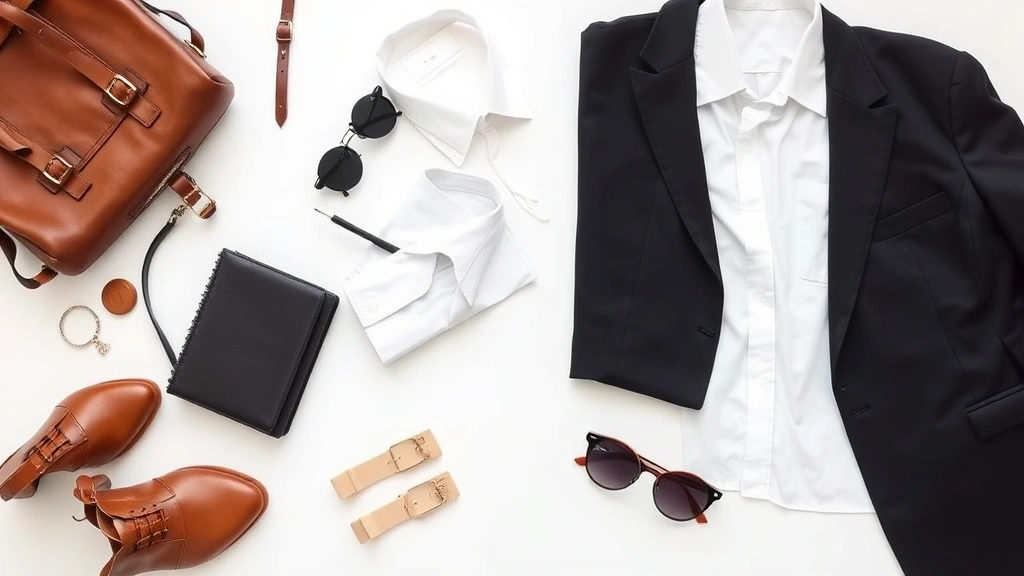
Classic fashion represents the pinnacle of timeless elegance—a style approach that transcends fleeting trends and seasonal changes. This aesthetic is rooted in quality fabrics, impeccable tailoring, and neutral color palettes that create an air of sophistication and refinement. Think tailored blazers, crisp white shirts, well-fitting jeans, and structured handbags that age beautifully over time. Classic dressers understand that true style isn’t about having a closet overflowing with clothes; it’s about investing in pieces that work harmoniously together and never go out of fashion.
The beauty of classic style lies in its versatility and longevity. A woman wearing a perfectly tailored black blazer and white button-down shirt looks just as elegant today as she did thirty years ago. This style philosophy emphasizes quality over quantity, encouraging you to invest in fashion and accessories that are well-made and timeless rather than trendy and disposable. Classic fashion typically includes neutral colors like black, white, navy, beige, and grey, with occasional pops of color through accessories. The silhouettes are clean and structured, avoiding excessive embellishment or dramatic details. For those who appreciate this style, building a capsule wardrobe becomes a joyful exercise in creating endless outfit combinations from a carefully curated selection of essential pieces.
Bohemian and Free-Spirited Fashion: Embrace Your Inner Wanderer
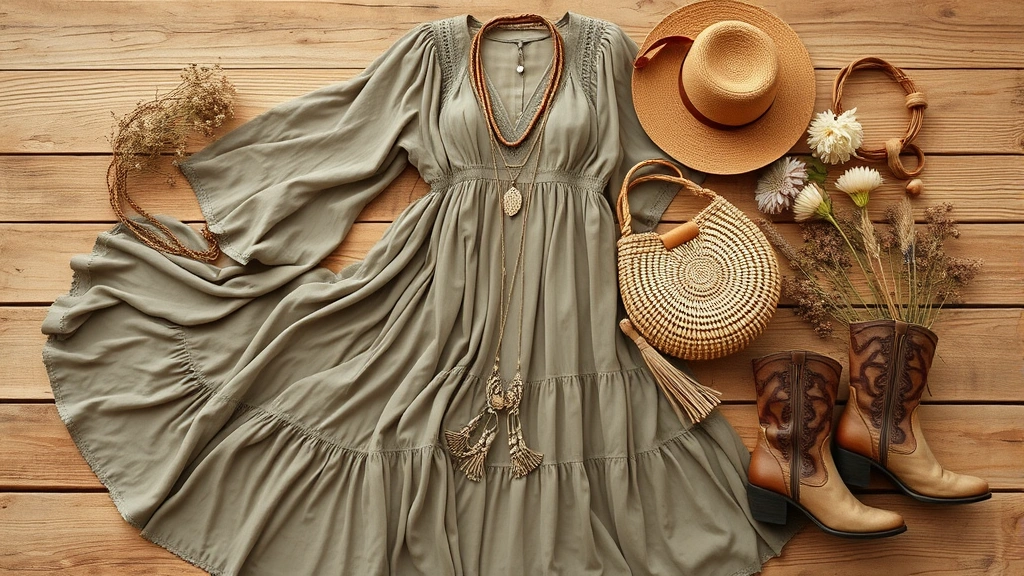
Bohemian style celebrates individuality, artistic expression, and a carefree approach to fashion. This aesthetic draws inspiration from the 1960s and 1970s counterculture, combining eclectic patterns, flowing fabrics, and vintage-inspired pieces into a distinctly romantic and unconventional look. Boho fashion enthusiasts embrace maxi dresses, fringe, layered jewelry, earthy tones, and ethnic prints as expressions of their creative spirits and love of nature.
What makes bohemian style so appealing is its rejection of rigid fashion rules. Boho dressers mix patterns fearlessly, layer textures unconventionally, and accessorize with an artist’s eye for balance and harmony. Linen, cotton, and suede are beloved fabrics, while colors range from earthy neutrals to rich jewel tones and vibrant patterns inspired by various cultures. The bohemian aesthetic encourages self-expression without judgment, making it perfect for those who view fashion as a form of creative art. Whether you’re drawn to vintage concert tees, hand-dyed fabrics, or handcrafted jewelry, boho style celebrates authenticity and individuality above all else.
Minimalist and Modern Aesthetics: Less is Decidedly More
Minimalism in fashion represents a deliberate, intentional approach to getting dressed. This style philosophy strips away excess, focusing instead on clean lines, neutral palettes, and functional pieces that serve multiple purposes. Minimalist fashion is for those who believe that simplicity is the ultimate sophistication—who find freedom in having fewer, better choices and who appreciate the psychological benefits of an uncluttered wardrobe.
The minimalist aesthetic typically features a limited color palette (often black, white, grey, and one accent color), simple silhouettes, and high-quality basics that can be mixed and matched effortlessly. This approach to fashion reduces decision fatigue, saves money by avoiding impulse purchases, and creates a sense of calm and order in your daily life. Minimalist dressers often develop a uniform of sorts—a signature look that feels authentically them. This might mean wearing only black and white, preferring oversized silhouettes, or sticking to a specific style of shoe. The minimalist movement has gained tremendous momentum as people recognize the mental health benefits of owning less and choosing quality over quantity.
Edgy and Alternative Styles: Bold Expression Through Fashion
Edgy fashion is for the bold, the daring, and those unafraid to challenge conventional beauty standards. This aesthetic encompasses various subcultures including grunge, punk, goth, and contemporary edgy streetwear. Edgy dressers use fashion as a tool for rebellion, self-assertion, and artistic expression, often incorporating leather jackets, statement boots, dark colors, bold makeup, and unconventional silhouettes. The edgy aesthetic celebrates individuality and often rejects mainstream fashion in favor of distinctive, sometimes provocative personal expression.
What unites different edgy styles is their emphasis on attitude and confidence. Whether you’re drawn to punk rock aesthetics, modern goth influences, or grunge-inspired looks, edgy fashion is about wearing what makes you feel powerful and authentic. This might include distressed fabrics, metallic accents, bold graphics, oversized silhouettes, or unexpected color combinations. Edgy fashion enthusiasts often thrift and customize their clothing, creating one-of-a-kind pieces that reflect their unique vision. The edgy aesthetic has significantly influenced mainstream fashion, with high-end designers regularly incorporating edgy elements into their collections, validating this bold approach to personal style.
” alt=”Fashion style diversity” />
Romantic and Feminine Elegance: Celebrate Your Soft Side
Romantic fashion celebrates femininity, delicacy, and the beauty of traditional feminine aesthetics. This style emphasizes soft fabrics like silk, lace, and chiffon; gentle colors including pastels, blush tones, and soft florals; and details like ruffles, bows, lace trim, and embroidery. Romantic dressers often gravitate toward dresses, skirts, and flowing silhouettes that create an ethereal, graceful appearance. This aesthetic draws inspiration from vintage fashion, particularly the elegance of past decades, and celebrates the power of embracing traditionally feminine elements as a form of strength and beauty.
The romantic style is deeply personal and can range from subtle touches of femininity in an otherwise classic wardrobe to a full embrace of vintage-inspired, decidedly romantic aesthetics. Some romantic dressers prefer a modern interpretation of femininity—pairing delicate pieces with contemporary silhouettes—while others lean into full vintage-inspired looks. The key to romantic style is choosing pieces that make you feel beautiful, confident, and authentically yourself. Fashion accessory choices in this category often include delicate jewelry, vintage bags, and feminine shoes like ballet flats or vintage heels. The romantic aesthetic celebrates the idea that femininity is a choice, a strength, and a beautiful form of self-expression.
Streetwear and Urban Fashion: Style from the Streets
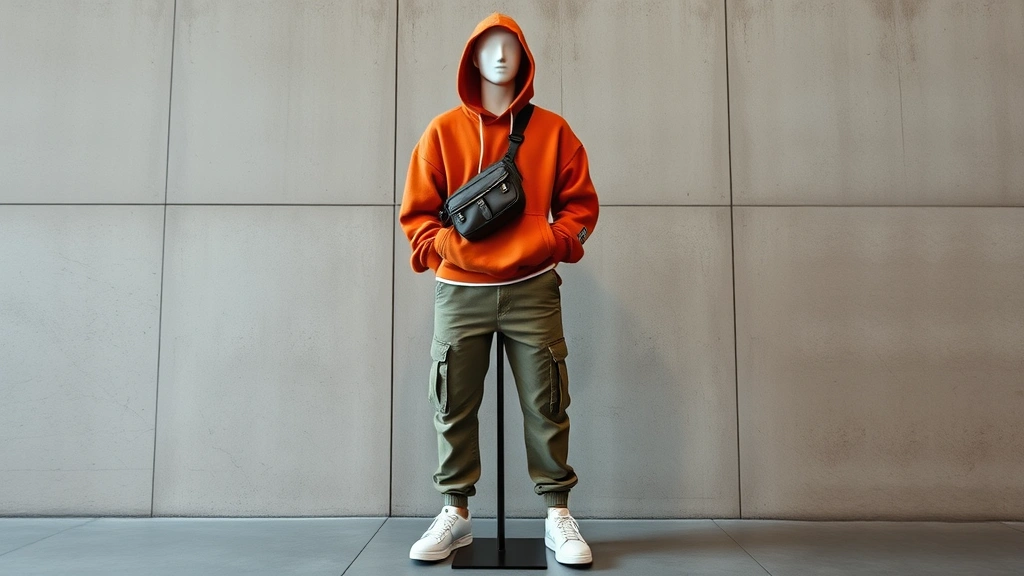
Streetwear represents a modern, youth-driven aesthetic that originated in urban environments and has become a dominant force in contemporary fashion. This style combines comfort with cool, featuring hoodies, sneakers, cargo pants, graphic tees, and statement pieces that reflect hip-hop culture, skate culture, and contemporary urban life. Streetwear is inherently casual yet intentional, focusing on comfort without sacrificing style or attitude.
The streetwear movement has democratized fashion, proving that high-end style doesn’t require expensive designer pieces or traditional fashion training. Instead, streetwear celebrates the ability to create compelling looks from accessible pieces, mixing vintage finds with contemporary pieces, and using fashion to express your personality and cultural identity. Streetwear often incorporates oversized silhouettes, bold graphics, unexpected color combinations, and functional elements like multiple pockets and technical fabrics. This aesthetic values authenticity and has become the dominant style choice for younger generations, influencing everything from luxury fashion houses to mainstream retailers. The beauty of streetwear is its inclusivity and its celebration of individual interpretation—there’s no single way to do streetwear; it’s about wearing what feels authentic to you.
Discovering Your Personal Fashion Style: A Practical Approach
Identifying your personal style requires honest self-reflection and a willingness to explore what genuinely resonates with you. Start by examining your lifestyle: Are you working in a corporate environment, creative field, or casual setting? Do you spend more time at home, in professional meetings, or socializing? Your daily activities significantly influence which styles are practical and appropriate for your life. A person working in finance might gravitate toward classic style, while a creative professional might embrace eclectic boho or edgy aesthetics.
Next, consider your personality and values. Are you adventurous or prefer consistency? Do you value comfort above all else, or are you willing to sacrifice comfort for aesthetics? Are you drawn to environmental sustainability, which might influence your shopping habits and style choices? Your answers to these questions will naturally guide you toward certain styles and away from others. Additionally, examine the compliments you receive most often. When people comment on your appearance, what specifically do they mention? This external feedback often reveals something about your natural style that resonates with others.
Create a mood board using Pinterest, Instagram, or magazine clippings. Save images of outfits that appeal to you, then analyze the common threads. You might notice that despite thinking you love multiple styles, certain colors, silhouettes, or aesthetics appear repeatedly. This pattern recognition is invaluable in identifying your true style preferences. Pay attention to which pieces in your current wardrobe you actually wear, which you reach for repeatedly, and which sit untouched. Your favorite, most-worn pieces are clues to your authentic style—not what you think you should like, but what you genuinely love.
Consider seeking inspiration from style icons or influencers whose aesthetic resonates with you, but remember that your goal is not to copy them but to understand what elements of their style appeal to you. Perhaps it’s their color palette, their approach to silhouettes, their accessorizing philosophy, or their overall attitude. Understanding what draws you to certain styles helps you extract those elements and incorporate them into your unique personal aesthetic.
Building Your Style Foundation: Creating a Cohesive Wardrobe
Once you’ve identified your personal style, the next step is intentionally building a wardrobe that reflects and supports that aesthetic. This doesn’t require a complete wardrobe overhaul or significant financial investment. Instead, it means making thoughtful choices about future purchases and potentially curating or altering existing pieces to align with your style vision.
Start by identifying your core colors—typically 2-4 colors that form the foundation of your wardrobe. These should be colors you love, that complement your skin tone, and that appear repeatedly in the styles you admire. These core colors make mixing and matching easier and create visual cohesion across your wardrobe. Next, invest in quality basics that align with your style. For classic dressers, this means well-fitting jeans, white shirts, and neutral blazers. For boho enthusiasts, it might mean linen pants, flowing tunics, and natural-fiber basics. For minimalists, it could be simple tees, neutral sweaters, and versatile bottoms.
Then, add pieces that express your personal style—these are the items that make your outfits feel distinctly you. For some, this means statement jewelry and accessories; for others, it means bold prints or unique silhouettes. These pieces should work with your basics and align with your identified style. The key is ensuring that new purchases can be integrated into your existing wardrobe and that you’re not creating isolated pieces that don’t coordinate with anything else.
Don’t underestimate the power of accessories in defining your style. Whether you’re drawn to bold statement necklaces, delicate jewelry, vintage bags, or designer shoes, accessories allow you to express your personality while maintaining a cohesive wardrobe foundation. Accessories are also more affordable than clothing basics, making them an excellent way to experiment with style and refresh your look without major financial investment.
Remember that building a personal style is an ongoing journey, not a destination. Your style may evolve as your life circumstances change, as you age, and as you discover new inspirations. The goal is not to be confined by your style choice but to use it as a framework that helps you make intentional decisions about your appearance and feel confident in your fashion choices.
” alt=”Personal style expression” />
FAQ: Your Fashion Style Questions Answered
Can I blend multiple fashion styles together?
Absolutely! Many people find that their personal style is a blend of multiple aesthetics. You might be primarily minimalist but incorporate romantic elements through accessories, or be mostly boho while embracing edgy pieces. The key is ensuring that pieces work cohesively together. Look for common threads between the styles you’re drawn to—perhaps they share a color palette or attitude—and use those connections to create a blended aesthetic that feels authentically you.
What if my style doesn’t match mainstream fashion trends?
Your personal style doesn’t need to align with current trends, and in fact, developing a strong personal style often means making choices independent of trend cycles. Trends come and go, but personal style is enduring. If you love a particular aesthetic, embrace it confidently. The most stylish people are often those who wear their style with conviction, regardless of what’s currently trending. That said, you can appreciate trends while maintaining your core style by selectively incorporating trend elements that align with your aesthetic.
How do I find my style if I’ve always followed trends?
Start by pausing trend-following and examining what you genuinely love. Look at photos of yourself from different time periods and notice which outfits made you feel most confident and comfortable. Create that mood board mentioned earlier and identify patterns. Spend time trying on clothes without purchasing, paying attention to which pieces make you feel like yourself. Consider consulting with a personal stylist who can provide professional guidance based on your lifestyle, body type, and personality. Remember that finding your style is a process—be patient and kind to yourself as you discover what genuinely resonates with you.
Is it expensive to develop a personal style?
Developing a personal style doesn’t require significant financial investment. In fact, understanding your style often saves money by helping you avoid impulse purchases that don’t align with your aesthetic. Focus on quality basics in your core colors, thrift or shop secondhand for unique pieces, and invest in accessories that refresh your look affordably. Many of the most stylish people are resourceful, mixing high and low-end pieces, customizing thrifted items, and making intentional choices about purchases. Personal style is about intention, not expense.
Can my fashion style change as I age?
Your style may absolutely evolve as you age, and that’s healthy and normal. Your lifestyle, priorities, body, and self-understanding change throughout your life, and your style can reflect those changes. Some people find that their core style remains consistent while they update how they express it—perhaps dressing more conservatively as their career demands, or incorporating more comfort as physical needs change. The important thing is that your style always reflects who you are now, not who you were or who you think you should be.