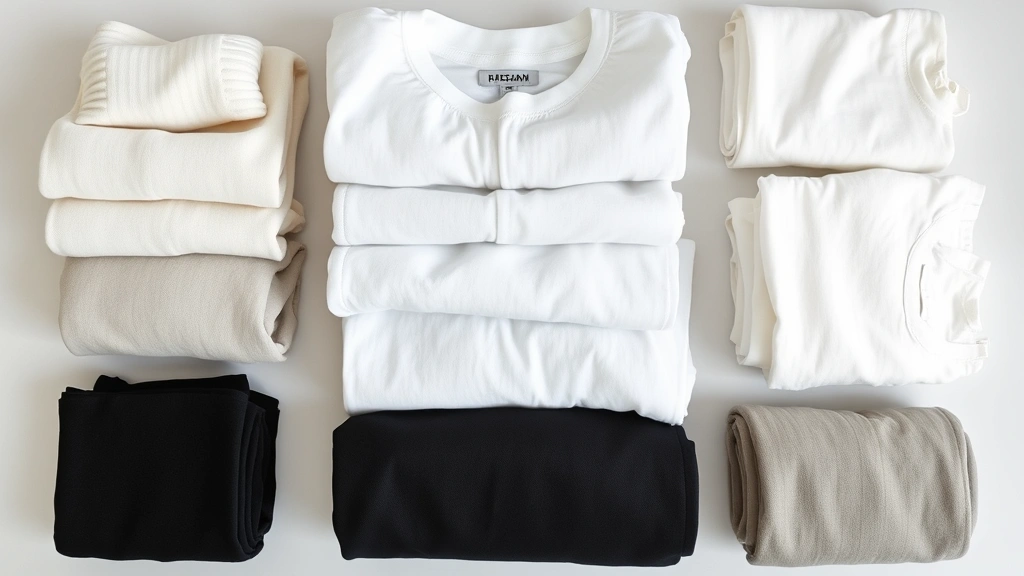
Is Minimalist Fashion for You? Expert Insights on Building Your Capsule Wardrobe
Minimalist fashion has evolved from a niche aesthetic into a transformative lifestyle philosophy that challenges the way we think about clothing, consumption, and personal style. In an era of fast fashion saturation and digital overwhelm, the minimalist approach offers a refreshing antidote—one that prioritizes quality over quantity, intention over impulse, and timeless elegance over fleeting trends. This comprehensive guide explores whether minimalist fashion aligns with your values and lifestyle, providing expert insights to help you make informed decisions about your wardrobe evolution.
The beauty of minimalism lies not in rigid rules or fashion dogma, but in the freedom it creates. By curating a carefully selected collection of versatile, high-quality pieces, you gain more outfit combinations, reduced decision fatigue, and a wardrobe that genuinely reflects who you are. Whether you’re a seasoned fashion enthusiast or someone seeking simplicity, understanding the principles of minimalist fashion can revolutionize your relationship with clothing and personal expression.
Understanding Minimalist Fashion Philosophy
Minimalist fashion represents a deliberate departure from the consumption-driven culture that has dominated the fashion industry for decades. Rather than chasing every seasonal trend or accumulating pieces you rarely wear, minimalism encourages a thoughtful, intentional approach to clothing. This philosophy aligns closely with broader lifestyle movements that emphasize quality of life, environmental responsibility, and authentic self-expression.
The roots of minimalist fashion can be traced through fashion history, with influences from Japanese design principles, Scandinavian aesthetics, and the practical elegance of mid-century modernism. Designers like Vogue’s featured minimalist designers have championed this approach, proving that simplicity and sophistication are not mutually exclusive. When you embrace minimalist fashion, you’re participating in a movement that values craftsmanship, longevity, and the transformative power of thoughtful curation.
According to fashion experts and style strategists, minimalism isn’t about deprivation or restriction—it’s about liberation. By removing excess, you create mental space and financial freedom. You spend less time deciding what to wear, less money on impulse purchases, and less energy maintaining a bloated wardrobe. The psychological benefits are substantial: reduced decision fatigue, increased confidence in your personal style, and a deeper appreciation for each piece you own.
Core Principles of Minimalist Wardrobe Design
Successful minimalist fashion rests on several fundamental principles that distinguish it from other style approaches. Understanding these principles helps you evaluate whether this aesthetic and lifestyle choice genuinely resonates with your values and needs.
Quality Over Quantity: The cornerstone of minimalist fashion is investing in fewer, higher-quality pieces. This means prioritizing well-made garments from reputable brands or ethical manufacturers over cheaper alternatives that deteriorate quickly. Quality pieces cost more initially but offer superior longevity, better fit, and timeless appeal.
Versatility and Coordination: Every piece in a minimalist wardrobe should coordinate with multiple other items, creating numerous outfit combinations from a limited selection. This requires strategic color choices and complementary silhouettes that work across different contexts and seasons.
Timelessness Over Trends: While minimalists aren’t immune to fashion evolution, they prioritize classic silhouettes and neutral palettes that transcend seasonal fluctuations. This doesn’t mean ignoring contemporary style entirely—rather, selecting pieces that feel current without being so trend-dependent that they feel dated in six months.
Intentional Consumption: Every purchase decision involves careful consideration: Does this piece align with your lifestyle? Does it coordinate with existing items? Will you wear it regularly? Will it age well? This mindful approach reduces buyer’s remorse and closet clutter significantly.
Personal Authenticity: Minimalism serves your individual style, not the other way around. Whether you explore how to find your personal style or refine an existing aesthetic, minimalism should enhance your authentic self-expression rather than constrain it.
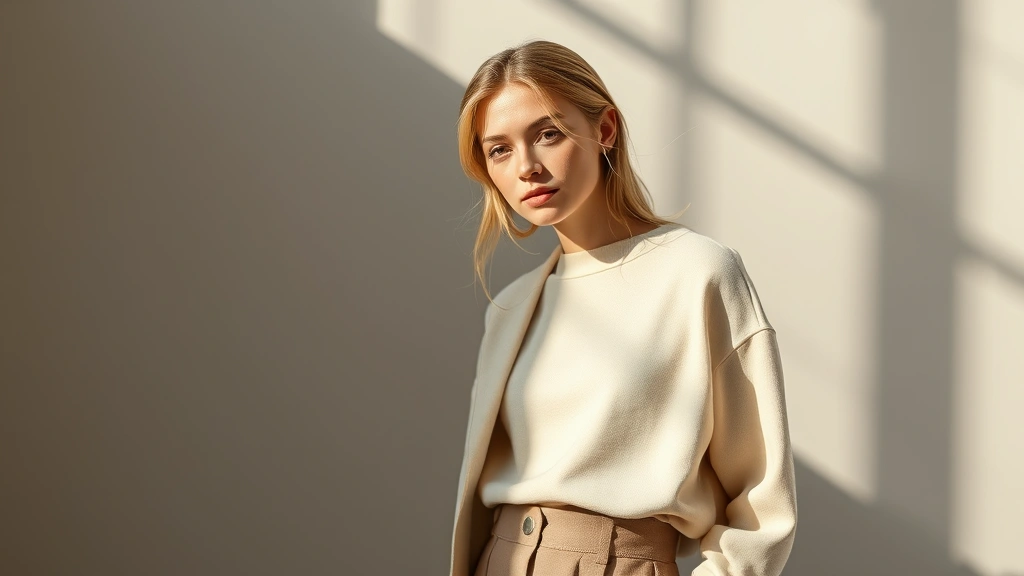
” alt=”Minimalist fashion wardrobe with neutral tones, folded basics, and quality fabrics”>
Assessing Your Lifestyle and Personal Needs
Before committing to minimalist fashion, honestly evaluate your lifestyle, professional requirements, and personal preferences. Minimalism is highly individual, and what works for a remote worker differs significantly from what suits someone in a corporate environment.
Professional Requirements: Consider your work environment. Corporate settings may demand more formal pieces, while creative industries often embrace diverse aesthetics. Your professional wardrobe needs should inform your minimalist approach rather than conflict with it.
Climate and Seasonality: Geographic location dramatically impacts minimalist fashion viability. Those in regions with distinct seasons require more pieces than those in consistently warm climates. Building a minimalist wardrobe in Minnesota differs from doing so in San Diego.
Social Lifestyle: Evaluate your social commitments. Do you attend formal events regularly? Are you active in fitness communities? Do you travel frequently? Your lifestyle activities should shape your minimalist wardrobe composition.
Personal Style Preferences: Explore different fashion styles to understand your aesthetic preferences. Minimalism accommodates various style expressions—from minimalist maximalism with bold colors to neutral, understated elegance. Your approach should feel authentic.
Budget Constraints: Minimalist fashion requires upfront investment in quality pieces, which may not suit everyone’s immediate financial situation. Assess whether you can invest meaningfully or need to build your capsule wardrobe gradually through strategic purchases.
Building Your Capsule Wardrobe Foundation
A capsule wardrobe typically contains 25-50 pieces that work cohesively together, creating numerous outfit combinations. The exact number depends on your lifestyle, climate, and personal preferences. Here’s how to establish your foundation strategically.
Essential Basics: Start with neutral, versatile basics that form your wardrobe’s backbone. These typically include well-fitting jeans, neutral trousers, plain t-shirts, and simple sweaters in your chosen neutral palette. Quality matters tremendously here—these pieces work overtime and should withstand frequent wearing and washing.
Layering Pieces: Cardigans, blazers, and jackets serve multiple functions: they create different looks from the same base pieces, provide warmth across seasons, and add polish to casual outfits. Invest in classic cuts that complement your body type and personal style.
Statement Pieces: While minimalism emphasizes restraint, thoughtfully chosen statement pieces add personality and prevent boredom. These might be a structured coat, an interesting texture, or a single bold color that coordinates with your neutral base.
Footwear: Select shoes that cover your lifestyle needs while maintaining visual cohesion. Most minimalists own 5-8 pairs: comfortable everyday shoes, professional footwear, athletic shoes, and one or two special occasion options. Choose neutral colors that coordinate with your wardrobe.
Accessories: Minimalist accessories include simple jewelry, a quality bag or two, and perhaps a scarf. These should enhance rather than overwhelm, adding subtle sophistication to your outfits. Consider pieces that work across seasons and occasions.
Color Palettes and Fabric Selection
Color palette selection is crucial for minimalist success. Your chosen colors should create visual harmony while offering enough variety to prevent monotony. Most minimalists select a primary neutral (black, white, gray, beige, or navy), one or two secondary neutrals, and perhaps two accent colors.
Neutral Foundations: Black provides crisp contrast and versatility. White offers brightness and pair-ability. Gray delivers sophisticated neutrality. Beige and cream provide warmth without the starkness of pure white. Navy functions as a neutral alternative to black, particularly in professional settings.
Accent Colors: These personal touches prevent your minimalist wardrobe from feeling bland. Whether you choose jewel tones, earth tones, or pastels, limit yourself to two accent colors that coordinate with your neutrals and each other. This restraint maintains the minimalist aesthetic while allowing self-expression.
Fabric Considerations: Minimalist fashion prioritizes natural, durable fabrics that age beautifully. Cotton, linen, wool, and silk offer superior comfort and longevity compared to synthetic alternatives. Quality fabrics drape better, feel more luxurious, and often improve with age. Consider seasonality: breathable fabrics for warm weather, insulating options for cold climates, and transitional pieces for spring and fall.
Texture and Visual Interest: Within your neutral palette, varying textures prevents visual monotony. Combine smooth cotton with textured linen, matte wool with subtle sheen, and simple knits with structured fabrics. This textural variety creates visual interest while maintaining minimalist restraint.
Investment Pieces vs. Budget-Friendly Options
A common misconception is that minimalist fashion requires exclusively expensive designer pieces. While quality matters, strategic shopping combines investment pieces with thoughtfully selected budget-friendly options.
Where to Invest: Spend more on foundational pieces you’ll wear frequently: well-fitting jeans, quality white shirts, classic blazers, and everyday shoes. These workhorses deserve investment because they determine your overall outfit quality and receive heavy wear. Premium basics from quality brands offer superior fit, fabric, and durability.
Budget-Friendly Selections: Basic t-shirts, simple sweaters, and seasonal pieces can come from more affordable retailers. These items don’t require premium materials and may not receive years of wear. The key is selecting well-made basics from reliable brands rather than ultra-fast-fashion sources.
Strategic Shopping: Minimalism pairs beautifully with thoughtful purchasing strategies. Quality vintage and secondhand shopping offers luxury pieces at reduced prices while supporting sustainability. Seasonal sales on quality brands provide investment pieces at discounts. Patient, intentional shopping beats impulsive spending.
Cost Per Wear: Evaluate purchases using cost-per-wear calculations. A $300 jacket worn 100 times costs $3 per wear, while a $50 shirt worn twice costs $25 per wear. This framework demonstrates why investing in versatile, frequently worn pieces makes financial sense.
Sustainability and Ethical Considerations
Minimalist fashion naturally aligns with sustainability values. By purchasing fewer items, choosing durable pieces, and supporting ethical manufacturers, you reduce your environmental impact and contribute to positive industry change.
Environmental Impact: Fast fashion’s waste is staggering—textile production consumes enormous water quantities, generates chemical pollution, and creates landfill waste as garments are discarded after minimal wear. Minimalism directly counteracts this by extending garment lifespans and reducing consumption. Fewer purchases mean lower carbon footprints from manufacturing and transportation.
Ethical Manufacturing: Quality pieces typically come from brands prioritizing fair labor practices and safe working conditions. Supporting these manufacturers, rather than exploitative fast-fashion operations, creates positive industry pressure. Investigate brands’ supply chains and manufacturing practices—this aligns minimalist values with ethical consumption.
Secondhand and Vintage Shopping: Buying quality pieces secondhand extends garment lifecycles while reducing demand for new production. Vintage and consignment shopping offers unique pieces at reduced prices while supporting circular fashion economies. This approach perfectly complements minimalist philosophy.
Care and Longevity: Minimalism extends beyond purchasing to garment care. Proper washing, storage, and maintenance dramatically extend clothing lifespans. Learning to repair small damage, refresh worn pieces, and care for fabrics intentionally transforms your relationship with clothing and reduces replacement frequency.
Common Minimalist Fashion Mistakes
Even well-intentioned minimalists can derail their efforts through common pitfalls. Awareness prevents these missteps from disrupting your wardrobe evolution.
Over-Minimizing: The most common mistake is eliminating too aggressively, leaving yourself without adequate outfit options for your lifestyle. If your minimal wardrobe creates stress or insufficient outfit variety, you’ve minimized beyond your personal needs. Adjust by adding pieces until your wardrobe feels functional and sustainable.
Ignoring Personal Style: Minimalism doesn’t mean abandoning individuality. Adopting someone else’s minimalist aesthetic rather than developing your own creates disengagement and wardrobe abandonment. Your minimalist wardrobe should reflect your preferences, lifestyle, and personality.
Poor Fit Prioritization: Minimalism doesn’t excuse poor fit. With fewer pieces, each must fit perfectly. Ill-fitting basics create unflattering outfits regardless of quality. Invest in tailoring to ensure your foundational pieces fit beautifully, enhancing rather than detracting from your appearance.
Neglecting Seasonal Needs: Failing to account for climate and seasonality creates a wardrobe insufficient for your environment. Minimalism doesn’t mean freezing in winter or overheating in summer. Build seasonal flexibility into your capsule wardrobe.
Purchasing Without a Plan: Adding pieces randomly undermines minimalism’s benefits. Every addition should align with your established color palette and coordinate with existing pieces. Intentional purchasing prevents accumulation creep.
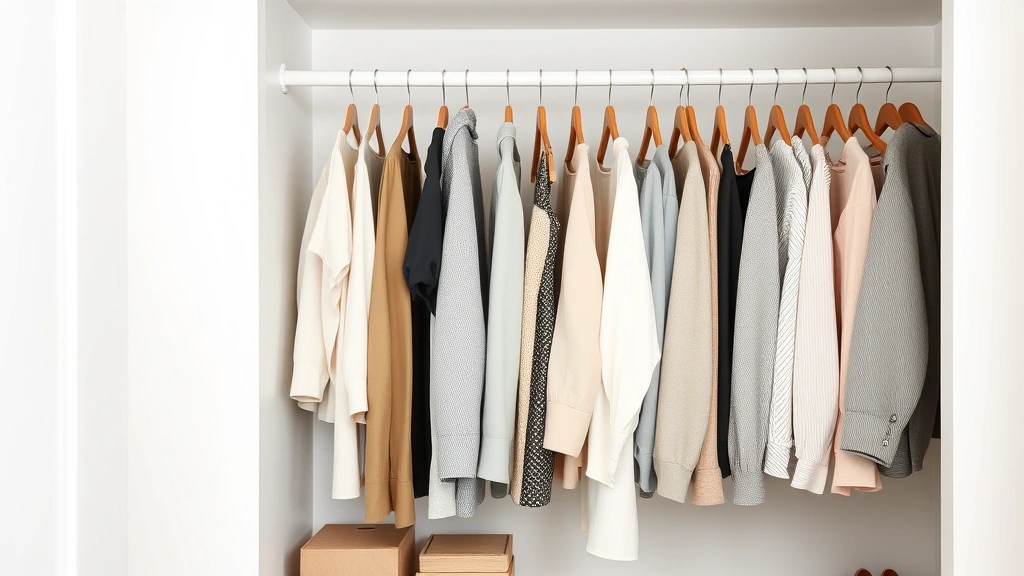
” alt=”Organized minimalist closet with neutral basics arranged by category and color”>
Transitioning to Minimalist Fashion
Moving toward minimalist fashion needn’t be abrupt or overwhelming. A gradual, strategic transition allows you to build your capsule wardrobe thoughtfully while maintaining functional daily dressing.
Phase One: Assessment and Planning: Evaluate your current wardrobe, identifying pieces you genuinely love and wear frequently. Note gaps in your outfit combinations. Define your lifestyle needs, preferred colors, and style aesthetic. This foundation guides all subsequent decisions.
Phase Two: Strategic Purging: Rather than dramatic closet purges, thoughtfully remove pieces that don’t align with your minimalist vision. Ask: Do I wear this regularly? Does it fit well? Does it coordinate with other pieces? Does it reflect my authentic style? If the answer is no, consider removing it. Sell quality pieces or donate them—this creates both financial resources and psychological closure.
Phase Three: Foundational Purchases: Invest in core basics that form your wardrobe foundation. Quality jeans, neutral tops, layering pieces, and appropriate footwear should be your initial focus. These pieces provide the base for numerous outfit combinations.
Phase Four: Refinement and Personalization: As your foundation solidifies, add pieces that reflect your personal style and lifestyle needs. This might include accent colors, statement pieces, or specialized items for specific activities. Maintain intentionality throughout this phase.
Phase Five: Maintenance and Evolution: Once established, your minimalist wardrobe requires ongoing maintenance. Periodically evaluate whether pieces still serve you, replace worn basics, and thoughtfully add pieces addressing genuine gaps. This prevents stagnation while maintaining minimalist principles.
The transition timeline varies significantly based on your starting point, budget, and lifestyle complexity. Some people establish functional minimalist wardrobes within months; others require a year or more. Patience and self-compassion throughout this process ensure sustainable success.
FAQ
How many clothes does a minimalist actually need?
There’s no universal number—it depends entirely on your lifestyle, climate, and preferences. Most minimalists operate with 25-50 pieces, but this varies. Remote workers in warm climates might thrive with 20 pieces, while those in cold climates with demanding professional roles might need 60-80. The key is having sufficient pieces to create varied outfits while maintaining your minimalist aesthetic. Quality and coordination matter far more than specific numbers.
Can I practice minimalist fashion on a budget?
Absolutely. While quality pieces require investment, you needn’t purchase exclusively from luxury brands. Building a minimalist wardrobe strategically through affordable quality retailers, secondhand shopping, and seasonal sales makes minimalism accessible on various budgets. Focus on durability and coordination rather than price tags. Vintage and consignment shopping particularly supports budget-conscious minimalism.
Is minimalist fashion boring?
Minimalism embraces simplicity, but simplicity isn’t boring—it’s elegant. Within minimalist constraints, you can express personality through layering, textures, proportions, and thoughtfully chosen accent pieces. Many style influencers prove that minimalism permits sophistication and interest. Boredom typically stems from over-minimizing or ignoring personal style preferences; intentional minimalism feels authentic and engaging.
How does minimalist fashion relate to developing a business plan for a fashion line?
Understanding minimalist principles is valuable if you’re developing a fashion business. A fashion-focused business approach incorporating minimalist values—quality over quantity, sustainability, timeless design—appeals to growing consumer segments. Studying fashion style guides and types of fashion helps you identify market opportunities. A comprehensive understanding of different fashion styles ensures your line addresses specific aesthetic preferences while potentially incorporating minimalist principles that resonate with contemporary consumers.
How do I avoid looking drab in minimalist fashion?
Visual interest in minimalism comes from varied textures, layering, proportions, and strategic accent colors. Combine different fabric weights and finishes, play with silhouette proportions, and add subtle pattern through texture rather than print. Accessories, though minimal, provide visual anchors. Quality fabrics naturally look more polished than cheap materials. Proper fit and tailoring dramatically enhance overall appearance. Minimalism should feel refined, not dull.
What’s the difference between minimalist fashion and capsule wardrobes?
All capsule wardrobes are intentional and coordinated, but not all embrace minimalist philosophy. A capsule wardrobe is a curated collection of coordinating pieces; minimalism is a lifestyle approach prioritizing simplicity and intentionality. You can build a capsule wardrobe with 100 pieces or develop a minimalist approach with 30. The distinction lies in philosophy: capsule wardrobes emphasize coordination, while minimalism emphasizes reduction and intentional consumption.
How do I handle special occasions with a minimalist wardrobe?
Include one or two special occasion pieces in your minimalist wardrobe—a simple dress or elegant separates that work across different formal contexts. Choose classic styles in neutral colors that coordinate with your existing wardrobe. Alternatively, borrow or rent special occasion pieces, which aligns with minimalist values while reducing closet space requirements. Many minimalists successfully navigate formal events through thoughtful layering and accessorizing of existing pieces.