Is 2008 Fashion Making a Comeback? Expert Insights
The fashion world operates in cyclical patterns, and nostalgia has become one of the most powerful forces driving contemporary style trends. As we navigate the 2020s, fashion enthusiasts and industry experts are increasingly pointing to the mid-2000s aesthetic—particularly 2008 fashion—as a major influence shaping wardrobes and runway collections today. The return of low-rise jeans, oversized sunglasses, velour tracksuits, and maximalist accessories suggests that the era of Paris Hilton and celebrity-driven fashion is experiencing a genuine renaissance. But is this simply surface-level nostalgia, or does 2008 fashion represent a fundamental shift in how we approach personal style and self-expression?
Understanding whether 2008 fashion is truly making a comeback requires examining the specific elements that defined that era, analyzing current runway presentations and street style, and exploring the psychological and cultural reasons why designers and consumers are drawn to this particular period. This comprehensive exploration reveals that the resurgence of 2008 aesthetics isn’t merely about recreating the past—it’s about reinterpreting iconic silhouettes and bold statements through a modern lens, blending nostalgia with contemporary values and sustainability concerns.

The Defining Elements of 2008 Fashion
To understand whether 2008 fashion is making a comeback, we must first establish what actually defined that era. The year 2008 was a pivotal moment in fashion history, representing the peak of several distinctive aesthetic movements that coalesced into a singular, recognizable style. This was the era of unabashed excess, bold self-expression, and a rejection of minimalism that had dominated the early 2000s.
Low-rise denim was undoubtedly the cornerstone of 2008 fashion. These ultra-hip-hugging jeans, often worn with visible thong underwear or bedazzled waistbands, became the uniform of celebrities and fashion-conscious teenagers alike. Paired with baby tees or cropped tops, low-rise jeans created a silhouette that was unmistakably 2008. Brands like True Religion, Juicy Couture, and Von Dutch capitalized on this trend, creating iconic pieces that defined the decade.
The velour tracksuit represents perhaps the most instantly recognizable symbol of 2008 fashion. Popularized by celebrities like Paris Hilton and Jennifer Lopez, these matching sets—typically featuring rhinestone embellishments, bold colors, and the brand name emblazoned across the back—became status symbols. The tracksuit embodied the era’s unapologetic materialism and celebrity worship, transforming loungewear into aspirational fashion.
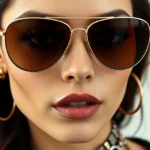
Oversized sunglasses dominated the accessory landscape, with enormous frames that covered significant portions of the face becoming essential to any fashionable ensemble. These weren’t subtle accessories; they were statement pieces that conveyed confidence and glamour. Paired with low-rise jeans and baby tees, oversized sunglasses completed the quintessential 2008 look.
Beyond these core elements, 2008 fashion embraced several other defining characteristics. Rhinestone embellishments appeared on virtually everything—jeans, belts, tops, and even shoes. Bright, almost neon colors were favored over neutral tones. Cargo pants and low-rise shorts competed with skirts for prominence in casual wardrobes. Graphic tees featuring band logos, ironic slogans, or celebrity faces were worn ironically or earnestly, depending on the wearer’s sensibility.

Why Nostalgia Rules the Fashion Cycle
Fashion operates according to predictable cycles, with trends typically returning every 20-30 years in renewed forms. The resurgence of 2008 fashion can be explained through several interconnected factors that make nostalgia a powerful force in contemporary style.
The concept of “fashion cycles” isn’t new to the industry. Vogue editors and trend forecasters have long recognized that styles return with cyclical regularity. What makes the 2008 resurgence particularly interesting is that it’s arriving at a moment when millennials—who grew up wearing these styles—have achieved significant cultural and economic influence. This demographic possesses both the disposable income and the cultural authority to drive major fashion trends.
Nostalgia serves multiple psychological functions that make it particularly appealing during uncertain times. When the present feels chaotic or overwhelming, fashion offers a tangible way to reconnect with perceived simpler times. The 2008 financial crisis itself created a cultural moment that many people viewed as a turning point; interestingly, we’re now nostalgic for the fashion of that very year, suggesting that nostalgia doesn’t require temporal distance as much as it requires cultural distance.
Social media has fundamentally altered how fashion cycles operate. Instagram, TikTok, and Pinterest allow trends to spread globally within days, and they also enable rapid cycles of nostalgia. Gen Z users can discover 2008 fashion through curated feeds, vintage resellers, and influencers who reinterpret these styles, creating a phenomenon where multiple fashion eras exist simultaneously in the digital space.
The rise of “Y2K” and “early 2000s” aesthetics as broader cultural movements has created a pathway for 2008 fashion to resurge. What began as a niche appreciation for late 1990s and early 2000s fashion has expanded to encompass the entire decade leading into 2010, making 2008 fashion feel like a natural continuation of an established nostalgic movement.
Current Runway Evidence and Designer Perspectives
The most compelling evidence that 2008 fashion is making a comeback comes from major fashion houses and designers who are explicitly referencing this era in their collections. Understanding different fashion styles helps contextualize how designers are interpreting 2008 aesthetics through contemporary lenses.
Luxury brands have begun incorporating 2008 elements into high-fashion collections, transforming what was once considered “fast fashion” into aspirational pieces. Designers are deconstructing the velour tracksuit, reimagining it in premium fabrics and updated silhouettes. Rather than exact replicas, these pieces capture the spirit of 2008 fashion while incorporating modern design principles and sustainable materials.
Low-rise jeans have returned to runways with increasing frequency, though contemporary versions often feature updated cuts that balance the extreme hip-hugging of the original trend with modern comfort standards. Fashion experts at major publications have documented this shift, noting that the return of low-rise silhouettes represents a rejection of the “athleisure” and oversized fashion that dominated the 2010s.
Independent designers and emerging fashion brands have embraced 2008 fashion as a source of inspiration and creativity. Rather than viewing this era as something to be transcended, contemporary designers see it as fertile ground for reinterpretation. This suggests that the comeback of 2008 fashion isn’t merely about celebrity nostalgia but represents a genuine creative movement within the fashion industry.
Fashion institutions and educational programs have begun analyzing the 2008 era more seriously, recognizing its cultural significance and influence on contemporary design. Leading fashion schools are incorporating case studies of 2008 fashion into their curricula, legitimizing this era as worthy of serious artistic and historical consideration.
Street Style and Celebrity Influence Today
While runway presentations provide one indicator of fashion trends, street style and celebrity choices offer equally important evidence of whether 2008 fashion is genuinely making a comeback. Contemporary celebrities and influencers are actively incorporating 2008 elements into their wardrobes, suggesting that this trend extends beyond fashion industry professionals into broader cultural consciousness.
Celebrities who were fashion icons during the 2008 era are revisiting their signature looks with a winking self-awareness. They’re not simply recreating their past styles but rather engaging in a dialogue between their 2008 selves and their contemporary identities. This creates a powerful cultural moment where nostalgia meets current relevance.
Younger celebrities and TikTok influencers who weren’t even born in 2008 are discovering and celebrating this aesthetic independently, suggesting that the appeal of 2008 fashion transcends generational memory. For Gen Z users, 2008 fashion represents an exotic historical period rather than lived experience, making it feel fresh and novel rather than nostalgic.
Street style photography from major fashion capitals reveals increasing instances of 2008-inspired outfits. Low-rise jeans paired with crop tops, oversized sunglasses, and bold accessories are appearing with greater frequency in candid fashion photography. This grassroots adoption suggests that 2008 fashion is transitioning from trend forecasting to actual wardrobe staple.
The influencer economy has created powerful incentives for promoting 2008 fashion. Influencers who can successfully reinterpret this era in fresh ways gain significant engagement and credibility. This has spawned an entire subcategory of content creators who specialize in “Y2K” and “early 2000s” fashion, making these aesthetics more visible and accessible than ever before.
Modernizing 2008 Trends for Contemporary Wardrobes
Understanding how to find your personal style is essential when incorporating 2008 fashion elements into modern wardrobes. The key to successfully wearing 2008 fashion in 2024 is balancing nostalgia with contemporary sensibilities, avoiding costume-like recreations while capturing the spirit of the era.
Modern interpretations of low-rise jeans often incorporate contemporary fits that provide greater comfort and coverage than their 2008 predecessors. Rather than the extreme hip-hugging silhouettes of the original trend, contemporary low-rise jeans sit slightly higher while maintaining the distinctive aesthetic. Pairing these with modern basics creates a look that feels current rather than costume-like.
The velour tracksuit has undergone perhaps the most significant transformation. Contemporary versions feature minimalist branding, neutral color palettes, and premium fabrics that elevate the silhouette from casual loungewear to aspirational fashion. Luxury brands have reimagined this piece as a statement of intentional style rather than unthinking trend-following.
Oversized sunglasses remain a relatively straightforward element to incorporate into modern style. However, contemporary versions often feature updated frame shapes and lens technologies that feel current. The key is selecting sunglasses that feel intentional rather than purely nostalgic.
Rhinestone embellishments can be incorporated subtly into modern wardrobes through strategic placement on accessories or as minimal detailing on key pieces. Rather than covering entire garments in rhinestones, contemporary styling uses these elements as accent details that nod to 2008 fashion without overwhelming the overall aesthetic.
Graphic tees, which were ubiquitous in 2008, continue to be relevant today. The contemporary approach involves selecting vintage or vintage-inspired graphic tees and styling them with modern pieces, creating a balanced look that references 2008 fashion while feeling current.
Sustainability and the Vintage Movement
An important aspect of the 2008 fashion comeback involves the sustainability movement and the rise of vintage and secondhand fashion. Rather than purchasing new items manufactured to replicate 2008 styles, many fashion-conscious consumers are seeking authentic vintage pieces from the era.
This shift toward vintage shopping represents a fundamental change in how fashion cycles operate. Rather than manufacturers producing new items in old styles, consumers are actively seeking original pieces, creating demand for authentic 2008 fashion items. This has transformed the vintage fashion industry, making 2008 pieces increasingly valuable and sought-after.
The environmental consciousness of contemporary consumers has made types of fashion that prioritize sustainability increasingly appealing. Vintage 2008 fashion aligns with this value system by extending the lifecycle of existing garments rather than contributing to new manufacturing waste. This provides ethical justification for the nostalgic appeal of 2008 fashion.
Online vintage platforms have made 2008 fashion more accessible than ever. Consumers can now source authentic pieces from the era without visiting physical thrift stores, democratizing access to these styles and accelerating their comeback. Platforms specializing in Y2K and early 2000s fashion have become major players in the fashion industry.
The vintage movement has also created new economic opportunities for resellers and vintage fashion entrepreneurs. Individuals who recognize the value and appeal of 2008 fashion have built successful businesses around curating and selling authentic pieces from the era. This commercial activity further legitimizes and accelerates the comeback of 2008 fashion.
How to Incorporate 2008 Fashion Into Your Style
For those interested in participating in the 2008 fashion comeback, several practical strategies can help integrate these elements into contemporary wardrobes without creating a costume-like effect. Understanding fashion style guides provides foundational knowledge for making intentional style choices.
Begin with foundational pieces like low-rise jeans. Select a contemporary cut that provides comfort while maintaining the distinctive silhouette. Pair these with modern basics like simple white tees or contemporary crop tops. This creates a look that nods to 2008 fashion without feeling dated.
Invest in quality oversized sunglasses that feel current. Look for contemporary frame styles and lens treatments that feel intentional rather than purely nostalgic. These should serve as functional accessories while adding visual interest to your overall look.
Incorporate one or two statement accessories that reference 2008 fashion. This might include a small rhinestone-embellished belt, a graphic tee, or a vintage piece from the era. Limiting yourself to one or two statement pieces prevents your look from feeling like a complete costume recreation.
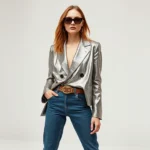
Consider layering contemporary pieces with 2008-inspired items. For example, pair low-rise jeans with an oversized contemporary blazer, or style a graphic tee under a modern slip dress. This creates visual interest while balancing nostalgic elements with contemporary fashion sensibilities.
Explore the complete fashion history timeline to understand how 2008 fashion fits within broader style movements. This contextual knowledge helps you make more informed decisions about which elements resonate with your personal aesthetic and how to integrate them intentionally.
Visit vintage and secondhand platforms to source authentic pieces from the era. This approach offers both sustainability benefits and the authenticity that contemporary reproductions cannot provide. Authentic 2008 pieces often have distinctive quality and character that new items cannot replicate.
Experiment with incorporating 2008 elements into your existing wardrobe gradually. Rather than completely overhauling your style, introduce one or two pieces or accessories at a time, allowing your look to evolve organically. This approach helps you determine which elements genuinely resonate with your personal style.
FAQ
Is 2008 fashion actually coming back, or is this just a trend?
2008 fashion is experiencing a genuine resurgence supported by major designers, runway presentations, and widespread consumer adoption. However, like all fashion trends, it will likely evolve and eventually be replaced by new aesthetic movements. The current comeback appears to be more substantial than typical trend cycles, suggesting lasting influence on contemporary style.
How can I wear 2008 fashion without looking like I’m wearing a costume?
The key is balancing nostalgic elements with contemporary pieces and sensibilities. Select updated versions of 2008 fashion items, limit yourself to one or two statement pieces, and pair them with modern basics. This creates a cohesive look that references 2008 fashion while feeling current.
Are expensive designer versions of 2008 fashion worth the investment?
Designer versions of 2008 fashion typically offer superior quality, updated cuts, and premium materials compared to fast fashion reproductions. Whether they’re worth the investment depends on your budget and commitment to the trend. Authentic vintage pieces from the era offer an alternative that provides both authenticity and sustainability benefits.
What 2008 fashion trends should I avoid?
Extremely low-rise jeans that compromise comfort or coverage, excessive rhinestone embellishments that feel costume-like, and dated color palettes that feel authentically 2008 rather than contemporary interpretations. The goal is capturing the spirit of the era while maintaining modern sensibilities.
Where can I find authentic 2008 fashion pieces?
Online vintage platforms, thrift stores, and specialized Y2K fashion retailers offer authentic pieces from the era. Platforms like Depop, Vestiaire Collective, and The RealReal feature extensive collections of vintage 2008 fashion items. Local vintage shops may also have curated selections of pieces from this period.