The year 2008 marked a pivotal moment in fashion history, a time when economic uncertainty collided with creative innovation to produce some of the most memorable style moments of the decade. As the world grappled with financial crisis, the fashion industry responded with both escapism and practicality, creating trends that ranged from ultra-feminine silhouettes to edgy, rebellious aesthetics. This was the era of statement accessories, bold colors, and experimental layering—a year that defined an entire generation’s approach to personal style and self-expression.
Looking back at 2008 fashion trends, we discover a fascinating blend of contradictions that somehow worked in perfect harmony. Designers pushed boundaries while consumers sought affordable ways to stay fashionable, leading to the rise of fast fashion and the democratization of high-end style. Whether you’re a fashion historian, a style enthusiast seeking how to find your personal style, or simply someone curious about the past, revisiting 2008 offers valuable insights into how fashion evolves during turbulent times.
The Silhouettes That Defined 2008
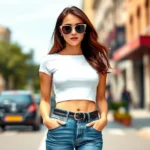
The silhouettes of 2008 were nothing short of revolutionary, representing a dramatic departure from the previous decade’s minimalism. Skinny jeans became the unofficial uniform of youth culture, pairing perfectly with oversized blazers and vintage band tees. This juxtaposition of fitted and relaxed elements created an effortlessly cool aesthetic that dominated runways and street style alike. Designers like Alexander McQueen championed the structured silhouette, while others embraced a more deconstructed approach.
Peplum tops and high-waisted everything emerged as the antidote to low-rise jeans, signaling a shift toward more conservative yet playful proportions. Maxi skirts paired with crop tops created interesting visual contrasts, while tunics and flowing fabrics offered comfort without sacrificing style. The types of fashion embraced in 2008 reflected a generation caught between bohemian influences and urban edge. Denim, in particular, experienced a renaissance with strategic rips, bleaching, and embellishments that transformed the humble jean into a fashion statement piece.
Leggings transitioned from athletic wear to legitimate fashion items, worn under dresses, skirts, and oversized tops. This democratization of comfort fashion proved prescient, foreshadowing the athleisure movement that would dominate the following decade. The bodycon dress emerged as a party staple, celebrating curves and femininity with unapologetic confidence. Structured shoulders and nipped waists created silhouettes that were simultaneously powerful and sensual, appealing to diverse body types and personal style preferences.
Color Palettes and Fabric Innovations
2008 witnessed an explosion of color that felt almost rebellious against the neutral tones of the early 2000s. Electric brights, jewel tones, and unexpected color combinations became the norm rather than the exception. Neon pink, electric blue, and acid green appeared on everything from cardigans to accessories, creating an undeniable visual impact. Mustard yellow, teal, and burgundy offered slightly more sophisticated alternatives for those seeking bold color without the shock value of pure neon.
Metallic fabrics and shimmery textures became ubiquitous, particularly in evening wear and party outfits. The obsession with sparkle and shine reflected both the optimism of the pre-crisis months and the escapist desires of the post-crisis period. Sequins adorned not just dresses but jackets, hoodies, and even sneakers, democratizing glamour across all price points. Animal prints, particularly leopard and zebra, experienced a major resurgence, offering pattern alternatives to the floral prints that had dominated previous seasons.
Fabric innovation played a crucial role in 2008 fashion, with designers experimenting with jersey knits, structured cottons, and innovative synthetics. Velour tracksuits, though somewhat controversial, remained popular among celebrities and fashion-forward individuals seeking comfort with personality. Denim received special treatment with various washes, distressing techniques, and unexpected color variations. Exploring different fashion styles from this era reveals how fabric choices directly influenced the silhouettes and overall aesthetic of each trend.
Transparency became a design element rather than an accident, with strategic mesh panels and sheer overlays creating visual interest and sensuality. Layering different textures—matte with shiny, smooth with textured—became an art form that separated style novices from fashion-savvy dressers. The interplay between structured and fluid fabrics created dynamic outfits that evolved throughout the day, perfect for the multifaceted lives people were living.
Accessories: The Real Stars of the Show
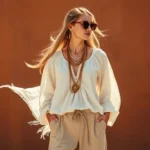
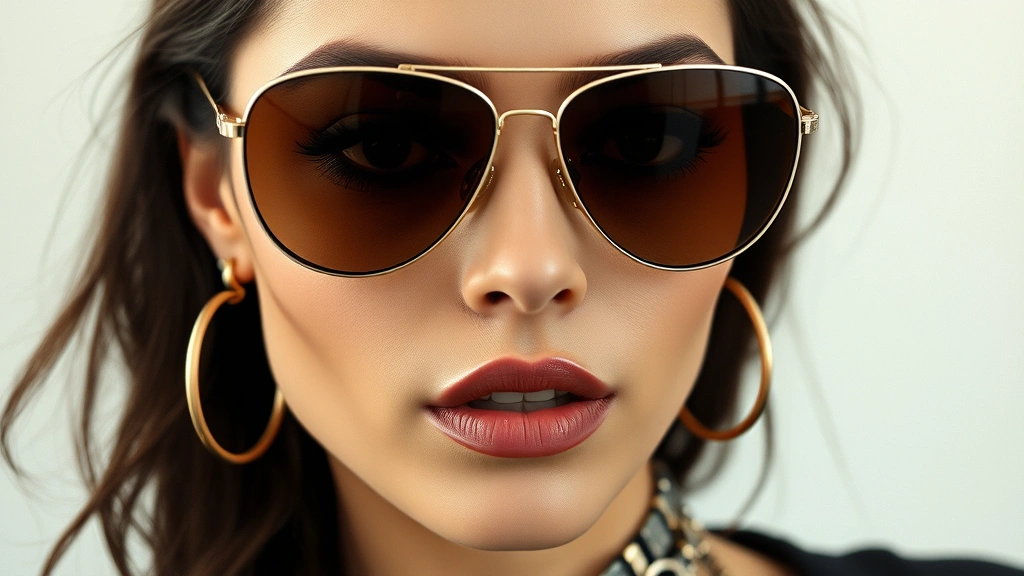
If clothing provided the canvas, accessories were the masterpiece in 2008 fashion. Oversized sunglasses reached absurd proportions, with frames so large they dominated entire faces—a trend popularized by celebrities desperate for privacy and anonymity. These statement shades came in every color imaginable, from classic black to hot pink, and often featured elaborate embellishments and unique shapes. The larger the sunglasses, the more fashionable you appeared, creating an accessory arms race that defined the era.
Belts experienced a major moment, with wide, embellished styles worn over dresses, cardigans, and even sweaters to create definition and visual interest. Studded belts, chain belts, and ornate buckles transformed basic outfits into statement-making ensembles. Bags reached architectural proportions, with oversized totes, structured handbags, and novelty shapes becoming everyday accessories rather than special occasion pieces. The fashion style guide of the era emphasized the importance of a killer bag as the foundation of any outfit.
Scarves became multifunctional accessories worn around necks, as headbands, tied to bags, or even wrapped around waists. Infinity scarves offered endless styling possibilities, while oversized wraps provided warmth and sophistication simultaneously. Jewelry trended toward the bold and chunky, with statement necklaces, oversized cocktail rings, and chandelier earrings dominating both casual and formal occasions. Layered necklaces of varying lengths created depth and visual texture that complemented the era’s experimental approach to styling.
Leg warmers made an unexpected comeback, worn over boots or sneakers as a nod to 1980s nostalgia. Fingerless gloves, studded bracelets, and arm cuffs channeled edgy, punk-inspired aesthetics that contrasted beautifully with feminine elements. Hats experienced a renaissance, from oversized floppy hats to structured fedoras and vintage-inspired cloches. The accessories of 2008 represented personal expression and individuality, allowing people to customize basic pieces into uniquely personal statements.
Celebrity Influence and Red Carpet Moments
Celebrity culture reached fever pitch in 2008, with paparazzi and fashion media documenting every outfit choice with religious fervor. Stars like Vogue muses and red carpet regulars set the tone for mainstream fashion, their every appearance dissected and imitated by millions. The emergence of street style photography transformed celebrities from untouchable icons into relatable style references, democratizing high fashion in unprecedented ways. Young stars like Miley Cyrus, the Jonas Brothers, and Taylor Swift became fashion influencers, their casual weekend wear generating trend reports and copycat purchases.
Red carpet events showcased the most experimental and luxurious interpretations of 2008 trends, with designers pushing boundaries in ways everyday fashion couldn’t match. Dramatic silhouettes, unexpected color combinations, and innovative fabric treatments characterized award season appearances. The juxtaposition of casual celebrity street style with formal red carpet glamour created a dynamic fashion conversation that kept the industry energized and engaged. Fashion designers recognized the power of celebrity endorsement, strategically dressing A-list stars to generate buzz and desirability for their collections.
The rise of fashion blogs and online style communities meant that celebrity influence was no longer unidirectional. Fashion-forward individuals began documenting their own style experiments, creating a dialogue with professional fashion that blurred traditional hierarchies. This democratization of fashion authority represented a seismic shift in how trends propagated and evolved, setting the stage for the influencer culture that would dominate the following decade.
The Rise of Fast Fashion Culture
2008 marked a critical inflection point for fast fashion, as economic recession made luxury goods inaccessible to average consumers while desire for trendy clothing remained undiminished. High street retailers like H&M, Zara, and Forever 21 capitalized on this gap, translating runway trends into affordable pieces within weeks. This democratization of fashion meant that trend-setters no longer needed substantial wealth to stay current, revolutionizing who could participate in fashion culture. The ability to constantly refresh one’s wardrobe with new pieces became possible for middle-class consumers, fundamentally altering fashion consumption patterns.
The speed at which trends moved accelerated dramatically, with seasonal fashion concepts becoming almost obsolete. Collections rotated monthly or even weekly, encouraging constant consumption and wardrobe updates. This rapid cycle created both opportunities and challenges, allowing fashion experimentation while simultaneously contributing to overconsumption and waste. The sustainability conversation remained largely absent from mainstream fashion discourse, with environmental and ethical concerns taking a backseat to trend accessibility and affordability.
The relationship between high fashion and fast fashion became increasingly symbiotic, with designers accepting that their ideas would be immediately copied and sold at fraction of the original price. Rather than viewing this as theft, many saw it as validation and a way to influence mass culture. The complete fashion history timeline demonstrates how 2008 represented a pivotal moment when fashion became truly democratic, available to anyone with moderate financial resources and fashion awareness.
Streetwear Evolution in 2008
Streetwear in 2008 represented the intersection of skate culture, hip-hop influences, and high fashion experimentation. Graphic tees featuring vintage band logos, ironic slogans, and artistic designs became essential wardrobe staples worn by everyone from teenagers to fashion editors. The juxtaposition of high-end designer pieces with deliberately casual streetwear created an aesthetic tension that defined the era’s most compelling personal style statements. Sneaker culture experienced explosive growth, with limited editions and collaborations between designers and athletic brands creating coveted collector’s items.
Hoodies transitioned from purely athletic wear to legitimate fashion pieces, worn by celebrities and fashion-forward individuals as standalone garments or layered under blazers. Skinny jeans paired with oversized hoodies and high-top sneakers created the quintessential 2008 streetwear silhouette, comfortable yet intentional. Vintage band tees, particularly from defunct or obscure groups, became status symbols indicating fashion knowledge and cultural awareness. The thrifted aesthetic gained momentum, with young fashionistas hunting through secondhand stores for unique pieces that couldn’t be found in chain retailers.
Trucker hats, fedoras, and newsboy caps became ubiquitous streetwear accessories, worn as ironic nods to previous decades or as genuine style choices. The mixing of high and low fashion became standard practice rather than controversial, with luxury handbags paired confidently with thrifted jeans and affordable sneakers. This democratic approach to style reflected broader cultural shifts toward individualism and authentic self-expression over conformity to traditional fashion hierarchies.
Makeup and Hair Trends
Makeup in 2008 embraced drama and experimentation, with heavy eyeliner, bold eyeshadow, and statement lips becoming mainstream rather than subcultural. The emo and scene kid aesthetics influenced mainstream beauty, with dark, smoky eyes and thick black eyeliner appearing on runways and red carpets. Thick, defined eyebrows made a comeback after years of over-plucking, while nude and pale lipsticks offered alternative looks to the bold reds and pinks that dominated party makeup. Glitter and shimmer appeared everywhere, from eyeshadow to lip gloss, creating an overall aesthetic of youthful exuberance and experimental confidence.
Hair trends reflected the era’s love of texture and volume, with crimped, teased, and heavily styled hair representing the ultimate in fashion-forward aesthetics. Long, straight hair remained popular, often enhanced with extensions or highlights in unexpected colors like blonde streaks or subtle reds. The side-swept bang became iconic, partially covering one eye in a style that suggested mystery and cool detachment. Hair extensions, whether clip-in or permanent, allowed people to experiment with length and volume without long-term commitment, reflecting the era’s broader embrace of temporary, changeable aesthetics.
Spray tans became increasingly popular, with bronzed, golden skin representing health, wealth, and leisure despite being artificial. The contrast between pale makeup and tanned skin created an interesting visual dynamic that characterized much of 2008 beauty culture. Nail art experienced significant evolution, with designs becoming more intricate and experimental. Colored nail polish replaced traditional reds and pinks, with metallics, neons, and pastels reflecting the broader color revolution happening in fashion. False nails and nail extensions allowed for dramatic shapes and elaborate designs that became personal style signatures.

” alt=”Woman wearing oversized sunglasses, statement necklace, and structured blazer with skinny jeans, standing against urban backdrop”>
FAQ
What were the most iconic 2008 fashion trends?
The most iconic trends included skinny jeans, oversized sunglasses, statement necklaces, metallic fabrics, neon colors, and the mixing of high fashion with casual streetwear. These elements combined to create the distinctive aesthetic that defined the year.
Why did skinny jeans become so popular in 2008?
Skinny jeans represented a dramatic shift from the low-rise, baggy styles of the late 1990s and early 2000s. They offered a silhouette that felt fresh and modern, and their versatility allowed them to be styled countless ways, from edgy to preppy to casual.
How did the economic recession influence 2008 fashion?
The recession made luxury goods inaccessible to many, leading to the explosion of fast fashion as consumers sought affordable ways to stay trendy. It also encouraged creativity and resourcefulness, with people mixing high and low fashion and embracing vintage and thrifted pieces.
What role did celebrities play in 2008 fashion trends?
Celebrities were crucial trend-setters, with their red carpet appearances and street style being documented and imitated by millions. However, the rise of fashion blogs and online communities meant that influence became more bidirectional, with everyday people also shaping fashion narratives.
Are 2008 fashion trends making a comeback?
Yes, many 2008 trends have experienced revivals in recent years. Skinny jeans, statement accessories, and the mixing of high and low fashion continue to influence contemporary style. The era’s bold approach to color and experimentation remains inspirational for modern fashion designers and style enthusiasts.
How can I recreate 2008 fashion today?
Focus on the key silhouettes: skinny jeans paired with oversized tops or blazers. Add statement accessories like large sunglasses, chunky jewelry, and belts. Experiment with bold colors and mixing unexpected textures. Layer strategically and don’t be afraid to combine vintage pieces with contemporary items for an authentic 2008 aesthetic.

” alt=”Flat lay of 2008 fashion essentials including skinny jeans, studded belt, oversized sunglasses, statement necklace, and metallic accessories arranged artistically”>