2006 Fashion Trends: Expert Style Review
The year 2006 marked a pivotal moment in fashion history, bridging the gap between early 2000s excess and the more refined aesthetics that would dominate the late decade. This was an era when celebrities like Paris Hilton, Kate Moss, and Angelina Jolie shaped global style consciousness, while designers pushed boundaries with innovative cuts, unexpected textures, and bold color palettes. Understanding 2006 fashion trends provides valuable insight into how contemporary style evolved and which elements continue to influence wardrobes today.
2006 was characterized by a fascinating duality: minimalism competed with maximalism, vintage inspired modern pieces, and androgynous silhouettes challenged traditional femininity. The fashion industry witnessed unprecedented growth in fast fashion retail, with brands like H&M and Zara democratizing runway trends for everyday consumers. Social media was beginning to reshape how trends spread, with fashion blogs and online communities gaining influence alongside traditional magazines and runway shows.
Silhouettes and Cuts That Defined the Year
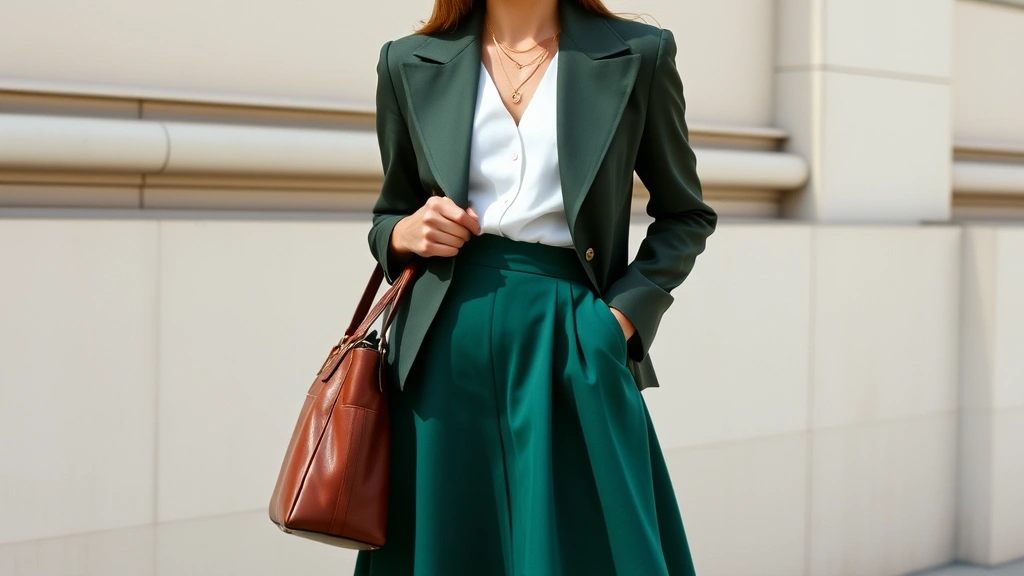
The dominant silhouettes of 2006 reflected a transition away from the super-low-rise jeans that had ruled the early 2000s. While denim remained central to casual wardrobes, styles began shifting toward mid-rise and even high-rise options, particularly among fashion-forward consumers influenced by vintage and designer collections. The types of fashion styles that emerged in 2006 included structured blazers with exaggerated shoulders, a nod to 1980s power dressing, and flowing, bohemian-inspired pieces that offered comfort and sophistication simultaneously.
A-line skirts experienced a major resurgence, particularly in midi and knee-length variations, offering a fresh alternative to the mini skirts that had dominated previous seasons. Cropped tops paired with high-waisted bottoms created elongated silhouettes that flattered diverse body types. Layering became an art form, with thin tank tops worn beneath sheer blouses, cardigans draped over dresses, and strategic use of translucent fabrics creating visual interest and depth. The corset-inspired dress emerged as a red-carpet favorite, celebrating feminine curves while maintaining an air of sophistication.
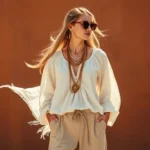
Skinny jeans, though not yet mainstream, were beginning to appear on fashion runways and in select boutiques, hinting at the silhouette revolution that would sweep the late 2000s. Wide-leg trousers remained popular for professional and formal settings, offering a stark contrast to increasingly slim-fitting casual wear. Wrap dresses and belted styles emphasized the waistline, reflecting a return to defined, hourglass-inspired proportions. The different fashion styles of this period showcased remarkable diversity, with preppy, bohemian, punk, and minimalist aesthetics coexisting and influencing one another.
Color Palettes and Fabric Innovations
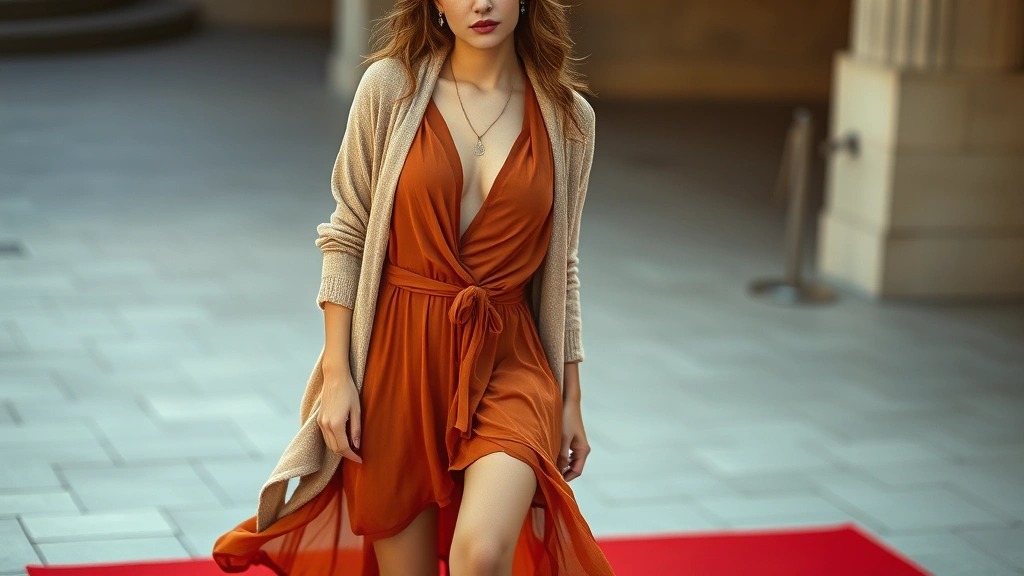
2006 embraced a surprisingly diverse color spectrum, moving beyond the monochromatic blacks and neutrals that had characterized minimalist fashion. Jewel tones—emerald, sapphire, and rich purple—dominated evening wear and became increasingly visible in daytime pieces. Earthy tones like rust, mustard, and burnt orange reflected bohemian influences, while metallics, particularly gold and bronze, added glamour to casual and formal ensembles. Pastels experienced a subtle resurgence, especially in spring collections, though they remained secondary to bolder, more saturated hues.
The year saw continued experimentation with unconventional fabric combinations. Silk charmeuse appeared in unexpected contexts, paired with denim or leather for textural contrast. Lace moved beyond delicate, romantic applications to bold, statement-making pieces that celebrated the fabric’s decorative potential. Sequins and beading adorned everything from tank tops to evening gowns, reflecting the era’s embrace of embellishment and visual drama. Denim experienced innovation with distressing techniques becoming more sophisticated, and darker washes gaining popularity among style-conscious consumers.
Synthetic fabrics and technical textiles gained prominence as designers explored sustainable alternatives and innovative performance materials. Polyester experienced a renaissance, no longer viewed as cheap or inferior but rather as a versatile fabric capable of creating desirable drape and sheen. Cashmere and other luxury fibers remained aspirational, but blended fabrics offered accessible alternatives. Transparency became a design tool, with sheer panels, mesh inserts, and see-through fabrics creating sensual, modern silhouettes that balanced modesty with allure.
Accessories and Footwear Essentials
Accessories in 2006 were bold, oversized, and impossible to ignore. Large handbags dominated, with structured totes and slouchy hobo bags becoming status symbols. The fashion style of the era demanded statement bags that served as focal points of outfits. Vintage and designer bags were coveted, with certain styles becoming so sought-after that counterfeit markets flourished. Structured leather bags with prominent hardware competed with soft, fabric-based designs, offering options for every aesthetic preference.
Footwear reflected the year’s eclectic nature. Ballet flats, popularized by celebrities and fashion influencers, provided comfortable alternatives to the stilettos that had dominated previous seasons. Pointy-toed flats became ubiquitous, appearing in every color and material imaginable. Gladiator sandals emerged as a trend, offering bohemian flair and practical summer styling. Oversized sneakers and athletic-inspired footwear began gaining fashion credibility, particularly among younger consumers and trend-setters. Boots remained essential, with knee-high, over-the-knee, and ankle-height styles all maintaining relevance.
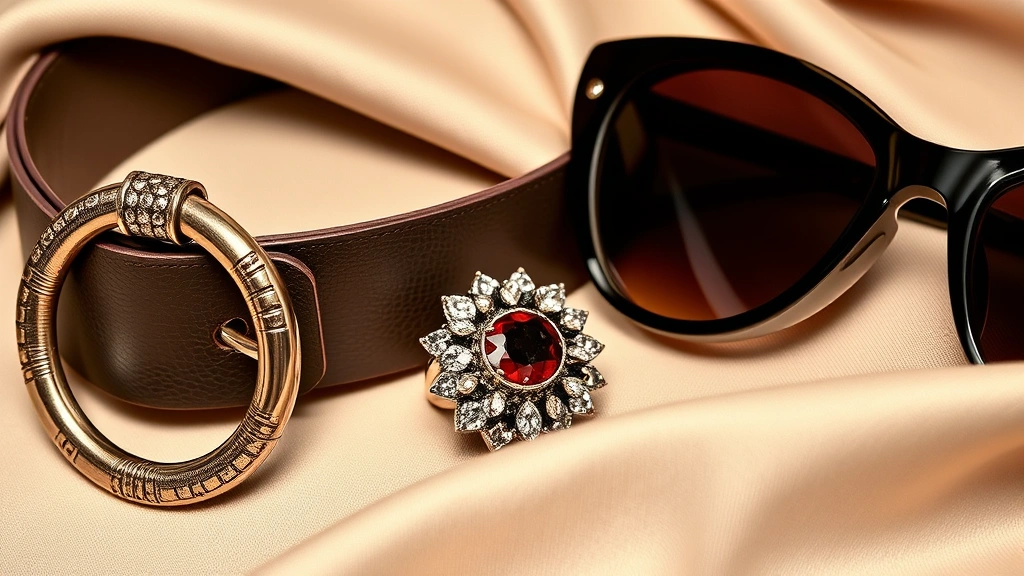
Jewelry trends leaned toward statement pieces: chunky bracelets, large hoop earrings, and cocktail rings adorned hands and ears. Layered necklaces created visual interest, while pendant necklaces with religious or symbolic imagery reflected spiritual and cultural interests. Belts became critical styling tools, with wide leather belts cinching waists and thin belts adding definition to dresses and tops. Sunglasses evolved from sporty wraparound styles to oversized, cat-eye, and vintage-inspired frames that offered both protection and personality.
Celebrity Influence on Mainstream Style
Paris Hilton’s influence on 2006 fashion cannot be overstated. Her embrace of hot pink, rhinestones, tiny dogs, and ultra-feminine aesthetics created a cultural phenomenon that transcended fashion into broader pop culture. However, this very excess also sparked a counter-movement among fashion critics and style-conscious consumers who sought more sophisticated, understated approaches to dressing. Kate Moss represented this alternative, embodying effortless, minimalist cool that influenced high fashion and aspirational style communities.
Angelina Jolie’s red-carpet appearances established her as a style icon, with her preference for elegant, draped gowns and neutral palettes influencing formal wear trends. Jennifer Aniston’s casual-chic aesthetic—featuring well-fitting jeans, simple tops, and accessible luxury—resonated with mainstream audiences seeking wearable style guidance. Male celebrities like Johnny Depp and Orlando Bloom inspired bohemian and rock-influenced fashion among both men and women, demonstrating how gender-fluid styling was beginning to influence mainstream fashion consciousness.
The celebrity-fashion relationship intensified in 2006 as paparazzi culture exploded and fashion magazines devoted increasing coverage to street style and red-carpet appearances. Websites and blogs began documenting celebrity outfits, creating instant trend cycles that moved faster than traditional fashion seasons. This acceleration of trend dissemination meant that 2006 fashion became increasingly democratized, with high-street retailers quickly copying runway looks and celebrity-inspired pieces.
Notable Designer Collections and Runway Moments
2006 witnessed remarkable creativity from established and emerging designers. Vogue documented landmark collections that would influence fashion for years to come. Marc Jacobs continued pushing boundaries with innovative silhouettes and unexpected fabric combinations that challenged conventional notions of luxury. Alexander McQueen’s collections showcased dramatic, theatrical approaches to design, with intricate tailoring and provocative themes. Stella McCartney advanced sustainable fashion conversations while maintaining uncompromising style standards.
The fashion spot highlighted emerging talents like Christopher Kane and Gareth Pugh, whose avant-garde approaches offered fresh perspectives on contemporary design. Vintage and heritage brands experienced renewed interest as fashion consumers sought authenticity and craftsmanship. Japanese designers continued influencing global fashion with their innovative approaches to proportion, fabric manipulation, and conceptual design. Italian luxury houses maintained their status as arbiters of elegance, while French fashion preserved its position as the global standard for sophistication.
Ready-to-wear collections became increasingly important as luxury brands expanded beyond exclusive couture offerings. The democratization of designer fashion through lower-priced diffusion lines and collaborations with accessible brands meant that 2006 fashion became more inclusive, allowing broader audiences to access trend-forward pieces. Runway shows evolved into multimedia spectacles, with venues, music, and production design becoming integral to how collections were presented and perceived.
Lasting Impact on Modern Fashion and Personal Style Development
Understanding 2006 fashion trends provides essential context for contemporary style evolution. Many elements that emerged or resurfaced in 2006 continue influencing modern fashion. The appreciation for quality accessories, the embrace of bold colors, and the acceptance of mixing high and low fashion all originated or gained prominence during this period. The complete fashion history timeline demonstrates how 2006 represented a crucial transition point between early 2000s excess and the refined aesthetics that followed.
Silhouettes that emerged in 2006, particularly the shift toward more defined waistlines and away from ultra-low-rise jeans, established foundations for contemporary denim trends. The bohemian influences that gained traction in 2006 experienced a major resurgence during the 2010s, with vintage-inspired pieces and earth-tone palettes becoming mainstream. The acceptance of androgynous styling and gender-fluid fashion, which began gaining visibility in 2006, has become increasingly central to contemporary fashion discourse.
The acceleration of trend cycles that began in 2006, driven by celebrity culture and emerging digital platforms, fundamentally changed how fashion operates. Modern fashion’s rapid trend rotation, the importance of street style and social media documentation, and the democratization of trend-setting all trace roots to 2006’s transformative moment. The year established that fashion could be simultaneously inclusive and exclusive, accessible and aspirational, traditional and innovative.
For those seeking fashion articles and trends analysis, examining 2006 provides valuable historical perspective. The year’s style choices weren’t simply reactions to previous decades but rather deliberate explorations of new possibilities. Contemporary fashion continues referencing 2006 aesthetics, with designers regularly mining the period for inspiration. Vintage 2006 pieces have become collectible, with certain items commanding premium prices in resale markets.
FAQ
What were the biggest 2006 fashion trends?
The biggest trends included A-line skirts, structured blazers, jewel-tone colors, oversized handbags, ballet flats, and bohemian-inspired pieces. Layering became an essential styling technique, while mid-rise and high-rise jeans began replacing ultra-low-rise styles. Statement accessories, particularly large bags and bold jewelry, dominated both casual and formal wear.
How did celebrity culture influence 2006 fashion?
Celebrities became primary trend-setters, with Paris Hilton, Kate Moss, and Angelina Jolie establishing distinct aesthetic approaches that influenced millions. Paparazzi culture and fashion media coverage intensified the celebrity-fashion relationship, creating instant trend cycles. Street style documentation and magazine coverage of celebrity appearances became powerful drivers of mainstream fashion choices.
Which designers were most influential in 2006?
Marc Jacobs, Alexander McQueen, and Stella McCartney represented established design excellence. Emerging talents like Christopher Kane and Gareth Pugh offered fresh perspectives. Japanese designers continued influencing global fashion, while Italian and French luxury houses maintained their positions as style leaders.
Are 2006 fashion trends still relevant today?
Absolutely. Many 2006 trends have experienced resurgence, including bohemian aesthetics, defined waistlines, and quality accessories. The period’s approach to mixing high and low fashion, embracing bold colors, and celebrating diverse style aesthetics continues influencing contemporary design. Vintage 2006 pieces are increasingly sought-after by fashion consumers.
How did 2006 fashion differ from previous years?
2006 represented a transition from early 2000s excess toward more refined aesthetics. The year saw movement away from ultra-low-rise jeans, increased appreciation for quality over quantity, and growing acceptance of bohemian and vintage-inspired pieces. The acceleration of trend cycles and the influence of emerging digital platforms began reshaping how fashion operates globally.