2003 Fashion Comeback: Designer Insights and Timeless Trends Making Their Return
The fashion world operates in cyclical patterns, and 2003 remains one of the most fascinating eras to revisit. What began as a bold experimental decade is now experiencing a remarkable resurgence, with contemporary designers drawing inspiration from the audacious silhouettes, color palettes, and attitudes that defined the early 2000s. This comeback isn’t merely nostalgic—it represents a sophisticated reinterpretation of early 2000s aesthetics through a modern lens, blending the rebellious spirit of that era with contemporary sustainability and inclusivity standards.
Today’s fashion landscape increasingly celebrates the return of 2003 fashion elements, from low-rise denim to oversized blazers, mini skirts, and statement accessories. Luxury houses and emerging designers alike are mining this period for inspiration, recognizing that the bold self-expression and experimental nature of 2003 fashion resonates powerfully with Gen Z and millennial consumers seeking authenticity and individuality. Understanding this comeback requires examining what made 2003 fashion distinctive, which designers are leading the charge, and how these elements are being reimagined for contemporary wardrobes.
The Cultural Context of 2003 Fashion
To understand why 2003 fashion is making such a compelling comeback, we must first examine the cultural moment that shaped it. Early 2000s fashion wasn’t constrained by the minimalism of the 1990s or the maximalism that would later define the 2010s. Instead, it occupied a unique space—a moment of optimistic experimentation where fashion rules were meant to be broken. The early 2000s represented a time when Paris Hilton’s velour tracksuits, Christina Aguilera’s low-rise cargo pants, and Britney Spears’ rhinestone-encrusted everything captured the zeitgeist.
This era emerged from the post-9/11 cultural landscape where escapism and glamour became increasingly appealing. Fashion became more playful, more daring, and less concerned with adhering to traditional codes of elegance. Designers embraced logomania, conspicuous consumption, and bold color combinations that would seem outrageous by 2010s standards. Yet today, as consumers increasingly reject the muted color palettes and quiet luxury trends that dominated recent years, the exuberance of 2003 fashion offers refreshing alternative inspiration.
Understanding fashion history timelines helps contextualize how 2003 fashion fits into broader style evolution. The early 2000s represented a distinct chapter, influenced heavily by celebrity culture, music videos, and emerging digital media. This period also coincided with the rise of luxury brands becoming accessible through diffusion lines, democratizing high fashion in unprecedented ways.
Contemporary designers recognize that 2003 fashion embodied an important principle: fashion should be fun. This philosophy stands in stark contrast to the anxiety-driven trend cycles of recent years, making the 2003 comeback feel not just nostalgic but genuinely liberating to many fashion enthusiasts.
Key Silhouettes and Pieces Defining the Era
Several silhouettes and garment types define 2003 fashion and are now experiencing renewed prominence. The most iconic element remains low-rise jeans—a controversial style that dominated the early 2000s and sparked heated debates about appropriateness. These jeans typically sat 1-2 inches below the hip bone, often paired with visible thong underwear or decorative belt chains. Today’s designers are bringing back low-rise silhouettes with a more refined approach, offering versions that sit slightly higher than their 2003 predecessors while maintaining the aesthetic appeal.
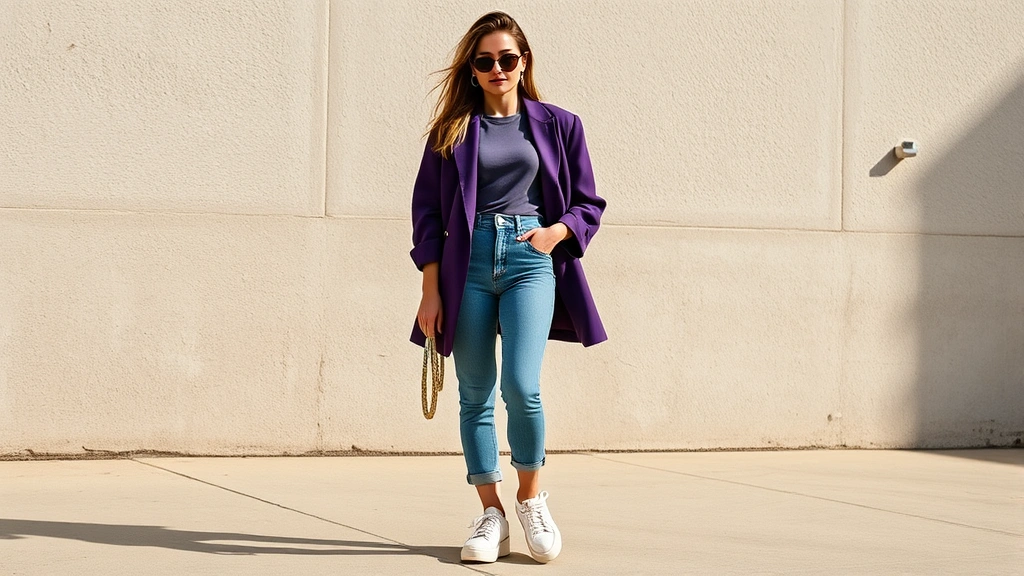
Beyond denim, 2003 fashion featured several other defining pieces. Oversized blazers in unexpected colors and fabrics became wardrobe staples, often paired with minimalist tanks or graphic tees. Cargo pants with numerous pockets and utilitarian details offered a counterpoint to the body-conscious silhouettes also popular during this period. Mini skirts, whether in denim, leather, or delicate fabrics, appeared everywhere from runways to street style. These pieces created a distinctive visual language that contemporary fashion is actively reclaiming.
Understanding different fashion types helps contextualize how 2003 pieces fit into broader categories. The era blended casual wear with aspirational luxury, high fashion with streetwear, and feminine silhouettes with masculine-influenced pieces. This eclecticism created the distinctive visual language that made 2003 fashion instantly recognizable and now deeply appealing to fashion-forward consumers seeking complexity in their personal style choices.
Tracksuits—particularly velour versions in jewel tones—became synonymous with early 2000s luxury leisure wear. These coordinated sets represented the pinnacle of casual luxury and have been reinterpreted by contemporary designers including Juicy Couture, which relaunched its iconic velour tracksuit line to enthusiastic consumer response. The tracksuit comeback demonstrates how 2003 fashion elements can be modernized while retaining their essential character and appeal.
Designer Perspectives on the Revival
Leading fashion designers and industry experts have offered compelling insights into why 2003 fashion deserves reconsideration. Vogue has extensively covered the early 2000s revival, featuring editorials that reimagine iconic looks through contemporary design sensibilities. Fashion historians and designers emphasize that the 2003 comeback isn’t about direct replication but rather intelligent reinterpretation.
Luxury designers including Marc Jacobs, who was actively designing during 2003, have explicitly referenced that era in recent collections. Contemporary collections from houses like Balenciaga and Gucci incorporate low-rise silhouettes, bold logomania, and playful excess that echo 2003 fashion sensibilities. These designers recognize that the early 2000s represented a moment when fashion rejected self-seriousness in favor of personality-driven dressing.
Industry experts from Fashionista and other trend forecasting publications have identified the 2003 comeback as part of broader cyclical fashion patterns. Every 20-30 years, fashion revives previous eras with fresh perspectives. The 2003 revival benefits from modern design techniques, sustainable material innovations, and inclusive sizing that simply didn’t exist during the original era. This allows designers to honor 2003 fashion while improving upon its limitations.
Many contemporary designers emphasize that 2003 fashion represented fearless self-expression. In an era increasingly dominated by algorithm-driven aesthetics and social media homogenization, the chaotic exuberance of early 2000s style offers genuine rebellion. This perspective attracts both established luxury houses and emerging independent designers who see 2003 fashion as offering creative liberation.
Incorporating 2003 Trends Into Modern Wardrobes
Successfully integrating 2003 fashion elements into contemporary wardrobes requires strategic curation and understanding of modern style principles. The key involves selecting specific elements rather than attempting complete period recreation. Start by exploring how to find your personal style and determining which 2003 elements genuinely resonate with your aesthetic preferences.
For those interested in incorporating low-rise elements, contemporary versions offer improved proportions and fabric quality compared to original 2003 examples. Pair updated low-rise jeans with fitted tops or oversized blazers to create balanced silhouettes. The key involves avoiding exact 2003 replication in favor of modern interpretations that feel authentic to current fashion sensibilities.
Oversized blazers from 2003 fashion can be styled numerous ways in contemporary wardrobes. Layer them over slip dresses for sophisticated elegance, wear them with tailored trousers for professional settings, or pair them with cargo pants for casual-cool aesthetics. The oversized blazer’s versatility explains its enduring appeal and presence in both vintage and contemporary designer collections.
Cargo pants represent another accessible entry point for 2003 fashion enthusiasts. Modern versions feature refined proportions and premium fabrics while maintaining the utilitarian pocket details that define the silhouette. Pair them with fitted tops, oversized shirts, or crop tops to create visually interesting proportional balance. The cargo pant’s functionality combined with its distinctive aesthetic makes it particularly appealing for contemporary consumers seeking practical style.
Exploring different fashion styles helps identify which 2003 elements align with your personal aesthetic. Some consumers gravitate toward the feminine-focused elements including mini skirts and fitted silhouettes, while others prefer the utilitarian masculine-influenced pieces. Understanding your style preferences ensures that 2003 fashion elements enhance rather than feel forced in your wardrobe.
The Sustainability Angle of Vintage Revival
The 2003 fashion comeback carries significant sustainability implications that distinguish it from purely nostalgic trend cycles. As consumers increasingly prioritize environmental responsibility, vintage and second-hand shopping has become not just acceptable but desirable. The abundance of authentic 2003 pieces available through vintage retailers, online platforms, and thrift stores offers sustainable alternatives to purchasing new reproductions.
Sustainable fashion experts recognize that reviving existing 2003 pieces represents the ultimate circular economy practice. Rather than manufacturing new garments, consumers can source original items from that era, extending their lifecycle and reducing environmental impact. This sustainability angle particularly appeals to younger consumers who prioritize ethical consumption alongside aesthetic preferences.
Contemporary designers creating new pieces inspired by 2003 fashion increasingly utilize sustainable materials including organic cotton, recycled polyester, and innovative lab-grown fabrics. This represents a significant improvement over original 2003 manufacturing practices, which largely ignored environmental considerations. The 2003 fashion comeback thus becomes an opportunity to celebrate beloved aesthetic elements while implementing modern sustainability standards.
Luxury vintage retailers have reported significant increases in demand for authentic 2003 pieces, with items like vintage Juicy Couture tracksuits, early 2000s Balenciaga bags, and original low-rise denim commanding premium prices. This market demonstrates that consumers value the authenticity and craftsmanship of original pieces while also appreciating the sustainability benefits of purchasing pre-owned items rather than contributing to new production demands.
Accessories That Defined 2003
Accessories played crucial roles in defining 2003 fashion and remain essential elements in contemporary revivals. Oversized sunglasses—particularly square and rectangular frames in colored lenses—became iconic status symbols. These sunglasses appeared in nearly every early 2000s street style photograph and continue to influence contemporary eyewear design. Modern versions offer improved UV protection and lens technology while maintaining the distinctive oversized proportions that made 2003 sunglasses instantly recognizable.
Belt chains, rhinestone-encrusted belts, and decorative waistband accessories represented quintessential 2003 fashion details. These elements added glamorous excess to even simple outfits and demonstrated the era’s comfort with conspicuous ornamentation. Contemporary designers including Alexander McQueen have incorporated similar elements in recent collections, recognizing that decorative excess carries contemporary appeal when executed with design sophistication.
Handbags from 2003 fashion featured distinctive characteristics including oversized proportions, prominent logos, and unusual materials. The “It bag” concept—where specific bags became status symbols—originated during this era. Contemporary revivals include updated versions of iconic bags like the Balenciaga City bag and Fendi Baguette, both of which originated in the early 2000s and continue to appear in modern collections.
Footwear choices from 2003 included strappy sandals, Ugg boots, sneakers with decorative elements, and pointed-toe flats. These diverse options reflected the era’s eclectic approach to styling. Modern interpretations maintain the distinctive silhouettes while incorporating contemporary comfort technology and sustainable materials. The return of certain footwear styles including chunky sneakers and strappy sandals demonstrates how specific 2003 fashion elements achieve broad contemporary appeal.
Hair accessories including butterfly clips, rhinestone-studded headbands, and decorative barrettes represented important 2003 fashion elements. These accessories appear increasingly in contemporary fashion editorials and street style photography, suggesting that beauty and grooming choices from this era are experiencing genuine revival alongside clothing pieces.
Color Palettes and Fabric Choices
The color palette of 2003 fashion distinguished it from other eras through bold, often clashing combinations and jewel tones. Hot pink, lime green, baby blue, and peachy tones appeared simultaneously in single outfits, creating visually dynamic and unapologetic aesthetic statements. This approach to color contrasts sharply with the muted, neutral palettes that dominated recent years, making 2003 fashion’s chromatic boldness particularly appealing to trend-conscious consumers seeking color-forward alternatives.
Velvet, velour, and plush fabrics defined the luxurious tactile quality of 2003 fashion. These materials conveyed both softness and subtle glamour, appearing in tracksuits, dresses, and accessories. Contemporary designers continue utilizing these fabrics, recognizing their distinctive aesthetic and tactile appeal. Modern versions often feature improved care instructions and sustainability credentials compared to original 2003 pieces.
Denim represented the foundational fabric of 2003 fashion, with distressing, embroidery, and decorative details transforming simple jeans into statement pieces. Bedazzled jeans, jeans with embroidered designs, and jeans featuring unique washes created visual interest through fabric manipulation. Contemporary designers including Diesel have reintroduced similar decorative denim approaches, recognizing that embellished denim offers accessible luxury and personality-driven fashion statements.
Metallic fabrics, holographic materials, and shimmery finishes created the glamorous aesthetic that characterized 2003 fashion. These materials appeared in evening wear, casual pieces, and accessories, contributing to the era’s overall visual brightness and optimism. Modern sustainable alternatives including recycled polyester with metallic finishes allow contemporary designers to achieve similar visual effects with reduced environmental impact.
Transparency and sheer fabrics represented another defining characteristic, with mesh panels, see-through materials, and strategic cutouts appearing frequently. These elements created sensual, body-conscious aesthetics that celebrated femininity in specific ways. Contemporary interpretations often feature improved engineering and styling that provides comfort and confidence alongside the aesthetic boldness that made 2003 fashion distinctive.
Reviewing comprehensive fashion style guides helps understand how color and fabric choices contribute to cohesive personal style development. The 2003 fashion comeback demonstrates how specific color palettes and fabric choices create distinctive visual signatures that communicate personality and style confidence.
FAQ
Is 2003 fashion appropriate for professional settings?
Absolutely. Contemporary interpretations of 2003 fashion elements including oversized blazers, tailored cargo pants, and refined low-rise silhouettes can absolutely work in professional environments. The key involves selecting pieces that maintain sophistication while incorporating early 2000s design elements. Oversized blazers paired with tailored trousers create polished professional aesthetics, while cargo pants in premium fabrics offer casual-professional versatility.
How can I incorporate 2003 fashion without looking like I’m wearing a costume?
Integration requires thoughtful curation and modern styling. Mix 2003 fashion elements with contemporary pieces to create balanced aesthetics. Pair a low-rise vintage denim piece with a modern fitted top, or combine an oversized 2003-inspired blazer with contemporary minimalist accessories. The goal involves celebrating specific design elements rather than attempting complete period recreation. This approach feels authentic and contemporary rather than costume-like.
Where can I find authentic 2003 fashion pieces?
Vintage retailers both online and physical, second-hand platforms including Depop and Vestiaire Collective, and thrift stores offer abundant authentic 2003 pieces. Luxury consignment sites specialize in designer items from this era. Additionally, contemporary designers including Juicy Couture, Balenciaga, and emerging independent designers create new pieces inspired by 2003 fashion aesthetics. Exploring fashion blogs and style resources provides styling inspiration for incorporating these pieces.
Are low-rise jeans flattering for all body types?
Low-rise jeans work beautifully for many body types when styled thoughtfully. The key involves selecting versions with appropriate proportions for your frame and pairing them with complementary tops. Contemporary low-rise versions often sit slightly higher than original 2003 pieces, creating more universally flattering proportions. Longer tops, oversized blazers, or layered styling can create balanced silhouettes with low-rise pieces regardless of body type.
How do sustainability concerns affect 2003 fashion revival?
Sustainability actually strengthens the 2003 fashion comeback by making vintage purchasing increasingly desirable. Shopping for authentic 2003 pieces represents the ultimate sustainable choice, extending garment lifecycles and reducing new production demands. Contemporary designers creating 2003-inspired pieces increasingly utilize sustainable materials and ethical production practices, improving upon the environmental impact of original manufacturing. This sustainability angle attracts consumers who value both aesthetic preferences and environmental responsibility.
Which 2003 fashion elements feel most current?
Oversized blazers, cargo pants, and updated low-rise silhouettes feel most contemporary when styled with modern pieces. These items offer versatility and can integrate seamlessly into current wardrobes. Accessories including oversized sunglasses and decorative belts also feel particularly current. The key involves selecting pieces that genuinely appeal to your personal style rather than forcing elements that feel uncomfortable or inauthentic.