How to Rock 1930s Men’s Fashion? Expert Insights
The 1930s represent one of the most sophisticated and refined eras in men’s fashion history. Despite economic hardship during the Great Depression, this decade witnessed the emergence of timeless style elements that continue to influence contemporary menswear. From tailored suits to distinctive accessories, 1930s fashion for guys embodied elegance, precision, and understated confidence that transcends generations.
Whether you’re drawn to vintage aesthetics, attending themed events, or simply seeking inspiration from classic menswear, understanding the nuances of 1930s style offers invaluable lessons in dressing with intention and sophistication. This era celebrated quality craftsmanship, proper fit, and attention to detail—principles that remain essential in modern fashion.
The Silhouette and Suit Structure
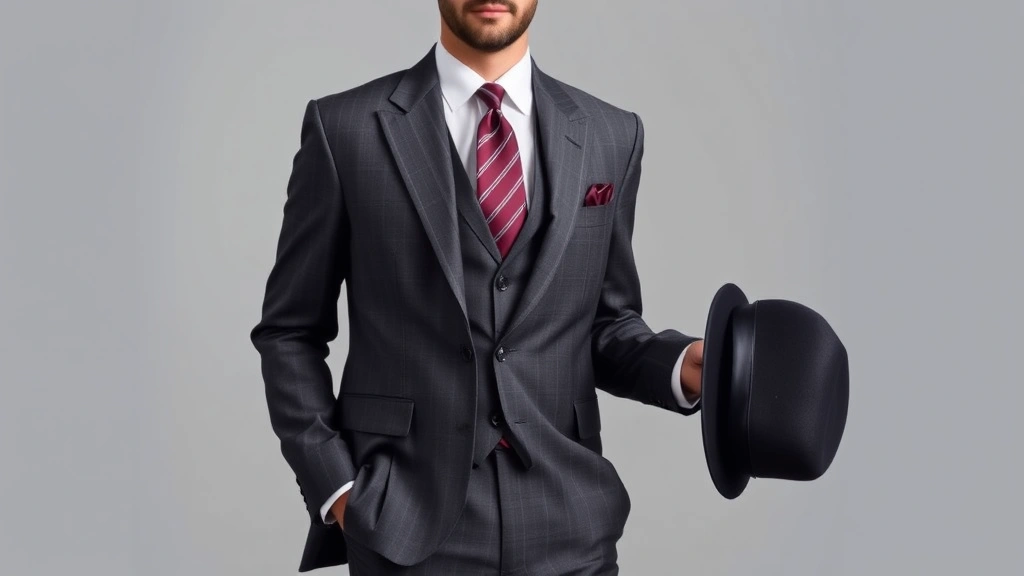
The 1930s suit represented the pinnacle of men’s tailoring, establishing silhouettes that define formal menswear today. The decade introduced a distinctive shape characterized by broader shoulders, a fitted waist, and a slightly longer jacket length than previous decades. This architectural approach to tailoring created an imposing yet elegant presence that commanded respect and admiration.
The suit jacket featured medium-width lapels, typically between 3.5 to 4 inches, with a subtle peak or notch depending on the formality level. The chest featured a natural construction rather than excessive padding, allowing the wearer’s physique to define the garment’s shape. Sleeve length extended to the wrist bone, revealing precisely one-half inch of shirt cuff—a proportion that became the golden standard for proper tailoring.
Trousers during this era showcased high waistbands, often sitting at or slightly above the natural waist. This elevated positioning created elegant proportions and elongated the leg line. The front featured two pleats on each side, providing functional comfort and visual interest. Trouser width tapered gradually toward the ankle, creating a refined silhouette without excessive taper. Cuffs, typically one-and-a-half to two inches deep, added weight and formality to the ensemble.
Understanding fashion style during this period reveals how tailoring principles influenced subsequent generations. The 1930s approach to suit construction emphasized proportion and balance rather than trend-driven exaggeration.
Essential Clothing Pieces
Beyond the foundational suit, 1930s menswear incorporated several essential pieces that created versatile and sophisticated wardrobes. Dress shirts formed the cornerstone of daytime and evening wear, featuring white or light blue cotton with various collar styles. The spread collar dominated formal occasions, while point collars offered versatility for business settings.
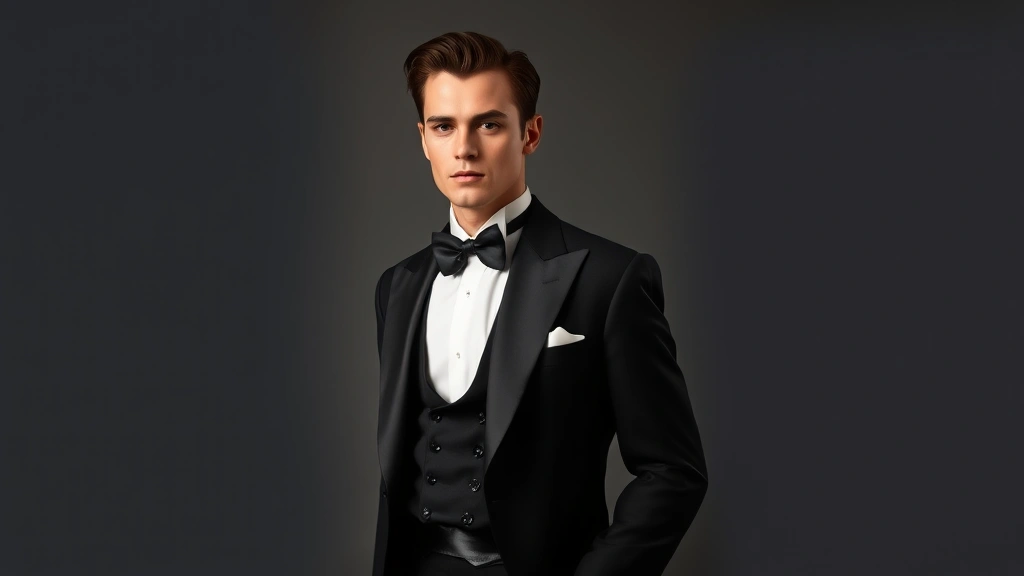
Waistcoats, or vests, served both functional and aesthetic purposes. These six or seven-button pieces featured lapels and pockets, worn under jacket jackets to create layered sophistication. Patterned waistcoats in subtle checks or stripes added visual interest without overwhelming the ensemble. The waistcoat’s visible lapels and buttons created intentional detail that showcased the wearer’s attention to style.
Knit sweaters and cardigans provided casual alternatives for weekend wear and relaxed social occasions. V-neck and crew-neck styles in neutral tones complemented trousers perfectly, offering comfortable sophistication. These pieces represented the emerging concept of smart-casual dressing, though the term itself wouldn’t exist for decades.
Overcoats and topcoats extended the silhouette downward, typically reaching mid-calf or slightly below the knee. Single-breasted designs with notch lapels dominated the era, though double-breasted styles appeared in formal contexts. These outerwear pieces featured the same tailoring precision as suits, with carefully constructed shoulders and fitted waists.
Exploring different fashion styles reveals how 1930s menswear created distinct categories for various occasions, from business to evening wear.
Sports coats and blazers offered casual alternatives to formal suits, typically constructed from tweed, herringbone, or subtle patterned fabrics. These pieces encouraged mixing and matching with different trousers, creating multiple outfit combinations from fewer garments—a practical approach during economically challenging times.
Fabrics and Colors
The 1930s celebrated natural fibers and quality construction, with wool dominating suit and outerwear production. Fine merino wool and worsted wool provided durability, breathability, and elegant drape. Tweed, a coarser wool fabric, appeared in sports coats and casual wear, offering texture and visual interest. Herringbone weaves and subtle checks created sophisticated patterns without appearing garish.
Cotton dominated shirt production, valued for its breathability and ability to achieve crisp, clean lines. Linen appeared occasionally in summer months, though wool remained the preferred fabric even during warmer seasons. The era didn’t embrace synthetic fabrics, which were still in early development stages and considered inferior to natural fibers.
Color palettes reflected both practical considerations and aesthetic preferences. Black, charcoal gray, and navy blue dominated formal and business wear, offering versatility and timeless appeal. Medium grays and brown tones appeared in less formal contexts. Pinstripes and subtle patterns provided visual interest while maintaining professional appearance. Burgundy, forest green, and deep burgundy accents appeared in ties, waistcoats, and accessories, adding personality without compromising sophistication.
Seasonal considerations influenced fabric choices, with heavier woolens appearing in winter months and lighter constructions during summer. The concept of year-round wardrobing remained less developed than contemporary fashion, requiring seasonal adjustments and storage considerations.
Understanding types of fashion from different eras reveals how material limitations and production capabilities shaped aesthetic choices.
Accessories and Details
Accessories elevated 1930s menswear from merely functional to genuinely sophisticated. Ties represented the primary color and pattern vehicle, featuring silk construction with intricate designs. Diagonal striping, polka dots, and geometric patterns appeared regularly, though solid colors maintained their place for formal occasions. Tie width typically measured between 3 and 3.5 inches, with length reaching the trouser waistband.
Pocket squares added intentional detail to jacket breasts, typically featuring contrasting colors or subtle patterns. These small accessories demonstrated attention to detail and personal style consciousness. Handkerchiefs served both practical and aesthetic functions, often matching ties or offering complementary color combinations.
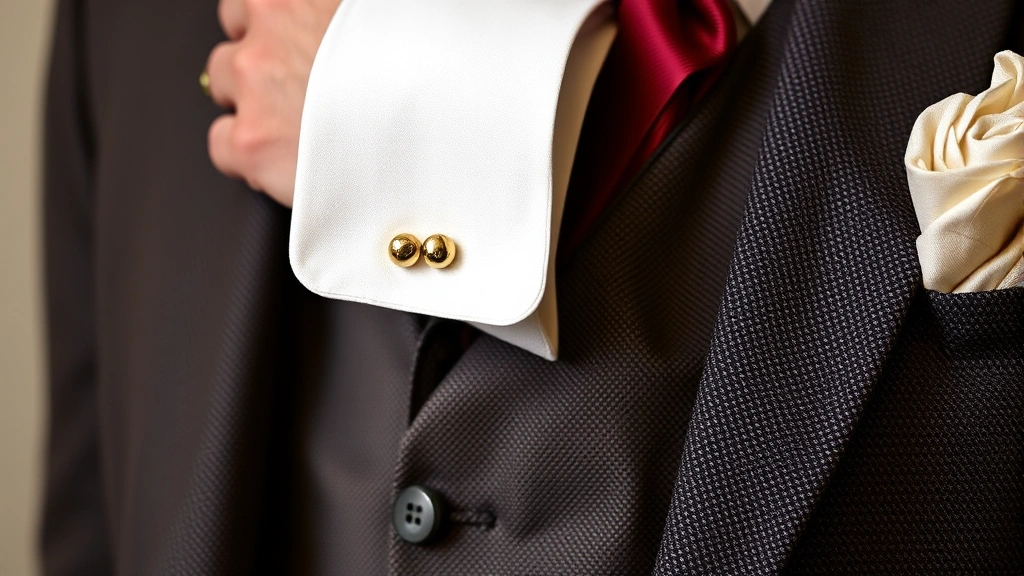
Cufflinks represented essential formal accessories, typically featuring precious metals with simple geometric designs or monogrammed initials. These functional elements transformed plain dress shirts into refined formal wear. Mother-of-pearl, enamel, and precious stone inlays offered subtle luxury without appearing ostentatious.
Braces, or suspenders, served functional purposes while adding visual interest to waistcoats and dress shirts. Leather-backed elastic with decorative fittings created both support and style. The visible braces signified intentional dressing rather than practical necessity.
Hats completed virtually every 1930s outfit, with fedoras, trilbys, and homburgs dominating menswear. These accessories established silhouettes and added vertical dimension to overall proportions. Felt construction in neutral tones complemented suits perfectly, while lighter straw options appeared seasonally. Hat wearing represented not merely fashion but social expectation and respect.
Belts featured simple leather construction in neutral tones, typically brown or black. Metal buckles remained understated and functional rather than decorative. The belt’s primary purpose remained practical support, though quality leather and careful craftsmanship elevated these functional pieces into style statements.
Footwear Essentials
Shoes represented critical components of 1930s menswear, with quality leather construction and careful styling establishing proper dressing standards. Oxford shoes dominated formal and business contexts, featuring closed lacing and sleek silhouettes. Polished leather in black or dark brown created professional appearance suitable for business environments and formal occasions.
Brogues offered subtle decoration through perforated detailing, providing visual interest without excessive ornamentation. Wingtip brogues, with characteristic pointed toe detailing, appeared in both formal and casual contexts. These shoes represented the era’s balance between refinement and personality.
Loafers and slip-on styles provided casual alternatives, though these styles remained less common than laced options. Penny loafers emerged during this period, becoming iconic representations of 1930s casual sophistication. Simple leather construction and functional design established these shoes as versatile wardrobe staples.
Spats, or gaiters, covered the ankle and lower leg, typically constructed from canvas or wool. These accessories appeared primarily in formal contexts, adding vertical line extension and creating finished silhouettes. Spats demonstrated careful attention to detail and formal dressing conventions.
Color coordination remained essential, with black shoes typically accompanying black suits and brown shoes pairing with gray or brown ensembles. Shoe polish maintained lustrous finishes, with regular maintenance representing essential grooming practices. Shoe care reflected personal discipline and respect for quality garments.
Grooming and Hairstyles
1930s menswear extended beyond clothing into comprehensive grooming practices. Hairstyles featured carefully sculpted waves and defined partings, achieved through pomade, brilliantine, or hair oil application. The slicked-back style dominated the era, with hair combed smoothly away from the face. Side partings created clean lines and professional appearance.
Facial hair practices shifted dramatically during the 1930s. While mustaches remained common earlier in the decade, clean-shaven faces increasingly dominated by the decade’s conclusion. The few men who maintained facial hair typically featured carefully trimmed mustaches rather than full beards. This clean aesthetic complemented tailored suits and formal grooming standards.
Eyebrows received careful grooming attention, with natural shapes maintained through regular trimming. The era emphasized natural grooming rather than excessive manipulation. Skin care routines included regular shaving with straight razors or safety razors, followed by aftershave application.
Nails received regular manicuring, with clean, short nails representing proper grooming standards. Hand care extended to regular moisturizing and attention to cuticles, reflecting the era’s comprehensive approach to personal presentation.
Fragrance represented essential grooming components, with colognes and aftershaves applied judiciously. Subtle scents complemented formal wear without overwhelming nearby individuals. The application of fragrance demonstrated refinement and attention to social conventions.
Building Your 1930s Wardrobe
Creating an authentic 1930s wardrobe requires intentional planning and quality investment. Begin with foundational pieces: one or two well-tailored suits in neutral colors. A charcoal gray suit and a navy blue suit provide versatile bases for multiple outfit combinations. Prioritize proper fit over quantity, ensuring jackets, trousers, and waistcoats create harmonious proportions.
Expand into dress shirts, selecting white and light blue cotton options with appropriate collar styles. Invest in quality construction and natural fibers, avoiding synthetic materials that contradict period authenticity. Include several dress shirts to enable regular rotation and laundering.
Add layering pieces including waistcoats with subtle patterns and knit sweaters in neutral tones. These pieces extend wardrobe versatility, creating distinct looks from foundation pieces. Select colors that complement your suits and personal coloring.
Shoes represent essential investments, with quality leather oxfords and brogues providing years of wear with proper maintenance. Include both black and brown options to coordinate with various suits. Prioritize comfort and proper fit, as ill-fitting shoes undermine otherwise refined ensembles.
Accessories complete wardrobes without excessive financial investment. Silk ties in various patterns and colors offer multiple styling options. Pocket squares, cufflinks, and braces add finishing touches demonstrating attention to detail.
Explore resources on how to find your personal style to develop 1930s aesthetics that align with your individual preferences and body type.
Modern Adaptations
Contemporary menswear increasingly draws inspiration from 1930s tailoring and silhouettes. Modern designers reinterpret classic proportions for current sensibilities, maintaining the era’s sophistication while accommodating contemporary lifestyles. The resurgence of tailored clothing and formal dressing reflects growing appreciation for 1930s principles.
Current fashion embraces fashion history timeline perspectives, recognizing how vintage aesthetics inform contemporary style. Designers reference 1930s construction techniques, proportions, and silhouettes when creating modern collections.
Adapting 1930s fashion for contemporary contexts requires thoughtful modification. Modern professional environments often embrace less formal dress codes, allowing 1930s-inspired pieces to appear in business-casual settings. Tailored trousers paired with simple sweaters create refined casual wear. Sports coats layer over contemporary t-shirts for approachable sophistication.
Vintage retailers and reproduction specialists offer authentic 1930s pieces and period-accurate reproductions. These sources enable curating complete looks without requiring extensive vintage shopping expertise. Many contemporary tailors specialize in reproducing 1930s silhouettes using modern construction techniques.
Mixing 1930s pieces with contemporary items creates balanced aesthetics respecting period authenticity while maintaining modern relevance. A vintage 1930s suit pairs beautifully with contemporary accessories and grooming styles. This hybrid approach enables enjoying 1930s fashion’s timeless appeal within contemporary contexts.
Understanding recent fashion trends and style insights reveals how designers continually reference vintage aesthetics, proving 1930s menswear’s enduring influence.
FAQ
What defines authentic 1930s men’s fashion?
Authentic 1930s menswear emphasizes tailored silhouettes, natural fiber fabrics, and refined accessories. Key characteristics include broader shoulders, fitted waists, high-waisted trousers with pleats, medium-width lapels, and careful attention to proportion and fit. Quality construction and attention to grooming complete the aesthetic.
How do I find properly fitting 1930s-inspired suits?
Modern tailors increasingly specialize in vintage silhouettes and construction techniques. Vintage retailers offer authentic pieces, though sizing may require alterations. Reproduction specialists create period-accurate suits using contemporary construction methods. Custom tailoring ensures proper fit and authentic proportions aligned with your body type.
Can I wear 1930s fashion in contemporary settings?
Absolutely. 1930s-inspired tailoring offers timeless sophistication applicable to formal events, business settings, and special occasions. Modern adaptations incorporate contemporary grooming and accessories, creating balanced looks respecting period aesthetics while maintaining current relevance. Mixing vintage pieces with contemporary items creates approachable vintage style.
What are essential 1930s accessories?
Essential accessories include silk ties in various patterns, pocket squares, cufflinks, braces, quality leather belts, and fedora hats. These pieces add finishing touches demonstrating attention to detail. Handkerchiefs, watch chains, and subtle jewelry complete authentic ensembles.
Where can I source 1930s fashion pieces?
Vintage retailers, online marketplaces specializing in vintage menswear, and specialized reproduction brands offer authentic 1930s pieces. Estate sales, antique shops, and vintage fairs provide unique finds. Contemporary tailors and custom menswear specialists create period-accurate reproductions. Research seller reputation and authenticity credentials before purchasing.
How important is hat wearing in 1930s fashion?
Hats represented essential components of complete 1930s looks, with fedoras and trilbys dominating menswear. While contemporary contexts don’t require hat wearing, including period-appropriate hats completes authentic aesthetics. Modern settings allow optional hat wearing, though including hats elevates overall presentations significantly.