
1890 Fashion Trends: Historian Insights Into the Gilded Age
The 1890s represent one of the most transformative decades in fashion history, a period when Victorian sensibilities collided with emerging modernism to create silhouettes and styles that still captivate designers today. This era, often called the Gay Nineties, witnessed unprecedented changes in how people dressed, from the controversial Gibson Girl aesthetic to the rise of the types of fashion that would define the twentieth century. Understanding 1890 fashion requires examining the social, technological, and cultural forces that shaped clothing during this fascinating period.
Fashion historians recognize the 1890s as a crucial turning point when the rigid corsetry of earlier Victorian eras began to evolve, even as the silhouette remained dramatically exaggerated. Women’s fashion during this decade featured the iconic hourglass figure achieved through engineering of fabric, boning, and construction techniques that pushed the boundaries of what the human body could endure. Men’s fashion, meanwhile, experienced subtle but significant refinements that established many conventions still observed in formal wear today. By exploring the nuances of 1890 fashion, we gain insight into how clothing reflects broader societal transformations and technological innovations.
Women’s Silhouettes and the Gibson Girl Phenomenon
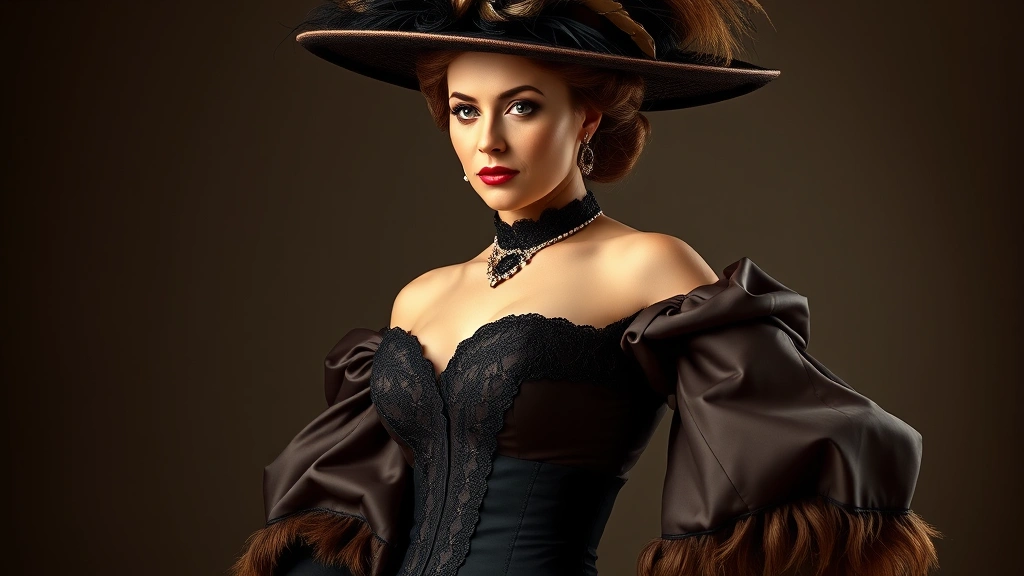
The most iconic image of 1890 fashion is undoubtedly the Gibson Girl, created by illustrator Charles Dana Gibson and popularized through his drawings in Life magazine. This idealized woman featured an impossibly small waist, full bust, and prominent hips—a silhouette achieved through rigorous corseting and architectural undergarments. The Gibson Girl represented the modern woman of the 1890s: athletic yet feminine, educated yet decorative, independent yet ultimately traditional. Her influence on different fashion styles of the era cannot be overstated, as women across America and Europe attempted to replicate this aesthetic through their clothing choices.
The decade saw the introduction of the S-bend corset, which created an exaggerated forward thrust of the bust and backward projection of the hips, producing that distinctive silhouette. Unlike earlier corsets that created a vertical line, the S-bend corset forced the body into an unnatural S-shape when viewed from the side. Fashion historians debate whether this represented progress or regression for women’s bodies, but what remains clear is that the 1890s woman was willing to undergo significant physical discomfort to achieve the fashionable silhouette. Skirts became increasingly voluminous, with leg-of-mutton sleeves dominating the early part of the decade before transitioning to more fitted styles as the century approached its end.
Waistlines during the 1890s reached some of the smallest measurements in fashion history, with some women achieving waists as narrow as 16 inches. This obsession with the diminished waist reflected changing attitudes about femininity and beauty, influenced by the complete fashion history timeline that shows cyclical returns to extreme silhouettes. The contrast between the corseted waist and the full bust and hips created a distinctive profile that defined an entire generation’s understanding of female beauty and fashion.
The Science of Corsetry and Construction
Understanding 1890 fashion requires appreciation for the engineering marvel that was the Victorian corset. These garments represented the pinnacle of construction technology available in the nineteenth century, combining multiple layers of fabric, bone, and steel to create structures that shaped the body into fashionable forms. The most common boning materials included whale baleen, which offered flexibility without sacrificing support, and steel, which provided maximum control but less comfort. Corset makers took pride in their craft, with renowned manufacturers like Thomson and Crompton creating garments that became status symbols among wealthy women.
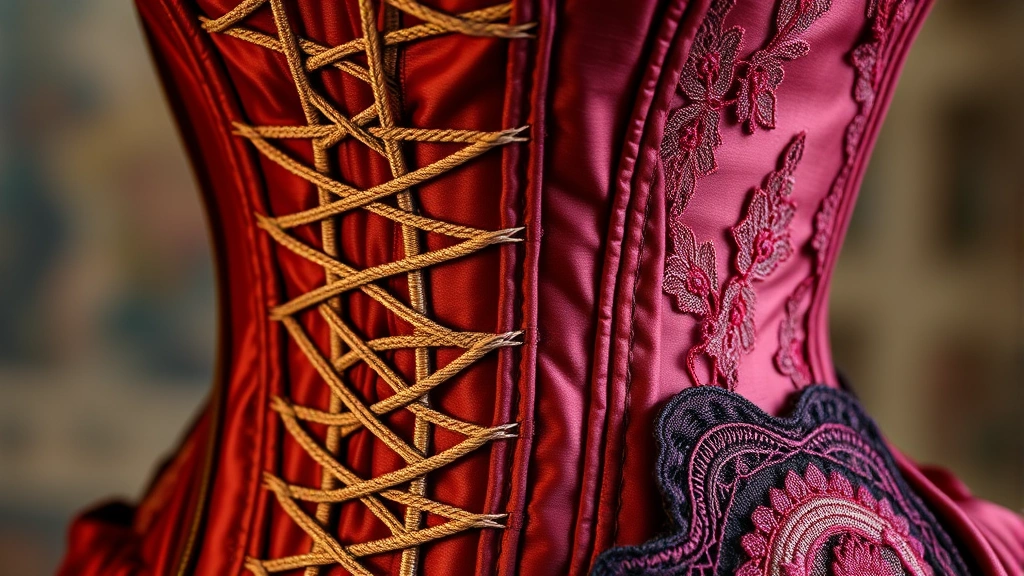
The construction of a quality 1890s corset involved dozens of seams, each carefully placed to distribute pressure evenly across the body. Makers used multiple layers of cotton, linen, and silk, with reinforcement at stress points where the most strain occurred. The front of the corset typically featured a wooden or steel busk—a long, flat piece inserted into a channel to maintain rigidity and prevent the corset from bending forward. Lacing at the back allowed for adjustment and customization, though many women wore their corsets laced so tightly that breathing and bending became genuine challenges. This commitment to fashion represented a significant investment of both money and physical endurance.
Corset advertisements of the 1890s made increasingly scientific claims about their products, suggesting that proper corseting actually improved women’s health and posture. Manufacturers employed medical language and doctor endorsements to market their wares, though modern analysis reveals that extremely tight lacing could cause significant physical problems including rib deformation, organ displacement, and digestive issues. Nevertheless, the 1890 fashion industry thrived on these products, with multiple factories across Europe and America producing thousands of corsets annually to meet demand from women seeking to achieve the fashionable silhouette.
Fabrics, Materials, and Textile Innovation
The 1890s witnessed remarkable advances in textile production that directly influenced fashion possibilities. The development of synthetic dyes allowed for richer colors and greater consistency in fabric production, enabling manufacturers to create the jewel-toned silks and satins that characterize the decade. Velvet became increasingly popular for trim and decoration, often combined with silk ribbon and lace to create elaborate surface patterns. The ability to produce fabrics with greater reliability meant that fashion designers could create more complex garments with confidence that materials would perform as expected.
Silk remained the fabric of choice for wealthy women, particularly for evening wear and formal occasions. The lustrous quality of silk complemented the silhouettes of the 1890s, with the fabric’s weight and drape helping to create the distinctive shapes achieved through corseting. Cotton and wool served practical purposes for day wear, with cotton particularly valued for summer garments and wool providing warmth for autumn and winter ensembles. Lace production experienced a renaissance during this period, with both machine-made and handmade lace adorning everything from evening gowns to undergarments and accessories.
The decade also saw increased experimentation with fabric combinations and textures. Designers layered different materials to create visual interest and depth, combining smooth silks with textured velvets, adding lace overlays to satin foundations, and incorporating beading and embroidery into garments. This approach to fabric selection and combination reflected both the technical capabilities of the era and the aesthetic preferences of 1890s fashion consumers who valued richness and elaboration. Understanding the style loom daily blog provides additional context for how textile innovations continue to influence contemporary fashion design.
Men’s Fashion and Formal Wear Evolution
While women’s fashion dominated the headlines and fashion magazines of the 1890s, men’s fashion experienced equally significant transformations, though often more subtly expressed. The 1890s established many conventions of men’s formal wear that persist into the present day, including the modern tuxedo and the standardization of business suit construction. Men’s fashion during this period emphasized tailoring precision and fit, with skilled tailors commanding substantial fees for their expertise in creating well-constructed garments that flattered the male form.
The lounge suit became increasingly acceptable for daytime wear during the 1890s, marking a significant departure from earlier Victorian formality that had required frock coats for any respectable public appearance. This shift reflected changing social attitudes and the modernization of business culture, where practicality began competing with strict adherence to tradition. Three-piece suits consisting of jacket, waistcoat, and trousers became the standard for professional men, with subtle variations in cut and fabric allowing for individual expression within acceptable boundaries. The quality of tailoring and the cost of materials remained important markers of social status and wealth, with well-dressed men investing significantly in their wardrobes.
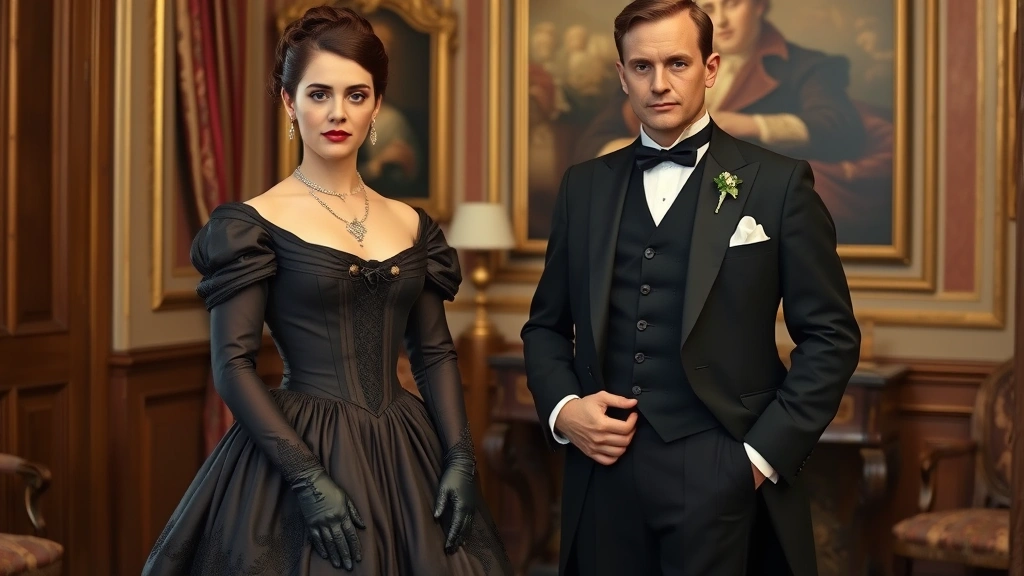
Evening wear for men during the 1890s featured the dinner jacket, which evolved into the modern tuxedo through refinements in cut and construction. While black remained the standard color for formal evening wear, some men experimented with deep colors like navy or burgundy for semi-formal occasions. The white dress shirt, starched to rigid perfection, served as the foundation for formal ensembles, paired with silk cravats or bow ties that displayed subtle variations in color and pattern. Men’s accessories, including pocket watches, walking sticks, and hats, became increasingly important elements of fashionable appearance, with how to find your personal style principles beginning to emerge as individualism gained acceptance in fashion circles.
Accessories and Decorative Details
The 1890s represented a golden age of fashion accessories, when every element of dress contributed to the overall fashionable appearance. Hats became increasingly elaborate, with women’s hats growing to enormous proportions adorned with feathers, birds, ribbons, and artificial flowers. These creations often measured two feet or more across, requiring special consideration when entering carriages or walking through doorways. The hat served not merely as protection from the elements but as a crucial statement of fashion sophistication and social status, with milliners commanding significant fees for their creative designs.
Gloves represented another essential accessory, with women wearing long gloves that extended past the elbow for formal occasions and shorter styles for everyday wear. These gloves came in various colors and materials including kid leather, cotton, and silk, often coordinated with specific outfits. Men’s gloves, typically in neutral colors like gray, brown, or black, served both practical and aesthetic purposes. Handbags and purses began their evolution from simple reticules to more structured designs, with beadwork and metal frames becoming increasingly common. Jewelry remained important for displaying wealth, with brooches, bracelets, and necklaces adorning fashionable women’s ensembles.
Shoes underwent significant changes during the 1890s, with the development of higher heels and more refined construction. Women’s shoes featured pointed toes and substantial heels, often decorated with ribbon bows or buckles. The bicycle craze that emerged during the 1890s created demand for more practical footwear and clothing, leading to innovations in sportswear that influenced mainstream fashion. Stockings, typically black or neutral colors, remained important elements of fashionable dress, visible when skirts lifted to reveal the ankle during walking or dancing. The attention to every detail, from the smallest stocking to the largest hat, reflected the comprehensive nature of 1890s fashion consciousness.
Social Class and Fashion Expression
Fashion during the 1890s served as perhaps the most visible marker of social class and economic status. The ability to purchase fashionable clothing, employ skilled seamstresses, and maintain an extensive wardrobe remained a privilege of the wealthy classes. Working-class women adapted fashionable silhouettes as best they could with more economical materials and construction methods, creating simplified versions of Gibson Girl aesthetics using cotton instead of silk and imitation instead of genuine lace. This democratization of fashion, enabled partly by advances in manufacturing, meant that fashion aspirations extended across social boundaries even when actual access to high-fashion garments remained limited.
The rise of department stores during the 1890s transformed fashion access and consumption patterns. Stores like Macy’s and Marshall Field’s offered ready-made clothing at prices accessible to middle-class consumers, though quality and fit remained inferior to custom-made garments. Mail-order catalogs extended fashion possibilities to rural and remote areas, allowing women without access to urban shopping to purchase fashionable clothing. This expansion of fashion availability created new industries and employment opportunities, with factories producing ready-made garments employing thousands of workers, many of them women and immigrants working in challenging conditions.
The fashion industry of the 1890s employed vast numbers of people in production, distribution, and retail roles. Seamstresses, dressmakers, tailors, milliners, and factory workers depended on the continued demand for fashionable clothing. The complexity of 1890s garments, with their multiple layers, elaborate construction, and detailed ornamentation, ensured that skilled labor remained essential and valued. Fashion magazines, which proliferated during the 1890s, created new career opportunities for writers, illustrators, and photographers who documented and promoted fashionable styles. The interconnection between fashion and broader economic systems became increasingly apparent as the industry’s influence expanded throughout society.
FAQ
What defined the most popular silhouette of 1890s women’s fashion?
The Gibson Girl silhouette dominated 1890s fashion, characterized by a dramatically cinched waist, full bust, and prominent hips. Achieved through S-bend corsets and voluminous skirts, this aesthetic represented the ideal of modern femininity during the decade. Waists were corseted to extreme proportions, sometimes measuring just 16-18 inches, creating the distinctive hourglass profile that defined the era.
How did fabric technology influence 1890 fashion trends?
Advances in synthetic dyes, silk production, and lace manufacturing enabled designers to create more complex and elaborate garments. The development of reliable color-fast dyes allowed for richer jewel tones, while improvements in textile machinery increased production capacity. These technological advances made fashionable clothing more accessible to broader populations and allowed designers greater creative freedom in material selection and combination.
What was the significance of the S-bend corset in 1890s fashion?
The S-bend corset represented the pinnacle of Victorian corset engineering, forcing the body into an exaggerated S-shape when viewed from the side. This construction created the forward-thrusting bust and backward-projecting hips characteristic of 1890s silhouettes. The S-bend corset became so associated with the era that it remains an iconic symbol of Victorian fashion excess and the extreme measures women undertook to achieve fashionable appearance.
How did men’s fashion change during the 1890s?
The 1890s saw the evolution of modern men’s formal wear, including the development of the modern tuxedo and the increasing acceptance of the lounge suit for daytime wear. Tailoring precision improved significantly, and the three-piece suit became standardized as business attire. These changes reflected modernizing social attitudes and the professionalization of business culture during the decade.
What role did social class play in 1890s fashion consumption?
Social class remained the primary determinant of fashion access and quality during the 1890s, though the rise of department stores and mail-order catalogs began democratizing fashion. Wealthy consumers wore custom-made garments from skilled dressmakers and tailors, while middle and working-class consumers purchased ready-made alternatives or adapted fashionable styles with more economical materials. Fashion served as a visible marker of economic status and social position throughout the decade.
How did the bicycle craze influence 1890s fashion?
The bicycle craze created demand for more practical clothing and footwear, leading to innovations in sportswear that influenced mainstream fashion. Women cyclists required garments that allowed greater freedom of movement, spurring the development of divided skirts and more practical ensembles. These innovations in functional fashion began challenging traditional silhouettes and eventually influenced the more relaxed fashions of the twentieth century.
External Resources:
- Vogue: History of Fashion
- Metropolitan Museum of Art: Fashion Collection
- Fashion Institute of Technology: Fashion History
- Britannica: Fashion History and Trends
- The Cut: Fashion News and Analysis
For deeper exploration of fashion history and personal style development, consider taking the fashion style quiz to understand your own fashion preferences and how they relate to historical traditions.

