Y2K Men’s Fashion Comeback: Expert Insights Into the Millennial Revival
The early 2000s called, and fashion is actually picking up the phone. Y2K men’s fashion—characterized by baggy silhouettes, bold graphics, and an unapologetic embrace of excess—has transitioned from nostalgic throwback to legitimate trend dominating runways and street style. What began as a whisper of nostalgia among Gen Z has evolved into a full-throated fashion movement, with luxury designers and high-street brands alike mining the archives of the millennium era for inspiration. The resurgence isn’t merely about recreating what was; it’s about reinterpreting Y2K aesthetics through a contemporary lens, blending vintage sensibilities with modern tailoring and sustainable practices.
Fashion cycles are predictable yet surprising—what was considered dated inevitably returns, but rarely in exactly the same form. The Y2K men’s fashion revival represents a fascinating intersection of generational nostalgia, social media influence, and the fashion industry’s perpetual search for fresh inspiration. Influencers, celebrities, and style icons have become ambassadors for this aesthetic, proving that baggy jeans, oversized hoodies, and statement accessories aren’t just relics of the past but viable components of contemporary wardrobes. Understanding this comeback requires examining its cultural roots, identifying key pieces that define the movement, and discovering how to incorporate these elements into your personal style without appearing costumey or dated.
Understanding Y2K Fashion DNA
Y2K men’s fashion emerged during a specific cultural moment—the turn of the millennium—when optimism about the future collided with technological advancement and pop culture excess. The aesthetic drew heavily from hip-hop culture, skate communities, and early internet subcultures, creating a visual language that celebrated individualism and rejected the minimalism of the 1990s. Oversized silhouettes dominated, logos became status symbols, and the bigger and bolder your statement, the better. This era prioritized comfort and self-expression over conventional tailoring, making it inherently democratic and accessible to anyone willing to embrace its maximalist philosophy.
The resurgence of different fashion styles throughout history reveals that Y2K’s return isn’t arbitrary—it follows the natural rhythm of fashion cycles. Every 20-30 years, trends recirculate as new generations discover them fresh. However, today’s Y2K revival benefits from hindsight; designers and consumers understand what worked, what didn’t, and how to refine the aesthetic for contemporary sensibilities. The movement acknowledges the era’s excesses while stripping away its worst offenses, creating a more refined, intentional version of early 2000s style. This thoughtful curation distinguishes modern Y2K fashion from mere costume or parody.
Understanding fashion style fundamentals helps contextualize why Y2K elements resonate today. The era’s emphasis on personal expression, comfort, and community aligns with contemporary values around authenticity and inclusivity. Gen Z and younger millennials, who didn’t experience the original trend firsthand, approach Y2K aesthetics with fresh eyes, untethered from the ironic distance their older counterparts might maintain. This generational perspective drives the trend’s authenticity—it’s not ironic revival but genuine appreciation for an aesthetic that feels new and exciting to those discovering it.
Key Pieces Defining the Trend
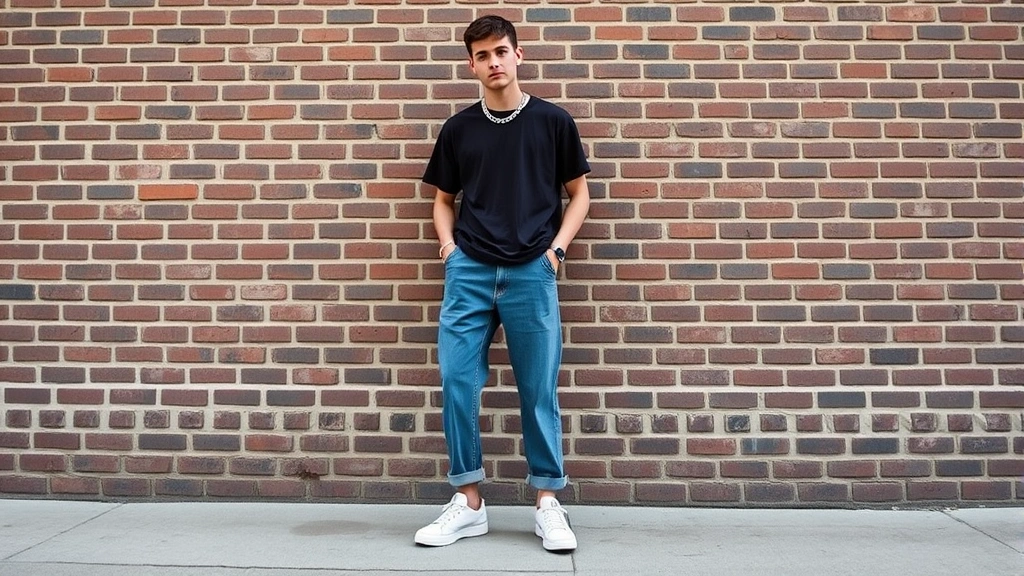
Several foundational pieces comprise the Y2K men’s fashion vocabulary. Baggy jeans represent the cornerstone—not the extreme silhouettes of the original era, but a more wearable wide-leg cut that maintains contemporary proportions while honoring the period’s spirit. These jeans typically feature a slightly higher rise, generous thigh room, and a straight or tapered ankle, creating a balanced silhouette that works with modern styling. Paired with fitted tops or oversized graphics, baggy jeans create intentional contrast rather than drowning the wearer in fabric.
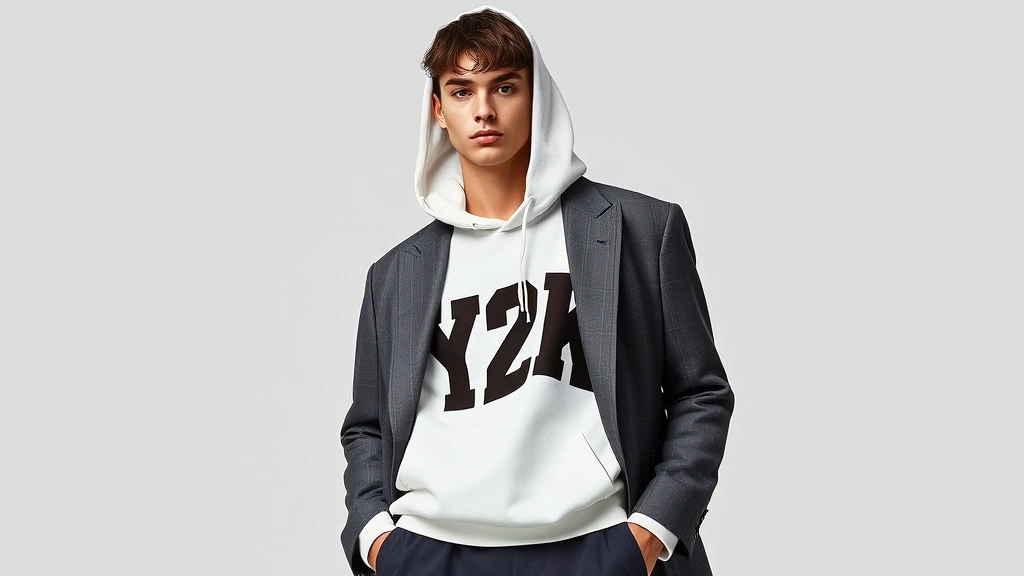
Oversized hoodies and graphic t-shirts form another essential category. These pieces often feature bold branding, sports references, or vintage-inspired artwork, channeling the era’s love of visible logos and statement graphics. Modern interpretations prioritize quality construction and thoughtful design over cheap nostalgia, with brands collaborating with artists to create graphics that feel contemporary rather than purely retro. The key distinction lies in execution—a well-designed oversized graphic tee reads as intentional style rather than lazy throwback.
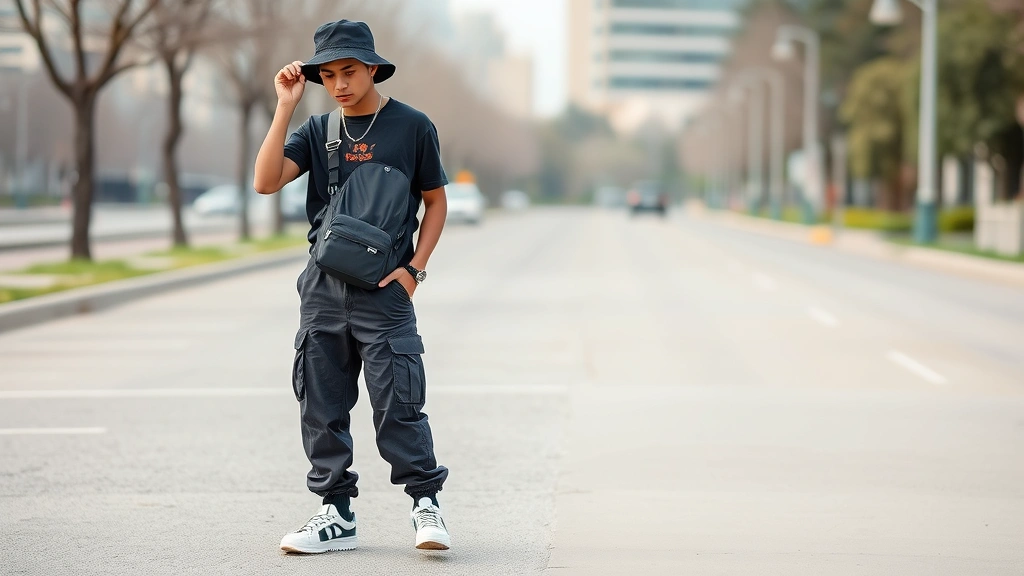
Accessories complete the Y2K aesthetic: chunky sneakers, often in bold colorways or mixed materials, anchor outfits with visual weight. Chain necklaces, both delicate and substantial, add metallic interest. Bucket hats and visors—yes, visors—have returned as ironic-yet-earnest accessories that define the trend’s playful attitude. Crossbody bags, particularly in technical fabrics or bold colors, provide functional style. Cargo pants and shorts, featuring multiple pockets and utilitarian details, offer alternative silhouettes to traditional denim. Understanding how these pieces interact creates cohesive Y2K styling rather than random vintage collection.
Modern Interpretation and Styling
The crucial distinction between costume and contemporary Y2K style lies in restraint and intentionality. Modern interpretations reject the “more is more” philosophy that defined the original era, instead applying strategic Y2K elements to otherwise current outfits. A baggy-jeans-and-oversized-tee combination might be balanced with minimal accessories and clean sneakers, creating visual harmony rather than chaos. This approach respects contemporary design principles while honoring Y2K aesthetics, proving that nostalgia and modernity aren’t mutually exclusive.
Layering plays a crucial role in modern Y2K styling. An oversized graphic tee worn under a contemporary blazer or technical jacket creates interesting tension between eras, suggesting that Y2K elements can integrate into diverse wardrobes. This strategy appeals to those hesitant about committing fully to the trend, allowing gradual incorporation of Y2K pieces into existing style frameworks. The beauty of this approach lies in its flexibility—you’re not abandoning your personal aesthetic but expanding it.
Color and proportion require careful consideration when adopting Y2K aesthetics. The original era embraced bold, sometimes clashing colors; contemporary styling typically limits palettes to 2-3 primary colors with strategic accent pieces. Proportion balance—pairing baggy bottoms with fitted tops or vice versa—creates sophisticated silhouettes that avoid the “dressed up in my dad’s closet” effect. This calculated approach to Y2K styling demonstrates respect for both the trend and your personal style evolution, as discussed in our guide to how to find your personal style.
Celebrity Influence and Street Style
Celebrity adoption has legitimized Y2K men’s fashion in mainstream consciousness. High-profile figures including Bad Bunny, Tyler, The Creator, and A$AP Rocky have championed the aesthetic, translating it into accessible inspiration for fashion-conscious consumers. These tastemakers don’t simply recreate early 2000s looks; they reinterpret them through personal style lenses, demonstrating how Y2K elements can coexist with contemporary fashion sensibilities. Their influence extends beyond individual outfits to broader cultural conversations about fashion cycles, nostalgia, and authenticity.
Street style photography from fashion weeks and urban centers reveals how Y2K elements have infiltrated everyday fashion. Attendees at Vogue-covered fashion events frequently incorporate baggy silhouettes, oversized graphics, and Y2K accessories into their looks, suggesting the trend’s legitimacy within fashion’s upper echelons. This trickle-down effect—where high fashion validates street style—accelerates mainstream adoption, making Y2K aesthetics increasingly visible in retail environments and social media feeds.
Social media platforms, particularly Instagram and TikTok, amplify Y2K fashion’s reach exponentially. Fashion influencers and stylists create content showcasing how to wear Y2K pieces, providing tutorials, outfit combinations, and styling tips that demystify the trend for general audiences. This democratization of fashion knowledge means anyone interested in Y2K aesthetics can access expert guidance, fostering a more informed and intentional approach to trend adoption than previous eras allowed. The conversation around Y2K style on social platforms remains remarkably positive, celebrating the trend’s inclusivity and accessibility.
Sustainability and Ethical Considerations
The Y2K fashion revival intersects meaningfully with sustainability conversations. As consumers increasingly question fast fashion’s environmental impact, vintage Y2K pieces offer an attractive alternative to new production. Thrifting for authentic early 2000s garments reduces waste while providing genuine articles imbued with period authenticity. This approach aligns with broader contemporary fashion ethics prioritizing circular economy principles and reduced consumption. The trend’s emphasis on vintage sourcing encourages consumers to explore secondhand markets, supporting sustainable fashion practices.
Contemporary brands capitalizing on Y2K nostalgia face pressure to maintain ethical standards while meeting demand. Responsible Y2K-inspired collections utilize sustainable materials, fair labor practices, and transparent supply chains. Distinguishing between brands genuinely committed to sustainability and those merely capitalizing on trend momentum requires consumer awareness. Researching brand practices, material sourcing, and manufacturing conditions ensures your Y2K fashion choices align with personal values regarding environmental and social responsibility.
The intersection of Y2K fashion and sustainability also encourages critical thinking about consumption patterns. Rather than purchasing new Y2K-inspired pieces constantly, thoughtful consumers build intentional capsule wardrobes combining vintage finds with selectively chosen contemporary pieces. This approach respects both the trend’s aesthetic and environmental imperatives, creating sustainable personal style rather than disposable trend-chasing. Exploring types of fashion through a sustainability lens reveals how different approaches to trend adoption carry distinct environmental implications.
Building Your Y2K Wardrobe
Constructing a Y2K-influenced wardrobe requires strategic planning rather than impulsive purchases. Begin by identifying which Y2K elements genuinely resonate with your personal aesthetic. Perhaps oversized hoodies appeal to you, but bucket hats feel inauthentic. Perhaps baggy jeans excite you while cargo pants don’t. This self-awareness prevents forced trend adoption and ensures your Y2K pieces integrate naturally into existing style frameworks. Consider your lifestyle, professional environment, and personal comfort level when selecting which elements to embrace.
Prioritize quality basics before investing in trend-specific pieces. A well-constructed oversized hoodie in neutral colors provides more versatility than a graphic tee with niche appeal. Neutral-colored baggy jeans work with countless outfits, while bold-patterned cargo pants require more careful styling consideration. Building from foundational pieces allows gradual trend integration, preventing your wardrobe from feeling suddenly Y2K-focused and potentially dated as the trend evolves. This foundational approach aligns with timeless style principles discussed in our comprehensive style loom daily blog resources.
Thrift strategically to find authentic Y2K pieces at accessible prices. Vintage Nautica jackets, early 2000s band tees, and period-appropriate denim offer genuine articles with built-in patina and authenticity. Thrifting also encourages sustainable consumption, reducing environmental impact while sourcing unique pieces unavailable in contemporary retail. When selecting vintage items, prioritize condition and quality—a well-maintained vintage piece outperforms a new reproduction, both aesthetically and durably.
Balance Y2K elements with contemporary staples to create cohesive outfits that feel current rather than costume-like. A baggy-jeans-and-oversized-tee combination becomes sophisticated when paired with a contemporary blazer or technical jacket. A bucket hat reads as intentional style when accompanying a carefully curated outfit rather than sitting atop a full Y2K ensemble. This balanced approach demonstrates understanding of Y2K aesthetics while respecting contemporary design principles, creating personal style that feels authentic and evolved.
Explore complete fashion history timeline resources to contextualize Y2K aesthetics within broader fashion evolution. Understanding how previous eras influenced the Y2K period, and how contemporary designers reinterpret those influences, deepens appreciation for the trend’s nuances. This historical perspective prevents superficial trend adoption, instead fostering informed, intentional style choices grounded in fashion knowledge and personal preference.
FAQ
Is Y2K fashion still relevant in 2024?
Absolutely. Y2K men’s fashion has evolved from niche trend to mainstream aesthetic, with major designers incorporating elements into collections and street style remaining consistently Y2K-influenced. The trend’s longevity suggests it’s transcended temporary fad status, becoming a legitimate style category that will likely persist and evolve for years. Contemporary interpretations emphasize quality and intentionality over pure nostalgia, ensuring the aesthetic remains fresh and relevant.
How do I avoid looking like I’m wearing a costume?
The key lies in restraint and balance. Incorporate one or two Y2K statement pieces into otherwise contemporary outfits rather than committing entirely to the aesthetic. Pair baggy jeans with a fitted contemporary top, or wear an oversized graphic tee with tailored trousers. Limit bold colors and graphics, focusing instead on neutral-colored foundational pieces. This approach signals intentional style rather than costume, allowing Y2K elements to enhance your overall aesthetic without dominating it.
Where can I find authentic Y2K pieces?
Thrift stores, vintage boutiques, and online resale platforms like Depop, Vestiaire Collective, and Grailed offer authentic early 2000s pieces. Ebay remains a reliable source for specific items, though authenticity verification requires careful examination. Contemporary brands also create Y2K-inspired collections, providing new pieces designed with period aesthetics in mind. Mixing authentic vintage finds with contemporary Y2K-inspired pieces creates balanced wardrobes honoring the trend while incorporating modern design sensibilities.
Can Y2K fashion work in professional settings?
Strategic incorporation of Y2K elements can work professionally. An oversized graphic tee worn under a blazer, or baggy jeans paired with a structured jacket and professional accessories, can read as intentional personal style in creative industries. However, conservative professional environments may require more restraint—perhaps limited to subtle accessories or neutral-colored oversized pieces. Understanding your workplace culture guides appropriate Y2K integration, allowing personal style expression within professional boundaries.
What’s the difference between Y2K fashion and millennial fashion?
Y2K fashion specifically references early 2000s aesthetics—baggy silhouettes, bold graphics, and maximalist sensibilities. Millennial fashion encompasses broader trends spanning the 2000s-2010s, including skinny jeans, minimalism, and athleisure. While Y2K fashion is millennial-adjacent, they’re distinct categories. Contemporary Y2K revival often incorporates millennial elements like quality basics and intentional minimalism, creating hybrid aesthetics that blend the two eras’ best qualities.
How do I style Y2K pieces for different seasons?
Layering adapts Y2K pieces across seasons. Summer styling emphasizes oversized graphic tees, baggy shorts, and minimal layering. Fall introduces oversized hoodies, technical jackets, and lightweight outerwear. Winter requires substantial layering—oversized hoodies under puffy jackets, baggy jeans with thermal leggings, and statement outerwear. Spring allows transitional pieces like lightweight overshirts and unstructured jackets. Strategic seasonal adaptation keeps Y2K aesthetics fresh while remaining practical and comfortable.