Wisconsin Old Fashioned Recipe: Bartender’s Guide to Wisconsin’s Iconic Cocktail
The Wisconsin Old Fashioned stands as more than just a cocktail—it’s a cultural statement, a reflection of Midwest sophistication, and a testament to regional pride that runs as deep as the state’s brewing heritage. Unlike its traditional counterparts found in whiskey bars across America, the Wisconsin version embraces a distinctive approach that has made it the unofficial drink of the state. Whether you’re planning a sophisticated gathering or simply want to master this regional classic, understanding the nuances of this beloved recipe will elevate your bartending skills and impress your guests with authentic Midwestern charm.
Wisconsin’s relationship with the Old Fashioned reflects the state’s broader culture of quality craftsmanship, community gathering, and an appreciation for time-honored traditions. The drink has become so intertwined with Wisconsin’s identity that locals take considerable pride in how they prepare it, often debating the merits of brandy versus whiskey with the passion typically reserved for sports rivalries. This guide will walk you through everything you need to know about creating the perfect Wisconsin Old Fashioned, from ingredient selection to presentation techniques that showcase your bartending expertise.
Understanding the Wisconsin Old Fashioned Difference
The Wisconsin Old Fashioned represents a fascinating departure from the classic cocktail that emerged from Louisville, Kentucky in the 1880s. While the traditional Old Fashioned relies exclusively on whiskey as its base spirit, Wisconsin bartenders have embraced brandy—particularly sweet brandy—as the primary ingredient, creating a distinctly different flavor profile that has become deeply rooted in the state’s drinking culture. This regional adaptation reflects Wisconsin’s strong brandy production heritage and the state’s independent spirit when it comes to cocktail craftsmanship.
What makes this drink truly distinctive is the inclusion of fruit and the use of a splash technique that incorporates soda water, creating a refreshing quality absent from its traditional cousin. The Wisconsin version tends toward sweetness and accessibility, making it appealing to a broader audience while maintaining the sophistication that defines a properly executed cocktail. Many attribute this evolution to the state’s Scandinavian and German immigrant populations, whose preferences for slightly sweeter, fruit-forward beverages influenced local cocktail culture throughout the twentieth century.
Understanding these differences isn’t merely academic—it’s essential for anyone serious about developing their personal bartending style and respecting regional traditions. When you order an Old Fashioned in Milwaukee versus Manhattan, you’re getting two entirely different drinks, each representing the distinctive character of its origin.
Essential Ingredients and Spirit Selection
Creating an authentic Wisconsin Old Fashioned begins with understanding the essential components and making informed choices about each ingredient. The spirit selection is paramount, as it forms the foundation of the entire drink and determines much of its character and flavor complexity.
The Spirit Base: The most critical decision involves choosing between brandy and whiskey. Traditional Wisconsin recipes call for brandy—specifically sweet brandy varieties like Korbel or similar California brandies that offer smooth, approachable flavor profiles. However, modern Wisconsin bars often offer both options, allowing patrons to choose according to their preference. If you prefer a more spirit-forward approach, quality whiskey like Maker’s Mark or a rye whiskey can provide greater depth and complexity while maintaining the Wisconsin tradition.
Bitters and Flavoring: Angostura bitters remain the standard choice, providing aromatic complexity and subtle spice that balances the sweetness of the base spirit. A quality bottle of Angostura bitters is essential—avoid generic substitutes that lack the nuanced flavor profile that makes this ingredient indispensable. Some Wisconsin bartenders experiment with orange bitters for added citrus notes, though this remains somewhat controversial among purists.
Sugar and Sweetening Agents: Simple syrup or muddled sugar forms the sweetening component, though many Wisconsin bars prefer a splash of brandy-based liqueur or even a touch of cherry liqueur to enhance the fruit-forward character. The sweetness level distinguishes Wisconsin Old Fashioneds from their traditional counterparts, so understanding your preferred sweetness threshold is crucial.
Fruit and Garnish Components: Fresh fruit—particularly orange slices and maraschino cherries—plays a more prominent role in the Wisconsin version than in traditional recipes. Some bars muddle these fruits directly into the drink, while others use them purely as garnish. Either approach is acceptable, though muddling creates a more integrated fruit flavor throughout the drink.
Water and Dilution: Ice-cold water or a splash of soda water provides essential dilution that opens up the spirit’s flavors and creates a more refreshing drinking experience. The Wisconsin tradition often incorporates a generous splash of soda water, which adds effervescence and lightens the overall character compared to the traditional Old Fashioned.
Step-by-Step Recipe and Preparation
Now let’s explore the detailed process for creating a classic Wisconsin Old Fashioned that honors the region’s bartending traditions while delivering exceptional flavor and presentation.
Classic Wisconsin Old Fashioned Recipe:
Ingredients:
- 1.5 ounces brandy (or whiskey, depending on preference)
- ½ ounce simple syrup (or ¼ ounce if using cherry liqueur)
- 2-3 dashes Angostura bitters
- Splash of soda water (approximately ½ ounce)
- Orange slice for garnish
- Maraschino cherry (preferably high-quality)
- Ice cubes (preferably large, single-serve ice)
Preparation Steps:
- Chill Your Glassware: Begin by placing your rocks glass in the freezer for at least five minutes. A properly chilled glass maintains the drink’s temperature and enhances the drinking experience throughout.
- Prepare Your Ice: Use large ice cubes or a single large ice sphere if available. Large ice melts more slowly, preventing excessive dilution while maintaining proper temperature control. This detail separates professional bartending from casual mixing.
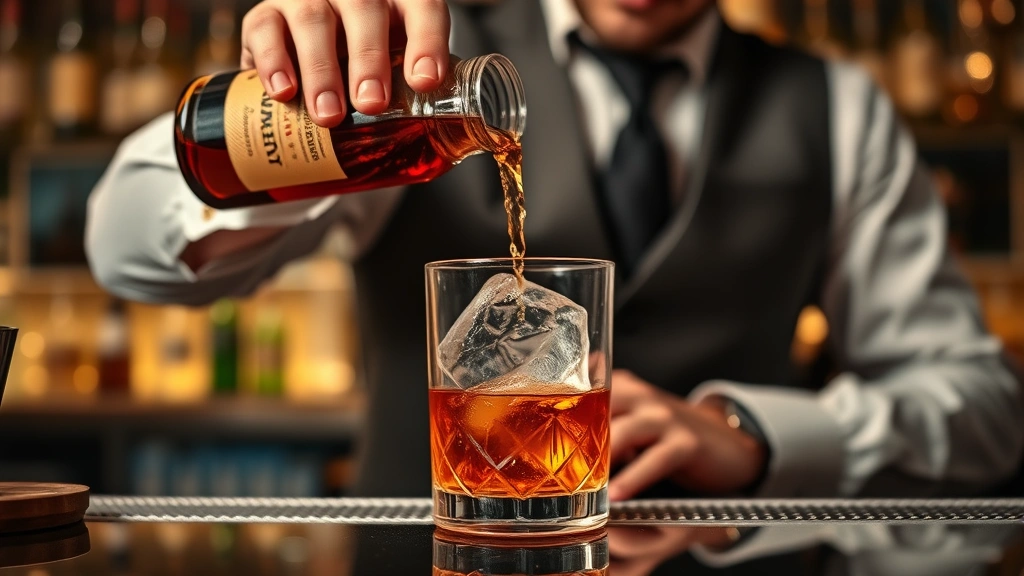
- Build the Base: Pour the brandy directly into your chilled glass. Hold the glass at a slight angle to coat the interior with the spirit, which enhances flavor perception on the first sip.
- Add Sweetening Elements: Pour the simple syrup over the spirit. If you prefer using cherry liqueur instead, measure approximately ¼ ounce and add it at this stage.
- Apply the Bitters: Add 2-3 dashes of Angostura bitters directly to the spirit and syrup mixture. The exact number depends on your preference for aromatic intensity.
- Introduce the Ice: Add your prepared ice cube or sphere to the glass. The spirit will begin to coat the ice immediately.
- Stir with Purpose: Using a bar spoon, stir the mixture for approximately 30 seconds. The stirring action chills the drink while allowing the flavors to integrate harmoniously. The ice should begin to cloud slightly as it melts, creating a silky texture.
- Add the Soda Water: Top with a splash of soda water—approximately ½ ounce. This addition is what distinguishes the Wisconsin version, creating a lighter, more refreshing character.
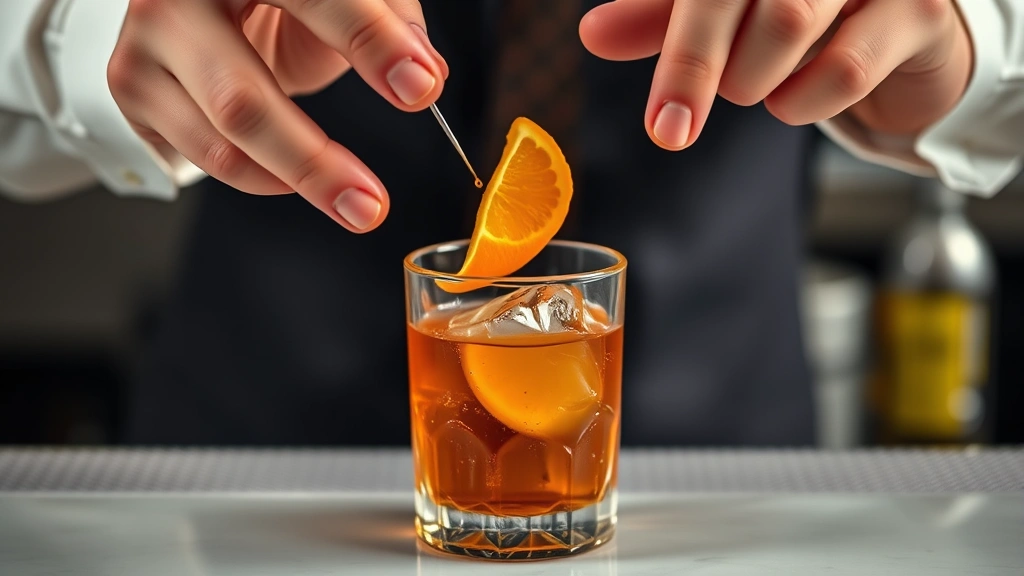
- Express the Citrus Oil: Take your orange slice and twist it over the drink to express the essential oils into the spirit. This aromatic component enhances the sensory experience considerably.
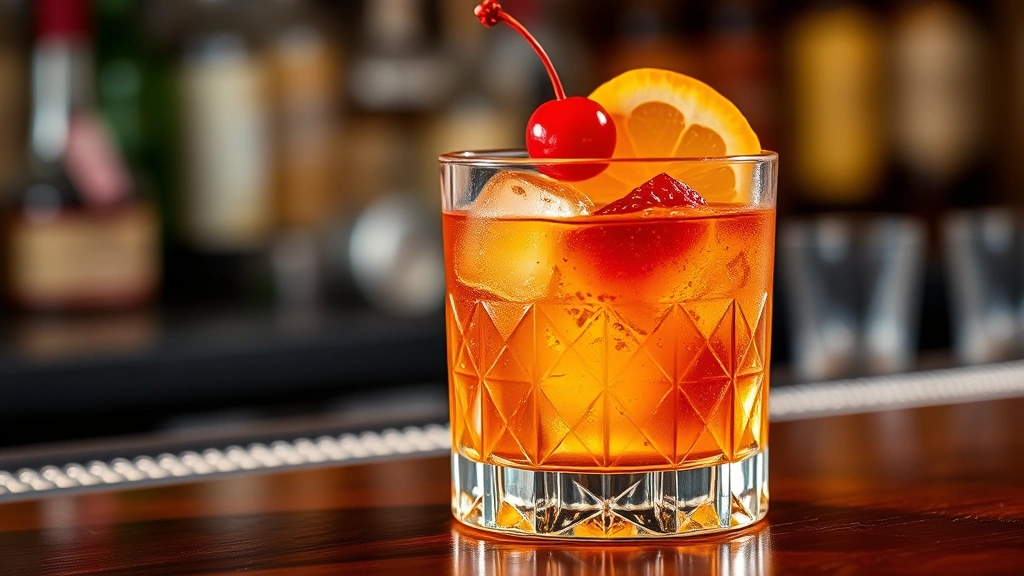
- Complete the Presentation: Garnish with the orange slice and a maraschino cherry, either floating in the drink or perched on the rim, depending on your preferred presentation style.
Mastering the Technique
Creating an exceptional Wisconsin Old Fashioned extends beyond simply combining ingredients in proper proportions. Professional bartenders understand that technique, timing, and attention to detail elevate a good drink into an exceptional one that demonstrates mastery of the craft.
Temperature Control: Temperature management proves absolutely critical to cocktail excellence. Every element—the glass, the ice, even the spirits themselves—should be properly chilled before combining. Many professional bartenders keep their bottles in a specially designated section of the bar that maintains optimal temperature. This attention to detail ensures that your finished drink reaches the proper serving temperature and maintains it throughout consumption.
Stirring Mechanics: The stirring technique requires practice and precision. Your bar spoon should move smoothly through the drink in a consistent circular motion, allowing the ice to chill the spirit while gradually diluting it with melted water. Approximately 30 seconds of stirring achieves the ideal balance between temperature reduction and controlled dilution. Stir too briefly and the drink remains too warm; stir too long and excessive dilution creates a watered-down result.
Ingredient Integration: The order in which you add ingredients matters significantly. By building the drink in the prescribed sequence, you ensure that bitters distribute evenly, sweetening agents dissolve completely, and flavors develop in harmony. This methodical approach reflects the meticulous attention to detail that characterizes professional bartending.
Dilution Science: Proper dilution transforms a harsh, alcohol-forward spirit into a sophisticated, balanced cocktail. The ice melts gradually as you stir, introducing water molecules that open up the spirit’s flavor compounds and create a silky mouthfeel. Understanding how much dilution to target—typically 20-25% by volume—separates competent bartenders from exceptional ones.
Garnishing and Presentation
The garnish represents far more than mere decoration in a Wisconsin Old Fashioned. It contributes flavor, aroma, and visual appeal while demonstrating the bartender’s commitment to excellence and respect for the drink’s traditions.
Orange Selection and Preparation: Choose fresh, firm oranges with unblemished skin. Before your shift, cut wheels approximately ¼-inch thick, removing any seeds. The orange wheel should be large enough to express oils without being cumbersome. When garnishing, position the wheel so that when guests twist it over the drink, essential oils spray directly into the spirit, creating an aromatic component that enhances every sip.
Cherry Considerations: The quality of your maraschino cherry significantly impacts the overall drinking experience. Premium maraschino cherries—often sourced from specialty suppliers—offer superior flavor and texture compared to standard varieties. Some bartenders prefer Luxardo maraschino cherries, which provide a more sophisticated taste profile. Whether you float the cherry in the drink or position it on the rim represents a matter of personal and regional preference.
Ice Presentation: If using a single large ice sphere, ensure it’s perfectly clear and properly sized for your glassware. The ice itself becomes a visual element that communicates quality and attention to detail. Some premium ice manufacturers create spheres that melt slowly while maintaining optical clarity that enhances the drink’s visual appeal.
Glassware Selection: The traditional rocks glass—also called an old fashioned glass—remains the only appropriate vessel for this drink. Choose glassware with substantial weight and quality construction that feels substantial in the hand. The glass should be large enough to accommodate ice and garnish while allowing proper sipping without obstruction.
Regional Variations and Preferences
Wisconsin’s drinking culture encompasses considerable regional variation, with different cities and bars maintaining their own traditions and preferences regarding Old Fashioned preparation. Understanding these variations enriches your appreciation of the drink and allows you to adapt your approach based on local customs and individual guest preferences.
Milwaukee Style: Milwaukee bartenders traditionally emphasize the fruit component, often muddling orange slices and cherries directly into the drink. This approach creates a more integrated fruit flavor throughout the spirit, resulting in a sweeter, more fruit-forward character. The Milwaukee style typically incorporates brandy as the base spirit and includes a more generous splash of soda water.
Madison Preferences: Madison establishments often take a slightly more traditional approach, emphasizing the spirit itself while using fruit primarily as garnish rather than ingredient. This variation appeals to drinkers who prefer a more spirit-forward profile while maintaining the Wisconsin tradition of including soda water.
Green Bay and Northern Wisconsin: In Wisconsin’s northern regions, you’ll find bartenders who incorporate local craft spirits and brandies, supporting regional distilleries and creating drinks that celebrate local production. This approach honors Wisconsin’s strong craft spirits tradition while maintaining connection to the Old Fashioned’s essential character.
Brandy Versus Whiskey Debate: This remains perhaps the most contentious issue among Wisconsin cocktail enthusiasts. Brandy purists argue that the spirit’s smoothness and slightly sweet character define the Wisconsin tradition, while whiskey advocates contend that a quality rye or bourbon provides superior depth and complexity. Progressive Wisconsin bars now offer both options, allowing guests to choose based on personal preference and mood.
Sweetness Levels: Some Wisconsin bars prepare Old Fashioneds with considerably more sweetness than others, incorporating cherry liqueur or additional simple syrup. Understanding your personal sweetness preference allows you to specify your exact requirements when ordering or preparing the drink at home.
Professional Bartender Tips
Elevating your Wisconsin Old Fashioned preparation requires attention to professional techniques and insider knowledge that transforms competent mixing into exceptional bartending craft.
Spirit Selection Strategy: Invest in mid-range spirits rather than the cheapest options available. A quality brandy in the $25-40 range will deliver noticeably superior results compared to budget alternatives. For whiskey-based versions, consider brands like Maker’s Mark, Woodford Reserve, or a quality rye that provides character without excessive price premium. Your guests will taste the difference immediately.
Simple Syrup Preparation: Rather than purchasing pre-made simple syrup, prepare your own using equal parts sugar and hot water. This ensures optimal quality and allows you to customize sweetness levels. Store your homemade syrup in clean bottles and refresh it regularly to prevent crystallization or contamination.
Bitters Experimentation: While Angostura bitters remain the standard, experimenting with complementary bitters can create interesting variations. A dash of orange bitters combined with traditional Angostura creates subtle citrus notes, while chocolate bitters can add unexpected complexity. Document your experiments to develop signature variations that showcase your creativity while respecting tradition.
Ice Quality Investment: If you prepare Old Fashioneds frequently, investing in a quality ice maker or sourcing crystal-clear ice from specialty suppliers elevates your presentation considerably. Large, clear ice cubes communicate quality and professionalism while providing superior melting characteristics.
Guest Preference Documentation: If you’re a regular bartender, note your frequent guests’ preferences regarding brandy versus whiskey, sweetness levels, and garnish preferences. This attention to detail creates memorable experiences and demonstrates genuine hospitality that encourages repeat visits and recommendations.
Seasonal Adaptations: Consider incorporating seasonal elements into your Wisconsin Old Fashioned preparation. During winter months, a slightly warmer serving temperature might appeal to some guests, while summer preparations might emphasize the refreshing soda water component. These subtle adjustments keep the drink fresh and exciting throughout the year.
Educational Approach: When preparing Old Fashioneds, take opportunities to educate guests about the drink’s regional significance and preparation techniques. Sharing knowledge about Wisconsin’s cocktail history and traditions transforms a simple transaction into a memorable experience that celebrates local culture and heritage.
Quality Control Consistency: Establish a written recipe and technique guide that ensures consistency across all preparations. Whether you’re bartending solo or managing a team, documented standards prevent deviation while allowing room for individual creativity within established parameters.
Presentation Excellence: Every Wisconsin Old Fashioned should be served with care and attention to presentation. Wipe the glass rim, position garnishes thoughtfully, and present the drink with a brief explanation of its preparation. These finishing touches communicate respect for your craft and enhance the guest’s overall experience.
The Wisconsin Old Fashioned represents far more than a regional cocktail variation—it embodies the values of craftsmanship, tradition, and community that define Wisconsin’s broader culture. Whether you’re preparing this drink professionally or for personal enjoyment at home, the techniques and knowledge outlined in this guide will help you create an exceptional beverage that honors the drink’s heritage while delivering genuine pleasure to everyone who experiences it. Mastering the Wisconsin Old Fashioned connects you to generations of Midwest bartenders and drinkers who have celebrated this iconic drink as a symbol of regional pride and sophisticated taste.
As you develop your skills and explore the various approaches to Wisconsin Old Fashioned preparation, remember that the best version is ultimately the one that brings joy to those who drink it. While respecting tradition and technique remains important, your personal creativity and attention to detail will ultimately define your signature approach to this beloved classic.
FAQ
What’s the main difference between a Wisconsin Old Fashioned and a traditional Old Fashioned?
The Wisconsin version typically uses brandy instead of whiskey as the base spirit and includes a splash of soda water, creating a lighter, more refreshing character. The Wisconsin approach also emphasizes fruit more prominently, either as garnish or through muddling, resulting in a sweeter overall profile compared to the traditional whiskey-based version.
Can I use whiskey instead of brandy in a Wisconsin Old Fashioned?
Absolutely. While brandy represents the traditional Wisconsin choice, many modern bars offer both options. Quality whiskey like Maker’s Mark or a good rye whiskey creates a more spirit-forward version while maintaining the Wisconsin tradition of including soda water and fruit elements. Choose based on your personal preference and desired flavor profile.
Should I muddle the fruit or use it purely as garnish?
Both approaches are valid and represent different regional preferences. Muddling the orange and cherry creates a more integrated fruit flavor throughout the drink, typical of Milwaukee-style preparations. Using fruit purely as garnish, common in Madison and other regions, maintains cleaner spirit flavors while still providing aromatic elements. Experiment to discover your preference.
What type of ice should I use?
Large ice cubes or a single ice sphere are preferable to standard ice. Larger ice melts more slowly, maintaining proper temperature while preventing excessive dilution. If you prepare Old Fashioneds regularly, investing in quality ice or sourcing crystal-clear ice from specialty suppliers elevates your preparation and presentation considerably.
How much soda water should I add?
A splash—approximately ½ ounce—is standard. This amount provides the refreshing effervescence that distinguishes the Wisconsin version while maintaining spirit-forward character. Adjust according to personal preference, though excessive soda water will dilute the drink excessively.
What bitters should I use?
Angostura bitters remain the traditional choice and are widely available. Some bartenders experiment with orange bitters or combinations of different bitters to create unique variations. Start with traditional Angostura and explore alternatives once you’ve mastered the classic preparation.
Can I prepare Wisconsin Old Fashioneds in advance?
Old Fashioneds should be prepared to order immediately before serving. Advance preparation results in excessive dilution and flavor degradation. The drink’s quality depends significantly on proper temperature management and fresh ice, both of which are compromised if the drink sits before service.
What cherry variety should I use for garnish?
Premium maraschino cherries—particularly Luxardo brand—provide superior flavor and texture compared to standard varieties. The cherry quality significantly impacts the overall drinking experience, so invest in better options if you prepare Old Fashioneds regularly.