

Fig Leaves in Fashion: A Historical Perspective
The fig leaf stands as one of fashion’s most paradoxical symbols—simultaneously representing shame, modesty, rebellion, and artistic expression across centuries of human culture. While most recognize the fig leaf from biblical narratives, its actual integration into fashion history is far more nuanced and fascinating than popular understanding suggests. The journey of fig leaves from mythological symbolism to genuine sartorial elements reveals how practical necessity, artistic interpretation, and cultural values have shaped our understanding of clothing, concealment, and style.
Understanding where fig leaves first came into fashion requires us to distinguish between symbolic representation and functional garment design. This distinction matters profoundly because it demonstrates how fashion operates at the intersection of mythology, practicality, and cultural expression. The fig leaf narrative teaches us that fashion is never merely about covering the body—it’s about communicating values, managing shame, expressing identity, and negotiating the complex relationship between nature and civilization.
Biblical Origins and Symbolic Beginnings
The fig leaf’s prominence in Western consciousness originates from the Book of Genesis, where Adam and Eve, upon gaining knowledge of good and evil, became aware of their nakedness and fashioned coverings from fig leaves. This foundational narrative established the fig leaf as fashion’s primordial garment—the first clothing item worn by humanity in Judeo-Christian tradition. However, this biblical reference is symbolic rather than literal fashion history. The fig leaf represented concealment born from shame, a covering motivated by moral awareness rather than climate necessity or aesthetic preference.
What’s crucial to understand is that the fig leaf in Genesis wasn’t fashion as we understand it—it was emergency clothing, a desperate solution to newfound vulnerability. Yet this narrative profoundly influenced how Western culture conceptualized clothing itself. Fashion historians recognize that this origin story embedded certain assumptions into our cultural DNA: that clothing represents a fall from natural innocence, that covering the body relates to shame and morality, and that fashion is fundamentally about managing exposure and vulnerability.
The symbolic power of the fig leaf extended far beyond its biblical origins. Throughout medieval and early modern Europe, artists, theologians, and philosophers referenced fig leaves when discussing modesty, morality, and the human condition. The leaf became shorthand for minimal coverage, for the bare minimum of decency, for the tension between nature and civilization that clothing represents. This symbolic resonance would influence actual fashion design for centuries to come.
Renaissance Art and Sculptural Tradition
The Renaissance period witnessed a fascinating collision between classical ideals and Christian morality, and fig leaves became the battleground for this cultural negotiation. As Renaissance artists studied classical Greek and Roman sculptures—many depicting nude figures—they faced a profound dilemma. These masterworks represented aesthetic and philosophical ideals, yet their nudity conflicted with Christian sensibilities that dominated Renaissance Europe.
The solution was ingenious and somewhat absurd: fig leaves. Museums, churches, and private collectors began attaching bronze, marble, or painted fig leaves to classical sculptures, particularly covering male genitalia. This practice wasn’t limited to permanent installations—removable fig leaves were crafted specifically for occasions when religious authorities or conservative visitors might object to full nudity. The fig leaf became fashion’s most famous accessory, though it adorned sculptures rather than living bodies.
This practice reveals something essential about fashion and morality: the fig leaf’s effectiveness was almost entirely psychological. A small leaf covering nothing substantial nonetheless satisfied the requirement for modesty. The gesture mattered more than the actual coverage. This principle would recur throughout fashion history, where symbolic gestures often supersede practical function. When exploring fashion types, we see how symbolism consistently outweighs utility in determining what we wear.
Artists and sculptors of the Renaissance understood that the fig leaf was a compromise—a way to honor both classical beauty and Christian morality simultaneously. The leaf acknowledged that nudity existed while maintaining the fiction that it had been properly concealed. This cognitive dissonance reflected the broader cultural tensions of the era, where humanism and religious tradition competed for influence over artistic expression and social values.
Victorian Era and Modesty Culture
If the Renaissance used fig leaves symbolically, the Victorian era represented the apotheosis of fig-leaf thinking applied to actual fashion. The nineteenth century witnessed an unprecedented obsession with coverage, modesty, and the concealment of the body. Women’s fashion became increasingly elaborate, with multiple layers, high necklines, long sleeves, and voluminous skirts creating an almost sculptural barrier between the body and the world. Men’s fashion similarly emphasized coverage and restraint.
The Victorian fascination with concealment wasn’t merely about hiding the body—it was about managing desire, asserting respectability, and negotiating the boundaries between public and private spheres. Women’s corsets, bustles, and crinolines represented the era’s anxiety about female bodies and sexuality. The fashion of this period functioned as wearable fig leaves, creating the illusion of modesty while simultaneously emphasizing the body through strategic concealment.
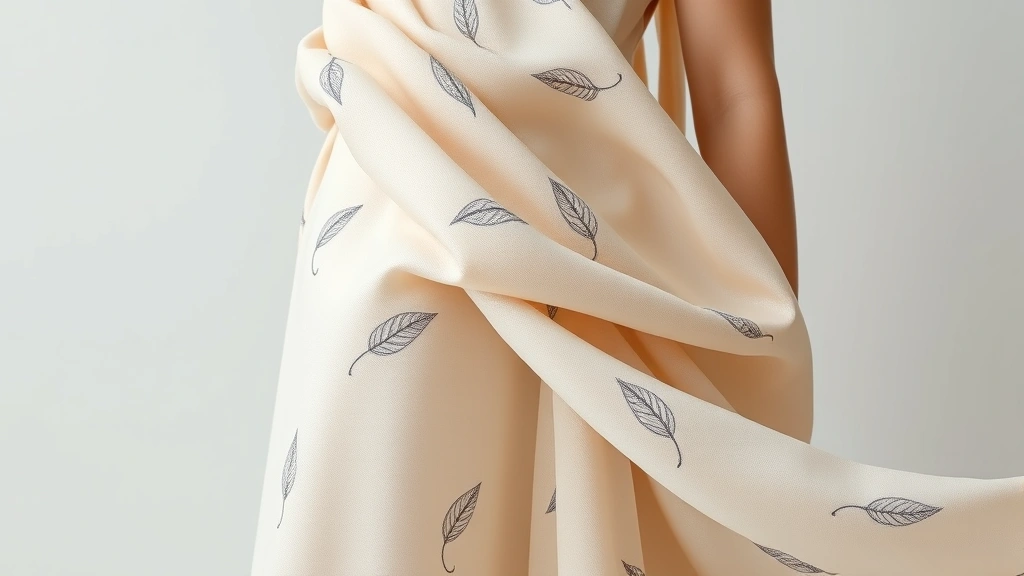
Interestingly, the Victorian era also witnessed the emergence of actual fig-leaf motifs in textile design and decoration. Botanical patterns featuring fig leaves appeared on wallpapers, fabrics, and furnishings. These weren’t functional garments but rather decorative expressions of the era’s fascination with nature filtered through civilization. The fig leaf became an ornamental symbol of the natural world made acceptable through artistic refinement.
Understanding Victorian fashion helps us recognize how different fashion styles emerge from specific cultural anxieties and values. The Victorians didn’t simply prefer covered bodies—their fashion choices reflected deep beliefs about morality, gender, class, and civilization. The fig leaf, whether literal or metaphorical, served as the visual representation of these beliefs.

Modern Interpretations and Contemporary Fashion
The twentieth and twenty-first centuries have witnessed a radical departure from fig-leaf thinking, at least in Western fashion. The rise of modernism, feminism, and sexual liberation fundamentally challenged the assumption that bodies needed concealment for moral or social reasons. Fashion designers began celebrating the body rather than hiding it, emphasizing silhouette and form rather than coverage and restraint.
Yet the fig leaf hasn’t disappeared from contemporary fashion—it has transformed. Modern designers reference the fig leaf symbolically, using it as a critique of modesty culture or as a playful acknowledgment of fashion’s historical anxieties about the body. High fashion has featured fig-leaf motifs, strategically placed leaf designs, and conceptual pieces that engage with the symbol’s rich history. These contemporary interpretations demonstrate that fashion remains deeply concerned with questions of coverage, exposure, and the meanings we attach to revealing or concealing the body.
The rise of minimalism in contemporary fashion represents, in some ways, a return to fig-leaf principles—not from shame or morality, but from aesthetic philosophy. Minimalist designers argue that less is more, that strategic concealment creates elegance, that the suggestion of form is more powerful than its full revelation. This philosophy echoes the fig leaf’s fundamental insight: that what we don’t show can be more compelling than what we do.
As you explore your personal style and consider how to find your personal style, understanding this historical context enriches your choices. Whether you prefer maximum coverage or minimal concealment, your decisions exist within a centuries-long conversation about bodies, modesty, expression, and identity that the fig leaf initiated.
Cultural Significance Across Civilizations
While Western culture fixates on the biblical fig leaf, other civilizations developed their own relationships with concealment and exposure. In ancient Egypt, fig leaves appeared in artistic representations and had both practical and symbolic significance. The ancient Egyptians used fig leaves for various purposes, including food, medicine, and fiber production, and they appear in tomb paintings and religious art.
In ancient India, fig leaves held sacred significance in Hindu and Buddhist traditions. The Bodhi tree, a type of fig tree, represents enlightenment and spiritual awakening in Buddhism. Fig leaves appeared in classical Indian art, dance, and textile design, often carrying symbolic meanings related to fertility, abundance, and divine protection. The integration of fig leaves into Indian fashion and decoration reflected different cultural values than the shame-based symbolism of Western tradition.
Islamic fashion traditions developed their own approaches to modesty and coverage, influenced by religious principles rather than the Judeo-Christian narrative. While fig leaves don’t feature prominently in Islamic fashion history, the principle they represent—the importance of modest coverage—deeply influenced the development of hijabs, abayas, and other traditional garments. Understanding these diverse traditions helps us recognize that the fig leaf’s symbolic power varies dramatically across cultural contexts.
The global fashion industry today draws inspiration from these diverse traditions. Contemporary designers increasingly incorporate elements from multiple cultural perspectives, creating fusion styles that blend different approaches to coverage, ornamentation, and body presentation. This cross-cultural exchange represents fashion’s evolution from narrow Western perspectives toward more inclusive, globally-informed aesthetic practices.
Fashion Design and Practical Application
While the fig leaf as an actual garment element is rare in contemporary fashion, understanding its principles informs modern design practice. Fashion designers working with draping, layering, and strategic coverage employ fig-leaf logic—using minimal elements to create maximum visual impact. The principle that concealment can be more powerful than revelation remains central to advanced fashion design.
Contemporary sustainable fashion has renewed interest in natural fibers and plant-based materials, creating new contexts for literally incorporating leaves and botanical elements into garments. Some avant-garde designers have experimented with actual leaf materials, creating experimental pieces that reference the fig leaf while exploring new textile possibilities. These projects demonstrate how historical symbols can inspire innovative material exploration.
The concept of the fig leaf has also influenced fashion technology and innovation. Designers working with smart textiles, color-changing fabrics, and interactive materials often reference the idea of minimal coverage that conveys maximum information. A small technological element can communicate vast amounts of data or aesthetic meaning—echoing the fig leaf’s principle that size doesn’t determine significance.
Understanding types of fashion styles requires recognizing how historical concepts like the fig leaf continue to influence design philosophy. Whether creating minimalist, maximalist, avant-garde, or traditional styles, designers navigate the fundamental tension the fig leaf represents: how much to reveal, what to conceal, and what meanings those choices communicate.
The fashion industry’s relationship with the body continues to evolve. Contemporary designers increasingly reject the shame-based assumptions embedded in fig-leaf symbolism, instead celebrating diverse body types and rejecting restrictive modesty standards. Yet they often do this while maintaining the sophistication and strategic concealment that fig-leaf thinking pioneered. Modern fashion has learned to honor the body while maintaining artistic mystery and individual expression.
FAQ
Where did fig leaves first come into fashion historically?
The fig leaf’s entry into fashion history is primarily symbolic rather than literal. It originates from the biblical narrative in Genesis, where Adam and Eve fashioned fig-leaf coverings after gaining knowledge of good and evil. However, the first actual use of fig leaves as fashion elements occurred during the Renaissance, when artists attached fig leaves to classical sculptures to satisfy Christian modesty requirements. The leaf became a compromise between appreciating classical beauty and maintaining religious propriety.
Did people actually wear fig leaves as clothing?
Historically, fig leaves were rarely worn as functional clothing in Western fashion. Their primary use was symbolic and decorative. The biblical reference established them as fashion’s mythological origin, while Renaissance artists used them as sculptural accessories. However, in some tropical and subtropical cultures, fig leaves and other large plant leaves were used as practical clothing elements due to their availability and size. The fig leaf’s fashion significance lies more in its symbolic and artistic meanings than in its actual prevalence as a garment.
How does the fig leaf relate to modern fashion philosophy?
Contemporary fashion engages with fig-leaf symbolism through minimalism, strategic concealment, and the principle that what you don’t show can be more powerful than what you do. Modern designers use fig-leaf logic when they employ small, significant design elements that create outsized visual impact. The fig leaf also informs discussions about modesty, body image, and the meanings we attach to coverage and exposure in contemporary culture.
What cultures used fig leaves in their fashion traditions?
While the Western fig leaf narrative dominates global consciousness, various cultures incorporated fig leaves into their traditions differently. Ancient Egyptian art featured fig leaves in religious and secular contexts. Hindu and Buddhist traditions valued fig trees and their leaves for spiritual significance. Tropical cultures used large fig leaves as practical clothing and covering materials. Understanding these diverse traditions reveals how the same plant carries different meanings across cultural contexts.
How has fashion’s relationship with the body changed since fig-leaf symbolism?
Fashion has moved from shame-based concealment toward celebration of the body and individual expression. However, this evolution hasn’t eliminated strategic concealment or the power of mystery. Modern fashion applies fig-leaf principles—using minimal elements to create maximum impact—while rejecting the moral anxiety that originally motivated fig-leaf thinking. Contemporary designers balance revelation and concealment based on aesthetic and personal choice rather than shame or religious obligation.
Are fig leaves used in contemporary fashion design?
Literal fig leaves are rarely used in mainstream contemporary fashion, though avant-garde and experimental designers occasionally incorporate them or reference them symbolically. The fig leaf’s greater influence on modern fashion is philosophical rather than material. Designers apply fig-leaf principles when creating minimalist designs, using strategic coverage, or employing small elements with significant visual meaning. The concept remains more influential than the actual leaf.