How to Rock Viva Fashion? Expert Advice for Bold Style Mastery
Viva fashion represents more than just clothing choices—it’s a vibrant lifestyle philosophy that celebrates boldness, confidence, and unapologetic self-expression. Originating from the Spanish word meaning “long live,” viva fashion embodies the spirit of celebrating life through dynamic colors, daring silhouettes, and fearless fashion decisions. Whether you’re exploring types of fashion or seeking to elevate your personal wardrobe, understanding viva fashion principles can transform how you approach style entirely.
This comprehensive guide explores the essential elements of viva fashion, drawing insights from industry experts and fashion-forward trendsetters who’ve mastered this electrifying aesthetic. From color theory to fabric selection, we’ll walk you through every aspect of incorporating viva fashion into your daily wardrobe while maintaining authenticity and personal flair.
Understanding Viva Fashion Core Principles
Viva fashion operates on several fundamental principles that distinguish it from conventional style approaches. At its heart, viva fashion celebrates individuality and rejects the notion of playing it safe with your wardrobe. This aesthetic draws inspiration from various cultural movements, Latin American vibrancy, and contemporary street style influences that prioritize personality over conformity.
The philosophy encompasses several key elements: bold color choices, unexpected combinations, confidence in presentation, and authentic self-expression. Unlike minimalist fashion that favors restraint, or classic fashion that adheres to timeless conventions, viva fashion invites you to experiment, mix patterns, layer textures, and create looks that make a statement. It’s about celebrating your unique perspective through clothing while maintaining a cohesive aesthetic vision.
Understanding how to find your personal style is crucial before diving into viva fashion. This aesthetic works best when aligned with your genuine personality and lifestyle preferences. Fashion experts at Vogue consistently emphasize that the most impactful style choices stem from authentic self-knowledge rather than trend-chasing alone.
Color Psychology in Viva Fashion
Color serves as the primary vehicle for viva fashion expression. Unlike neutral palettes that emphasize simplicity, viva fashion embraces saturated hues, unexpected color combinations, and strategic use of contrast. Understanding color psychology helps you make intentional choices that communicate your desired aesthetic while maintaining visual harmony.
Key color principles in viva fashion include:
- Complementary contrasts: Pairing colors opposite on the color wheel (purple and yellow, orange and blue) creates dynamic visual interest and emphasizes boldness
- Monochromatic richness: Using various tints and shades of a single color creates sophistication while maintaining vibrancy
- Jewel tones: Deep emerald, sapphire, ruby, and amethyst shades provide luxury and depth to viva outfits
- Neon accents: Strategic use of neon or electric shades as accessories or secondary pieces adds contemporary edge
- Earth-tone warmth: Terracotta, mustard, burnt orange, and warm reds ground bold looks with natural sophistication
Fashion psychologists note that color choices influence both how others perceive you and how you feel wearing the outfit. Viva fashion leverages this understanding intentionally. Wearing bold colors activates confidence and signals creativity to the world. The key is selecting colors that complement your skin tone and make you feel energized rather than overwhelmed.
Essential Viva Fashion Pieces
Building a viva fashion wardrobe requires strategic foundational pieces that serve as versatile canvases for bold expression. These essentials work across multiple style combinations and occasions while maintaining the vibrant aesthetic.
Statement Tops and Blouses: Invest in quality pieces featuring interesting textures, prints, or cuts. Look for embroidered details, metallic threading, asymmetrical necklines, or bold geometric patterns. Viva fashion celebrates fabric movement and visual interest in upper-body styling.
Structured Bottoms: While tops demand attention, bottoms should provide structure and sophistication. Well-fitted trousers in jewel tones, tailored skirts with interesting seams, or high-waisted denim in saturated colors serve as excellent foundations. These pieces ground bold tops while maintaining overall balance.
Layering Pieces: Blazers, kimonos, and cardigans in contrasting colors enable creative layering. A cobalt blazer over a coral dress or a mustard cardigan paired with complementary prints creates sophisticated complexity while maintaining viva’s boldness.
Statement Dresses: Incorporate dresses featuring interesting silhouettes, colors, or prints that work as complete outfits independently. Wrap dresses, fit-and-flare silhouettes, and maxi dresses in bold patterns offer versatility across occasions.
Explore different fashion styles to understand how viva pieces interact with other aesthetic approaches. This knowledge helps you create cohesive looks that feel intentional rather than chaotic.
According to Elle Magazine, the most successful viva fashion enthusiasts balance bold statement pieces with neutral or complementary secondary items, creating visual interest without overwhelming the overall composition.
Building Your Viva Fashion Wardrobe
Creating a cohesive viva fashion wardrobe requires strategic planning rather than random purchases. Start by identifying your color palette—typically 4-6 colors that make you feel confident and align with your skin tone.
Step One: Establish Your Color Foundation
Select primary colors that will appear throughout your wardrobe. These might include a jewel tone (emerald, sapphire, or amethyst), a warm earth tone (terracotta, mustard, or rust), and a bold accent color (hot pink, electric orange, or vibrant red). These colors should appear in multiple pieces and coordinate seamlessly.
Step Two: Invest in Quality Basics
Solid-colored basics in neutral or foundational shades provide versatility. Well-fitted white, black, cream, or gray pieces work across countless combinations. However, viva fashion often incorporates colored basics—navy, charcoal, or warm taupe—that still function as neutral anchors while maintaining aesthetic consistency.
Step Three: Add Statement Pieces Gradually
Rather than purchasing multiple bold pieces simultaneously, introduce statement items strategically. Each new acquisition should coordinate with existing wardrobe pieces while offering fresh styling possibilities. This approach ensures every item earns its place in your closet.
Step Four: Incorporate Patterns and Prints
Viva fashion celebrates patterned pieces. Geometric prints, florals, abstract designs, and ethnic-inspired patterns add visual interest and personality. The key is selecting prints that coordinate with your color palette and avoiding excessive pattern mixing that creates visual chaos.
The Fashion Institute of Technology emphasizes that successful wardrobe building follows intentional principles rather than impulse purchases. Each piece should justify its inclusion through versatility and alignment with your personal aesthetic vision.
Understanding fashion style guides helps contextualize how viva pieces fit within broader style conversations. This knowledge prevents your wardrobe from feeling disconnected or trendy rather than timeless.
Styling Tips from Fashion Experts
Industry professionals consistently recommend several approaches for mastering viva fashion styling:
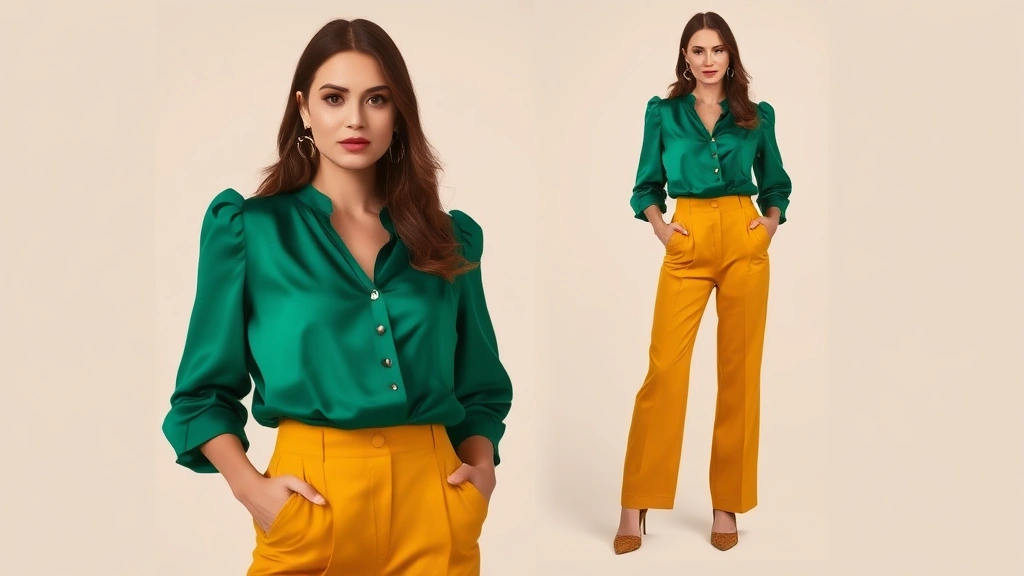
The Rule of Three: Incorporate no more than three dominant colors in a single outfit. This creates visual interest without overwhelming the composition. For example, pair a emerald blouse with mustard trousers and coral accessories, ensuring the three colors complement rather than compete.
Proportion Balance: When featuring a bold, patterned, or textured top, balance with simpler bottoms. Conversely, if wearing statement pants or a striking skirt, pair with a more restrained top. This equilibrium prevents the overall look from feeling chaotic or unrefined.
Texture Layering: Viva fashion celebrates tactile variety. Combine smooth fabrics with textured pieces—silk with linen, velvet with cotton, or satin with wool. This layering adds visual depth and sophistication to bold color choices.
Confidence Projection: Fashion psychologists note that wearing bold viva fashion requires internal confidence. Your posture, demeanor, and attitude while wearing these pieces amplifies their impact. Hesitant presentation undermines even the most stunning outfit.
Occasion-Appropriate Adaptation: While viva fashion celebrates boldness, context matters. Professional environments may require toning down neon accents or extreme patterns while maintaining the aesthetic’s core boldness through jewel tones and sophisticated silhouettes.
Harper’s Bazaar features numerous style guides demonstrating how fashion editors apply viva principles across professional, casual, and social settings. These examples provide practical inspiration for real-world application.
Accessorizing for Maximum Impact
Accessories represent crucial components of viva fashion expression. They offer opportunities to introduce additional colors, textures, and personality without committing to full garments.
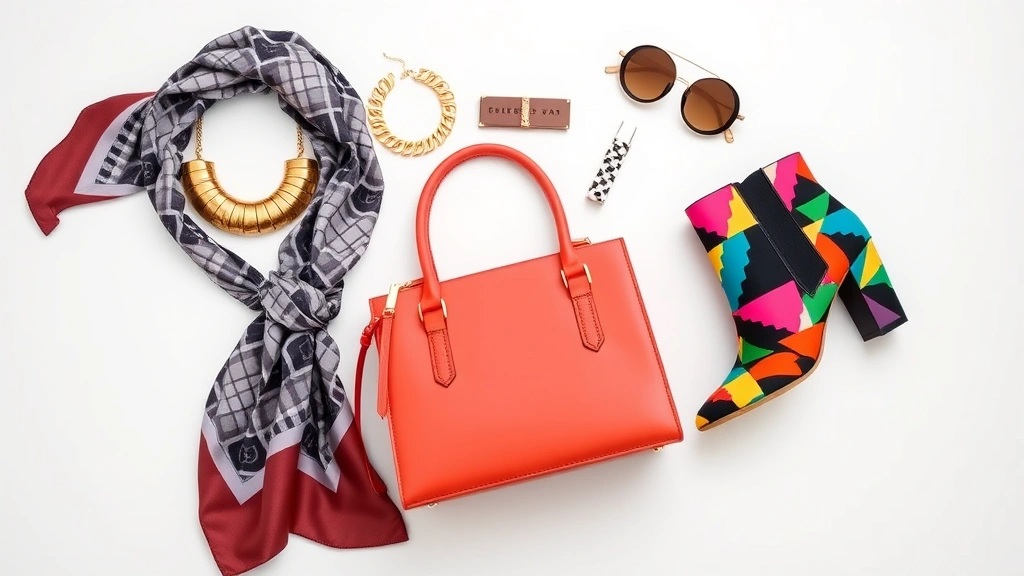
Jewelry and Metallics: Viva fashion embraces bold jewelry—chunky necklaces, statement earrings, and layered rings. Mix metallics freely; gold, silver, and rose gold combinations create contemporary interest. Don’t shy away from colorful stones, enamel pieces, or unconventional materials like resin or acrylic.
Bags and Footwear: These pieces anchor outfits while offering color and texture opportunities. A structured bag in a contrasting color or interesting material complements statement clothing while adding functionality. Bold footwear—colored heels, patterned sneakers, or textured boots—extends viva fashion down to your feet.
Scarves and Wraps: These versatile pieces introduce pattern, color, and texture while serving functional purposes. A printed silk scarf tied as a headwrap, worn as a neckpiece, or draped across shoulders adds sophisticated flair to simpler outfits.
Belts and Waist Definition: Viva fashion often features interesting silhouettes enhanced by strategic belting. Wide belts in contrasting colors, metallic finishes, or textured materials define waistlines while adding visual interest to dresses or loose-fitting tops.
Eyewear: Sunglasses and frames represent personality-forward accessories. Colored lenses, interesting frame shapes, or bold designs communicate style immediately while serving practical purposes.
Viva Fashion for Different Occasions
Successfully implementing viva fashion requires adapting the aesthetic across diverse contexts. Here’s how to apply viva principles while respecting situational appropriateness:
Professional Settings: Maintain viva’s boldness through color choice and silhouette while selecting structured, tailored pieces. A jewel-toned blazer, sophisticated patterned blouse, and well-fitted trousers communicate confidence and creativity without appearing unprofessional. Limit neon accents to small accessories.
Casual Social Occasions: This context allows maximum viva expression. Embrace bold color combinations, interesting patterns, and statement accessories. Mix unexpected elements—a vintage band tee with a luxury silk skirt, or a structured blazer with playful sneakers—that showcase personality.
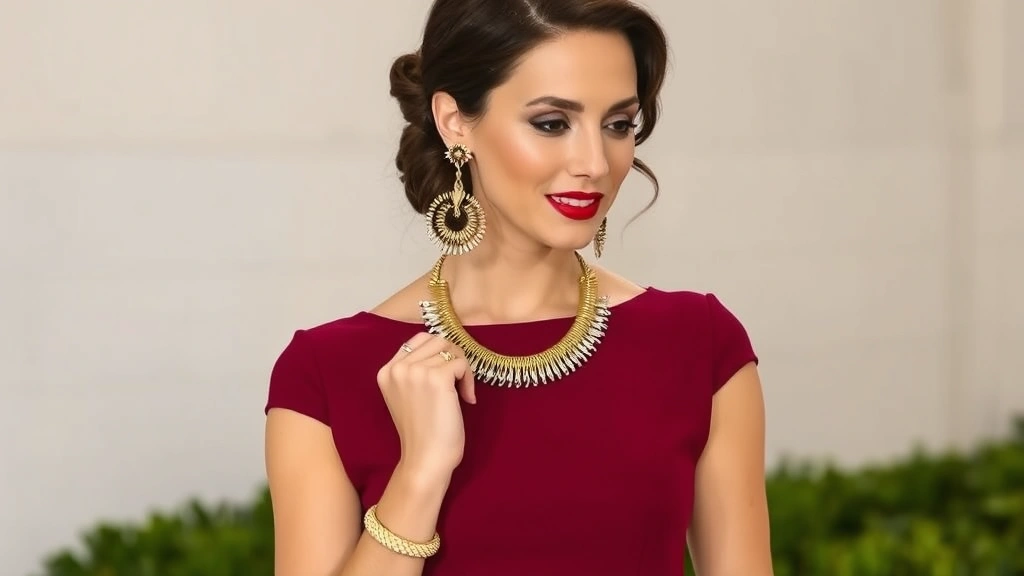
Date Nights and Formal Events: Incorporate viva principles through jewel-tone dresses, interesting silhouettes, and strategic accessories rather than excessive pattern mixing. A saturated emerald dress with gold accessories or a deep burgundy gown with statement jewelry maintains elegance while expressing viva’s boldness.
Casual Everyday Wear: This represents viva fashion’s natural habitat. Colorful basics, interesting prints, bold accessories, and experimental combinations create authentic daily style. This is where you test color pairings and develop your unique viva signature.
Seasonal Adaptations: Viva fashion translates across seasons through appropriate fabric selections. Summer emphasizes lightweight cotton, linen, and breathable materials in bright colors and tropical prints. Winter features jewel tones in heavier fabrics, layered textures, and rich patterns that provide warmth and visual interest.
The Style Bible regularly features seasonal viva fashion interpretations, demonstrating how this aesthetic adapts while maintaining core boldness principles.
Remember that StyleLoom Daily Blog offers ongoing inspiration and practical styling advice for implementing these principles in your daily life. Regular exposure to style content helps you develop an eye for quality pieces and effective combinations.
FAQ
What exactly defines viva fashion?
Viva fashion is a bold, expressive style philosophy celebrating vibrant colors, confident self-expression, and unapologetic personality through clothing. It embraces color, pattern, interesting silhouettes, and authentic individuality rather than following conventional fashion rules.
Can I wear viva fashion to professional environments?
Absolutely. Adapt viva principles through jewel-tone colors, interesting silhouettes, and quality fabrics in professional contexts. Focus on structured pieces and limit extremely bold patterns or neon accents to professional settings where creative expression is valued.
How do I know which colors work in viva fashion?
Start by identifying colors that complement your skin tone and make you feel confident. Build outfits around 4-6 primary colors that coordinate harmoniously. Jewel tones, warm earth tones, and strategic accent colors typically form successful viva palettes.
Is viva fashion expensive?
Viva fashion operates at all price points. Focus on quality basics and strategic statement pieces rather than quantity. Thrift stores, vintage shops, and contemporary retailers all offer viva-appropriate pieces. Investment pieces in versatile colors provide long-term value.
How do I avoid looking chaotic in viva fashion?
Follow the rule of three dominant colors, balance bold tops with simpler bottoms, maintain proportion awareness, and ensure color selections complement rather than compete. Strategic simplicity in one area of an outfit balances boldness elsewhere.
Can I mix viva fashion with other style aesthetics?
Yes. Viva fashion blends beautifully with minimalist elements (bold pieces with neutral basics), classic style (interesting silhouettes with timeless construction), or bohemian aesthetics (colorful patterns with relaxed silhouettes).
What accessories best complement viva fashion?
Bold jewelry, colorful bags, interesting footwear, patterned scarves, and statement belts enhance viva outfits. Don’t fear mixing metallics or combining unexpected pieces—this experimentation reflects viva’s core philosophy.