How to Dress Well on a Budget: Frugal Tips for Men’s Fashion
Looking sharp doesn’t require emptying your wallet. The misconception that style costs a fortune keeps countless men from developing their fashion sense, but the truth is far more empowering. With strategic choices, intentional shopping, and a solid understanding of timeless pieces, you can build a versatile wardrobe that turns heads—all while respecting your budget constraints. The key lies in understanding quality over quantity, knowing where to shop, and making every purchase count toward a cohesive personal style.
Men’s fashion communities like those found on Reddit have long championed the art of frugal dressing, proving that financial limitations need not limit style ambitions. Whether you’re starting from scratch or revamping your current wardrobe, this comprehensive guide reveals insider secrets that fashion enthusiasts and budget-conscious dressers swear by. You’ll discover how to maximize your clothing investment, identify pieces that offer exceptional value, and develop a signature aesthetic that reflects your personality without breaking the bank.
Master the Fundamentals: Building Your Foundation Pieces
Before you spend a single dollar, understand that every great wardrobe begins with essentials. These foundational pieces serve as the backbone of countless outfit combinations, meaning they deserve your careful attention even on a limited budget. Invest strategically in basics—think well-fitting white and black t-shirts, neutral chinos, and a crisp white button-up shirt. These items won’t go out of style and will be worn repeatedly, justifying a slightly higher investment within your budget constraints.
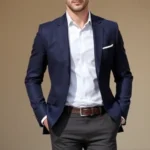
The concept of a personal style foundation means identifying which colors flatter your complexion and which silhouettes complement your body type. This knowledge prevents impulse purchases of trendy pieces that don’t serve your overall aesthetic. A navy blazer, medium-wash jeans, and neutral sneakers form an unbeatable trio that works across casual and semi-formal occasions. When building foundation pieces on a budget, prioritize fit above all else—a perfectly fitting $20 shirt outperforms an expensive ill-fitting designer piece every time.
Consider creating a capsule wardrobe—a curated collection of coordinating pieces that work together seamlessly. This approach forces intentionality into every purchase and ensures maximum outfit combinations from minimal pieces. Start with five core colors: navy, gray, white, black, and one accent color that resonates with your personal aesthetic. Every piece you add should integrate with these colors and complement existing items.
Strategic Shopping: Where Frugal Fashionistas Find Treasures
The stores you choose dramatically impact your budget’s purchasing power. Outlet malls and discount retailers offer legitimate designer pieces at significantly reduced prices, though you must develop a discerning eye to distinguish genuine quality from cheap imitations. Brands like TJ Maxx, Marshalls, and Ross receive overstock items and previous season collections from major retailers, allowing you to access quality merchandise at 40-70% discounts.
Online marketplaces have revolutionized budget shopping, offering access to global retailers and peer-to-peer sales platforms. Websites like ASOS, H&M, and Uniqlo regularly offer sales and discount codes that stack savings. Fast fashion retailers, while controversial from sustainability perspectives, serve a purpose for budget-conscious shoppers building foundational pieces. The trick is buying strategically from these retailers—investing in basics rather than trend pieces that’ll feel dated within months.
Subscribe to email newsletters from your favorite retailers to receive exclusive discount codes and early sale notifications. Many stores offer first-time buyer discounts ranging from 10-20%, effectively reducing your initial investment. Vogue’s shopping guides often highlight sales and discounted designer pieces, providing inspiration for strategic purchases. Timing your shopping around major sale periods—post-holiday clearance, end-of-season sales, and Black Friday—can stretch your budget significantly.
Don’t overlook department store sales sections and clearance racks. These areas contain pieces that didn’t sell at full price, often due to color or size rather than quality issues. A burgundy sweater might have been overlooked by shoppers seeking navy, but it could be perfect for your wardrobe. Shopping clearance requires patience and flexibility, but the savings justify the effort.
Quality Indicators: Spotting Value in Budget Clothing
Learning to identify quality separates savvy frugal fashionistas from those throwing money away on disposable clothing. Examine stitching closely—quality garments feature straight, even stitching with appropriate thread color matching the fabric. Loose threads or crooked seams indicate poor construction that won’t withstand repeated wear. Run your fingers along seams; they should feel secure and smooth, not bumpy or loose.
Fabric composition matters tremendously for longevity and appearance. Check labels for natural fiber content—cotton, wool, linen, and silk maintain quality better than pure synthetics. However, strategic blends enhance durability; a 60% cotton, 40% polyester blend often outperforms 100% cotton in terms of wrinkle resistance and shape retention. Understanding fabric care requirements helps you maintain pieces longer, extending their value proposition. Different fashion types require different fabric considerations, so educate yourself on what works for your chosen aesthetic.
Weight and drape reveal quality instantly. Grab a piece and feel its substance—cheap clothing often feels insubstantial and flimsy. Quality garments have appropriate weight for their intended purpose; a dress shirt should feel crisp yet substantial, not papery. Drape refers to how fabric falls on your body; premium fabrics drape smoothly, while cheap materials bunch awkwardly. Test this by holding the piece away from your body and observing how it naturally falls.
Check closures carefully—zippers should glide smoothly without catching, buttons should be securely attached, and hems should be finished cleanly. These details cost manufacturers mere cents but signal their overall quality commitment. A well-constructed $30 piece from a quality-focused budget brand outperforms a poorly made $100 item from a fast fashion giant.
Color Theory and Mixing: Maximizing Your Wardrobe
Strategic color choices exponentially increase outfit combinations from limited pieces. Understanding color theory helps you create cohesive looks that feel intentional and polished. Stick to a consistent color palette across your entire wardrobe—this ensures every piece coordinates with every other piece, maximizing combinations. Warm undertones work beautifully with earth tones, oranges, and warm neutrals, while cool undertones shine with jewel tones, blues, and cool grays.
Neutral colors—black, white, gray, navy, and beige—form the foundation of a budget wardrobe because they pair with virtually everything. These chameleons adapt to any aesthetic and rarely feel dated. Build your basics in these neutral shades, then add personality through secondary colors and patterns. A single burgundy sweater, olive jacket, or forest green chino dramatically expands your styling options while maintaining cohesion.
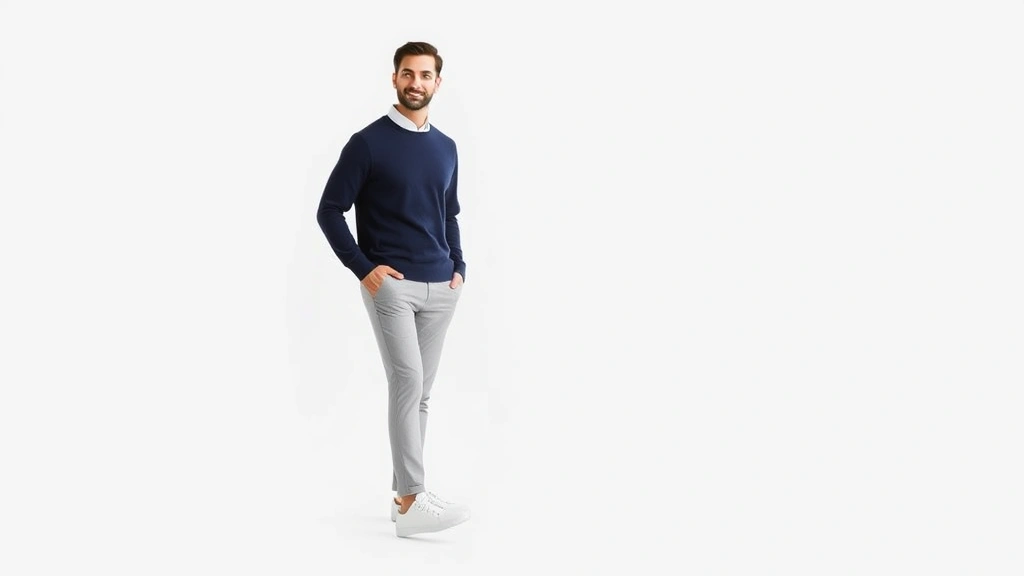
Learn monochromatic dressing, where you wear multiple shades of the same color family. A light gray shirt, medium gray sweater, and charcoal pants create sophisticated depth and visual interest using just one color family. This approach maximizes outfit combinations from fewer pieces and always looks intentional and coordinated. Different fashion styles utilize color differently, so adapt this principle to your chosen aesthetic.
Understand the 70-20-10 rule: 70% of your wardrobe should be neutral basics, 20% should be secondary colors, and 10% should be bold accent colors or patterns. This ratio ensures versatility while allowing personality expression. Your accent pieces—patterned shirts, bold sweaters, colored accessories—create visual interest without requiring excessive purchasing across your entire wardrobe.
The Art of Thrifting and Vintage Shopping
Thrift stores represent the ultimate budget fashion treasure trove, offering designer pieces and quality vintage items at fraction-of-retail prices. Develop thrifting skills by visiting stores regularly, understanding quality markers, and learning which brands consistently offer value. High-end thrift stores like Goodwill and local consignment shops receive donations from wealthy areas, yielding unexpected designer finds. Reddit’s frugal men’s fashion communities frequently share thrifting success stories, proving that patience and knowledge unlock incredible bargains.
Vintage pieces add character and individuality impossible to achieve through contemporary retail shopping. A vintage leather jacket, heritage denim, or classic sweater tells a story while demonstrating personal style confidence. Vintage doesn’t mean old or worn-out; it means pre-owned items that have proven their durability through years of wear. If a piece survived decades of use, it likely features superior construction compared to modern equivalents.
Approach thrifting strategically by shopping specific sections methodically. Don’t just browse; examine every item carefully for quality and fit. Many thrift shoppers overlook perfectly good pieces because they’re not immediately recognizable as designer or trendy. A vintage Pendleton wool shirt might cost $8 but provide warmth and style for years. Learn which vintage brands consistently offer quality—Levi’s, Ralph Lauren, Brooks Brothers, and Lands’ End rarely disappoint.
Online vintage platforms like Depop, Vestiaire Collective, and Grailed offer curated vintage selections with detailed photos and seller ratings. While prices exceed traditional thrift stores, they remain substantially below retail and offer convenience. These platforms let you search specific items, brands, or styles, eliminating time spent hunting through racks. The community aspect helps you learn from experienced vintage shoppers and discover underrated brands.
Seasonal Strategies: Shopping Smart Year-Round
Seasonal shopping patterns create predictable sale cycles that savvy budget shoppers exploit. Buy off-season—purchase winter coats in spring and summer shorts in fall—to access the deepest discounts. Retailers aggressively discount seasonal items to make room for incoming inventory, often marking down 50-70% in final weeks. This approach requires planning and storage space but yields extraordinary savings on quality pieces.
End-of-season sales typically occur in late January/early February and late July/early August. These periods offer the deepest discounts as retailers clear inventory. However, this timing means you’re buying for the following year, requiring either storage or commitment to planning ahead. For budget shoppers, this slight inconvenience pays massive dividends in savings.
Take advantage of holiday sales beyond traditional Black Friday. Post-holiday clearance in January offers excellent deals as retailers reduce inventory before spring merchandise arrives. Valentine’s Day sales, though less prominent for men’s fashion, occasionally include discounts. Summer clearance events in August prepare stores for fall inventory. Business of Fashion tracks industry sales cycles, helping you anticipate optimal shopping windows.
Develop relationships with store managers who can alert you to upcoming sales and hold items for you. Many stores offer loyalty programs providing members-only discounts and early sale access. These programs cost nothing but offer substantial savings over time. Signing up for multiple retailer programs multiplies your discount opportunities without additional effort.
Styling Hacks: Making Budget Pieces Look Premium
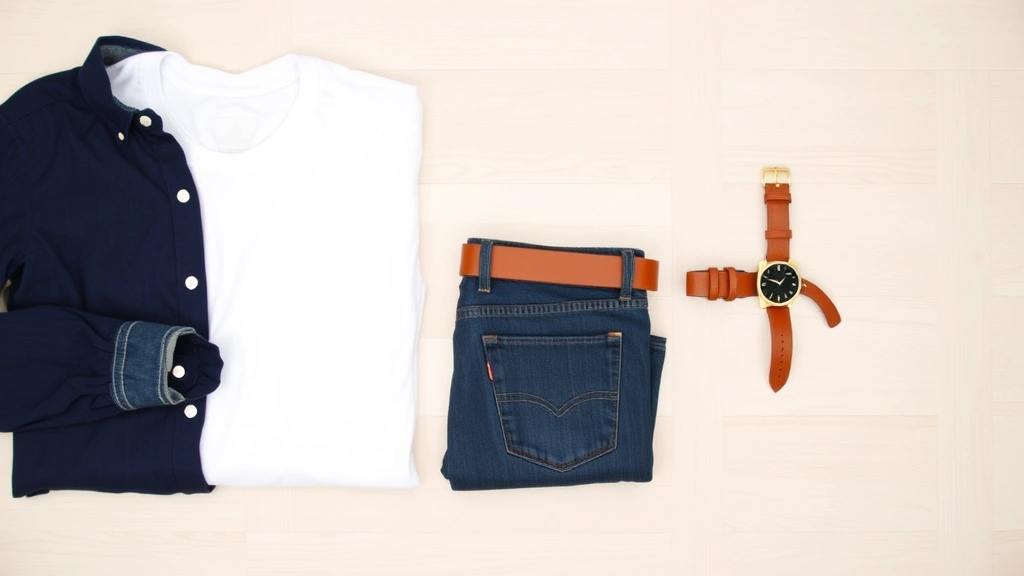
How you style and accessorize pieces dramatically impacts their perceived value. Invest strategically in accessories that elevate budget basics into polished outfits. A quality leather belt, classic watch, or well-fitting glasses transform a simple t-shirt and jeans into a deliberately styled ensemble. Accessories represent the most efficient budget investment because they work across numerous outfits and last years with proper care.
Proper fit trumps price every single time. A $20 shirt tailored to fit perfectly looks exponentially better than a $200 ill-fitting designer piece. Many dry cleaners offer affordable alterations—hemming pants costs $10-15, tapering costs $15-25, and adjusting sleeve length costs $10-20. These small investments transform budget pieces into custom-fitted garments that rival expensive tailored items. Understanding your style through a fashion style quiz helps you make tailoring choices that enhance your personal aesthetic.
Layering creates visual depth and extends your wardrobe’s versatility. A simple white t-shirt becomes multiple outfits when layered under different sweaters, jackets, or button-ups. This technique works year-round, adding winter warmth and summer style. Master layering proportions—fitted base layers under looser outer pieces create balanced silhouettes, while oversized bases under fitted jackets look intentional rather than sloppy.
Develop a signature style element—whether it’s rolled cuffs, specific watch choices, or particular shoe styles—that makes budget pieces feel personally curated. This intentionality signals confidence and style awareness, elevating perception of even basic pieces. Consistency in small details creates a cohesive aesthetic that reads as deliberate and expensive, regardless of actual cost.
Grooming and presentation matter as much as clothing. Well-maintained hair, clean nails, and proper grooming instantly elevate any outfit. A fresh haircut costs $20-40 but dramatically improves your overall appearance. This investment in personal presentation costs far less than designer clothing but yields comparable style improvements. Understanding fashion history helps you distinguish timeless styling choices from temporary trends.
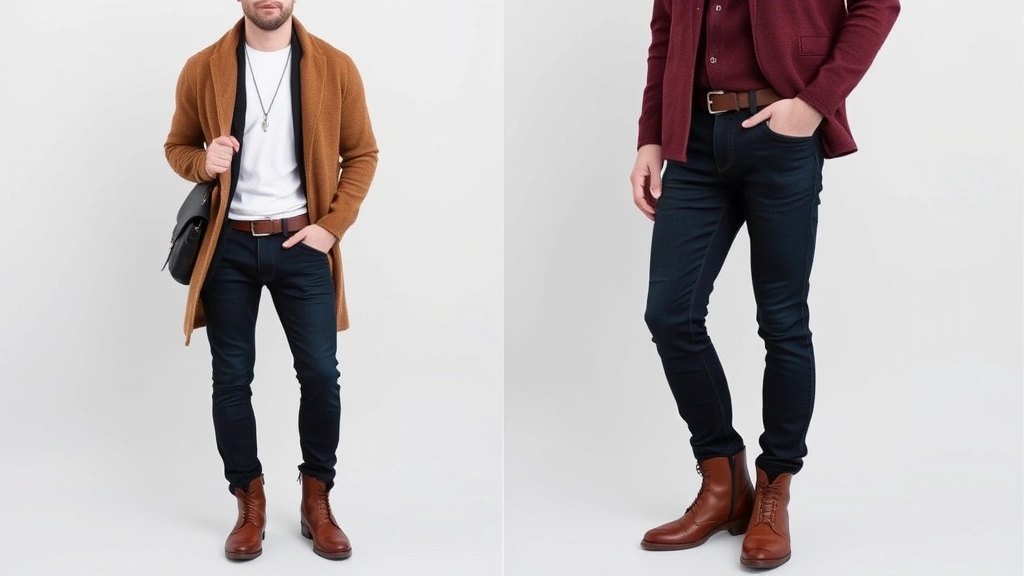
Confidence is the ultimate styling hack that costs nothing. Wear your budget pieces like they’re designer items, and others will perceive them accordingly. Hesitancy and apologetic styling read as cheap; confident ownership reads as intentional. The most expensive-looking outfit combines quality basics, perfect fit, thoughtful styling, and genuine confidence in your choices.
FAQ
What’s the best budget for starting a frugal wardrobe?
Start with $300-500 for foundational pieces: two pairs of jeans ($40-60 each), five basic t-shirts ($15-25 each), one button-up shirt ($30-50), one sweater ($25-40), and one jacket ($60-100). This creates numerous outfit combinations while remaining budget-friendly. Add accessories gradually as funds allow.
Which budget brands offer the best quality?
Uniqlo, J.Crew Factory, Gap, and Banana Republic Factory consistently deliver quality basics at reasonable prices. For vintage and thrifted options, focus on heritage brands like Levi’s, Brooks Brothers, and Ralph Lauren. GQ’s style guides regularly highlight quality budget-friendly options worth exploring.
How often should I buy new clothes?
Quality basics require replacement every 1-2 years depending on wear frequency. Invest in versatile pieces you’ll wear repeatedly rather than trendy items worn occasionally. A well-maintained $30 shirt worn 100 times costs 30 cents per wear, while a $100 trendy piece worn 10 times costs $10 per wear.
Are online budget retailers trustworthy?
Established online retailers like ASOS, H&M, and Uniqlo maintain quality standards and reliable return policies. Read reviews before purchasing from unknown sellers. Check return policies carefully—budget retailers often offer free returns, protecting your investment if sizing or quality disappoints.
How do I avoid looking cheap while dressing on a budget?
Focus on fit, cleanliness, and intentional styling rather than brand names. Well-maintained budget pieces with perfect fit look far better than expensive ill-fitting items. Develop a cohesive color palette, invest in quality basics, and add personality through strategic accessories and styling choices.
What’s the best way to build a budget wardrobe quickly?
Prioritize foundational pieces first: basics in neutral colors that form your outfit foundation. Add secondary colors and patterns gradually. Thrifting accelerates wardrobe building by offering multiple quality pieces for the cost of one new item. Focus on pieces that coordinate with existing items rather than standalone statement pieces.