Upgrade Your Casual Wardrobe: Expert Advice on Men’s Casual Wear Fashion
The modern man’s casual wardrobe is no longer an afterthought—it’s a carefully curated collection that speaks volumes about personal style, confidence, and lifestyle choices. Whether you’re working from home, meeting friends, or running errands, your casual wear sets the tone for how the world perceives you. Men’s casual wear fashion has evolved dramatically over the past decade, moving beyond basic jeans and t-shirts into a sophisticated realm where comfort meets intentional styling.
Upgrading your casual wardrobe doesn’t mean abandoning comfort or breaking the bank. It’s about making strategic choices that maximize versatility, quality, and personal expression. According to style experts at Vogue, the foundation of an excellent casual wardrobe lies in understanding your lifestyle, body type, and color preferences. This comprehensive guide will walk you through expert strategies to transform your everyday look into something that feels authentically you while maintaining that effortless, relaxed aesthetic that defines great casual style.
The key to building a wardrobe that works is understanding that casual doesn’t mean careless. Every piece should serve a purpose, coordinate with multiple other items, and reflect your personal aesthetic. Let’s dive into the actionable advice that will revolutionize how you approach men’s casual wear fashion.
Foundation Pieces: Building Your Casual Base
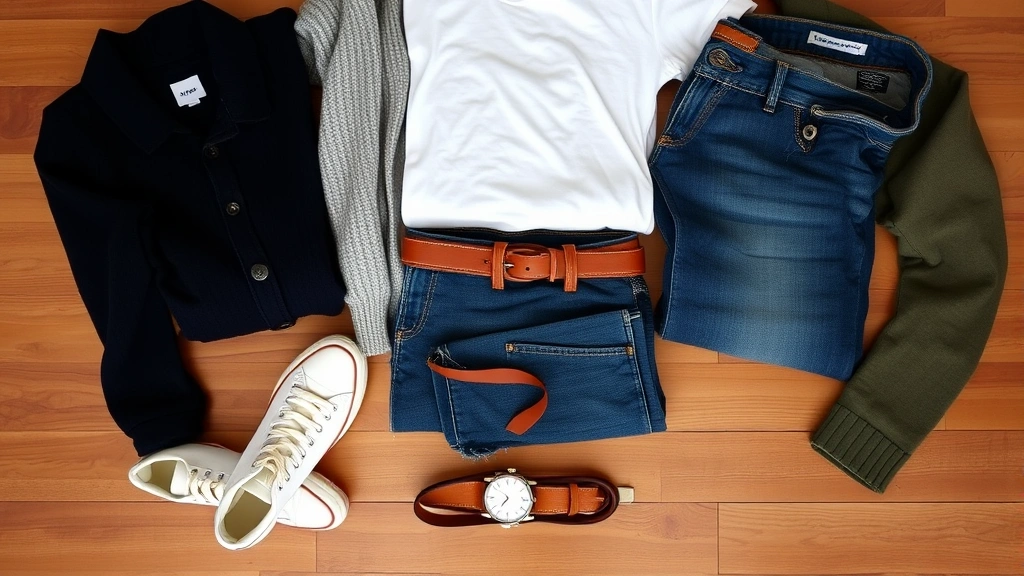
Every exceptional casual wardrobe starts with foundational pieces that serve as the backbone for countless outfit combinations. These essentials are the items you’ll reach for repeatedly, so investing in quality here pays dividends. Think of these as your wardrobe’s infrastructure—they should be timeless, versatile, and capable of pairing with multiple other pieces.
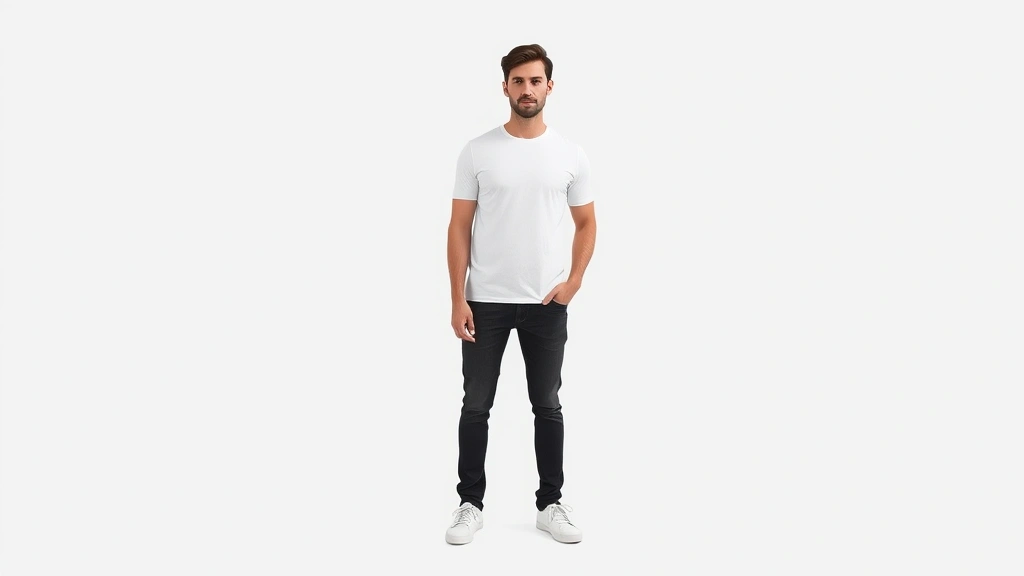
The classic white t-shirt is non-negotiable. Not just any white tee, but one that fits your body well, maintains its color through multiple washes, and feels comfortable enough to wear all day. Pair this with a quality pair of dark denim jeans that fit your frame perfectly. Dark indigo or black denim serves as a neutral base that works with nearly everything in your closet. Consider adding a medium-wash option as well for warmer months or lighter aesthetic preferences.
Beyond basic tees and jeans, neutral-colored casual button-up shirts form another critical foundation layer. A light gray, cream, or soft blue casual shirt works beautifully layered over t-shirts or worn alone on warmer days. These pieces from fashion types categories represent the backbone of versatile styling. Plain crew neck sweaters in neutral tones—charcoal, navy, oatmeal, and black—provide dimension and warmth while maintaining maximum versatility.
Don’t overlook chinos in your casual wardrobe foundation. Khaki, olive, and navy chinos offer a step up from jeans while remaining thoroughly casual. They’re perfect for situations where jeans might feel too informal but you still want to maintain that relaxed vibe. The beauty of chinos lies in their ability to transition between casual and business-casual settings, giving you more outfit options from fewer pieces.
Color Theory and Palette Selection
Understanding color theory transforms your ability to create cohesive, visually appealing outfits. Rather than randomly selecting colors you like, strategic color selection ensures your pieces work harmoniously together. Start by identifying your undertone—warm, cool, or neutral—as this determines which colors will make you look healthier and more vibrant.
For those with warm undertones, earthy colors like rust, warm browns, olive greens, and warm grays feel natural and flattering. Cool undertones benefit from jewel tones, cool grays, navy, and cooler reds. If you’re unsure, neutral undertones give you flexibility with both warm and cool palettes. Creating a personal color palette of 5-7 core colors ensures every piece in your wardrobe coordinates with most others.
The concept of a personal style directly connects to your color choices. Neutrals should dominate your casual wardrobe—think black, navy, gray, white, cream, and tan. These anchor pieces allow you to introduce accent colors through secondary pieces like sweaters, casual shirts, or accessories. One or two statement colors—perhaps a deep burgundy or forest green—add personality without compromising versatility.
Consider the 80/20 rule: let neutrals comprise about 80 percent of your wardrobe, with accent colors making up the remaining 20 percent. This approach ensures maximum outfit combinations while maintaining visual coherence. When shopping, always consider how a new piece coordinates with items already in your closet rather than evaluating pieces in isolation.
Fit and Tailoring: The Game Changer
Fit is absolutely paramount in men’s casual wear fashion, yet it’s often overlooked in favor of trend-chasing. The most expensive designer piece will look mediocre if the fit isn’t right, while a moderately priced item tailored perfectly will appear premium. Understanding your body type and how clothes should sit on your frame is foundational knowledge every man should possess.
For t-shirts, the fabric should skim your torso without clinging or billowing. The shoulder seam should sit at your natural shoulder point, not drooping down your arm or pulling tightly. Sleeve length should end approximately mid-bicep. For casual button-up shirts, you want enough room to move comfortably but not so much that fabric bunches at the waist or pulls across the chest.
Jeans and pants should sit comfortably at your natural waist without requiring a belt to stay up, though a belt can certainly be a styling choice. The inseam should reach your shoe with just a slight break—not stacking on your shoe or showing excessive ankle. Baggy silhouettes might feel comfortable, but a modern, streamlined fit flatters most body types better while maintaining that casual aesthetic.
Investing in basic tailoring transforms your entire wardrobe’s impact. A professional tailor can adjust inseams, taper legs, take in waists, or adjust sleeve lengths for a minimal cost that pays massive dividends. Many pieces are worth tailoring—quality jeans, favorite sweaters, and well-made casual shirts all benefit from professional adjustments. This practice alone elevates your overall presentation more than most other wardrobe upgrades.
Layering Techniques for Versatility
Mastering layering dramatically increases your casual wardrobe’s functionality and visual interest. Layering isn’t just about staying warm; it’s a sophisticated styling technique that adds depth and complexity to simple pieces. The key is understanding proportions and how different textures interact.
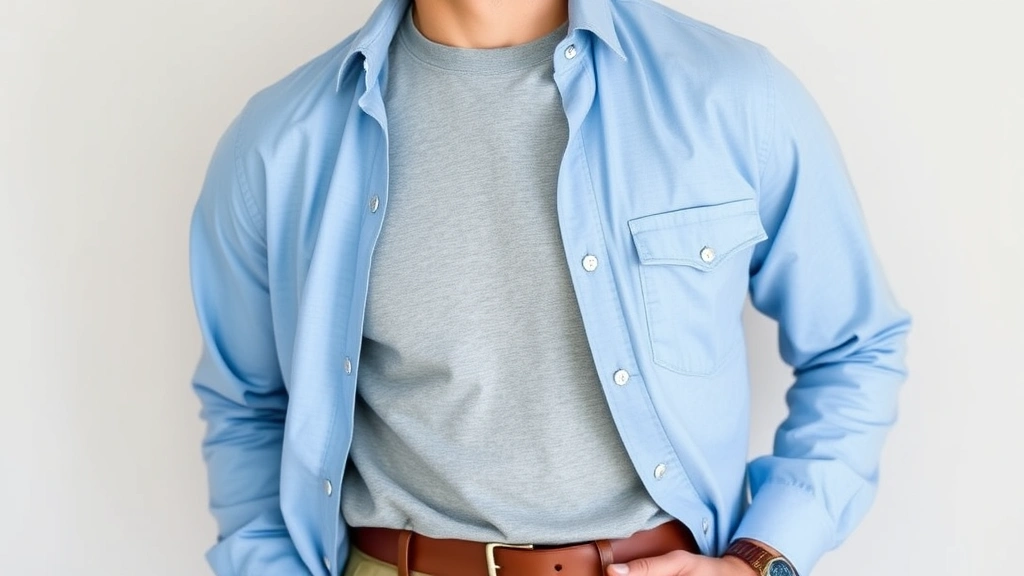
The classic casual layering combination starts with a fitted t-shirt as your base layer. Add a casual button-up shirt worn open over the tee for an effortless, lived-in aesthetic. This combination works for nearly any season and situation. For cooler weather, add a sweater or lightweight jacket as your third layer. The proportions matter—if your base layer is fitted, your outer layer can be slightly more relaxed, or vice versa.
Explore different fashion styles to understand how various subcultures approach layering. Streetwear emphasizes oversized proportions with deliberately clashing layers, while minimalist casual style favors streamlined, coordinated layers. Understanding these approaches helps you develop your own layering philosophy that feels authentic to your personal aesthetic.
Texture mixing elevates layering from basic to sophisticated. Combine smooth cotton with structured denim, or add a textured knit sweater over a smooth button-up. These textural contrasts create visual interest and prevent outfits from feeling flat or boring. Consider how different materials catch light and create shadow—this subtle play of light and texture is what separates good casual style from exceptional casual style.
Seasonal layering requires different strategies. In spring and fall, lightweight jackets, cardigans, and overshirts become your primary layering tools. Summer layering focuses on breathable materials and loose fits that allow air circulation. Winter demands heavier options like sweaters, fleece-lined jackets, and insulated outerwear. The beautiful thing about solid layering fundamentals is they apply across all seasons.
Footwear Strategies for Every Occasion
Shoes anchor every outfit, yet many men default to the same worn sneakers repeatedly. Building a diverse footwear collection doesn’t require excessive pairs—instead, focus on versatile styles that work across multiple outfit combinations. Think of shoes as investment pieces that deserve careful consideration.
White leather sneakers serve as the ultimate casual foundation shoe. They pair with virtually everything, from jeans to chinos to casual shorts. Quality matters significantly here—premium leather sneakers age beautifully and feel comfortable for extended wear. Brands like Common Projects or domestic alternatives offer excellent options at various price points.
Canvas sneakers in neutral colors provide a more relaxed alternative to leather. These work beautifully for weekend wear, casual errands, or when you want a slightly less polished aesthetic. They’re also typically more affordable, making them excellent for experimentation with different styles and colors.
Chelsea boots bridge the gap between casual and dressier occasions. A well-fitted Chelsea boot in tan, brown, or black elevates casual outfits while remaining thoroughly wearable for everyday situations. These shoes work particularly well with chinos or tailored casual pants, offering versatility that justifies the investment.
Loafers add sophistication to casual wear without feeling formal. Leather loafers work beautifully with chinos for elevated casual occasions, while suede versions feel slightly more relaxed. Boat shoes offer a similar vibe with a more nautical aesthetic. Both options work well in warmer months and transition beautifully between casual and business-casual settings.
Don’t neglect specialty footwear for specific activities. Quality running shoes for exercise, sandals or slides for home wear, and perhaps hiking boots if you enjoy outdoor activities round out a comprehensive footwear collection. The goal is having the right shoe for each context rather than forcing one shoe to work everywhere.
Accessorizing Like a Pro
Accessories are where personality truly shines in casual wear. While the foundation pieces remain relatively neutral and consistent, accessories allow expression without requiring constant wardrobe overhauls. Strategic accessorizing separates basic casual wear from curated, intentional style.
Watches serve as both functional accessories and style statements. A versatile watch in stainless steel or leather band works with nearly any casual outfit. Avoid overly sporty designs unless that aligns with your personal aesthetic; instead, seek timeless designs that age gracefully. Quality doesn’t always mean expensive—reliable brands at mid-range prices offer excellent value.
Belts deserve more attention than they typically receive. A quality leather belt in brown and black covers most situations. Leather improves with age, developing character and patina that synthetic alternatives cannot match. Avoid oversized buckles or trendy designs that may feel dated quickly; instead, opt for classic simplicity that coordinates with multiple outfits.
Bags and backpacks are functional accessories that significantly impact your overall aesthetic. A quality canvas or leather messenger bag works for casual outings, while a structured backpack suits more active lifestyles. Choose neutral colors that coordinate with your wardrobe’s core palette. The investment in quality materials pays dividends through years of reliable use.
Hats add visual interest and serve practical purposes in sunny or cold weather. A classic baseball cap, beanie, or structured hat in neutral colors works across multiple outfits. Avoid novelty designs or overly branded options that distract from your overall aesthetic. Hats should feel like a natural extension of your style rather than a costume element.
Scarves work beautifully for fall and winter styling, adding color, texture, and warmth. Choose materials that complement your climate—lightweight cotton or linen for mild seasons, wool or cashmere for serious cold. Neutral colors typically work best, though a patterned scarf can add personality if it coordinates with your color palette.
Fabric Quality and Material Selection
Understanding fabric quality separates investment pieces from disposable fast fashion. Quality fabrics feel better, age better, and provide superior longevity. Learning to identify quality materials empowers you to make purchasing decisions that serve your wardrobe long-term.
Cotton remains the gold standard for casual wear. Look for high thread count cotton that feels soft and substantial. Pima and Egyptian cotton offer superior quality compared to standard cotton. Jersey knit cotton works beautifully for t-shirts, while heavier cotton suits jeans and casual shirts. The weight and weave of cotton dramatically affect how it performs and ages.
Denim quality varies dramatically. Raw or selvedge denim develops unique fading patterns over time, creating personalized character. The weight matters—heavier denim (14+ ounces) lasts longer and develops richer patina. Lighter denim (under 12 ounces) feels more comfortable in warmer weather but may not age as gracefully. Understanding denim construction helps you select pieces that will improve with wear.
Wool offers warmth, breathability, and natural durability. Merino wool especially works well for casual wear, offering softness that traditional wool often lacks. Wool sweaters and cardigans develop character over time while resisting odor better than synthetic alternatives. Higher wool content typically indicates better quality, though blends with small percentages of synthetics can improve durability.
Synthetic materials serve purposes when chosen intentionally. Technical fabrics offer moisture-wicking properties valuable for active wear. However, avoid low-quality synthetics that pill, fade quickly, or feel unpleasant against skin. When synthetics are part of the blend, ensure they’re included for functional reasons rather than cost-cutting.
Linen brings elegance and breathability to warm-weather casual wear. Linen wrinkles naturally, which many consider part of its charm. Quality linen softens with washing while maintaining its structure. Pure linen or linen blends work beautifully for summer casual shirts, creating that effortlessly relaxed aesthetic perfect for warm months.
Seasonal Transitions and Wardrobe Rotation
A sophisticated casual wardrobe adapts to seasonal changes while maintaining core consistency. Rather than completely changing your wardrobe seasonally, smart rotation ensures you’re wearing appropriate pieces while maximizing existing items through strategic layering and material choices.
Spring transitional dressing requires versatility as temperatures fluctuate. Lightweight sweaters, overshirts, and casual blazers layer beautifully over t-shirts. Canvas or linen pants replace heavier denim for warmer days. Footwear transitions to lighter materials and brighter colors. Building your style through understanding fashion history helps you appreciate how seasonal dressing has evolved and influenced contemporary casual wear.
Summer casual wear emphasizes breathability and lighter colors. Linen becomes your friend—linen pants, shirts, and blends all work beautifully. Lighter denim in medium or light washes feels more appropriate than heavy winter denim. Neutral and slightly brighter colors work well. Footwear transitions to canvas sneakers, loafers, or sandals. Layers become minimal, with focus on individual pieces that work alone.
Fall reintroduces layering opportunities as temperatures cool. Sweaters, cardigans, and casual jackets become primary pieces. Richer, warmer colors feel natural. Heavier fabrics return—denim, wool, and corduroy gain prominence. Footwear transitions to leather options, boots, and closed-toe designs. This season offers maximum styling flexibility with multiple layering possibilities.
Winter demands practical considerations while maintaining style. Quality outerwear becomes essential—invest in a well-fitting winter coat that complements your casual aesthetic. Heavier sweaters, thermal layers, and insulated pieces become wardrobe staples. Darker colors dominate, though strategic accent colors prevent monotony. Footwear prioritizes warmth and traction, with boots becoming practical necessities.
Rather than buying entirely new seasonal wardrobes, work with a capsule wardrobe approach where core pieces remain consistent year-round, supplemented with seasonal items. This strategy maximizes outfit combinations while keeping wardrobe management manageable. Each season, evaluate what works and what doesn’t, gradually refining your collection toward pieces that genuinely serve your lifestyle.
FAQ
How much should I spend building a casual wardrobe?
Quality casual wardrobe building doesn’t require excessive spending. Focus on foundational pieces first—a few quality t-shirts, jeans, and basic sweaters establish the base. Spending $50-100 on foundational pieces and $100-200 on outerwear or shoes represents reasonable investments that provide years of wear. Rather than buying many cheap items, purchase fewer quality pieces that last longer and look better. Building gradually prevents overwhelming purchases while allowing your style to evolve naturally.
How do I know if something fits properly?
Proper fit means clothing skims your body without clinging or billowing. Shoulders should sit at your natural shoulder point, not drooping or pulling. Sleeves should end at your wrist or mid-bicep depending on the garment. Pants should sit comfortably at your natural waist without requiring constant adjustment. Try on multiple sizes and brands—sizing varies dramatically. When in doubt, slightly loose fits better than tight fits, as tailoring can take items in more easily than letting them out.
What’s the minimum number of pieces needed for a functional casual wardrobe?
A basic functional casual wardrobe includes: three quality t-shirts, two pairs of jeans or pants, two casual button-up shirts, one sweater, one pair of casual shoes, and one pair of dressier shoes. This foundation creates approximately 15-20 outfit combinations. As you expand, add pieces that coordinate with existing items rather than introducing completely new colors or styles. This approach ensures maximum versatility from minimum pieces.
How often should I update my casual wardrobe?
Rather than seasonal overhauls, gradually introduce new pieces throughout the year as items wear out or your style evolves. Quality pieces should last years, so frequent replacement shouldn’t be necessary. Focus on replacing worn basics and adding occasional accent pieces that refresh your aesthetic. A well-built casual wardrobe remains relevant for years with minimal updates, distinguishing it from trend-driven fashion that requires constant changes.
Can I mix casual and dressier pieces?
Absolutely. This mixing creates interesting, modern casual style. Pair tailored blazers with jeans, dress shirts with casual pants, or quality loafers with t-shirts. The key is balancing proportions and formality levels—if the bottom is casual, the top can be slightly dressier, or vice versa. This approach prevents looking either too casual or too formal while creating sophisticated, intentional outfits that work across multiple situations.
How do I develop my personal casual style?
Take the fashion style quiz to identify preferences, then explore style inspiration through blogs and social media. Save outfits that resonate with you, noting common themes in colors, silhouettes, and aesthetics. Experiment with different pieces to discover what makes you feel confident and comfortable. Your personal casual style emerges from understanding your lifestyle, body type, and aesthetic preferences, then making intentional choices that reflect these elements.