
Embrace Japanese Vintage? Expert Insights on Old Fashioned Style
Japanese vintage fashion represents one of the most compelling aesthetic movements of our generation. Far beyond mere nostalgia, japanese old fashioned style embodies a sophisticated philosophy that merges minimalism, craftsmanship, and timeless elegance. From the streets of Tokyo to international runways, this aesthetic has transcended cultural boundaries to become a global phenomenon that resonates with fashion-conscious individuals seeking authenticity and depth in their wardrobes.
The resurgence of Japanese vintage aesthetics isn’t accidental—it’s a deliberate rejection of fast fashion excess and a return to quality, intentionality, and cultural reverence. Whether you’re drawn to the structured silhouettes of 1950s Japanese tailoring, the avant-garde minimalism of 1990s Japanese designers, or the intricate details of traditional garments reimagined for contemporary wear, there’s an undeniable magic in embracing this distinctive style narrative.
Understanding Japanese Vintage Fashion Heritage
The history of Japanese fashion is a rich tapestry woven from centuries of cultural evolution, external influences, and indigenous innovation. To truly appreciate japanese old fashioned style, we must understand the historical context that shaped these distinctive aesthetic principles. Japan’s fashion narrative differs fundamentally from Western traditions, emphasizing harmony, balance, and the beauty of imperfection—concepts deeply rooted in Zen Buddhism and traditional Japanese arts.
The Meiji period (1868-1912) marked a pivotal moment when Japan began integrating Western fashion influences while simultaneously protecting traditional garment construction methods. This duality created a unique fashion laboratory where Eastern sensibilities met Western tailoring techniques. Post-World War II Japan experienced another transformative period, developing distinctive silhouettes that would later influence global fashion movements.
The 1960s and 1970s witnessed the emergence of Japanese fashion as an independent force. Designers began experimenting with deconstruction, asymmetrical cuts, and unconventional fabric combinations—elements that would define the Japanese vintage aesthetic we recognize today. This era produced garments that weren’t merely clothing; they were wearable art pieces that challenged conventional notions of beauty and functionality.
Understanding this heritage helps explain why fashion history timelines consistently highlight Japanese contributions as revolutionary. The vintage pieces from these periods carry historical weight and philosophical depth that contemporary fast fashion cannot replicate.
Key Elements of Japanese Old Fashioned Style
Japanese vintage fashion is distinguished by several signature elements that create its instantly recognizable aesthetic. These characteristics emerge from both practical considerations and deep cultural values that prioritize restraint, quality, and purposeful design.
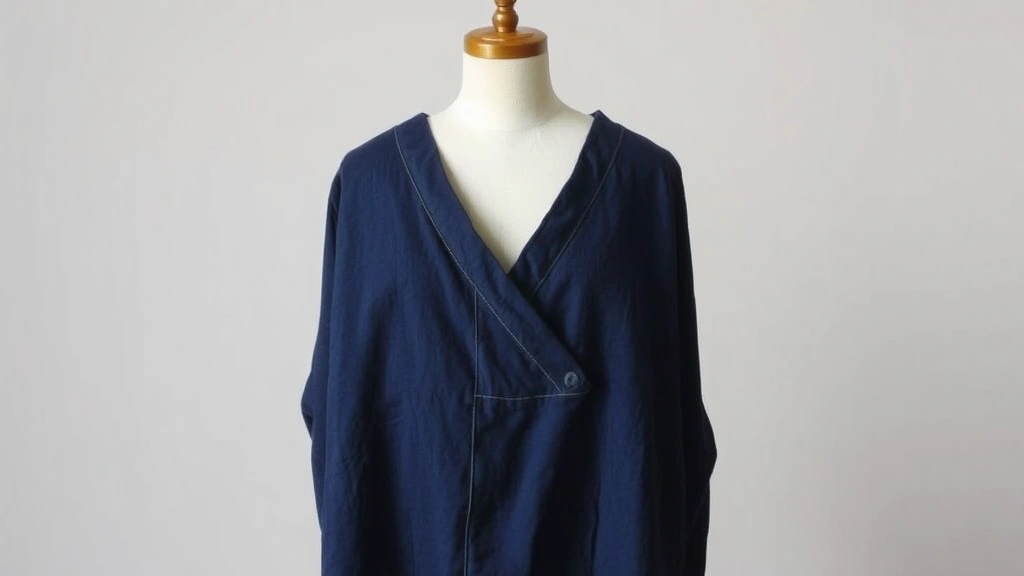
Minimalist Color Palettes: Traditional Japanese vintage favors neutral tones—black, white, indigo, grey, and natural beige. These colors reflect nature’s subtlety and allow focus to shift toward fabric texture and garment construction rather than bold chromatic statements. This restraint creates an elegant sophistication that transcends seasonal trends.
Impeccable Craftsmanship: Japanese artisans are renowned for meticulous attention to detail. Vintage Japanese garments showcase hand-stitched seams, carefully finished hems, and construction methods that prioritize longevity over rapid production. Every element serves a purpose; nothing is superfluous.
Asymmetrical Silhouettes: Rejecting Western symmetry, Japanese vintage fashion embraces asymmetry as a dynamic principle. Off-center closures, uneven hemlines, and deliberately unbalanced proportions create visual interest while maintaining overall harmony—a concept known as yohaku no bi, or beauty of emptiness.
Layering Techniques: Japanese styling emphasizes strategic layering that reveals and conceals simultaneously. This approach creates depth and visual complexity while maintaining the minimalist aesthetic. Vintage pieces often feature unexpected fabric combinations that demonstrate sophisticated understanding of texture interplay.
Natural Fabrics: Linen, cotton, silk, and hemp dominate vintage Japanese garments. These natural materials age beautifully, developing character and patina over time—a quality Japanese culture deeply values. Synthetic materials rarely appear in authentic vintage pieces, reflecting a philosophy that prioritizes natural harmony.
When exploring different fashion styles, Japanese vintage consistently emerges as the most philosophically coherent approach to dressing intentionally.
The Philosophy Behind Minimalist Japanese Aesthetics
To genuinely embrace Japanese vintage fashion, one must understand the philosophical underpinnings that distinguish it from Western minimalism. Japanese aesthetics draw from Zen Buddhism, Shintoism, and centuries of artistic tradition that value restraint, impermanence, and the profound beauty found in simplicity.
Wabi-Sabi: This central aesthetic principle celebrates imperfection, impermanence, and the incomplete. In fashion terms, wabi-sabi appreciates vintage garments that show wear, faded colors, and subtle damage—not as flaws, but as evidence of lived experience and authentic beauty. A vintage Japanese kimono with slightly faded indigo dye becomes more beautiful precisely because it has aged.
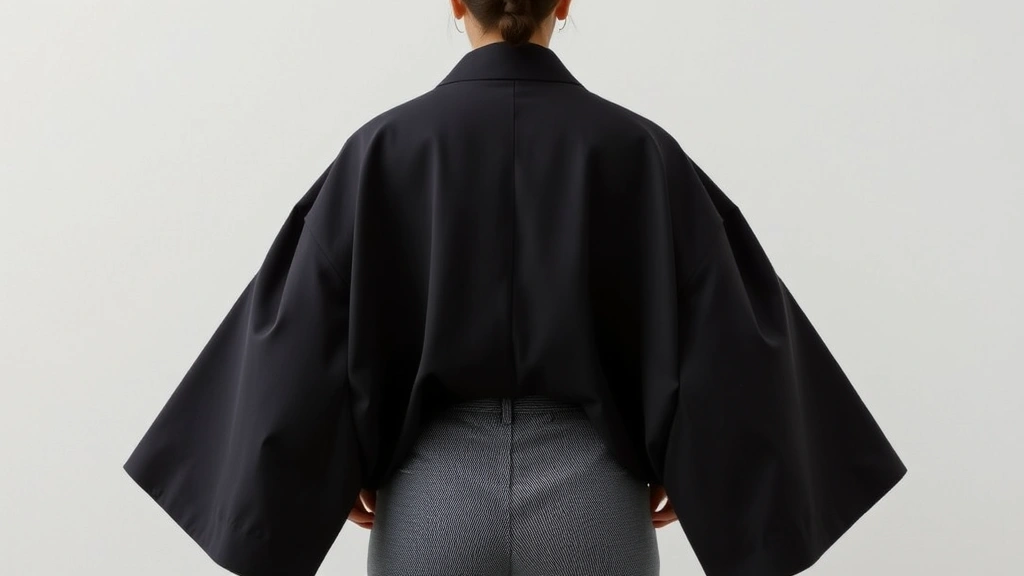
Yohaku no Bi (Beauty of Emptiness): Rather than filling every space with pattern or embellishment, Japanese design celebrates negative space. A vintage haori jacket might feature vast expanses of unadorned fabric, allowing the wearer’s silhouette and movement to provide visual interest. This restraint requires tremendous confidence and demonstrates sophisticated design thinking.
Ma (Negative Space): In Japanese design philosophy, empty space isn’t absence—it’s presence. Vintage Japanese garments strategically employ ma to create visual rhythm and psychological comfort. This principle explains why Japanese vintage pieces feel so serene and effortless despite their structural complexity.
Shibui (Subtle Excellence): This aesthetic values understated elegance over obvious luxury. Shibui appreciates quality that reveals itself gradually—a vintage silk fabric that becomes increasingly lustrous with wear, or a perfectly proportioned sleeve that flatters without drawing immediate attention. Shibui represents the antithesis of conspicuous consumption.
These philosophical principles transform vintage Japanese fashion from mere aesthetic preference into a complete lifestyle philosophy. Embracing this style means adopting values of mindfulness, sustainability, and intentional consumption that extend far beyond clothing.
Incorporating Vintage Japanese Pieces Into Modern Wardrobes
The beauty of Japanese vintage fashion lies in its remarkable versatility. These pieces integrate seamlessly into contemporary wardrobes when approached with understanding and intentionality. Successfully incorporating vintage Japanese garments requires moving beyond treating them as costume elements and recognizing them as foundational wardrobe pieces.
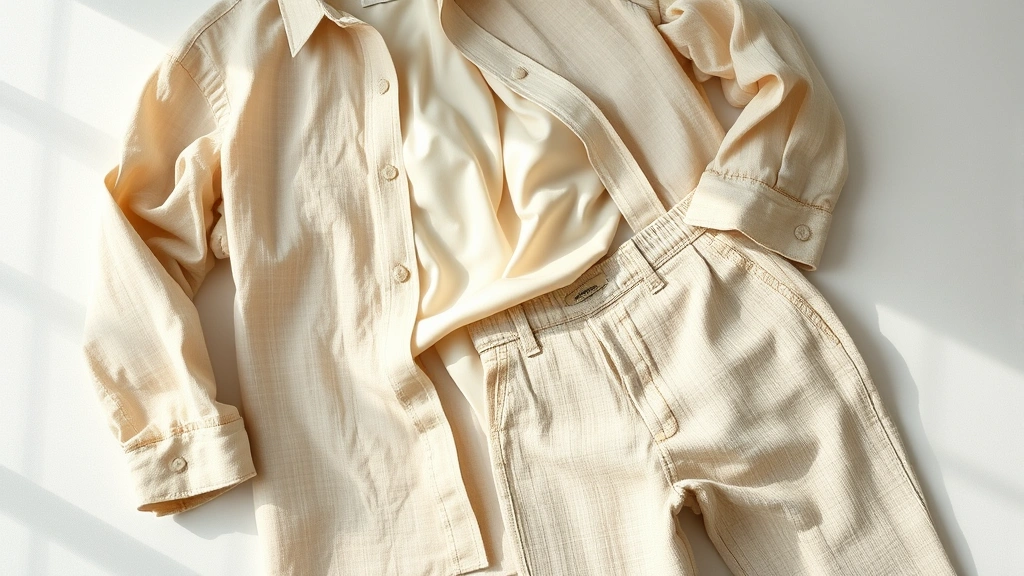
Start with Basics: Begin your Japanese vintage journey with fundamental pieces—simple linen trousers, unadorned cotton shirts, or classic indigo denim. These foundational items teach you how Japanese silhouettes interact with your body and establish the aesthetic foundation for more experimental pieces.
Embrace Neutral Layering: Build outfits around neutral color foundations, adding visual interest through fabric texture and layering rather than chromatic variety. A cream linen shirt beneath a charcoal wool vest, topped with a natural linen overshirt, demonstrates Japanese styling sophistication without relying on color coordination.
Mix Vintage and Contemporary: Authentic Japanese styling doesn’t require head-to-toe vintage dressing. Pair a vintage Japanese jacket with modern basics, or style a contemporary outfit with a single vintage accessory. This approach creates compelling visual tension while maintaining wearability.
Respect Proportions: Japanese vintage pieces often feature unusual proportions—oversized sleeves, cropped lengths, or unexpected volume in unexpected places. Rather than fighting these proportions, embrace them as design features. Allow an oversized vintage haori to drape dramatically, or style cropped vintage trousers with modern sneakers to highlight their distinctive length.
Focus on Quality Over Quantity: Rather than accumulating numerous vintage pieces, invest in exceptional garments that demonstrate superior craftsmanship and timeless appeal. One perfectly constructed vintage Japanese jacket will serve your wardrobe more effectively than dozens of mediocre pieces.
Learning how to find your personal style often involves exploring different cultural fashion traditions, and Japanese vintage offers a particularly rewarding avenue for this exploration.
Sourcing Authentic Japanese Vintage Garments
Finding authentic, high-quality Japanese vintage pieces requires knowledge, patience, and discerning judgment. The growing popularity of this aesthetic has unfortunately spawned numerous reproductions and inauthentic pieces marketed as vintage Japanese fashion.
Specialized Vintage Retailers: Seek out retailers specializing specifically in Japanese vintage clothing. These experts understand construction methods, fabric qualities, and historical context that general vintage dealers may overlook. Tokyo-based shops like Kapital and Beams Japan maintain extensive vintage collections alongside contemporary offerings, providing authentic sourcing expertise.
Understanding Construction Details: Authentic vintage Japanese garments display specific construction characteristics. Hand-stitched seams, selvedge details, and traditional fabric treatments distinguish genuine pieces from contemporary reproductions. Examine stitching patterns, label placement, and fabric weight to verify authenticity.
Fabric Knowledge: Familiarize yourself with traditional Japanese fabrics—indigo-dyed cotton, natural linen, silk, and hemp. Authentic vintage pieces feature these natural materials with characteristic weight, drape, and aging properties. Synthetic fabrics rarely appear in genuine vintage Japanese garments predating the 1980s.
Online Marketplaces: Platforms like Grailed, Vestiaire Collective, and specialized Japanese vintage sites offer extensive selections. When shopping online, request detailed photographs showing construction details, fabric content labels, and any wear patterns. Communicate directly with sellers to verify piece history and authenticity.
Vintage Markets and Flea Fairs: Japanese cities host regular vintage markets where dealers sell directly to consumers. Tokyo’s Shimokitazawa district and Osaka’s vintage shops offer opportunities to examine pieces firsthand, assess quality, and negotiate prices. These experiences also provide cultural immersion that deepens appreciation for the aesthetic.
Thrift and Second-Hand Shops: Patient thrifting occasionally yields exceptional Japanese vintage discoveries. While less reliable than specialized retailers, thrift stores offer lower price points and the thrill of unexpected finds. Develop expertise in recognizing quality construction and authentic materials to maximize thrifting success.
Designer Perspectives and Contemporary Interpretations
Contemporary fashion designers continue drawing inspiration from Japanese vintage aesthetics, creating new interpretations that honor traditional principles while addressing modern needs. Understanding these designer perspectives illuminates why this aesthetic remains perpetually relevant.
Yohji Yamamoto’s Deconstruction Philosophy: Legendary designer Yohji Yamamoto revolutionized fashion by deconstructing garments, removing unnecessary elements, and reconstructing them with radical simplicity. His work represents the ultimate expression of Japanese vintage principles applied to contemporary design. Yamamoto’s pieces embody the belief that fashion should challenge and inspire rather than simply decorate.
Rei Kawakubo’s Conceptual Approach: Comme des Garçons founder Rei Kawakubo continues exploring Japanese aesthetic principles through experimental silhouettes and unconventional fabric combinations. Her work demonstrates how vintage Japanese values—particularly wabi-sabi and asymmetry—remain revolutionary when applied to contemporary contexts.
Contemporary Makers Honoring Tradition: A new generation of Japanese designers specifically creates contemporary pieces using vintage-inspired construction methods and materials. Brands like Kapital and Orslow produce garments that feel authentically vintage while incorporating modern functionality and sustainability practices.
Global Influence: Designers worldwide now reference Japanese vintage aesthetics—from European minimalists to American workwear brands. This global influence demonstrates how thoroughly these principles have penetrated contemporary fashion consciousness. The aesthetic has transcended cultural specificity to become a universal language for sophisticated, intentional dressing.
Exploring various fashion types reveals how Japanese vintage principles consistently appear across diverse contemporary interpretations and designer collections.
Industry experts and fashion influencers increasingly advocate for Japanese vintage aesthetics as a sustainable alternative to trend-driven fast fashion. This shift represents a fundamental change in how contemporary consumers approach personal style and wardrobe investment.
The Sustainability Argument for Vintage Japanese Fashion
Beyond aesthetic and philosophical considerations, embracing Japanese vintage fashion aligns with urgent sustainability imperatives. The fashion industry represents one of the world’s most environmentally destructive sectors, and vintage clothing offers a compelling alternative to new production.
Japanese vintage garments, constructed from natural materials using meticulous techniques, represent extraordinary durability. A vintage Japanese jacket purchased today might have already served thirty years of active wear while maintaining structural integrity. Continuing this garment’s lifecycle through contemporary wear extends its environmental impact across generations rather than decades.
The production of new garments demands enormous resources—water for cotton cultivation, chemicals for dyeing, energy for manufacturing, and transportation fuel for distribution. Vintage pieces bypass this entire destructive cycle. By choosing a pre-existing Japanese vintage shirt over purchasing new clothing, you eliminate the environmental cost of new production while acquiring a superior garment.
Japanese culture’s reverence for longevity and impermanence creates a philosophical framework perfectly aligned with sustainable consumption. Wabi-sabi appreciation for aging, patina, and visible wear transforms vintage garments from “secondhand” goods into increasingly valuable artifacts. This perspective shift—from viewing vintage as compromise to recognizing it as aspiration—fundamentally changes how we approach wardrobe building.
Investment Potential and Collecting Vintage Japanese Fashion
Serious vintage Japanese fashion enthusiasts recognize that exceptional pieces represent genuine investments. Certain vintage Japanese garments appreciate in value as their rarity increases and historical significance becomes more widely recognized.
Pieces from the 1960s-1980s Japanese fashion renaissance—particularly those by pioneering designers or featuring exceptional construction—command premium prices at auction and specialized retailers. A perfectly preserved vintage Yohji Yamamoto piece from the 1980s might cost more today than its original retail price, reflecting both rarity and growing recognition of Japanese fashion’s historical importance.
Building a curated vintage Japanese collection requires patience, knowledge, and genuine passion rather than speculative investment mentality. Focus on pieces that genuinely resonate aesthetically and philosophically, ensuring that even if monetary value remains static, the garments provide consistent wearable value and personal satisfaction.
Documentation matters significantly for collecting. Retain original tags, care labels, and any historical information accompanying pieces. Photograph garments thoroughly, noting construction details and condition. This documentation increases both practical usability and potential future value.
FAQ
What exactly defines “japanese old fashioned” style?
Japanese old fashioned style encompasses garments and aesthetic principles from Japan’s fashion history, emphasizing minimalism, impeccable craftsmanship, natural materials, and philosophical principles like wabi-sabi and yohaku no bi. Rather than a specific era, it represents a cohesive aesthetic philosophy that values quality, intentionality, and cultural authenticity over trend-driven consumption.
How can I distinguish authentic vintage Japanese pieces from reproductions?
Examine construction details—authentic pieces feature hand-stitched elements, selvedge details, and traditional fabric treatments. Check labels for Japanese text and manufacturing information. Assess fabric weight and natural fiber content; authentic vintage rarely uses synthetics. Request detailed photographs from sellers and communicate directly about piece history and provenance.
Is Japanese vintage fashion appropriate for everyday wear?
Absolutely. Japanese vintage pieces excel as everyday wardrobe foundations. Their superior construction ensures durability, while timeless designs transcend seasonal trends. Many people build entire functional wardrobes around quality vintage Japanese basics, proving these garments work beautifully in contemporary daily life.
Where should I begin if I’m new to Japanese vintage fashion?
Start by exploring StyleLoom Daily’s fashion blog for foundational knowledge about aesthetic principles. Then invest in fundamental pieces—simple linen trousers, basic cotton shirts, or classic indigo denim. These basics teach you how Japanese silhouettes work with your body while establishing aesthetic foundation for more experimental pieces.
How does Japanese vintage fashion relate to sustainable consumption?
Japanese vintage garments represent sustainability through longevity and durability. Constructed from natural materials using meticulous techniques, these pieces often possess decades of remaining lifespan. Choosing vintage eliminates the environmental cost of new production while acquiring superior quality—a perfect alignment of sustainability values and aesthetic aspiration.
Can I mix Japanese vintage pieces with contemporary clothing?
Yes, and this approach often creates the most compelling contemporary styling. Pair vintage Japanese jackets with modern basics, or style contemporary outfits with single vintage accessories. This mixture creates visual tension while maintaining wearability, demonstrating that Japanese vintage fashion integrates seamlessly into modern wardrobes.
What price range should I expect for authentic Japanese vintage?
Prices vary dramatically based on rarity, designer, condition, and age. Basic vintage Japanese basics might cost $50-150, while exceptional pieces from pioneering designers can reach several hundred or thousand dollars. Focus on finding pieces that represent value relative to their quality and construction rather than pursuing specific price points.
Are there specific eras of Japanese vintage fashion I should prioritize?
The 1960s-1980s represent the most celebrated period for Japanese fashion innovation, but exceptional pieces exist across multiple eras. Rather than focusing on specific decades, seek garments demonstrating superior construction, authentic materials, and design principles that resonate with your aesthetic values. Personal connection matters more than historical period.