Folklore Fashion: Top Trends from Designers
Folklore fashion has emerged as one of the most captivating and culturally rich movements in contemporary design. Drawing inspiration from centuries-old traditions, indigenous craftsmanship, and timeless storytelling, designers worldwide are reimagining heritage textiles and ancestral motifs for the modern wardrobe. This global phenomenon transcends mere aesthetics—it represents a profound celebration of cultural identity, sustainability, and artistic authenticity that resonates with conscious consumers seeking meaning in their style choices.
The resurgence of folklore-inspired designs marks a pivotal moment in fashion history where commercial appeal meets cultural reverence. From embroidered folk patterns adorning luxury runways to handwoven textiles becoming status symbols, the folklore fashion movement challenges fast fashion conventions while honoring the artisans and communities whose heritage fuels these creations. Leading designers are partnering with traditional craftspeople, reviving forgotten techniques, and weaving narratives of cultural pride into every stitch.
Whether you’re exploring different fashion types or seeking to understand emerging aesthetics, folklore fashion offers a compelling intersection of past and present. This comprehensive guide explores the top trends shaping this movement and provides insights into how you can incorporate these timeless elements into your contemporary wardrobe.
Embroidered Heritage Pieces
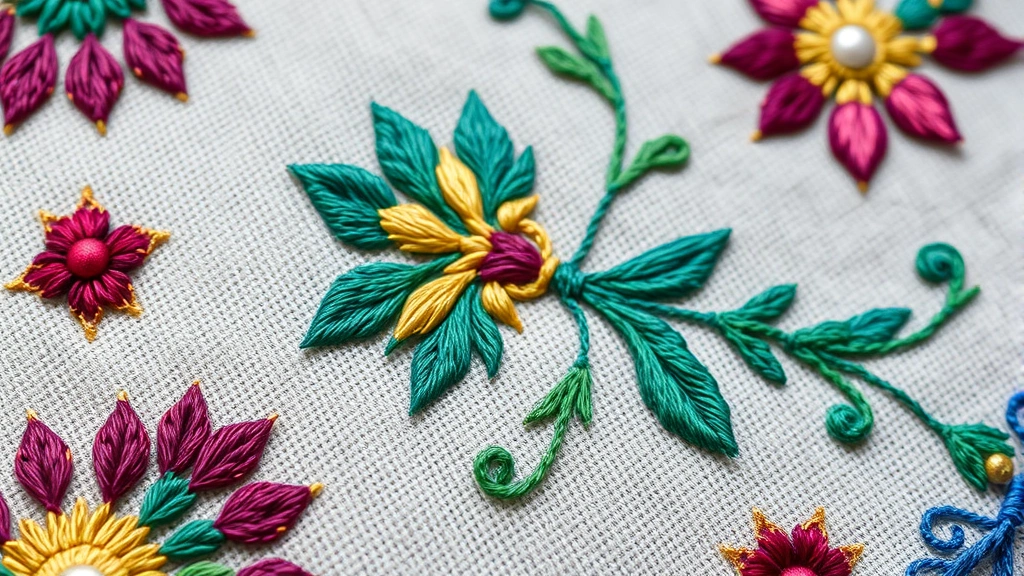
Embroidery stands as the cornerstone of folklore fashion, transforming garments into wearable art forms that tell stories spanning generations. Designers are elevating traditional embroidered techniques—from Romanian cross-stitch patterns to Mexican otomí designs, Ukrainian vyshyvanka motifs, and Indian phulkari weaving—into luxury fashion statements. These intricate handcrafted details create depth, texture, and cultural authenticity that mass-produced alternatives simply cannot replicate.
Contemporary designers are innovating by scaling embroidery techniques across unexpected silhouettes. Where traditional folk wear featured embellishment concentrated on specific garment areas, modern interpretations feature all-over embroidered bodysuits, delicately embroidered leather jackets, and minimalist dresses adorned with subtle heritage stitching. The precision and labor-intensity of hand embroidery elevate these pieces from casual wear to investment fashion, with some haute couture collections featuring embroidered garments that require hundreds of hours of artisan work.
The color complexity within folklore embroidery offers endless inspiration for contemporary palettes. Rich jewel tones—sapphire, emerald, ruby, and amethyst—intertwine with metallic threads creating dimensional depth. Designers like Vogue-featured artisans are experimenting with unexpected color combinations, merging traditional symbolism with modern sensibilities. A single embroidered garment might feature fifteen different thread colors, each selected to honor ancestral patterns while appealing to contemporary fashion sensibilities.
What makes embroidered heritage pieces particularly compelling is their storytelling capacity. Each motif carries meaning—flowers representing fertility, geometric patterns symbolizing protection, animals embodying spiritual significance. When you wear an embroidered folklore piece, you’re not simply wearing fashion; you’re wearing cultural narrative and ancestral wisdom.
Natural Textiles and Sustainable Craftsmanship
Folklore fashion inherently embraces sustainability through its celebration of natural textiles and time-honored production methods. Linen, wool, hemp, cotton, and silk remain the primary materials in traditional folk wear, and contemporary designers are championing these sustainable fibers as alternatives to synthetic fabrics. The texture and breathability of natural textiles create garments that age beautifully, developing character and patina over years of wear—a stark contrast to disposable fashion culture.
Hand-weaving represents perhaps the most labor-intensive yet rewarding aspect of folklore fashion production. Artisans spend weeks at looms creating single pieces, employing techniques unchanged for centuries. Ikat dyeing, where threads are resist-dyed before weaving to create intricate patterns, produces textiles of extraordinary complexity. Shibori techniques, originating from Japan, create unique indigo patterns through folding and binding. These methods ensure that no two pieces are identical, making each garment a singular artistic creation.
The sustainability narrative extends beyond material choices to encompass fair labor practices and community empowerment. Designers collaborating with traditional artisan communities ensure that heritage crafts remain economically viable. By valuing handmade textiles at prices reflecting true labor investment, the fashion industry supports cultural preservation while enabling artisans to maintain traditional livelihoods. This economic model challenges fast fashion’s exploitative practices while creating meaningful employment in rural and indigenous communities.
Natural dyes derived from plants, minerals, and insects create colors that synthetic alternatives cannot replicate. Indigo from leaves, madder root producing reds and oranges, cochineal insects yielding vivid crimsons—these traditional dye sources create rich, complex hues that develop and shift over time. The unpredictability of natural dyeing, once considered a limitation, is now celebrated as part of each garment’s unique character.
Traditional Color Palettes and Dyeing Techniques
Color represents perhaps the most visually striking element of folklore fashion. Traditional color palettes developed through centuries of cultural evolution, with specific hues carrying deep symbolic meaning. The deep indigo blues of Japanese textiles, the rich reds of Eastern European embroidery, the golden yellows of Mediterranean folk wear—these colors weren’t arbitrary but rather carefully selected through natural dye availability and cultural preference.
Contemporary folklore fashion collections feature sophisticated color stories rooted in traditional palettes yet reimagined for modern aesthetics. Designers are exploring monochromatic approaches, using multiple shades of single traditional colors to create refined, gallery-worthy collections. All-indigo pieces featuring various natural indigo depths create visual interest through tonal variation rather than chromatic diversity. These restrained palettes appeal to minimalist sensibilities while maintaining folklore authenticity.
The revival of natural dyeing techniques represents a significant sustainability shift within high fashion. Brands like luxury heritage houses are investing in natural dye research, partnering with botanical experts to source sustainable color materials. Madder root cultivation, woad growing, and indigo fermentation require substantial resources and knowledge, yet designers recognize these investments as essential to authenticity and environmental responsibility.
Ombré and gradient dyeing techniques create depth within single-color schemes, mimicking the natural variation of traditional hand-dyed textiles. Shibori indigo pieces featuring subtle white patterns against deep blue backgrounds showcase how traditional techniques create complexity without requiring multiple colors. These sophisticated approaches demonstrate that folklore fashion need not be visually loud to be culturally resonant.
” alt=”Folklore fashion detail showing intricate embroidered textile with traditional motifs in jewel tones and metallic threads on natural linen fabric”>
Cultural Fusion and Contemporary Design
The most innovative folklore fashion emerges at the intersection of cultural traditions and contemporary design principles. Designers are deconstructing traditional garments, extracting essential design elements, and reconstructing them into silhouettes that speak to modern bodies and lifestyles. A Ukrainian vyshyvanka’s embroidered neckline might inspire an asymmetrical modern dress, while Mexican rebozo weaving patterns could inform a contemporary coat’s construction.
Cross-cultural folklore fusion represents another compelling trend, where designers respectfully blend heritage elements from multiple traditions. Peruvian weaving techniques combined with Scandinavian minimalism, Indian block-printing merged with Japanese aesthetic principles, or African kente cloth patterns informing Western tailoring—these thoughtful combinations create collections that feel globally conscious and culturally sophisticated.
The key distinction between respectful cultural fusion and cultural appropriation lies in intention, credit, and community benefit. Ethical designers acknowledge source cultures explicitly, collaborate with traditional artisans from those communities, and ensure financial benefits flow to heritage keepers. Fashion industry commentators increasingly scrutinize designer claims of cultural inspiration, demanding transparency about sourcing, collaboration, and compensation.
Contemporary silhouettes infused with folklore elements create accessible entry points for consumers exploring this aesthetic. A traditional embroidered motif applied to a modern slip dress, heritage weaving techniques used in contemporary tailoring, or folk-inspired color palettes in minimalist designs allow broader audiences to engage with folklore fashion without requiring commitment to traditional garment forms.
Folklore-Inspired Accessories
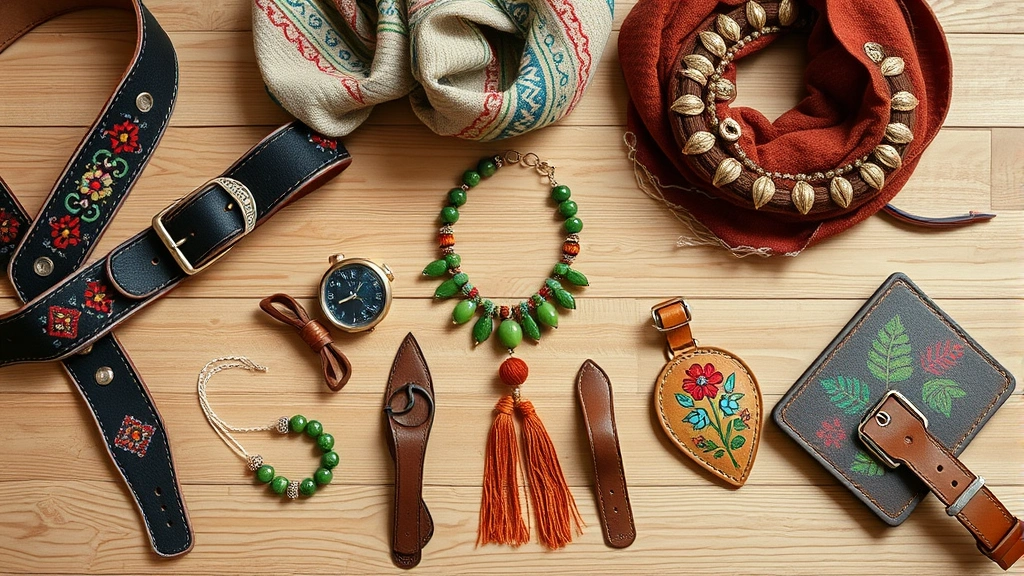
Accessories represent the most versatile avenue for exploring personal style expression through folklore fashion. Embroidered belts, woven scarves, beaded jewelry, and hand-painted shoes allow consumers to incorporate heritage elements into existing wardrobes without requiring complete wardrobe overhauls. A single folklore-inspired accessory can transform an entire outfit, infusing contemporary basics with cultural richness.
Jewelry represents a particularly significant folklore fashion category, with traditional beadwork, metalwork, and filigree techniques finding new expression in contemporary pieces. Designers are creating statement necklaces featuring traditional embroidery techniques mounted in modern frameworks, belts combining heritage weaving with contemporary hardware, and bags constructed from traditional textiles with minimalist modern silhouettes. These pieces serve as conversation starters and cultural ambassadors.
Footwear offers unexpected opportunities for folklore expression. Embroidered boots, hand-painted leather shoes, and woven sandals featuring traditional patterns allow ground-level cultural expression. Designers are collaborating with traditional shoemakers to create contemporary interpretations of folk footwear, maintaining construction integrity while updating silhouettes and proportions for modern aesthetics.
Hair accessories, scarves, and head coverings feature prominently in folklore fashion accessories. Embroidered headbands, woven head wraps, and beaded hair clips reference traditional ceremonial wear while functioning as contemporary style elements. These pieces acknowledge the spiritual and cultural significance of traditional head coverings while allowing modern wearers to engage respectfully with heritage practices.
Designer Collaborations with Artisan Communities
The most meaningful folklore fashion developments emerge through genuine collaborations between established designers and traditional artisan communities. These partnerships move beyond extractive relationships, where designers profit from cultural elements without benefiting source communities. Instead, ethical collaborations establish long-term relationships, fair compensation, and shared creative vision.
Brands partnering with indigenous communities in Peru, Guatemala, India, and Southeast Asia are creating collections that directly benefit artisans while bringing their work to global audiences. These collaborations often involve designers visiting communities, learning traditional techniques, understanding cultural significance, and co-creating collections that honor heritage while meeting contemporary market demands. The result represents authentic cultural expression rather than superficial aesthetic borrowing.
Documentation and transparency characterize ethical designer-artisan collaborations. Collections feature information about source communities, artisan names, techniques employed, and fair-trade certification. Business of Fashion publications increasingly cover these collaborations, highlighting designers who prioritize cultural respect and community empowerment alongside commercial success.
Educational initiatives accompanying these collaborations ensure cultural knowledge transmission to younger generations. When designers invest in teaching traditional techniques to community youth, they help ensure these heritage crafts survive and thrive. Some collaborations include mentorship programs, apprenticeships, and skill-development initiatives that strengthen artisan communities’ economic resilience.
How to Style Folklore Fashion
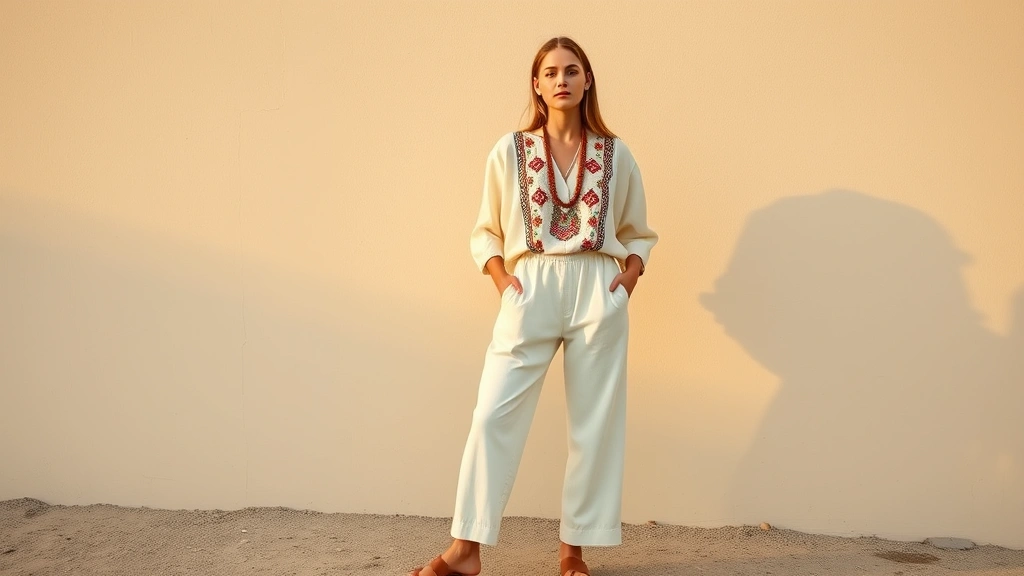
Incorporating folklore fashion styles into contemporary wardrobes requires thoughtful consideration of proportion, context, and personal aesthetic. The key principle involves balancing heritage-inspired pieces with neutral contemporary elements, allowing folklore fashion to serve as your outfit’s focal point rather than creating visual chaos through excessive pattern and texture.
Monochromatic styling amplifies folklore fashion pieces’ impact. An all-indigo outfit featuring an embroidered blouse, indigo-dyed jeans, and natural dye-dyed accessories creates sophisticated visual coherence. Similarly, wearing a single bold folklore-inspired piece—perhaps an elaborately embroidered jacket—with neutral basics (white linen shirt, black trousers, minimal jewelry) allows the heritage piece to command attention without competing elements.
Layering offers another powerful styling strategy. A minimalist slip dress becomes a canvas for embroidered folklore jackets or woven cardigans. Neutral sweaters gain visual interest when layered under embroidered vests or folk-inspired kimonos. This approach creates dimension while maintaining overall outfit cohesion and allowing seasonal flexibility.
Accessorizing with restraint ensures folklore pieces enhance rather than overwhelm. If wearing an embroidered blouse, opt for minimal jewelry and understated footwear. Conversely, neutral clothing provides the perfect canvas for statement folklore accessories. Understanding different fashion styles helps you navigate these balance considerations.
Context matters significantly when styling folklore fashion. While embroidered heritage pieces work beautifully in casual settings, professional environments, and creative spaces, consider workplace norms and occasion appropriateness. A folklore-inspired dress suits weekend brunches, art gallery visits, and casual gatherings. More formal occasions might call for subtle folklore elements—an embroidered belt, beaded jewelry, or woven accessories—rather than full traditional garments.
Confidence represents perhaps the most essential styling element. Folklore fashion celebrates cultural heritage and artistic expression, inviting observers into conversations about tradition, craftsmanship, and global interconnection. Wearing these pieces with intention and pride communicates respect for their cultural origins and artistic value.
” alt=”Model wearing folklore fashion ensemble featuring hand-embroidered linen blouse with geometric patterns, paired with minimalist cream trousers and traditional beaded accessories against natural backdrop”>
FAQ
What exactly defines folklore fashion?
Folklore fashion encompasses clothing and accessories inspired by traditional cultural heritage, indigenous craftsmanship, and ancestral artistic practices. It celebrates historical textile techniques, traditional embroidery, natural dyeing methods, and cultural motifs while adapting them for contemporary wear. Authentic folklore fashion honors source cultures through respectful collaboration and fair compensation for traditional artisans.
How can I ensure my folklore fashion purchases support artisan communities?
Research designer partnerships and production practices before purchasing. Look for brands that explicitly credit source communities, feature artisan names, provide fair-trade certification, and demonstrate long-term community relationships. Visit brand websites for transparency about sourcing, production locations, and compensation structures. Supporting designers who collaborate directly with traditional artisans ensures your purchases benefit heritage keepers.
Is folklore fashion sustainable?
Authentic folklore fashion emphasizes sustainability through natural textiles, traditional dyeing techniques, and handcrafted production methods. However, not all pieces marketed as “folklore fashion” meet sustainability standards. Examine material composition, production methods, and brand environmental commitments. Genuine folklore fashion supports artisan communities, employs traditional techniques, and promotes slow fashion principles opposing fast fashion waste.
Can I wear folklore fashion if I don’t belong to the source culture?
Yes, when approached respectfully. Wearing folklore fashion from cultures outside your own is acceptable when you educate yourself about cultural significance, credit source communities explicitly, support ethical designers collaborating with traditional artisans, and wear pieces with respect rather than mockery. Avoid reducing sacred or ceremonial garments to costumes, and recognize the difference between respectful cultural appreciation and appropriation.
Which folklore fashion trends will remain relevant?
Embroidered heritage pieces, natural textiles, sustainable craftsmanship, and ethical designer-artisan collaborations represent enduring folklore fashion foundations. While specific motifs and color palettes evolve, the fundamental principles—honoring cultural heritage, valuing handcrafted artistry, and supporting artisan communities—will maintain relevance. Folklore fashion succeeds because it addresses contemporary desires for authenticity, sustainability, and meaningful style.
How do I start exploring folklore fashion on a budget?
Begin with fashion style exploration through affordable accessories like embroidered scarves, beaded jewelry, and woven belts. Thrift stores and vintage markets often feature authentic folklore pieces at accessible prices. Invest in quality basics and gradually add statement folklore pieces as budget allows. Following fashion blogs and resources helps you discover emerging designers and sales opportunities.
What’s the difference between folklore fashion and bohemian style?
While bohemian style draws inspiration from various cultural and artistic traditions, folklore fashion specifically emphasizes authentic heritage craftsmanship and cultural authenticity. Folklore fashion prioritizes genuine traditional techniques, ethical sourcing, and community collaboration, whereas bohemian style may employ folklore-inspired aesthetics without maintaining cultural connection or community benefit. Folklore fashion requires intentional engagement with source cultures; bohemian style represents broader artistic freedom.