Accessorizing Basics: A Stylist’s Guide to Elevating Your Fashion Game
The difference between a good outfit and a great one often comes down to one crucial element: accessories. Whether you’re a fashion novice or someone looking to refine your styling skills, understanding the fundamentals of accessorizing can completely transform how you present yourself to the world. Accessories are the punctuation marks of fashion—they complete your sentences and add personality to every ensemble you create.
Throughout my years working as a professional stylist, I’ve witnessed countless transformations happen simply by introducing the right accessories into someone’s wardrobe. A simple white shirt becomes editorial-worthy with a silk scarf. A basic black dress transforms into evening-ready with the addition of statement earrings and a structured clutch. The magic lies not in having an extensive collection, but in understanding the principles that make accessories work harmoniously together and with your clothing.
This comprehensive guide will walk you through everything you need to know about fashion accessories, from foundational principles to advanced styling techniques. Whether you’re building your accessory collection from scratch or looking to elevate your current approach, these insights will help you make intentional choices that reflect your personal aesthetic.
The Foundation: Understanding Accessory Categories
Before diving into styling techniques, it’s essential to understand the various types of accessories and their distinct purposes. Accessories fall into several primary categories, each serving a unique function in your overall look. Jewelry—including necklaces, bracelets, rings, and earrings—adds sparkle and sophistication. Bags, from totes to clutches to crossbody styles, provide both functionality and visual interest. Belts cinch waistlines and add definition. Scarves offer versatility and can be worn around the neck, as a headwrap, or even tied to a bag. Hats range from practical to playful, while shoes ground your entire outfit.
Understanding these categories helps you approach accessorizing with intentionality. Rather than randomly throwing items together, you can strategically select pieces that work together and complement your base outfit. Each category serves distinct styling purposes, and mastering them individually makes combining them effortless.
When exploring fashion articles and guides, you’ll notice that professional stylists often focus on one or two accessory categories per outfit, rather than trying to incorporate everything at once. This restraint is what separates polished styling from overwhelming excess.
The Rule of Balance and Proportion
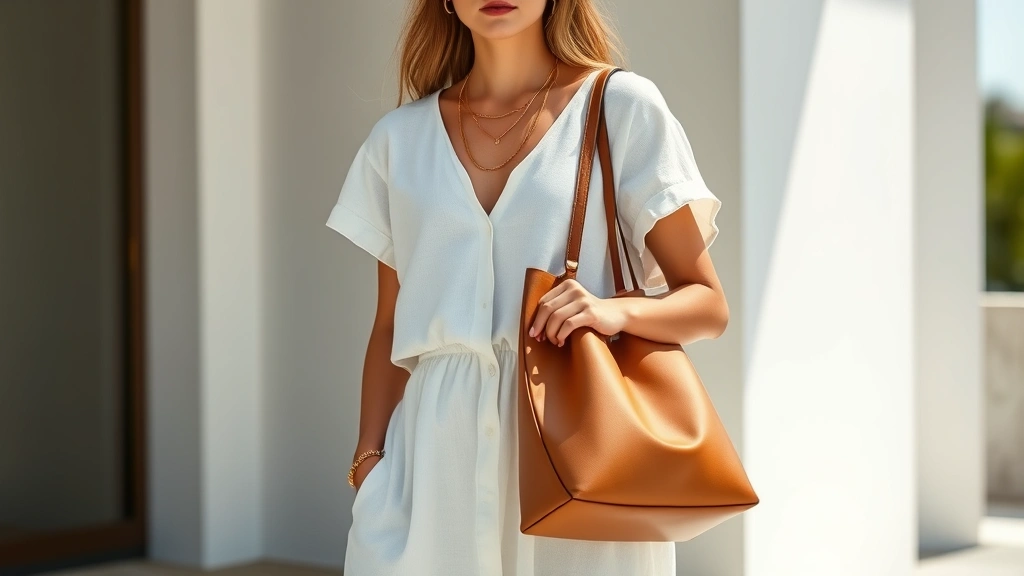
One of the most critical principles in accessorizing is understanding balance and proportion. This concept refers to how visual weight is distributed across your outfit. If you’re wearing a voluminous, statement dress, you’ll want more delicate, understated accessories. Conversely, a simple, fitted dress can handle bolder, more prominent accessories.
Think about proportion in terms of scale. Petite frames typically look better with smaller, more delicate jewelry and bags, while taller frames can carry larger statement pieces. However, this isn’t a hard rule—it’s about what feels balanced to you. A petite woman wearing chunky jewelry can look absolutely stunning if she’s confident and intentional about it; conversely, someone tall wearing dainty accessories might feel the look is incomplete.
The key is experimenting and paying attention to how different accessory sizes make you feel in an outfit. Stand in front of a mirror and notice what catches your eye—is it the jewelry, the bag, or the shoes? In a well-balanced outfit, your eye should move naturally across the ensemble rather than being drawn exclusively to one element.
Another aspect of balance involves the concept of negative space. If your outfit is busy with patterns or embellishments, keep your accessories minimal and streamlined. If your outfit is simple and understated, you have more freedom to introduce bold, eye-catching accessories. This interplay between visual complexity and simplicity creates harmony in your overall appearance.
Color Coordination and Pattern Mixing
Color is perhaps the most powerful tool in an accessory stylist’s arsenal. Understanding how to coordinate accessory colors with your outfit can mean the difference between looking cohesive and looking chaotic. The most straightforward approach is to match your accessories to one of the colors already present in your outfit. If you’re wearing a navy dress with white stripes, pulling your accessories from either the navy or white family creates instant coherence.
However, there’s also tremendous power in using accessories to introduce complementary colors. If you’re wearing a warm-toned camel coat, adding accessories in jewel tones like emerald or sapphire creates visual interest and sophistication. Understanding color theory—specifically complementary colors, analogous colors, and monochromatic palettes—elevates your accessorizing game significantly.
Pattern mixing through accessories is an advanced technique that can add depth and personality to your outfits. You can pair a striped bag with a floral dress if you use a neutral accessory—like a solid-colored belt or shoes—to anchor the look. The key is ensuring that patterns share a common color, which ties them together visually. A gold-and-white geometric necklace works beautifully with a gold-and-white striped top because of that shared metallic element.
Metallics deserve special mention in the color conversation. Gold, silver, rose gold, and bronze each have distinct undertones. Traditionally, stylists advised choosing one metal and sticking with it throughout an outfit. Modern styling, however, celebrates mixing metals as an intentional, sophisticated choice. The trick is distributing them evenly—if you’re wearing gold earrings, consider incorporating gold in your bag or shoes rather than having all your gold concentrated in one place.
Building a Capsule Accessory Collection
Just as a capsule wardrobe consists of versatile, interchangeable pieces, a capsule accessory collection contains foundational items that work together and with multiple outfits. Starting with basics allows you to build gradually while ensuring everything coordinates.
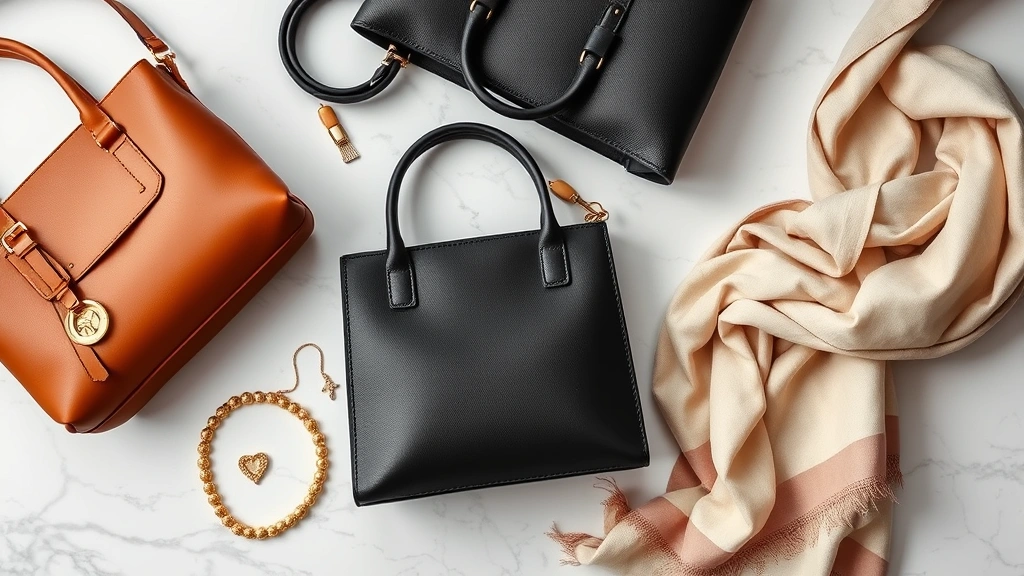
Essential neutral accessories include a white or cream leather bag, a black structured bag, and a cognac or camel-toned bag. These three pieces coordinate with virtually any outfit. For jewelry, invest in delicate gold and silver chains, simple stud earrings, and a classic watch. These pieces are timeless and work across casual, professional, and formal settings.
Scarves in neutral tones—cream, navy, black, and gray—provide tremendous versatility. A quality silk scarf can be worn around your neck, as a headwrap, tied to your bag, or even worn as a belt. Belts in neutral leather—black, brown, and cognac—add definition to dresses and oversized tops.
Once your neutral foundation is solid, you can explore pieces that reflect your personal style. If you love color, introduce a vibrant bag or statement jewelry in your favorite hue. If you prefer understated elegance, add pieces with interesting textures—a woven bag, a beaded necklace, or a suede belt. For those interested in exploring how to find your personal style, building a thoughtful accessory collection is an excellent starting point.
Styling Accessories by Occasion
Different occasions call for different accessory approaches. Understanding these distinctions ensures you’re appropriately styled for any event. For professional settings, opt for refined, minimal accessories. A structured leather bag, delicate jewelry, and a quality watch create polish without distraction. Avoid overly trendy pieces or anything that might be considered too casual or playful for a business environment.
Casual outfits allow for more personality and experimentation. This is where you can introduce fun bags, statement jewelry, or trendy accessories. A casual coffee date is the perfect opportunity to wear that bold patterned scarf or colorful crossbody bag you’ve been considering. The stakes are lower, making it an ideal testing ground for new accessory combinations.
Formal events require elevated, sophisticated accessories. Think delicate gold jewelry, an elegant clutch, and perhaps a statement piece like chandelier earrings or a dramatic brooch. The key to formal accessorizing is ensuring everything looks intentional and refined rather than overly trendy or casual.
Date night offers a middle ground—you want to feel special and put-together without looking overdressed. A combination of refined basics with one or two statement pieces works beautifully. Perhaps delicate jewelry with a stunning bag, or simple jewelry with eye-catching shoes.
Accessorizing Different Fashion Styles
Different fashion styles require different accessory approaches. Understanding your style category helps you make accessory choices that feel authentic and cohesive.
Minimalist style calls for streamlined, understated accessories. Choose one or two pieces maximum—perhaps a simple necklace and a structured bag, or delicate earrings and a quality watch. Neutral colors and clean lines are paramount. Avoid anything overly decorative or attention-grabbing.
Maximalist style celebrates bold, statement-making accessories. Layered necklaces, chunky bracelets, bold bags, and eye-catching shoes are all welcome. The key is ensuring everything works together through shared colors or complementary tones. Maximalism isn’t about randomness; it’s about intentional abundance.
Classic or preppy style emphasizes timeless, refined accessories. Think structured handbags, pearls, delicate gold jewelry, and quality leather belts. Accessories should look expensive and well-made rather than trendy or playful.
Bohemian style incorporates eclectic, artisanal accessories. Layered jewelry, woven bags, fringe scarves, and ethnic-inspired pieces create the boho aesthetic. Mixing metals and textures is encouraged, as is incorporating natural materials like leather, wood, and stone.
Edgy or rock-inspired style features bold, unconventional accessories. Chunky chains, leather jackets, studded bags, and statement boots create visual impact. Metallics, particularly silver and gunmetal, are prominent in this style category.
Romantic or feminine style emphasizes delicate, pretty accessories. Soft fabrics, floral patterns, dainty jewelry, and vintage-inspired pieces create an ethereal aesthetic. Blush tones, pastels, and soft metallics like rose gold are often incorporated.
Investment Pieces vs. Trend-Driven Accessories
A savvy approach to accessorizing involves understanding the difference between investment pieces and trend-driven accessories, and knowing when to purchase each.
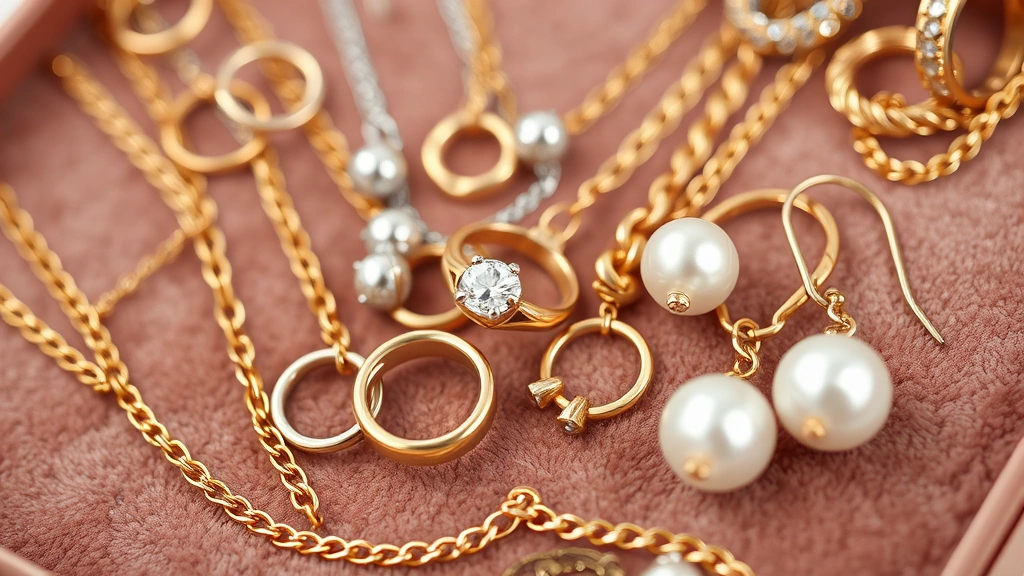
Investment pieces are foundational accessories that transcend trends and remain relevant for years. A quality leather handbag, classic watch, delicate gold jewelry, and neutral scarves fall into this category. These pieces often command higher price points but offer exceptional value because of their longevity and versatility. When purchasing investment accessories, prioritize quality materials, timeless design, and versatility.
Trend-driven accessories offer an excellent way to experiment with current fashion movements without breaking the bank. A boldly colored bag, a trendy hat style, or statement jewelry reflecting this season’s trends can be purchased at lower price points from fast-fashion retailers. These pieces allow you to stay current and have fun with fashion while protecting your budget.
A balanced accessory collection includes both categories. Perhaps 70 percent of your accessories are investment pieces—the reliable, versatile items you reach for constantly—while 30 percent are trend-driven pieces that keep your style feeling fresh and current. This approach prevents your style from feeling dated while ensuring you’re not constantly replacing basics.
According to fashion experts at Vogue, the most stylish individuals understand this balance intuitively. They invest in quality basics while strategically incorporating trend pieces that reflect their personality and current fashion interests.
Common Accessorizing Mistakes to Avoid
Even with the best intentions, certain accessorizing pitfalls can undermine an otherwise excellent outfit. Being aware of these common mistakes helps you avoid them.
Over-accessorizing is perhaps the most frequent error. Adding too many pieces creates visual chaos and dilutes the impact of individual items. Remember that accessories should enhance your outfit, not overwhelm it. If you’re unsure whether you’ve added too much, remove one piece and reassess. If your outfit still looks complete, you’ve found your sweet spot.
Ignoring proportion leads to styling that feels off, even if you can’t pinpoint why. A delicate bag with oversized jewelry and chunky shoes creates visual discord. Ensure your accessories’ scales work together and with your outfit’s overall silhouette.
Clashing metals was once considered a cardinal sin in styling. While modern fashion celebrates mixed metals, doing so intentionally and evenly distributed is crucial. Randomly combining golds, silvers, and rose golds without consideration looks accidental rather than intentional.
Forgetting about functionality means selecting accessories that look good but don’t work practically. A gorgeous bag that doesn’t fit your daily essentials, or stunning shoes that hurt after an hour, ultimately undermines your styling efforts. Beauty and function should coexist.
Neglecting to update your accessories can make even current clothing look dated. Your accessories often reveal whether your style is contemporary or stuck in a previous era. Periodically refreshing your accessory collection keeps your overall aesthetic current.
Wearing accessories that don’t reflect your personal style results in outfits that feel inauthentic. Perhaps a particular accessory is trendy or what others recommend, but if it doesn’t resonate with your aesthetic, skip it. Your accessories should make you feel confident and like yourself.
For deeper insights into developing a cohesive fashion style, consider exploring how your accessory choices contribute to your overall aesthetic identity. Professionals trained at leading fashion design schools emphasize that accessories are where personal style truly emerges.
FAQ
How many accessories should I wear in one outfit?
There’s no universal rule, but a good guideline is to feature one statement accessory—whether that’s bold jewelry, a standout bag, or eye-catching shoes—and keep everything else refined and complementary. If you’re wearing statement earrings, keep your necklace simple. If you’re carrying a bold bag, wear minimal jewelry. This approach prevents overwhelming your outfit while ensuring your accessories have impact.
Can I mix gold and silver jewelry?
Absolutely. Modern styling celebrates mixed metals as an intentional, sophisticated choice. The key is distributing them evenly throughout your outfit rather than concentrating all gold in one area and all silver in another. If you’re wearing gold earrings, consider incorporating gold in your watch or rings. Balance creates visual harmony.
What accessories work for petite frames?
Petite individuals often look best with proportionally smaller accessories—delicate jewelry, structured bags that aren’t oversized, and shoes that aren’t bulky. However, this isn’t a strict rule. Confidence and intentionality matter more than adhering to proportional guidelines. Some petite women rock chunky jewelry beautifully because they wear it with conviction.
How do I know if an accessory is worth the investment?
Consider whether you’ll wear it with multiple outfits, whether it’s made from quality materials that will last years, and whether it reflects your personal style rather than a fleeting trend. Investment pieces should feel timeless and versatile. If you’re hesitating because something feels trendy or you’re unsure how often you’d wear it, it’s probably not an investment piece.
Should my accessories match my outfit exactly?
Matching doesn’t mean identical. Your accessories should coordinate with your outfit through shared colors, complementary tones, or intentional contrast. Pulling a color from your outfit into your accessories creates cohesion. Alternatively, using accessories to introduce a complementary color adds sophistication. Exact matching often looks less polished than strategic coordination.
How often should I update my accessories?
Your foundational neutral pieces—classic bags, delicate jewelry, quality belts—can remain in your collection indefinitely if well-maintained. Trend-driven pieces can be refreshed seasonally or as trends evolve. Rather than replacing everything annually, periodically assess whether your accessories feel current and reflect your evolving style preferences.