2007 Fashion Trends: Expert’s Retrospective
The year 2007 stands as a pivotal moment in fashion history, bridging the gap between early 2000s maximalism and the minimalist aesthetics that would dominate the following decade. This was an era when celebrity culture reached unprecedented heights, influencing everything from hemlines to handbag choices, and when fast fashion began reshaping the industry’s landscape. The trends that emerged during this golden year of style continue to influence contemporary fashion, making it essential to understand what made 2007 such a transformative period for the industry.
From the rise of low-rise jeans to the emergence of luxury “it” bags, 2007 fashion reflected a unique blend of sophistication and youthful rebellion. Designers experimented boldly, celebrities became style icons with devoted followers, and fashion weeks showcased collections that would define an entire generation’s wardrobe. Whether you’re a fashion historian, a style enthusiast, or simply curious about how past trends shape today’s aesthetic, understanding 2007 fashion provides invaluable insights into the cyclical nature of style evolution.
The Dominance of Low-Rise Denim
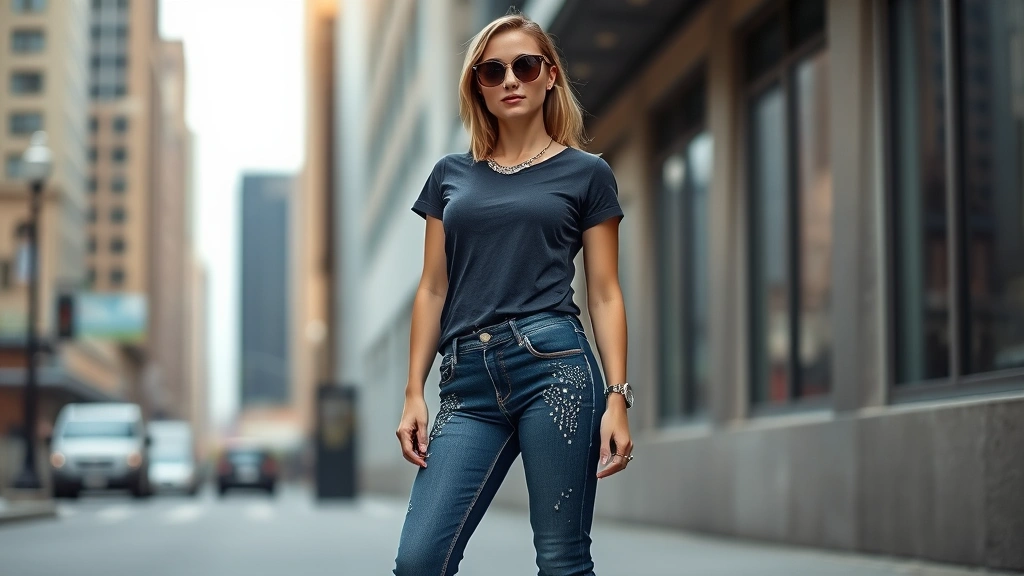
Low-rise jeans reached their absolute peak in 2007, becoming the most ubiquitous denim silhouette across all demographics and social classes. These ultra-low-cut styles, often paired with visible thong underwear and bedazzled details, represented a bold departure from traditional denim conventions. Brands like True Religion, Rock & Republic, and Citizens of Humanity dominated the market, with consumers willing to spend premium prices for the perfect fit and wash. The lower the rise, the more fashionable the wearer appeared—a philosophy that seemed to have no limits during this era.
What made 2007’s low-rise phenomenon particularly distinctive was the aggressive styling that accompanied it. Paired with crop tops, baby tees, and strategically placed rhinestones, these jeans created a silhouette that was unmistakably mid-2000s. Fashion enthusiasts would spend hours finding the exact right pair, often visiting multiple boutiques to achieve the coveted “perfect” fit. The trend extended beyond casual wear into evening dressing, with luxury designers incorporating low-rise elements into their collections. This denim obsession became so significant that understanding fashion articles and guides from that era provides context for how dramatically silhouettes have shifted.
Luxury “It” Bags and Accessories
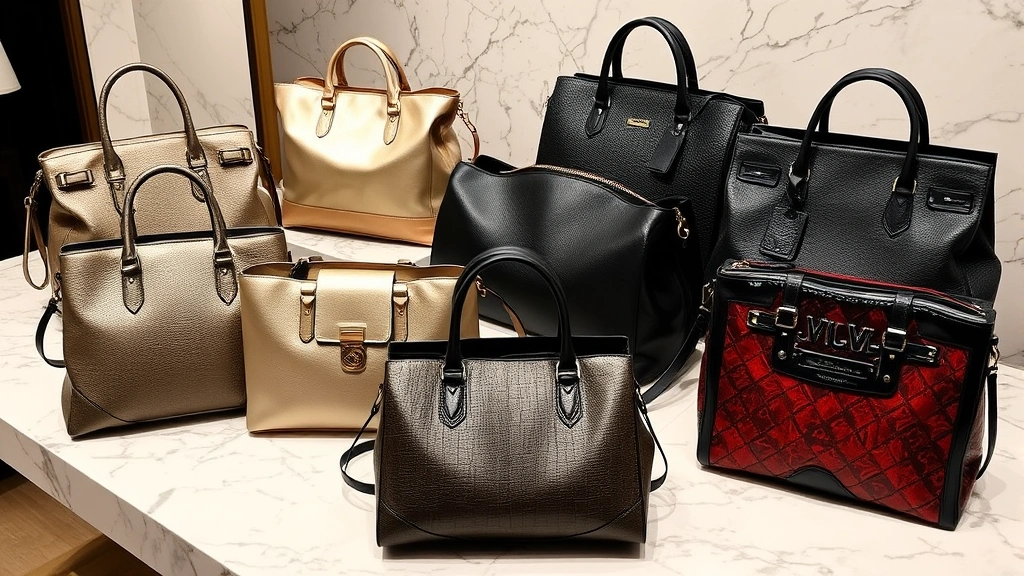
2007 witnessed the explosion of designer handbags as status symbols and fashion statements. The “it” bag phenomenon, where specific designs became must-have luxury items, reached fever pitch during this year. The Birkin and Kelly bags from Hermès remained aspirational, while new contenders emerged from brands like Miu Miu, Prada, and Louis Vuitton. The Miu Miu Bow bag, in particular, became synonymous with sophisticated luxury, while Balenciaga’s Motorcycle bag appealed to edgier fashionistas seeking alternative luxury aesthetics.
Accessories extended far beyond handbags. Oversized sunglasses, often paired with wide-brimmed hats, became essential for any stylish individual navigating urban environments or paparazzi-filled streets. Scarves were worn as headwear, belts were statement pieces, and jewelry ranged from delicate minimalism to bold, chunky designs. The accessory game in 2007 was about making declarations—whether that meant carrying a conspicuous designer logo or opting for subtle luxury. Exploring how fashion style guides have evolved helps us appreciate how accessorizing philosophies have transformed over time.
Celebrity Style Icons and Influence
The year 2007 was dominated by celebrity fashion influence in ways that shaped entire retail landscapes. Paris Hilton, Britney Spears, and Lindsay Lohan weren’t just wearing clothes—they were creating movements. Their fashion choices were dissected, replicated, and discussed across magazines, television shows, and emerging social media platforms. Every outfit worn by these A-list celebrities could sell out stores within days, making celebrity stylists some of the most powerful figures in the fashion industry.
Beyond the tabloid-dominating trio, other celebrities influenced specific fashion categories. Jennifer Aniston maintained her sophisticated casual elegance, while Jessica Alba championed a more refined aesthetic. Angelina Jolie’s red carpet appearances set standards for glamorous evening wear, and the emergence of young starlets like Emma Stone and Blake Lively introduced fresh perspectives on style. This celebrity-driven fashion landscape meant that different types of fashion were being simultaneously promoted, creating diverse style options for consumers seeking varied aesthetic expressions.
Bold Colors and Metallics
2007 fashion embraced a fearless approach to color that contrasted sharply with the muted palettes of earlier decades. Jewel tones—emerald, sapphire, and amethyst—appeared in everything from cocktail dresses to everyday separates. Bright pinks, electric blues, and lime greens dominated runways and retail spaces, reflecting a cultural mood of optimism and experimentation. Metallics, particularly gold and silver, were incorporated into fabrics, accessories, and even cosmetics, creating a shimmering aesthetic that defined the era’s visual language.
Color blocking emerged as a sophisticated technique, with designers pairing contrasting hues in unexpected ways. The combination of hot pink and orange, or electric blue and lime green, would have seemed chaotic in previous years but felt perfectly natural in 2007. This bold approach to color extended to accessories and beauty, with metallic eyeshadows, colored mascara, and statement nail polish becoming mainstream. The confidence required to wear such vibrant combinations reflected a broader cultural shift toward self-expression and individuality in fashion.
Bohemian and Hippie Revival
Parallel to the ultra-trendy, celebrity-influenced styles, 2007 experienced a significant bohemian and hippie revival. Influenced partly by the 90s fashion aesthetic that had begun gaining nostalgic appreciation, designers and consumers embraced flowing fabrics, earth tones, and vintage-inspired elements. Maxi dresses, layered jewelry, and bohemian accessories became increasingly fashionable, particularly among younger consumers seeking alternatives to mainstream trends.
This boho movement was characterized by relaxed silhouettes, natural fabrics like linen and cotton, and an emphasis on handcrafted details. Fringe, crochet, and macramé elements appeared throughout collections, while vintage-inspired prints and patterns celebrated artisanal aesthetics. Footwear included flat sandals, leather boots, and embellished flip-flops that complemented the free-spirited aesthetic. This trend proved that 2007 fashion wasn’t monolithic—multiple style narratives existed simultaneously, allowing individuals to choose between cutting-edge trends and retro-inspired alternatives.
Structured Silhouettes and Tailoring
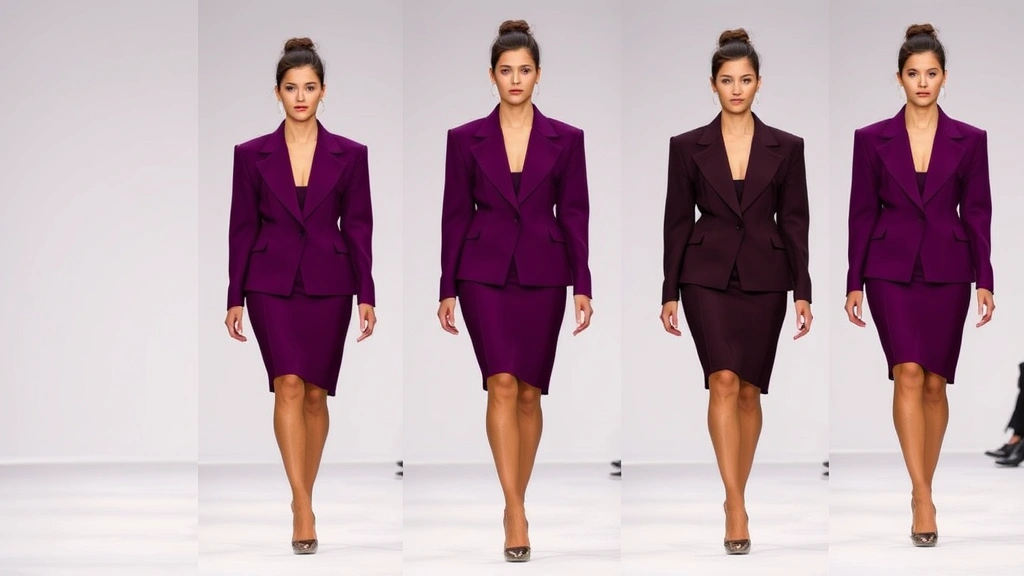
Balanced against the bohemian movement was a strong emphasis on structured, tailored pieces that dominated high fashion and professional dressing. Designers like Prada, Chanel, and Armani championed precise tailoring, sharp lines, and architectural silhouettes that required excellent fabric quality and expert construction. Blazers with exaggerated shoulders, pencil skirts with impeccable seaming, and structured coats represented a more formal approach to fashion that appealed to professional women and those seeking polished sophistication.
The tailored trend reflected broader cultural shifts toward power dressing and professional femininity. Women’s suiting became increasingly fashionable, moving beyond purely professional contexts into casual and evening wear. Structured dresses with boning and corsetry elements created dramatic silhouettes that emphasized curves while maintaining an air of control and sophistication. This juxtaposition between relaxed bohemian styles and sharply tailored pieces created a dynamic fashion landscape where individual preference and occasion dictated stylistic choices.
Footwear Trends and Statement Shoes
Footwear in 2007 became increasingly important as a fashion statement, with shoes serving as focal points rather than mere functional necessities. Stiletto heels, particularly in metallic finishes and bold colors, dominated evening wear and even casual styling. Pointed-toe pumps became ubiquitous, while Ugg boots—though declining from their early 2000s peak—still maintained significant market presence. Ballet flats, championed by designers like Repetto, offered a sophisticated alternative to heels, appealing to those seeking comfort without sacrificing style.
Platform shoes reached new heights, literally and figuratively, with both heels and flats incorporating substantial sole elevations. Gladiator sandals emerged as a key trend, featuring strappy designs that referenced classical aesthetics while maintaining contemporary appeal. Embellished sneakers and canvas shoes blurred the lines between athletic and fashion footwear, allowing for more casual styling options. The diversity of footwear choices in 2007 reflected a broader cultural acceptance of multiple style expressions, where finding your personal style became increasingly important for navigating fashion’s multiple simultaneous trends.
The Rise of Fast Fashion
2007 marked a significant acceleration in fast fashion’s dominance, with retailers like H&M, Zara, and Forever 21 expanding their market share and cultural influence. These brands democratized fashion, allowing consumers without luxury budgets to access trend-forward pieces within days of runway presentations. The ability to replicate high fashion designs at accessible price points transformed how consumers engaged with fashion, creating a culture of rapid trend adoption and disposal.
This era witnessed the beginning of serious discussions about fast fashion’s environmental and ethical implications, though these conversations remained largely confined to fashion industry insiders and conscious consumers. The speed at which trends cycled accelerated dramatically, with what was fashionable one week becoming dated the next. This rapid turnover created both opportunities and challenges: opportunities for fashion-forward consumers to experiment with styles, and challenges related to waste, labor practices, and the environmental impact of constant production cycles. The fast fashion explosion of 2007 established patterns that would dominate the following decades, making it a crucial year for understanding contemporary fashion consumption.
Understanding 2007 fashion trends through authoritative sources like Vogue’s archives and Harper’s Bazaar’s historical coverage provides comprehensive perspectives on this transformative year. Fashion institutions like the Fashion Institute of Technology maintain extensive collections documenting 2007’s most significant pieces and trends, while Business of Fashion offers analytical perspectives on how these trends shaped industry evolution.
FAQ
What were the most iconic 2007 fashion trends?
The most iconic trends included ultra-low-rise jeans, designer “it” bags like the Miu Miu Bow, bold metallics and jewel tones, bohemian-inspired clothing, and structured tailoring. Celebrity influence, particularly from Paris Hilton and Britney Spears, significantly shaped these trends.
Why were low-rise jeans so dominant in 2007?
Low-rise jeans represented youth culture rebellion and were heavily promoted by celebrities and luxury denim brands. The trend reflected early 2000s maximalism and bold self-expression before fashion shifted toward more conservative silhouettes in the following decade.
How did 2007 fashion differ from the 1920s fashion era?
While 1920s fashion dresses emphasized liberation through loose silhouettes and shorter hemlines, 2007 fashion combined both structured tailoring and relaxed bohemian styles simultaneously, reflecting a more fragmented fashion landscape with multiple coexisting trends.
What role did fast fashion play in 2007 trends?
Fast fashion brands accelerated trend cycles by quickly replicating runway designs at accessible prices. This democratization of fashion allowed more consumers to participate in trend adoption while establishing consumption patterns that would dominate subsequent decades.
Are 2007 fashion trends returning?
Cyclical fashion trends mean that elements from 2007 regularly resurface, including low-rise jeans, bohemian aesthetics, and structured tailoring. Contemporary designers frequently reinterpret 2007 trends through modern lenses, creating nostalgic-inspired pieces that appeal to both original trend participants and new generations.