2000s Hip Hop Fashion: Iconic Trends & Tips
The 2000s represented a golden era for hip hop fashion, where oversized silhouettes, bold accessories, and unapologetic swagger dominated streetwear culture. From baggy jeans to Timberland boots, this decade birthed some of the most influential style moments that continue to inspire contemporary fashion enthusiasts today. Whether you’re nostalgic for the era or seeking to incorporate these timeless elements into your modern wardrobe, understanding the DNA of 2000s hip hop fashion unlocks a treasure trove of creative styling possibilities.
This iconic period wasn’t just about clothing—it was a cultural movement that democratized high fashion, blended luxury with street culture, and created a blueprint for how music and style could intertwine seamlessly. Artists became walking billboards for brands, and fans eagerly mimicked their looks, making hip hop the most influential fashion force of the decade. Let’s dive into the trends, the icons, and the practical tips for channeling this legendary aesthetic.
The Rise of Oversized Silhouettes
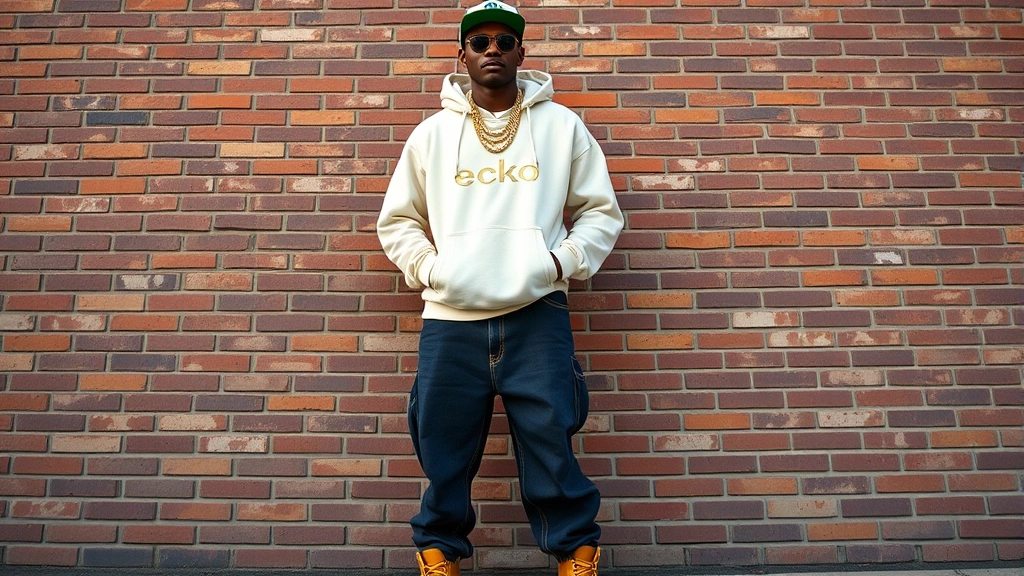
The 2000s hip hop fashion landscape was fundamentally defined by the rejection of fitted clothing in favor of dramatically oversized silhouettes. This wasn’t accidental—it represented a deliberate cultural statement about freedom, confidence, and rejecting mainstream fashion norms. Baggy jeans, oversized hoodies, and voluminous tracksuits became the uniform of choice for hip hop enthusiasts worldwide.
The silhouette philosophy extended beyond mere comfort. Artists like Eminem, 50 Cent, and Ludacris demonstrated that you could command attention and exude confidence while wearing clothes several sizes larger than your frame. The oversized aesthetic created an interesting visual paradox: despite the clothing’s volume, these looks felt incredibly powerful and commanding. The key was proportion—pairing oversized tops with fitted accessories or vice versa created visual balance.
Baggy jeans in particular became a cornerstone of the aesthetic. Brands like JNCO, Ecko, and Fubu manufactured jeans with waistbands that extended well below the hip, often featuring intricate stitching patterns and cargo pockets. The jeans would typically break at the ankle, sometimes pooling over shoes. This style required confidence to pull off, and that confidence became part of the appeal. When exploring how to find your personal style, the 2000s hip hop approach teaches us that authenticity trumps conventional proportions.
Oversized hoodies and sweatshirts layered over long-sleeve thermal shirts created that quintessential 2000s look. The hoodies often featured bold graphics, embroidered logos, and kangaroo pockets deep enough to store substantial items. Wearing a hoodie three sizes too large wasn’t considered unfashionable—it was the entire point. This approach to dressing challenged everything mainstream fashion had taught about fit and silhouette, paving the way for today’s deliberately oversized fashion movements.
Iconic Brands That Defined the Era
Certain brands became absolutely synonymous with 2000s hip hop fashion, achieving almost mythical status within the culture. These weren’t always traditional luxury houses—many were streetwear brands that understood the aesthetic and spoke directly to hip hop communities. Understanding these brands is essential for capturing authentic 2000s hip hop style.
Fubu (For Us By Us) emerged as a revolutionary brand that specifically catered to hip hop culture. Founded by Daymond John, Fubu represented ownership and cultural pride. The brand’s oversized aesthetic, bold logos, and unapologetic branding made it an instant staple. Wearing Fubu wasn’t just about fashion; it was about supporting Black entrepreneurship and celebrating hip hop culture.
Ecko Unltd brought edgy, artistic designs to hip hop fashion. The brand’s signature backwards E logo appeared on everything from hoodies to cargo pants. Ecko’s designs often featured intricate embroidery and artistic graphics that appealed to hip hop’s creative sensibilities. The brand successfully bridged streetwear and high fashion, earning respect from both communities.
Sean John, launched by Diddy, represented the intersection of hip hop credibility and luxury aspirations. The brand elevated streetwear into something more refined while maintaining its street credibility. Sean John pieces featured premium fabrics, meticulous tailoring, and sophisticated designs that proved hip hop fashion could be both culturally authentic and fashion-forward.
G-Unit Clothing, 50 Cent’s brand, epitomized the oversized aesthetic. The brand’s massive logos, vibrant colors, and statement-making designs reflected 50 Cent’s bold personality. G-Unit became shorthand for the most extreme versions of 2000s hip hop fashion.
Rocawear, Jay-Z’s contribution to hip hop fashion, offered a more refined take on streetwear. The brand balanced luxury sensibilities with street credibility, featuring quality fabrics and sophisticated designs alongside bold logos and statement pieces. Rocawear proved that hip hop fashion could exist at multiple price points and style levels.
Beyond hip hop-specific brands, mainstream luxury houses began collaborating with hip hop artists. Louis Vuitton, Gucci, and Prada became status symbols within hip hop culture, often appearing in music videos and worn by top artists. This created an interesting dynamic where high fashion and street culture merged, influencing the complete fashion history timeline in significant ways.
Footwear: From Timberlands to Air Jordans
Footwear in 2000s hip hop fashion transcended practical necessity to become a central statement piece. The right shoes could define an entire outfit and communicate cultural allegiance, taste level, and economic status within hip hop hierarchies.
Timberland boots achieved near-religious status within hip hop culture during the 2000s. Originally designed as work boots, Timberlands became exclusively associated with hip hop through their adoption by East Coast rappers. The wheat-colored leather, chunky silhouette, and visible stitching made them instantly recognizable. Wearing Timbs wasn’t just footwear choice—it was a cultural statement. These boots appeared in countless music videos, worn with both jeans and shorts, establishing a versatility that extended their appeal.
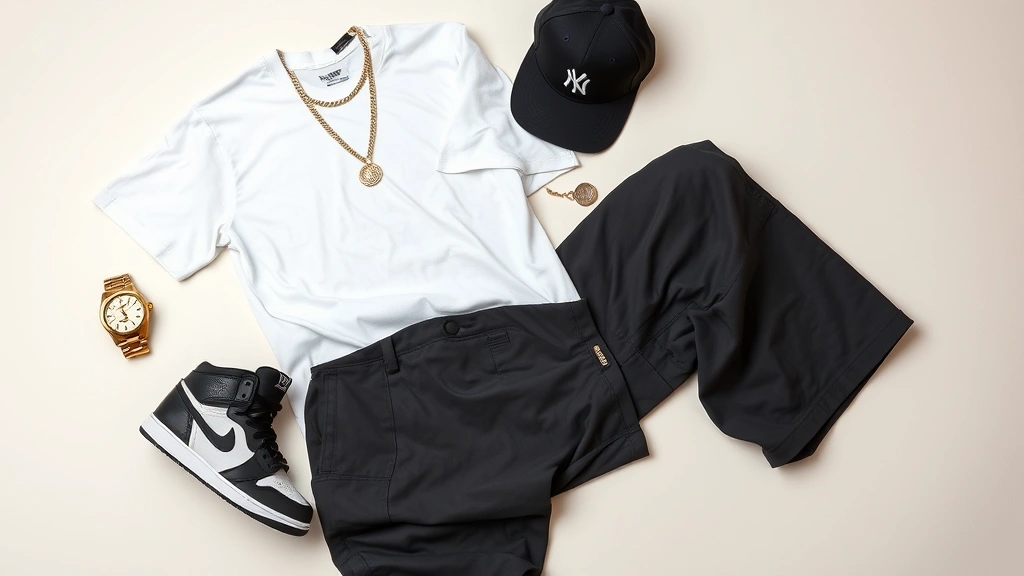
Air Jordan sneakers maintained their legendary status throughout the 2000s. Michael Jordan’s cultural dominance combined with sneaker culture’s explosion made Air Jordans essential footwear. Limited releases created hype and collectibility, with certain colorways commanding premium prices on secondary markets. Collectors would wear their rarest Jordans as statement pieces, sometimes coordinating entire outfits around specific sneaker releases.
Nike Dunks emerged as another essential silhouette, offering basketball heritage with fashion credibility. The shoe’s relatively affordable price point compared to Air Jordans, combined with endless colorway possibilities, made them accessible to broader audiences while maintaining street credibility.
Phat Farm boots and other oversized footwear options complemented the era’s silhouette philosophy. Chunky, substantial shoes balanced oversized clothing, creating visual harmony. The footwear wasn’t meant to be delicate or subtle—it was meant to make a statement and command attention.
Reebok Classics experienced a renaissance during this period, with artists specifically championing the brand. The shoe’s retro aesthetic and clean lines made it appealing to those seeking slightly more refined looks while maintaining hip hop credibility.
The 2000s taught us that footwear could be conversation-starting, culturally significant, and economically substantial. Sneaker culture that exploded in subsequent decades has direct lineage to 2000s hip hop’s elevation of footwear to primary statement-making status.
Accessories and Jewelry Statements
If clothing provided the canvas, accessories and jewelry created the masterpiece in 2000s hip hop fashion. The philosophy was simple: more was more, and subtlety was considered weakness. Jewelry, in particular, became a primary way to display wealth, taste, and cultural status.
Chain necklaces reached absurd proportions during this era. Artists wore chains thick enough to anchor boats, often layering multiple chains of varying styles. Gold chains dominated, though platinum and white gold versions appeared as status symbols indicating even greater wealth. The chains weren’t delicate—they were meant to be visible from considerable distances, creating an almost armor-like quality.
Rings and watches completed the jewelry narrative. Oversized rings featuring diamonds or other precious stones appeared on multiple fingers. Luxury watches—particularly Rolex models—became status indicators, with specific models carrying particular cultural weight. The watch wasn’t just about telling time; it was about announcing your economic position within hip hop hierarchies.
Grillz emerged as a distinctly 2000s hip hop accessory, with artists like Paul Wall and Nelly popularizing the trend. These custom-made dental accessories featured precious metals and diamonds, creating a visual statement that extended to the mouth itself. Grillz represented the ultimate in bold accessory choices.
Fitted caps and snapback hats became essential accessories, often featuring brand logos prominently displayed. The hat served both practical and aesthetic purposes, with specific brands and styles carrying particular cultural significance. Wearing your hat slightly tilted or backward created subtle style variations that knowledgeable observers could read.
Sunglasses achieved almost mandatory status, with oversized frames dominating. Brands like Gucci and Louis Vuitton sunglasses appeared frequently, with the larger the frames, the better. Wearing sunglasses indoors became not just acceptable but expected in certain contexts.
Belts featured prominently, with massive buckles serving as focal points. Leather belts with oversized metal buckles—particularly those featuring designer logos—completed outfits and emphasized the waistline of baggy jeans.
The accessory philosophy extended to fashion style fundamentals: confidence amplification. Accessories weren’t added after an outfit was complete—they were integral to the design from conception, each piece selected to create maximum visual impact.
Color Palettes and Fabric Choices
The 2000s hip hop color palette embraced vibrancy, contrast, and bold combinations that would make traditional fashion consultants cringe. However, this approach to color demonstrated sophisticated understanding of visual impact and cultural expression.
Primary colors dominated—bright reds, blues, and yellows appeared prominently in clothing and accessories. These colors weren’t subtle; they were meant to be noticed from across rooms or in music videos. The boldness communicated confidence and refused to blend into backgrounds.
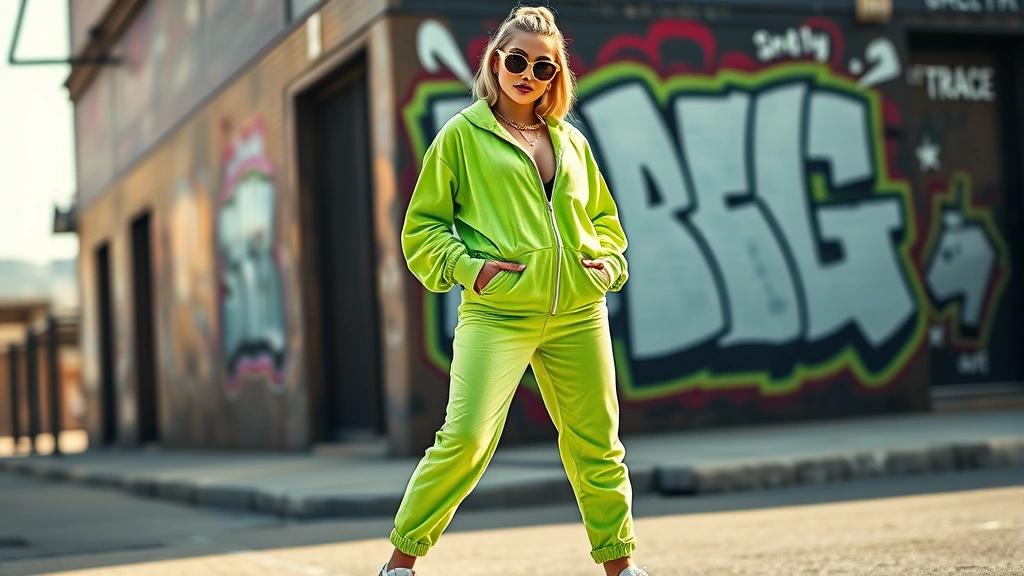
Neon and fluorescent tones represented the most extreme end of the color spectrum. Neon green, hot pink, and electric blue appeared on tracksuits, hoodies, and accessories. These colors created an almost futuristic aesthetic that pushed fashion boundaries.
Earth tones and neutrals also appeared, but typically in secondary roles. Khaki, brown, and tan provided grounding elements that balanced brighter statement pieces. The neutral colors prevented outfits from becoming visually chaotic while still maintaining boldness.
Monochromatic looks gained traction, with entire outfits in single colors. Head-to-toe red, blue, or white ensembles created striking visual statements that proved fashion impact didn’t require multiple colors.
Regarding fabric choices, the 2000s hip hop aesthetic favored:
- Heavy cotton for hoodies and sweatshirts, providing substantial weight and durability
- Denim in various weights, with heavier fabrics preferred for their structure and visibility
- Velour for tracksuits, providing a luxury feel with casual accessibility
- Leather for jackets and accessories, adding toughness and sophistication
- Nylon for windbreakers and athletic-inspired pieces
- Terry cloth for hoodies and sweatpants, emphasizing comfort without sacrificing style
The fabric choices reflected the philosophy that clothing should feel substantial and look intentional. Flimsy fabrics were avoided; everything should feel like it could withstand wear and project durability alongside style.
Styling Tips for Modern Wear
The beauty of 2000s hip hop fashion lies in its continued relevance and adaptability. You don’t need to recreate the exact looks to capture the essence and incorporate these elements into contemporary style. Here’s how to channel 2000s hip hop fashion authentically:
Start with oversized basics. Begin with oversized hoodies, t-shirts, and sweatshirts in neutral colors or bold statement shades. Layer them with fitted pieces to create balance—oversized hoodie with fitted jeans, or oversized t-shirt with tailored trousers. This approach maintains the silhouette philosophy while feeling modern.
Invest in quality denim. Seek out heavier-weight denim in classic colors. While extreme bagginess might feel dated, the 2000s hip hop approach to denim proportions—slightly looser than contemporary skinny fits—creates visual interest without feeling costume-like.
Choose statement footwear. Invest in quality sneakers that make visual statements. Air Jordans, classic Nikes, or contemporary streetwear sneakers can anchor outfits and communicate style confidence. The footwear doesn’t need to be vintage 2000s to capture the aesthetic.
Incorporate strategic jewelry. You don’t need chains thick enough to anchor boats, but bold jewelry pieces communicate confidence. A substantial watch, meaningful rings, or statement necklaces add personality without requiring extreme proportions.
Play with color boldly. Don’t shy away from bright colors or unexpected combinations. A neon green hoodie with neutral jeans, or a bold patterned shirt with solid pants, captures the era’s color philosophy while feeling contemporary.
Add brand-conscious pieces strategically. Incorporate recognizable logos or brand statements without making them the entire outfit. A single statement piece—Sean John hoodie, Ecko cargo pants, or Rocawear jacket—can anchor an outfit while allowing other elements to shine.
Embrace oversized outerwear. Oversized jackets, parkas, and windbreakers create silhouette interest and visual impact. These pieces work with contemporary clothing while honoring 2000s proportions.
Mix luxury with casual. The 2000s hip hop aesthetic thrived on mixing high and low. Pair designer pieces with streetwear, luxury accessories with basic clothing, creating interesting contrasts that feel intentional rather than accidental.
Celebrity Influences and Style Icons
Understanding 2000s hip hop fashion requires examining the artists who defined and popularized these trends. These weren’t just musicians—they were style architects who influenced millions globally.
Jay-Z represented sophisticated hip hop style, proving that oversized fashion could feel refined. His Rocawear line reflected his personal aesthetic: bold logos balanced with quality construction. Jay-Z’s evolution from street wear to luxury fashion demonstrated hip hop’s maturation.
Diddy epitomized the excess and confidence of 2000s hip hop fashion. His Sean John brand and personal style choices influenced countless followers. Diddy’s willingness to wear bright colors, bold patterns, and statement jewelry without apology defined an entire aesthetic.
50 Cent pushed oversized silhouettes to their extremes, making G-Unit clothing instantly recognizable. His bold color choices and massive logos became synonymous with 2000s hip hop excess. 50 Cent proved that fashion impact didn’t require subtlety.
Eminem brought a distinctive Midwest sensibility to hip hop fashion, favoring baggy jeans, oversized hoodies, and Timberland boots. His style felt more grounded than some peers, yet equally impactful. Eminem’s fashion choices influenced countless fans seeking authentic street credibility.
Ludacris embraced bright colors and bold patterns, creating visually striking looks that stood out in music videos. His willingness to experiment with colors and silhouettes expanded what hip hop fashion could be.
Nelly brought Southern hip hop style to mainstream consciousness, popularizing grillz and creating a distinctive aesthetic that balanced flashiness with approachability. His collaborations with brands and fashion choices influenced Southern fashion culture significantly.
T.I. represented Atlanta’s hip hop fashion evolution, incorporating luxury brands while maintaining street credibility. His style demonstrated that hip hop fashion could feel elevated without losing cultural authenticity.
For deeper understanding of how fashion movements evolve, exploring 1960s hippie fashion and 1920s fashion dresses reveals patterns of cultural expression through clothing across decades. The 2000s hip hop movement follows similar trajectories of youth culture using fashion as rebellion and identity assertion.
These artists understood something fundamental: fashion is communication. Every oversized hoodie, every chain, every bold color choice transmitted messages about confidence, cultural identity, economic status, and creative vision. Their willingness to push boundaries and reject conventional fashion rules democratized style and proved that authenticity matters more than adherence to traditional fashion rules.
FAQ
What are the essential pieces for capturing 2000s hip hop fashion today?
Start with oversized hoodies, quality denim, statement sneakers, bold accessories, and at least one recognizable brand piece. These fundamentals create an authentic 2000s hip hop aesthetic without requiring complete costume recreation.
How do I wear oversized clothing without looking dated?
Balance oversized pieces with fitted elements—oversized hoodie with tapered jeans, or baggy cargo pants with a fitted shirt. Mix contemporary styling with 2000s silhouettes to create looks that feel vintage-inspired rather than costume-like.
Are 2000s hip hop fashion trends still relevant in contemporary style?
Absolutely. The oversized silhouette philosophy influences current fashion, streetwear continues celebrating bold logos and statement pieces, and the mixing of luxury with casual remains fashionable. The aesthetic’s core principles transcend decades.
Which brands from the 2000s are still available?
Rocawear, Sean John, and Ecko Unltd continue operating. Additionally, many 2000s-era pieces appear on vintage and resale markets, making authentic pieces accessible to contemporary enthusiasts.
How can I incorporate 2000s hip hop fashion into professional settings?
Use subtle elements: slightly oversized blazers, quality sneakers with business casual, bold accessories, or statement watches. The philosophy of confidence and intentionality translates to professional environments without requiring full 2000s recreation.
What’s the difference between 2000s hip hop fashion and other 2000s fashion trends?
2000s hip hop fashion specifically emphasized oversized silhouettes, bold logos, luxury-street mixing, and cultural authenticity. While other 2000s trends included low-rise jeans and baby tees, hip hop fashion rejected these in favor of the opposite proportions and approach.
Where can I find authentic 2000s hip hop fashion pieces?
Vintage retailers, resale platforms like Depop and Grailed, thrift stores, and original brand websites offer authentic pieces. Additionally, contemporary streetwear brands create modern interpretations of 2000s aesthetics.