1830s Fashion Guide: Historian Insights
The 1830s represent one of the most transformative decades in fashion history, marking a dramatic shift from the classical elegance of the Regency era to the romantic exuberance of the Victorian age. This pivotal period witnessed silhouettes that challenged conventional beauty standards, introducing the iconic leg-of-mutton sleeves and dramatically narrowed waistlines that defined a generation. Understanding 1830s fashion provides invaluable insight into how social, economic, and cultural movements shape our aesthetic choices, influencing contemporary style trends we see today.
Fashion historians recognize the 1830s as a bridge between two distinct aesthetic philosophies. The decade embodied romantic idealism through voluminous skirts, intricate embellishments, and an emphasis on feminine delicacy that contrasted sharply with earlier neoclassical restraint. Whether you’re exploring the complete fashion history timeline or seeking to find your personal style through historical inspiration, the 1830s offers remarkable lessons in silhouette evolution and decorative innovation.
The Silhouette Revolution
The 1830s silhouette represents a fundamental departure from the high-waisted, empire-line dresses that dominated the Regency period. Instead of the understated elegance of the 1810s and 1820s, fashion embraced a more structured approach with the waistline dropping to its natural position. This shift created an entirely new proportional framework for women’s bodies, emphasizing a dramatically cinched waist that became the defining characteristic of the decade.
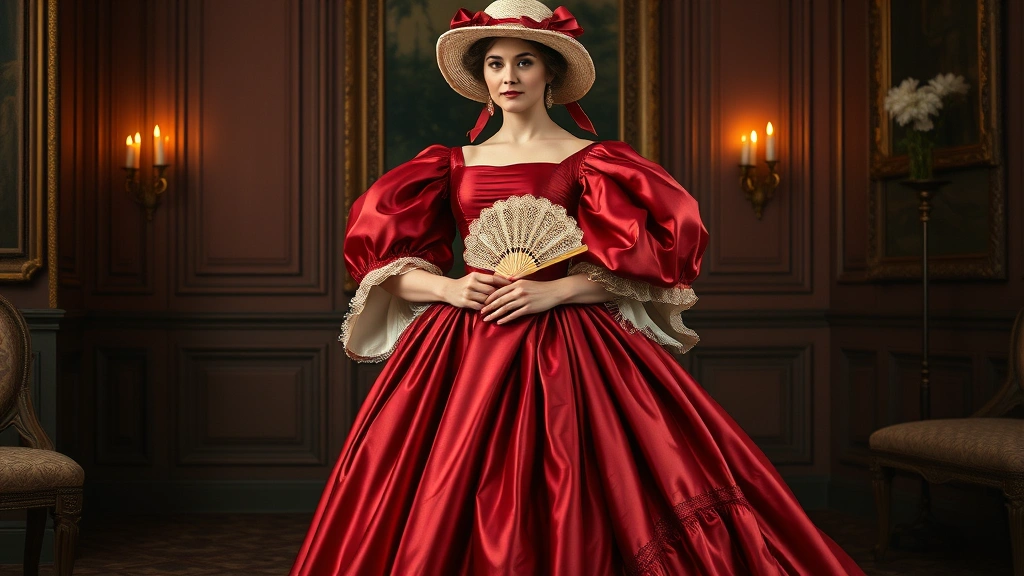
The primary silhouette featured a fitted bodice that extended down to the natural waistline, paired with a voluminous skirt that extended outward in all directions. This skirt, often measuring up to six yards in circumference at the hem, created a distinctive bell shape when viewed from the side. The skirt’s fullness was concentrated at the sides and back, with the front remaining relatively smooth and fitted. This architectural approach to dressing required substantial underpinnings, including multiple layers of petticoats made from linen and later cotton.
As you explore fashion style through historical periods, you’ll notice how the 1830s silhouette influenced modern design principles. Contemporary fashion designers frequently reference this era when creating romantic, feminine collections that emphasize waist definition and dramatic volume in skirts. The proportional relationships established during this decade continue to inform how designers approach silhouette construction and body emphasis.
The construction of 1830s dresses required exceptional tailoring skill. Bodices were carefully boned to maintain their rigid structure, with bones inserted into channels that ran vertically down the front and sides. The boning extended from the bust down to the waistline, creating smooth, uninterrupted lines that emphasized the narrowness of the corseted waist. This construction technique represented the pinnacle of 1830s tailoring expertise and required extensive hand-stitching by skilled seamstresses.
Sleeve Innovation and Exaggeration
Perhaps no element of 1830s fashion captures the era’s romantic excess quite like the leg-of-mutton sleeve. This distinctive sleeve style featured an exaggerated fullness at the shoulder and upper arm that tapered dramatically to a fitted cuff at the wrist. The name itself derives from the silhouette’s resemblance to a leg of mutton, with the bulbous upper portion tapering to the slender bone at the wrist.
The development of the leg-of-mutton sleeve occurred gradually throughout the decade. Early 1830s sleeves were more modest, with fullness distributed more evenly throughout the upper arm. By the mid-1830s, the fullness concentrated increasingly at the shoulder seam, creating a more pronounced peak. By the decade’s end, sleeves had reached their maximum volume, with some examples featuring shoulder widths that extended nearly as far as the skirt’s width. This exaggeration created a striking visual effect, making women’s shoulders appear impossibly broad and their waists impossibly narrow by contrast.
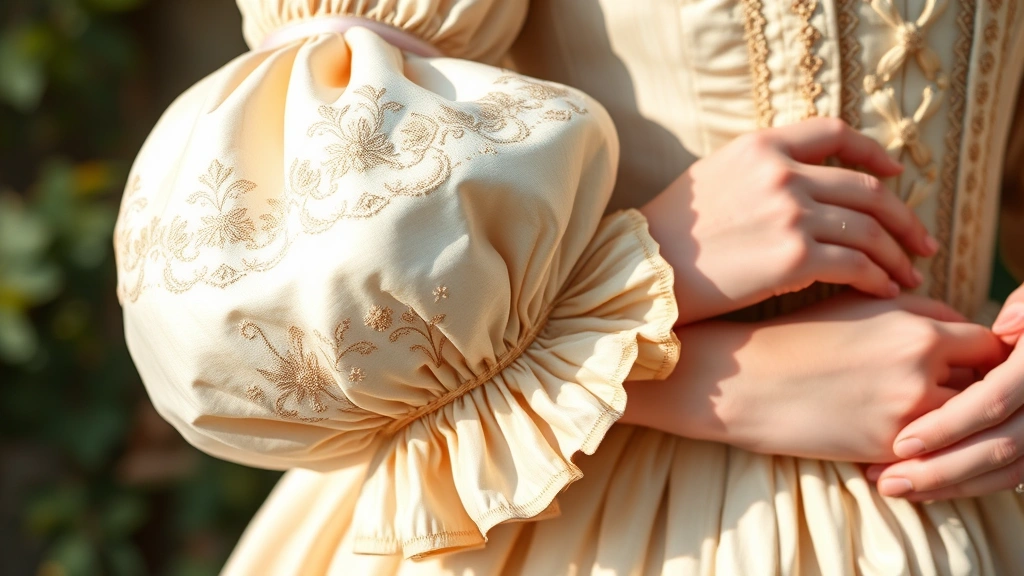
Creating leg-of-mutton sleeves required sophisticated pattern-cutting and construction techniques. The fullness was typically achieved through gathering or pleating fabric at the shoulder seam, with the gathered fabric controlled through careful manipulation and sometimes internal stays or buckram. The transition from the full upper portion to the fitted cuff required precise shaping, often involving multiple seams and darts that were carefully stitched to maintain smooth lines without bulk.
The leg-of-mutton sleeve represented more than mere aesthetic choice; it demonstrated a woman’s social status and access to quality tailoring. Creating these sleeves required significant fabric, skilled labor, and construction expertise. Consequently, the most exaggerated examples appeared on garments worn by wealthy women who could afford the finest tailoring. As you study 90s fashion and other modern trends, you’ll recognize how contemporary designers occasionally reference this sleeve style, though typically in more subtle interpretations that echo the original’s romantic drama without its full extremity.
Fabrics, Materials, and Textures
The 1830s witnessed remarkable developments in textile production and availability. The Industrial Revolution had dramatically increased fabric production capacity, making previously expensive materials more accessible to the middle classes. Silk remained the preferred fabric for formal wear and special occasions, but cotton, wool, and blended fabrics became increasingly popular for everyday garments.
Silk fabrics dominated the most prestigious 1830s dresses, particularly for evening wear and special occasions. Striped silks were especially fashionable, with contrasting color combinations creating visual interest and emphasizing the dress’s constructed silhouette. Plain silks in rich colors—deep crimsons, forest greens, sapphire blues, and chocolate browns—provided sophisticated alternatives to striped patterns. Watered silk, which features a distinctive moire pattern created through special finishing processes, added luxurious texture to formal garments.
Cotton fabrics offered more affordable options for everyday wear, with printed cottons featuring small-scale patterns becoming increasingly popular throughout the decade. These prints often depicted botanical designs, geometric patterns, or small florals that complemented the era’s romantic aesthetic. Muslin, a plain-weave cotton fabric, provided practical options for morning dresses and informal garments. Linen, traditionally used for undergarments and chemises, maintained its importance in 1830s wardrobes for its durability and comfort against the skin.
Wool fabrics appeared frequently in 1830s fashion, particularly for pelisses, spencers, and other outerwear. Merino wool, prized for its softness and lustrous appearance, became increasingly available during this period as trade routes expanded and colonial wool production increased. Plaid and tartan patterns, influenced by Scottish and Irish traditions, gained popularity for both wool garments and silk accessories.
Decorative techniques transformed simple fabrics into elaborate fashion statements. Embroidery, particularly silk thread embroidery on silk or cotton ground fabrics, created intricate designs that enhanced a garment’s visual impact. Lace, both bobbin-made and needle lace, appeared frequently on collars, cuffs, and as insertions within dress skirts. Ribbon, produced in increasingly varied widths and colors, decorated hems, created rosettes, and embellished bodices. Fringe, tassels, and other dimensional trims added movement and drama to evening wear.
Accessories and Decorative Details
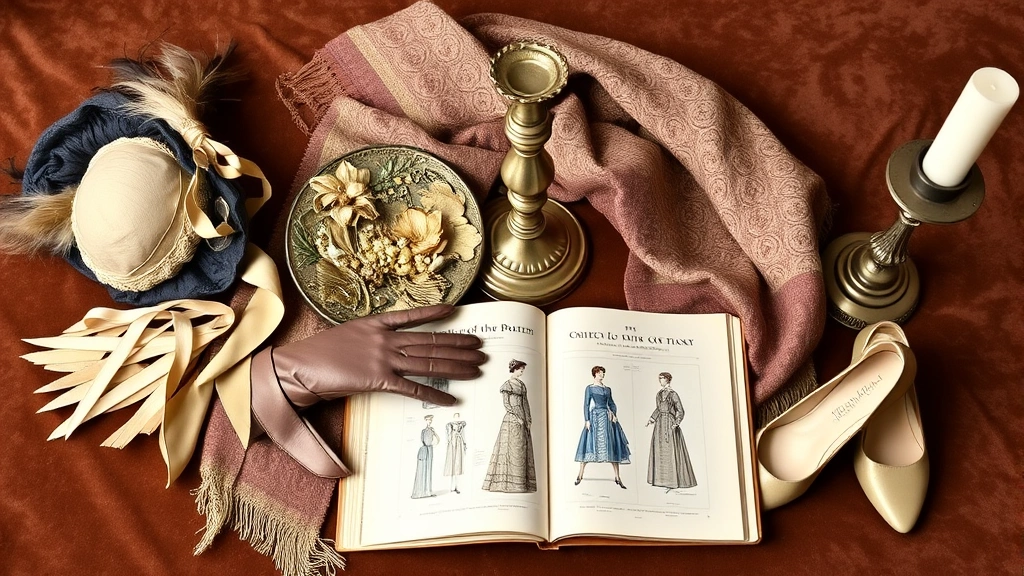
1830s fashion extended far beyond dresses, encompassing an elaborate system of accessories that completed the era’s distinctive aesthetic. Bonnets represented the most prominent accessory, featuring increasingly large brims that extended forward over the face and smaller brims that covered the back of the head. These bonnets were typically constructed over millinery wire frames and decorated with ribbons, feathers, artificial flowers, and lace. The bonnet’s shape created a distinctive silhouette that framed the face while protecting complexion from sun damage—a crucial concern for women of the era.
Shawls and wraps served both practical and decorative functions in 1830s wardrobes. Large rectangular shawls, often made from silk or wool, draped elegantly over the shoulders and arms. Paisley patterns, imported from India and replicated by European manufacturers, became especially fashionable. Shorter wraps and pelisses, fitted garments that extended from shoulder to knee or below, provided warmth while complementing the era’s silhouette. These outer garments featured the same fitted bodices and voluminous sleeves as day dresses, creating a coordinated aesthetic.
Gloves represented an essential accessory for any respectable woman, with long gloves extending well above the wrist becoming increasingly fashionable as the decade progressed. Made from kid leather, cotton, or silk, gloves appeared in colors that coordinated with or contrasted deliberately with dress colors. Evening gloves, often exceeding twenty inches in length, required careful manipulation to fit properly over the arms without creating uncomfortable bunching.
Footwear underwent significant changes during the 1830s, with heel heights increasing and shoe shapes narrowing considerably. The flat, broad-toed slippers of the Regency era gave way to more delicate shoes featuring higher heels and more pointed toes. Boots, extending to the calf or just below the knee, became increasingly popular for outdoor wear and travel. These boots often featured decorative tassels or braiding and represented significant investments for women’s wardrobes.
Jewelry preferences shifted during the 1830s, with longer necklaces becoming fashionable as necklines remained relatively high and modest. Brooch pins, frequently featuring romantic motifs such as flowers, birds, or miniature paintings, decorated the bodice front. Earrings, often featuring pearls or semi-precious stones suspended from gold or silver wire, complemented the era’s romantic aesthetic. Vogue‘s historical archives frequently reference 1830s jewelry styles as inspiration for contemporary accessory design.
Social Context and Class Distinctions
Fashion during the 1830s served as a crucial marker of social status and class identity. The elaborate silhouettes, expensive materials, and skilled construction required to create fashionable garments made them accessible primarily to the upper and upper-middle classes. A single dress from this period might require six to eight yards of expensive fabric, multiple petticoats, skilled seamstress labor, and several weeks of construction time.
Working-class women wore simplified versions of fashionable silhouettes, with less voluminous skirts, simpler construction, and less expensive materials. Their garments typically featured fewer decorative elements and relied on more practical fabrics. Servants and working women wore even more utilitarian clothing designed for durability and ease of movement rather than fashionable appearance. The dramatic difference between upper-class and working-class dress made social distinctions immediately visible and reinforced existing class hierarchies.
The 1830s witnessed the rise of the middle class as industrialization created new wealth and opportunities. This expanding middle class eagerly adopted fashionable styles, driving demand for fashion magazines and pattern publications that provided instructions for constructing stylish garments at home. Publications like The World of Fashion and La Belle Assemblée documented current trends and made fashion information increasingly accessible to women beyond the aristocratic elite.
As you explore Style Loom Daily Blog and other fashion resources, you’ll discover how historical class distinctions continue influencing contemporary fashion. Luxury brands maintain exclusivity through high prices and limited production, while fast fashion democratizes trend access for broader populations—a dynamic that echoes 1830s class-based fashion distinctions in modern contexts.
Men’s Fashion in the 1830s
While women’s fashion underwent dramatic transformations during the 1830s, men’s fashion followed a more conservative trajectory. The dandyism of the Regency era persisted into the 1830s, particularly among younger men and those in artistic circles. Dandies favored exaggerated silhouettes, bright colors, and elaborate accessories that challenged conventional masculine aesthetics. However, the broader trend throughout the decade moved toward increasing sobriety and restraint in men’s dress.
The coat remained the dominant garment in men’s wardrobes, with the cut-away coat featuring a fitted waist and curved away front edges remaining fashionable for daytime wear. The coat’s tails extended to the knees, with skirts that allowed comfortable movement while maintaining a tailored appearance. Waistcoats, worn under coats, provided opportunities for color and pattern through silk fabrics and embroidery. These waistcoats featured deep armholes and extended down to the hips, creating a silhouette that emphasized the waist.
Trousers gradually replaced breeches throughout the 1830s, marking a significant shift in men’s fashion. These trousers featured a higher waistline and a more fitted silhouette than modern trousers, with a strap extending under the instep to keep the trouser leg taut. Trouser colors ranged from dark neutrals to light pastels, with striped and patterned trousers appearing frequently in fashionable men’s wardrobes. The increasing adoption of trousers reflected broader social changes and the declining influence of aristocratic fashion preferences.
Neckwear represented one of the few areas where men could express individuality and fashion consciousness. Cravats, typically made from white linen or silk, were tied in elaborate knots that required significant skill and time to create properly. The complexity of cravat tying became a mark of fashionable knowledge, with various knots and styles appearing in men’s fashion publications. Collars grew progressively higher throughout the decade, with some reaching nearly to the ears by the 1830s’ end.
Accessories completed men’s fashionable appearance, with top hats, walking sticks, and gloves representing essential elements of a gentleman’s wardrobe. Top hats, made from beaver fur or silk, grew taller throughout the decade, creating distinctive silhouettes in street scenes. Walking sticks served both practical and decorative functions, with handles featuring precious metals, ivory, or decorative wood. Gloves, typically made from kid leather, appeared in colors ranging from pristine white to pale yellow or grey.
FAQ
What made 1830s fashion so distinctive?
The 1830s introduced the dramatic leg-of-mutton sleeve, extremely voluminous skirts, and cinched waistlines that created the era’s most recognizable silhouettes. These elements combined to create a distinctly romantic aesthetic that emphasized feminine delicacy through exaggerated proportions and elaborate construction techniques. The decade marked a clear departure from Regency simplicity toward Victorian excess.
How did women achieve such narrow waistlines in the 1830s?
Corsets provided the primary mechanism for achieving 1830s waistlines, with heavily boned undergarments creating the dramatic silhouette. These corsets extended from below the bust to below the hips, using numerous bones inserted into channels to maintain rigidity. The corsets were typically laced tightly at the back, drawing the waist inward dramatically. Multiple petticoats worn beneath skirts added volume while the corset created the narrowness that made the proportional contrast so striking.
Were 1830s fashion trends influenced by historical events?
Yes, the romantic excess of 1830s fashion reflected broader cultural movements toward romanticism in art, literature, and music. The Romantic movement’s emphasis on emotion, nature, and idealized beauty influenced fashion’s dramatic silhouettes and decorative elaboration. Additionally, colonial expansion and increased trade made exotic materials and patterns more accessible, while industrial textile production made fashionable dress increasingly available to expanding middle-class populations.
How did 1830s fashion influence contemporary style?
Modern designers frequently reference 1830s silhouettes when creating romantic, dramatic collections. The leg-of-mutton sleeve, voluminous skirts, and emphasis on waist definition continue appearing in contemporary fashion, often in updated interpretations that maintain the original era’s essential character while adapting to modern sensibilities. Understanding fashion style principles helps contemporary fashion enthusiasts recognize these historical references and appreciate their enduring influence.
What materials were most commonly used for 1830s dresses?
Silk represented the most prestigious fabric choice for formal wear and special occasions, with cotton, wool, and linen appearing in everyday garments. Printed cottons, striped silks, and patterned wools dominated fashionable wardrobes. Lace, ribbon, embroidery, and other decorative techniques transformed these base fabrics into elaborate fashion statements that demonstrated the wearer’s wealth and access to skilled craftsmanship.
How did men’s fashion differ from women’s fashion in the 1830s?
Men’s fashion remained considerably more conservative than women’s fashion, with increasing emphasis on sobriety and restraint as the decade progressed. While women’s silhouettes became more exaggerated, men’s clothing moved toward simpler lines and darker colors. The primary exception was among dandies, who deliberately challenged conventional masculine aesthetics through exaggerated silhouettes and bright colors. Trousers gradually replaced breeches throughout the decade, marking a significant shift in men’s fashion conventions.
Fashion historian insights reveal that 1830s fashion represented a pivotal moment in style evolution, establishing aesthetic principles that continue influencing contemporary design. Explore The Met’s fashion collections and FIT’s historical resources for deeper exploration of this transformative era. Understanding these historical foundations enriches your appreciation for how fashion communicates cultural values and social structures across generations.