Western Fashion Trends: Expert Insights
The world of western fashion continues to evolve at a breathtaking pace, blending timeless classics with cutting-edge innovations that define how we express ourselves through clothing. From the runways of Paris to the streets of New York, western fashion represents a dynamic conversation between heritage and modernity, tradition and rebellion. Today’s fashion landscape is more inclusive, experimental, and democratic than ever before, with designers and style enthusiasts pushing boundaries and redefining what it means to dress with intention and confidence.
Understanding current western fashion trends requires more than just knowing what’s popular—it demands insight into the cultural movements, technological advances, and social conversations that shape our sartorial choices. Whether you’re looking to refresh your wardrobe, discover your signature style, or simply stay informed about where fashion is heading, this comprehensive guide offers expert perspectives on the most influential trends reshaping western fashion in 2024 and beyond.
Sustainable Fashion Revolution
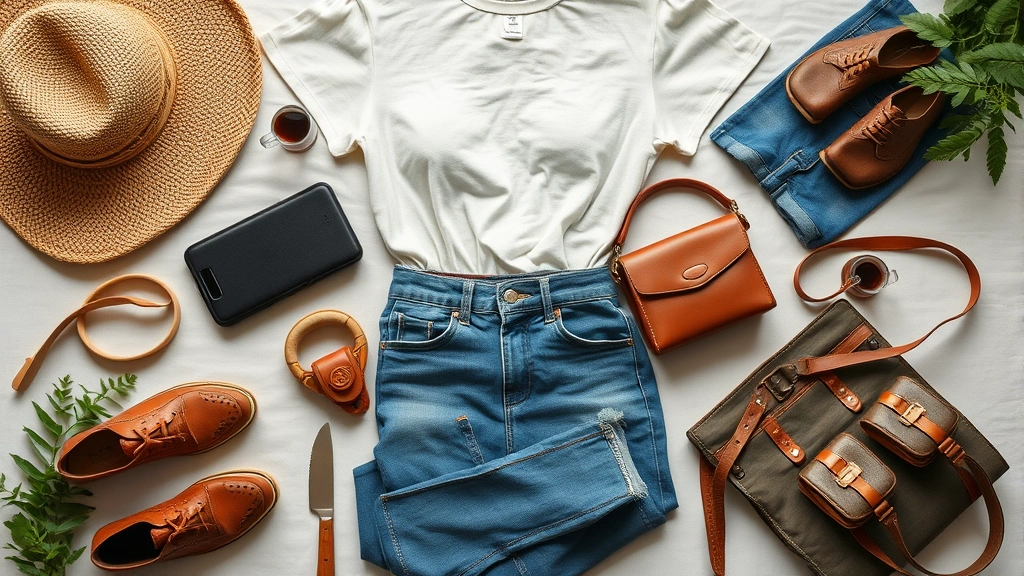
The most transformative trend in contemporary western fashion is undoubtedly the shift toward sustainability and ethical production. Consumers are increasingly demanding transparency from brands, wanting to know where their clothes come from, who made them, and what environmental impact they carry. This conscious approach to fashion consumption has moved from niche activism to mainstream expectation, fundamentally altering how designers conceptualize collections and how retailers source materials.
Leading fashion houses are investing heavily in innovative sustainable practices, from developing lab-grown leather alternatives to implementing circular economy models that encourage garment recycling and upcycling. Brands are now showcasing their sustainability credentials as proudly as they display their design innovation. This trend intersects beautifully with finding your personal style, as conscious consumption allows you to build a wardrobe aligned with your values rather than mindless trends. The rise of ethical fashion journalism has also elevated conversations around sustainability, making it impossible for the industry to ignore environmental responsibility.
Sustainable fashion isn’t about sacrificing style or quality—quite the opposite. Designers working with organic cotton, recycled fabrics, and innovative bio-materials are creating pieces that are both visually stunning and environmentally responsible. The craftsmanship required to work with sustainable materials often elevates the final product, creating garments with longevity and timeless appeal that transcend seasonal trends.
Gender-Fluid Silhouettes and Inclusivity
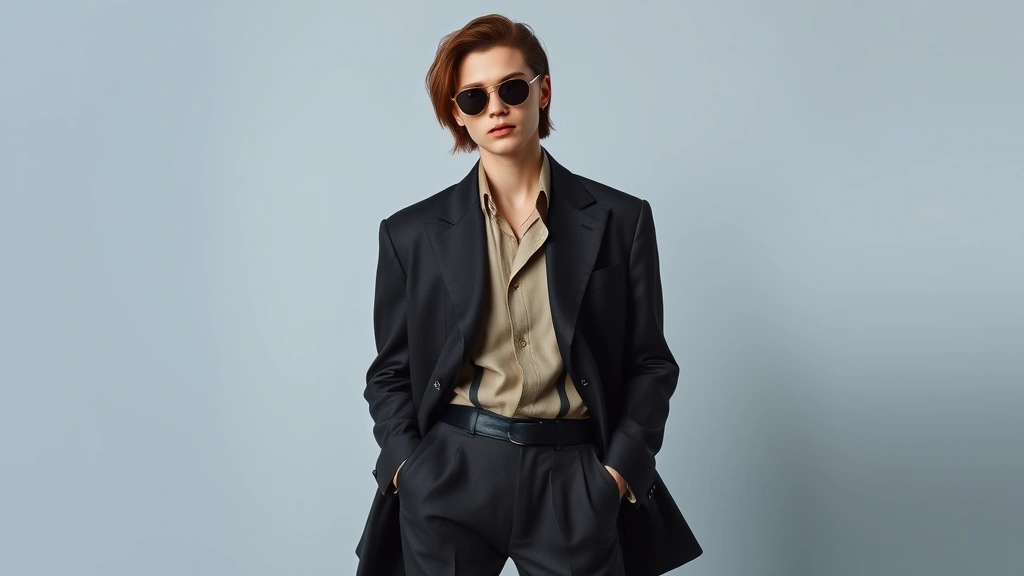
Western fashion is experiencing a profound democratization in how we think about gendered clothing. The rigid boundaries between menswear and womenswear are dissolving, replaced by a more fluid approach to silhouettes, cuts, and styling possibilities. This shift represents not just a fashion trend but a cultural evolution reflecting broader conversations about identity, expression, and acceptance.
Contemporary designers are creating collections that prioritize individual expression over traditional gender categories. Oversized blazers, flowing skirts worn by all genders, androgynous tailoring, and boundary-pushing silhouettes have become mainstream rather than avant-garde. This inclusive approach to fashion design ensures that people of all gender identities can find clothing that resonates with their personal aesthetic. Understanding types of fashion now includes recognizing how these categories themselves are being reimagined and expanded.
Major fashion houses are hiring diverse design teams and conducting extensive research into how different body types and gender expressions interact with clothing. The result is collections that feel genuinely inclusive rather than tokenistic. Fashion weeks now celebrate designers who challenge traditional norms, and retail spaces are reorganizing to reflect this more fluid approach to clothing categories.
Maximalism Over Minimalism
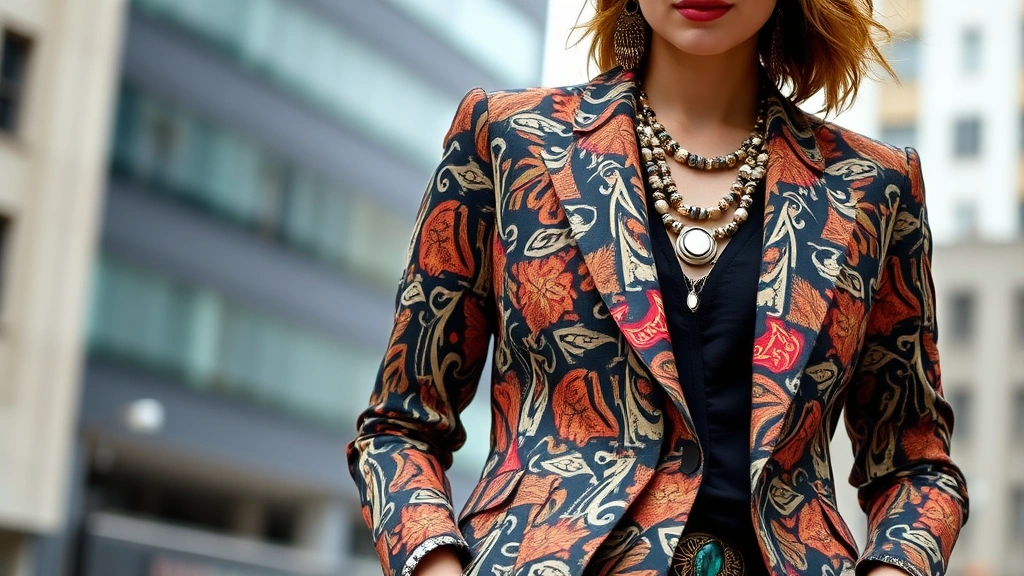
After years of minimalist dominance, western fashion is experiencing a vibrant maximalist resurgence that celebrates boldness, pattern mixing, and unapologetic self-expression. This trend reflects a cultural desire to break free from restraint and embrace abundance, texture, and color in ways that feel liberating and joyful.
Maximalism in fashion isn’t about chaos or poor taste—it’s about intentional curation of pieces that work together to create striking visual narratives. Bold prints are being layered with complementary patterns, rich colors are paired with unexpected textures, and statement pieces are celebrated rather than hidden. This approach requires confidence and a strong understanding of color theory and proportion, but the results are undeniably impactful.
The maximalist movement offers refreshing counterpoint to the oversaturated minimalist aesthetic that dominated the last decade. Designers are drawing inspiration from diverse cultural traditions, historical periods, and artistic movements to create collections that feel rich with meaning and visual interest. When exploring fashion style options, maximalism provides an exciting framework for those who want their clothing to make bold statements.
Interestingly, maximalism pairs beautifully with sustainable fashion principles. By investing in fewer, more distinctive pieces that you genuinely love, you’re building a wardrobe with longevity and reduced environmental impact. This combination of aesthetic boldness and ethical consumption represents the sophistication of contemporary western fashion.
Vintage and Thrifting Culture
The explosion of vintage fashion and thrifting culture has fundamentally changed how people approach western fashion consumption. What once existed on the margins of fashion consciousness—secondhand shops, vintage markets, and estate sales—has become a central pillar of how style-conscious consumers build their wardrobes.
This trend serves multiple purposes simultaneously. Environmentally, it extends the lifecycle of garments and reduces demand for new production. Economically, it provides access to high-quality, designer pieces at fraction of retail prices. Aesthetically, it offers unique, one-of-a-kind items that can’t be replicated in mass production. Culturally, it celebrates fashion history and allows contemporary wearers to engage directly with different eras and styles.
The rise of platforms like Depop, Vestiaire Collective, and The RealReal has professionalized vintage shopping, making it easier than ever to discover and purchase vintage pieces globally. Simultaneously, brick-and-mortar vintage shops have become destination experiences, often located in trendy neighborhoods and curated by fashion-forward experts. Style Loom Daily Blog regularly features insights into how vintage pieces can refresh modern wardrobes and create distinctive personal style statements.
Fashion influencers and celebrities openly celebrate their vintage finds, legitimizing secondhand shopping across all demographic groups. This cultural shift has created a situation where wearing vintage is seen as stylish, intelligent, and environmentally conscious—a powerful combination that continues to drive growth in this sector.
Technology Meets Textiles
The intersection of technology and fashion represents one of the most exciting frontiers in contemporary western fashion. From smart fabrics that regulate temperature to garments embedded with sensors monitoring health metrics, technology is fundamentally expanding what clothing can do and how it can enhance our lives.
Designers are experimenting with innovative materials created through biotechnology, including mushroom leather, lab-grown silk, and spider-web-inspired synthetic proteins. These materials offer performance characteristics that traditional fabrics can’t match while maintaining sustainability advantages. Virtual fashion experiences, augmented reality try-ons, and digital-only garments are also emerging as brands explore how technology can democratize fashion and reduce waste.
3D design and virtual prototyping allow designers to experiment and iterate far more efficiently than traditional methods, reducing sample waste and accelerating the design process. Blockchain technology is being explored for supply chain transparency, allowing consumers to trace the complete journey of their garments from raw materials to finished products. These technological innovations aren’t gimmicks—they represent genuine advancement in how fashion can be designed, produced, and consumed more responsibly.
The rise of Vogue as a digital-first publication reflects broader recognition that western fashion exists increasingly in digital spaces. Virtual fashion shows, digital collections, and online communities are reshaping how trends develop and spread, making fashion more accessible and participatory than ever before.
Color Psychology in Fashion
Contemporary western fashion is embracing sophisticated understanding of color psychology, moving beyond basic color theory to recognize how specific hues can influence mood, perception, and self-expression. Designers are strategically using color to make powerful statements and create emotional connections with wearers.
Certain colors have emerged as particularly influential in current trends. Deep jewel tones—emerald, sapphire, and amethyst—convey luxury and sophistication. Earthy neutrals—terracotta, sage, and warm beiges—ground collections in nature and sustainability. Bold primary colors and unexpected neons challenge convention and celebrate optimism. Color blocking, where contrasting colors are juxtaposed for maximum impact, has become a sophisticated design technique rather than a juvenile approach.
The psychology extends beyond individual pieces to how colors interact within a complete look. Understanding which colors complement your skin tone, hair, and eyes allows you to leverage color as a powerful tool for developing your personal style and creating cohesive, intentional outfits. Fashion experts now regularly discuss color palettes and seasonal color analysis as essential components of personal styling.
Seasonal color trends also continue to evolve, with forecasting agencies like Pantone and WGSN influencing global color choices across industries. Understanding these color trends allows you to make informed decisions about which new pieces to add to your wardrobe while maintaining timeless appeal.
The Power of Accessories
Accessories have evolved from supporting players in fashion to protagonists commanding serious attention and investment. In contemporary western fashion, a well-chosen accessory can completely transform an outfit, elevate a simple ensemble, or make a powerful personal statement.
Statement bags, bold jewelry, distinctive footwear, and carefully selected scarves now occupy central positions in fashion discourse. Luxury brands have recognized the profitability and emotional power of accessories, creating collections that rival their clothing offerings in creativity and desirability. Vintage and designer bags have become investment pieces, with certain styles appreciating in value over time.
The accessory trend also democratizes fashion in important ways. A simple basic outfit can be completely transformed through strategic accessory choices, allowing people with limited budgets to participate in current trends and express individual style. Layering jewelry, combining different textures in bag selections, and mixing metal finishes represent sophisticated contemporary approaches to accessorizing. When exploring fashion influencers, you’ll notice that styling expertise often centers on how accessories elevate basic pieces into distinctive looks.
Sustainable and ethical accessory brands have flourished alongside this trend, offering beautiful options that align with conscious consumption values. From ethically-sourced leather to recycled metal jewelry, accessory choices now reflect the same sustainability considerations as clothing selections.
FAQ
What are the biggest western fashion trends right now?
Current western fashion trends include sustainable and ethical production, gender-fluid silhouettes, maximalist aesthetics, vintage and thrifting culture, technological innovations in textiles, sophisticated color psychology, and statement accessories. These trends reflect broader cultural values around inclusivity, environmental responsibility, and authentic self-expression.
How can I incorporate western fashion trends into my personal style?
Start by identifying which trends resonate with your values and aesthetic preferences. Finding your personal style involves experimenting with different trends to see which ones feel authentic to you. Don’t feel pressured to adopt every trend—instead, select elements that enhance your existing wardrobe and allow you to express your individual identity.
Is sustainable fashion more expensive?
Sustainable fashion can range from affordable to luxury price points. While some sustainable pieces command premium prices due to ethical production and innovative materials, secondhand and vintage options provide access to high-quality sustainable fashion at lower costs. Many emerging sustainable brands also offer competitive pricing while maintaining ethical standards.
Where can I find affordable western fashion pieces?
Thrifting, vintage shops, and online resale platforms like Depop and Vestiaire Collective offer affordable alternatives to retail shopping. Additionally, checking out Fashion Nova promo code opportunities and other discount resources can help you access contemporary pieces at reduced prices while staying current with western fashion trends.
How do fashion influencers shape western fashion trends?
Fashion influencers significantly shape trends through their content, styling choices, and engagement with followers. They democratize fashion by showing how trends can be adapted and personalized, making high fashion more accessible and relatable. Their influence has shifted power dynamics in the fashion industry, elevating new designers and challenging traditional gatekeepers.
What role does technology play in modern western fashion?
Technology influences western fashion through innovative materials, virtual try-on experiences, sustainable production methods, and digital platforms that connect designers with consumers. Smart fabrics, 3D design, and blockchain supply chain tracking represent genuine innovations that are reshaping how fashion is created and consumed responsibly.