Nordic Fashion Trends: Expert Insights Into Scandinavia’s Style Revolution
The Nordic fashion industry has emerged as one of the most influential and innovative forces in global style, captivating fashion enthusiasts and industry professionals alike with its distinctive approach to design, sustainability, and minimalist aesthetics. What began as a regional movement has blossomed into a powerful cultural phenomenon that shapes how millions of people dress, think about quality, and invest in their wardrobes. From the runways of Copenhagen to the design studios of Stockholm, Nordic fashion represents a refreshing departure from fast-fashion excess, emphasizing timeless pieces, ethical production, and functional elegance that resonates across continents.
The allure of Nordic fashion lies in its fundamental philosophy: that true style transcends trends, that quality matters more than quantity, and that fashion should enhance rather than overwhelm. This perspective has revolutionized contemporary style discourse, influencing everything from luxury brands to mainstream retailers. Understanding fashion style through a Nordic lens means appreciating the intersection of art, functionality, and environmental consciousness that defines this region’s approach to clothing and personal presentation.
The Essence of Nordic Minimalism
Nordic minimalism isn’t merely about owning fewer clothes; it’s a comprehensive lifestyle philosophy that prioritizes intentionality, quality, and purposeful consumption. The Nordic fashion industry has built its reputation on the principle that every piece in your wardrobe should earn its place through versatility, durability, and timeless appeal. This approach stands in stark contrast to the disposable fashion culture that has dominated global markets for decades.
The roots of Nordic design philosophy trace back to the region’s harsh climate, where practicality became paramount. Scandinavian designers developed an intuitive understanding that clothing must perform multiple functions: provide warmth, allow layering, transition seamlessly between seasons, and maintain aesthetic integrity across countless wears. This necessity bred innovation, leading to the development of sophisticated techniques for fabric selection, tailoring, and construction that remain industry benchmarks today. The complete fashion history timeline reveals how regional constraints often catalyze the most enduring style movements.
Contemporary Nordic fashion continues this legacy by emphasizing clean lines, neutral color schemes, and garments designed for longevity. The aesthetic celebrates negative space, allowing individual pieces to breathe and combine effortlessly. Oversized silhouettes, precise tailoring, and unexpected fabric combinations characterize much of Nordic design, creating a sophisticated visual language that communicates refinement without ostentation.
Understanding how to find your personal style through a Nordic lens means identifying pieces that align with your lifestyle needs while maintaining visual coherence. Nordic designers excel at creating capsule-ready items that form the foundation of a versatile, seasonally-adaptable wardrobe.
Key Nordic Fashion Industry Players
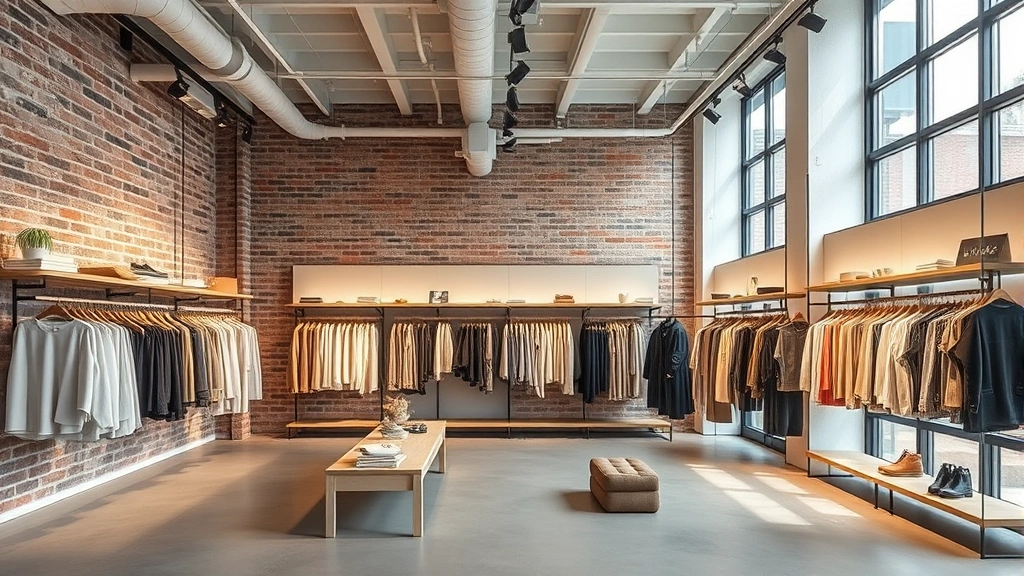
The Nordic fashion landscape encompasses both established heritage brands and innovative emerging designers who collectively shape global style conversations. These industry leaders have demonstrated remarkable staying power by refusing to compromise on quality or ethical standards, even as market pressures incentivize rapid production cycles.
Copenhagen-based powerhouses dominate the region’s fashion narrative. Brands like Ganni have revolutionized how contemporary fashion houses approach sustainability, creating desirable, trend-responsive collections while maintaining transparent supply chains. Their success proves that ethical production and commercial viability aren’t mutually exclusive. Similarly, By Malene Birger and Samsøe Samsøe represent the sophisticated, design-forward approach that characterizes Danish fashion excellence.
Swedish design traditions emphasize architectural precision and understated luxury. Acne Studios has achieved international acclaim by combining streetwear influences with high-fashion craftsmanship, while Filippa K represents the Swedish commitment to timeless, investment-worthy basics. These brands understand that Nordic fashion appeals to consumers seeking meaning in their purchases, not merely trend-driven novelty.
Norwegian brands bring distinctive perspectives shaped by their Nordic landscape and cultural heritage. Holzweiler embodies the modern Nordic aesthetic: gender-neutral silhouettes, premium materials, and a commitment to longevity that challenges conventional fashion cycles. The Norwegian design ethos emphasizes functionality without sacrificing beauty, creating garments that perform across diverse lifestyles and climates.
Finnish design brings experimental boldness to the Nordic conversation. Marimekko, renowned for distinctive patterns and innovative textiles, demonstrates how Nordic brands can achieve global recognition while maintaining strong cultural identity. This balance between regional authenticity and international appeal characterizes the most successful Nordic fashion enterprises.
Sustainability as a Core Value
The Nordic fashion industry’s commitment to sustainability transcends marketing rhetoric, representing genuine philosophical alignment with environmental and social responsibility. This commitment has become increasingly central to brand identity, influencing everything from material sourcing to production processes to end-of-life garment considerations.
Scandinavian designers pioneered the concept of conscious consumption within luxury fashion contexts, arguing that premium pricing reflects not just design excellence but also ethical production standards and environmental stewardship. This perspective has gradually influenced global fashion discourse, legitimizing questions about garment origins, production conditions, and material sustainability that were previously considered niche concerns.
The Nordic fashion industry actively champions innovative sustainable materials and techniques. Brands collaborate with research institutions to develop alternatives to conventional textiles, exploring possibilities with organic fibers, recycled materials, and biotechnological innovations. This commitment reflects the region’s broader environmental consciousness and investment in circular economy principles.
Beyond materials, Nordic brands demonstrate sustainability commitment through transparent supply chain practices. Many publish detailed sustainability reports, maintain long-term relationships with production partners, and invest in worker welfare programs that exceed industry standards. This transparency allows consumers to understand the true cost of their purchases, informing more intentional consumption decisions.
The circular economy concept deeply influences Nordic fashion strategy. Brands increasingly offer repair services, take-back programs, and resale platforms, recognizing that sustainability requires extending garment lifecycles rather than perpetually generating new consumption. This approach aligns with the minimalist philosophy that fewer, higher-quality pieces ultimately serve both personal and environmental interests.
Color Palettes and Design Philosophy
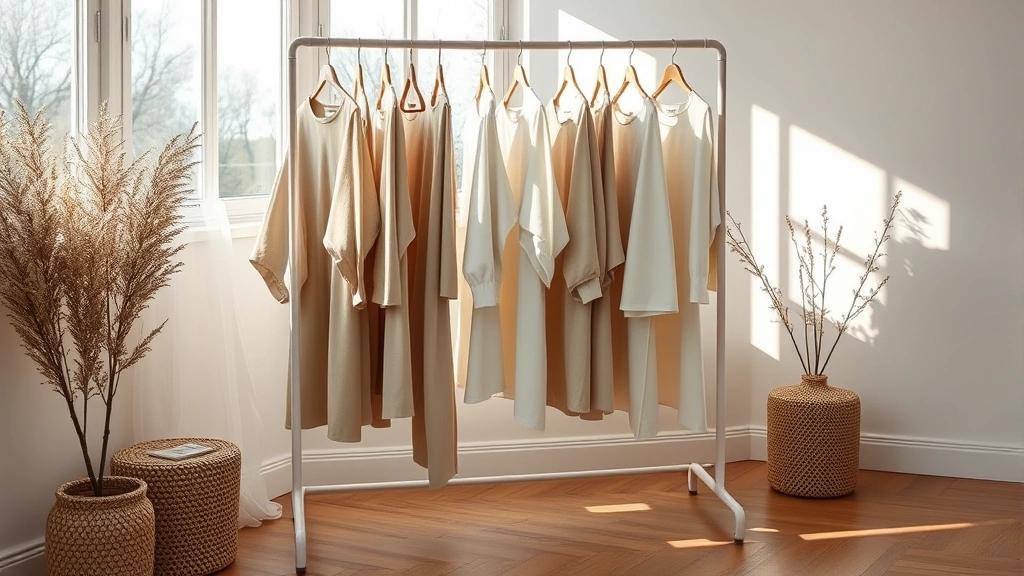
Nordic fashion’s distinctive visual language stems from deliberate color choices rooted in regional landscapes and cultural aesthetics. The canonical Nordic palette emphasizes neutrals—black, white, grey, beige, and navy—creating a sophisticated foundation that prioritizes versatility and timeless appeal.
This neutral emphasis doesn’t indicate creativity limitations; rather, it reflects sophisticated understanding of how color functions within minimalist design. By establishing neutral foundations, Nordic designers create canvases for subtle tonal variations, unexpected fabric combinations, and strategic accent pieces that command attention precisely because they’re deployed sparingly. A single vibrant garment gains exponential visual impact when surrounded by neutral companions.
Contemporary Nordic design increasingly incorporates nature-inspired hues reflecting Scandinavian landscapes: muted sage greens, deep forest tones, soft blues echoing Nordic skies, and warm earth tones reminiscent of natural materials. These colors feel simultaneously bold and restrained, providing visual interest without overwhelming the minimalist aesthetic.
Texture becomes paramount within limited color palettes. Nordic designers excel at combining materials—wool with linen, cotton with silk, leather with knit—creating visual depth and tactile interest through tactile variation rather than chromatic complexity. This approach rewards closer inspection, revealing sophisticated craftsmanship that photographs beautifully but impresses even more substantially in person.
The design philosophy underlying these choices emphasizes functional aesthetics: every design decision serves multiple purposes simultaneously. Oversized silhouettes accommodate layering while creating contemporary visual interest. Neutral colors ensure versatility and longevity. Strategic fabric combinations provide both performance and beauty. Nothing exists purely for ornamentation; every element earns its place through utility and visual contribution.
Current Nordic Fashion Trends
Contemporary Nordic fashion trends reflect evolving consumer values, technological innovations, and global style conversations while maintaining core philosophical commitments to minimalism and sustainability. Current movements within the fashion style landscape reveal how Nordic designers continue influencing global aesthetic directions.
Gender-Neutral Design Evolution: Nordic brands increasingly embrace gender-neutral silhouettes and presentation, reflecting both cultural values and market recognition that contemporary consumers reject restrictive fashion binaries. This movement extends beyond simply offering identical pieces to multiple genders; it represents fundamental reconceptualization of how clothing should function and who it should serve. Oversized proportions, strategic layering opportunities, and neutral color palettes naturally accommodate diverse body types and personal style expressions.
Tech-Integrated Textiles: The Nordic fashion industry collaborates extensively with technology sectors to develop innovative fabrics featuring integrated functionality. Smart textiles that regulate temperature, incorporate sustainable technological elements, or enhance performance characteristics represent the intersection of Nordic design pragmatism with contemporary innovation.
Vintage and Circular Fashion: Nordic brands increasingly engage with vintage and secondhand fashion markets, recognizing that true sustainability requires valuing existing garments. Designers create contemporary pieces that complement vintage treasures, and many establish resale platforms featuring their own previous collections. This approach transforms fashion consumption from linear acquisition to cyclical appreciation.
Maximalist Minimalism: An emerging trend within Nordic design embraces layering, pattern mixing, and unexpected combinations while maintaining minimalist philosophy. Rather than rejecting visual interest, contemporary designers explore how sophisticated combination and intentional eclecticism can coexist with restraint and purposefulness.
Artisanal Collaboration: Many Nordic brands increasingly partner with traditional craftspeople and artisans, both within the region and globally. These collaborations celebrate handmade elements, preserve traditional techniques, and create limited-edition pieces that emphasize uniqueness over mass production.
Seasonal Influences and Adaptations
Nordic regions experience dramatic seasonal variations that profoundly influence design approaches and fashion consumption patterns. Understanding how Nordic designers address seasonal challenges reveals sophisticated problem-solving that extends far beyond aesthetic considerations.
Winter Design Innovations: Extended dark seasons necessitate careful consideration of how clothing performs under extreme cold while maintaining visual appeal. Nordic designers excel at creating layering systems that accommodate substantial insulation without bulk, utilizing innovative materials that trap warmth efficiently. Winter fashion becomes functional art, with designers balancing technical performance requirements against aesthetic aspirations.
Color becomes particularly strategic during winter months. While neutral palettes dominate year-round, winter collections often incorporate deeper, richer tones and strategic use of texture to combat visual heaviness associated with necessary bulk. Designers create visual interest through material variation rather than chromatic intensity, maintaining minimalist principles while preventing monotony across extended dark periods.
Transitional Season Mastery: Spring and autumn present unique challenges in regions experiencing rapid temperature fluctuations and unpredictable weather patterns. Nordic designers demonstrate exceptional skill at creating garments functioning effectively across wide temperature ranges. Layering pieces, transitional weights, and versatile silhouettes allow single garments to perform across seasons, aligning with minimalist philosophy while addressing practical realities.
Summer Considerations: Brief summers receive thoughtful design attention despite their brevity. Nordic designers create summer collections emphasizing lightweight materials, breathable fabrics, and sophisticated silhouettes that remain visually coherent with year-round wardrobes. Summer pieces frequently incorporate technical performance elements enabling comfortable outdoor engagement.
How to Incorporate Nordic Style
Adopting Nordic fashion principles doesn’t require relocating to Scandinavia or exclusively purchasing from regional brands. Instead, it involves embracing the underlying philosophy that guides Nordic design and applying those principles to your personal style journey.
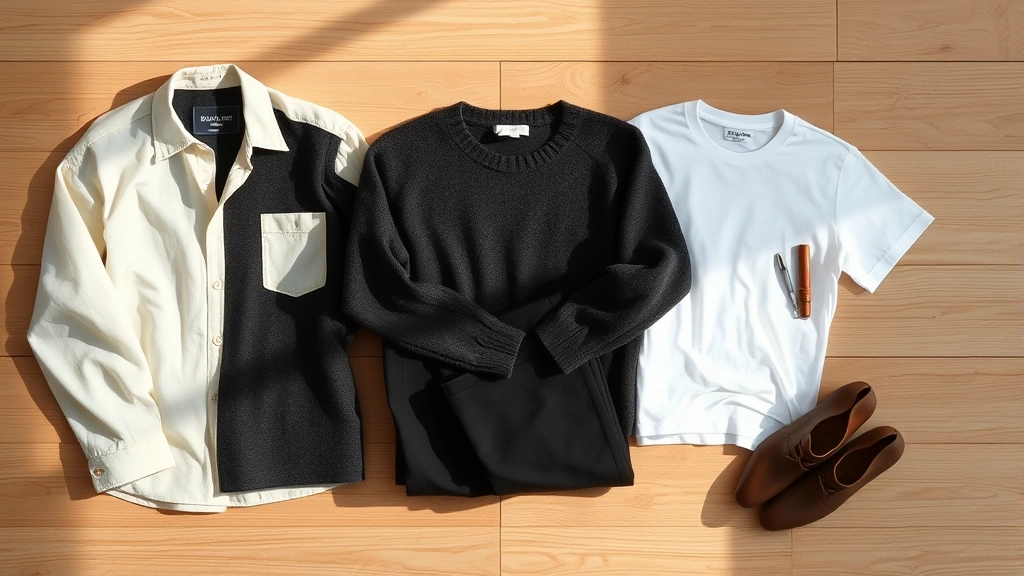
Begin with Foundation Pieces: Establish a neutral base including well-fitted black trousers, white and grey t-shirts, neutral sweaters, and versatile outerwear. These foundational pieces should prioritize quality, fit, and longevity over trend-responsiveness. Invest in timeless silhouettes that flatter your proportions and align with your lifestyle requirements.
Prioritize Quality Over Quantity: Rather than accumulating numerous mediocre pieces, Nordic philosophy encourages investing in fewer items of exceptional quality. Examine fabric composition, construction details, and brand transparency before purchasing. Consider cost-per-wear calculations; a premium garment worn frequently becomes more economical than cheaper alternatives worn occasionally.
Develop a Cohesive Palette: Identify 4-5 neutral base colors that complement your complexion and personal aesthetic, then build your wardrobe exclusively around these tones. This constraint might initially feel restrictive but ultimately simplifies outfit combinations and maximizes versatility. Add 2-3 accent colors for subtle visual interest without disrupting overall coherence.
Exploring types of fashion reveals how Nordic style represents a specific philosophical approach rather than merely an aesthetic preference. This distinction matters when building a personally authentic wardrobe.
Embrace Minimalist Accessories: Nordic styling emphasizes accessories’ functional and visual balance. Choose understated jewelry, quality bags designed for longevity, and footwear serving multiple purposes. Accessories should enhance rather than dominate outfits, contributing to overall coherence without demanding attention.
Invest in Versatile Outerwear: Given climate considerations underlying Nordic design, quality outerwear becomes essential. Choose neutral-colored coats offering both weather protection and visual sophistication. Well-designed outerwear should layer easily, coordinate with multiple outfits, and maintain aesthetic appeal across seasons.
Explore Sustainable Brands: Seek out brands—both Nordic and internationally—demonstrating genuine sustainability commitment through transparent practices, ethical production standards, and quality-focused design. Supporting these brands aligns your consumption with your values while encouraging broader industry movement toward responsible practices.
Practice Intentional Shopping: Before purchasing, consider whether new pieces coordinate with existing wardrobe items, whether they serve multiple purposes, and whether they’ll remain desirable in three years. This intentionality prevents impulse acquisitions that contradict minimalist principles.
Understanding how to find your personal style within Nordic frameworks means identifying which elements resonate authentically with you rather than adopting the entire aesthetic wholesale. Nordic philosophy permits individual expression within minimalist parameters.
FAQ
What defines Nordic fashion industry characteristics?
The Nordic fashion industry emphasizes minimalism, sustainability, quality over quantity, neutral color palettes, and functional design. Brands prioritize longevity, ethical production, and environmental responsibility while creating timeless pieces that transcend seasonal trends. This philosophy reflects regional climate considerations, cultural values, and commitment to conscious consumption.
Which Nordic countries lead fashion innovation?
Denmark, Sweden, Norway, and Finland each contribute distinctive perspectives to Nordic fashion. Denmark leads in contemporary design and brand recognition, Sweden emphasizes understated luxury and architectural precision, Norway focuses on functional innovation, and Finland brings experimental boldness and distinctive pattern work. These countries collectively shape global fashion discourse through their influential brands and design philosophies.
How does Nordic fashion differ from fast fashion?
Nordic fashion prioritizes quality, durability, and timeless design over trend-responsiveness and rapid production cycles. Brands invest in sustainable materials, ethical production practices, and transparent supply chains. Garments are designed for longevity and versatility rather than seasonal obsolescence. This approach encourages fewer, higher-quality purchases rather than continuous consumption cycles characteristic of fast fashion.
Can I achieve Nordic style affordably?
While Nordic brands command premium prices reflecting quality and ethical standards, you can adopt Nordic principles affordably by prioritizing fewer, well-chosen pieces over quantity, shopping secondhand for quality items, exploring emerging brands before they achieve international recognition, and investing strategically in foundational pieces while mixing with more affordable staples. The philosophy emphasizes intentional consumption rather than budget size.
What’s the environmental impact of Nordic fashion brands?
Leading Nordic brands demonstrate measurable environmental commitment through sustainable material sourcing, reduced production waste, ethical labor practices, and circular economy initiatives. Many publish comprehensive sustainability reports and continuously innovate toward lower environmental footprints. However, all fashion production carries environmental cost; Nordic brands distinguish themselves through transparency and genuine commitment to continuous improvement.
How do Nordic designers approach seasonal dressing?
Nordic designers create sophisticated layering systems, transitional pieces, and versatile silhouettes accommodating dramatic seasonal variations. Winter collections emphasize technical insulation without bulk, spring and autumn pieces facilitate temperature-range adaptation, and summer offerings maintain visual coherence with year-round wardrobes. This approach allows minimal wardrobes to function effectively across changing conditions.
Are Nordic fashion brands only for minimalists?
While minimalist philosophy guides Nordic design, contemporary brands increasingly offer diverse aesthetics within their foundational principles. Gender-neutral options, maximalist-minimalism explorations, and varied silhouettes accommodate different personal styles. Nordic philosophy emphasizes intentionality and quality rather than restricting aesthetic expression; many consumers find these values compatible with diverse style preferences.