Jirai Kei Fashion: Styling Tips from Experts
Jirai kei, a captivating Japanese fashion subculture, represents a bold departure from conventional style norms. This trend-forward aesthetic celebrates femininity through an intriguing blend of innocent charm and edgy sophistication, creating a visual narrative that commands attention and sparks conversation. The term “jirai” translates to “landmine” in Japanese, reflecting the style’s paradoxical nature—appearing delicate on the surface while harboring unexpected depths beneath.
Understanding jirai kei fashion requires appreciating its nuanced approach to personal expression. This style movement has transcended Japanese fashion circles, captivating style enthusiasts worldwide who seek to embrace individuality through carefully curated aesthetics. Whether you’re exploring different fashion styles or discovering your signature look, jirai kei offers a refreshing perspective on contemporary fashion that blends sweetness with attitude.
The appeal of jirai kei lies in its versatility and emotional resonance. It allows fashion lovers to express multiple facets of their personality simultaneously—combining cute elements with dramatic flair, innocent details with bold statements. This comprehensive guide explores expert styling tips, essential wardrobe components, and practical advice for authentically incorporating jirai kei aesthetics into your personal style journey.
Understanding the Jirai Kei Aesthetic
Jirai kei represents a sophisticated evolution within Japanese street fashion, emerging as a distinctive subculture that challenges traditional beauty standards. This aesthetic philosophy embraces contradiction as its fundamental principle—pairing innocent, girlish elements with darker, more provocative styling choices. Fashion experts recognize jirai kei as a form of visual storytelling that communicates complexity and multidimensional identity.
The roots of jirai kei can be traced through Japan’s rich fashion history timeline, representing a modern interpretation of kawaii culture with rebellious undertones. Unlike purely cute aesthetics, jirai kei deliberately incorporates elements of danger, mystery, and edge. This intentional juxtaposition creates visual tension that makes the style particularly compelling for individuals seeking to express their authentic selves through fashion.
Industry stylists emphasize that understanding jirai kei requires moving beyond surface-level observations. The aesthetic demands intentionality in every choice—from fabric selection to accessory placement. Each element serves a purpose in constructing the overall narrative of duality that defines this fashion movement. When exploring how to find your personal style, jirai kei offers a framework for expressing complexity and depth through carefully considered fashion decisions.
Core Elements and Key Pieces
Building an authentic jirai kei wardrobe begins with understanding essential garment categories that form the foundation of this aesthetic. These key pieces work together to create the characteristic balance between sweetness and edge that defines the style.
Tops and Bodysuits: Cropped baby tees, oversized band merchandise, and sheer layering pieces create the foundation for jirai kei outfits. Many stylists recommend investing in fitted bodysuits that can be worn under sheer fabrics or paired with skirts that showcase the midriff. The key is selecting pieces that reference both innocent youth culture and mature edge simultaneously.
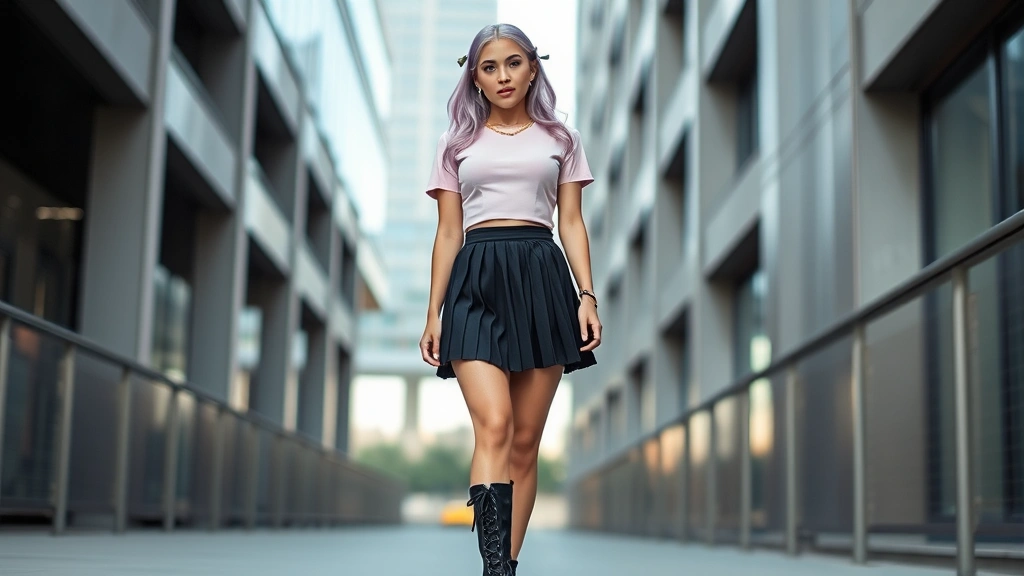
Skirts and Bottoms: Pleated mini skirts in pastels contrast beautifully with dark stockings and bold footwear. Leather mini skirts, asymmetrical designs, and skirts with unexpected cutouts exemplify the style’s contradictory nature. Pairing sweet silhouettes with edgy materials creates the visual tension that characterizes jirai kei fashion.
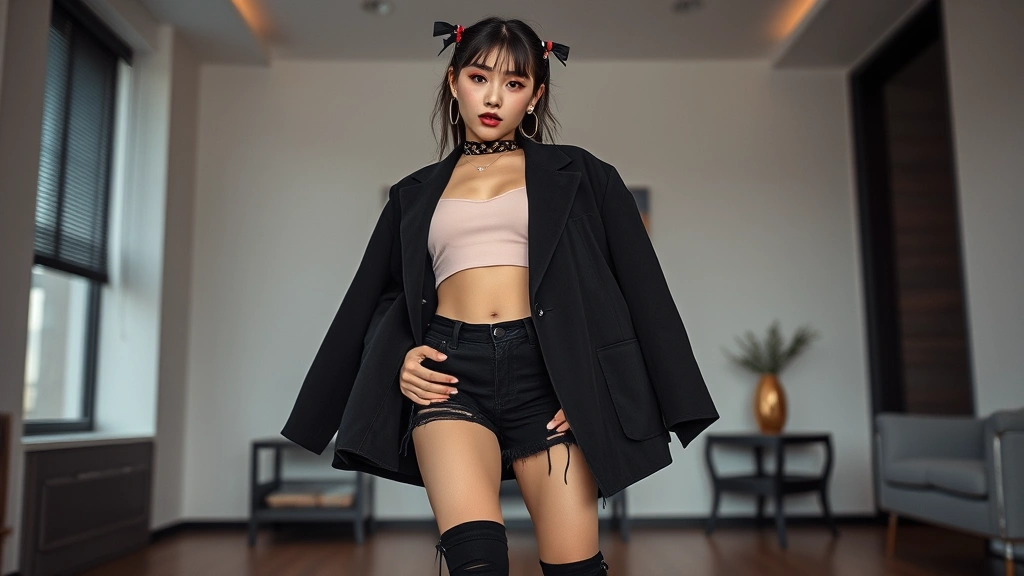
Outerwear: Oversized blazers, leather jackets, and mesh overlays serve as crucial layering pieces. These garments immediately introduce edge and sophistication to otherwise innocent-looking ensembles. Experts recommend selecting outerwear pieces that feature unexpected details—asymmetrical cuts, dramatic sleeves, or unconventional fastenings.
Footwear Choices: Combat boots, platform shoes, and chunky sneakers ground jirai kei outfits with attitude. These bold shoe choices prevent the aesthetic from becoming overly cute or juvenile. Pairing delicate tops with substantial footwear reinforces the style’s fundamental philosophy of contradiction.
Building Your Color Palette
Color selection plays a crucial role in achieving authentic jirai kei styling. The aesthetic typically employs strategic color combinations that emphasize its dual nature.
Primary Colors: Black forms the foundation of most jirai kei outfits, providing contrast and edge. White and cream tones introduce innocence and lightness. Soft pastels—particularly baby pink, lavender, and mint green—feature prominently in jirai kei fashion, offering sweetness that contrasts with darker elements.
Accent Colors: Deep burgundy, forest green, and navy create sophisticated undertones. Neon accents occasionally appear in smaller doses, adding unexpected vibrancy. Fashion experts suggest limiting your palette to three primary colors per outfit to maintain coherence while preserving the style’s intentional contradictions.
Neutrals and Metallics: Gray, beige, and taupe serve as balancing neutrals. Silver and gold metallics introduce glamour and polish. These elements prevent jirai kei outfits from appearing chaotic or poorly coordinated, instead creating a curated, intentional aesthetic.
Expert Styling Strategies
Professional stylists specializing in fashion style recommend several proven techniques for creating cohesive jirai kei ensembles.
The Balance Method: For every cute element, incorporate an edgy counterpart. Pairing a sweet crop top with distressed black jeans and combat boots creates the essential jirai kei balance. This mathematical approach to styling ensures your outfit communicates the aesthetic’s core philosophy rather than appearing random or poorly thought-out.
Layering Sophistication: Strategic layering adds depth and visual interest to jirai kei outfits. A sheer overlay over a fitted top, combined with a mesh skirt over shorts, creates dimension while maintaining the style’s delicate-yet-bold aesthetic. Experts emphasize that layering should feel intentional rather than accidental.
Proportion Play: Mixing oversized and fitted pieces creates visual interest and prevents the outfit from appearing costume-like. An oversized blazer paired with fitted shorts, or a cropped top with wide-leg pants, demonstrates sophisticated styling awareness. Understanding how different proportions interact allows you to create more compelling visual narratives.
Texture Mixing: Combining materials—silk with leather, cotton with mesh, satin with denim—adds tactile interest to jirai kei outfits. This textural variety prevents the aesthetic from becoming flat or one-dimensional. Fashion-forward stylists consistently utilize texture mixing to elevate their compositions.
Accessories and Fine Details
Accessories represent the finishing touches that transform good jirai kei outfits into exceptional ones. These elements deserve careful consideration and intentional selection.
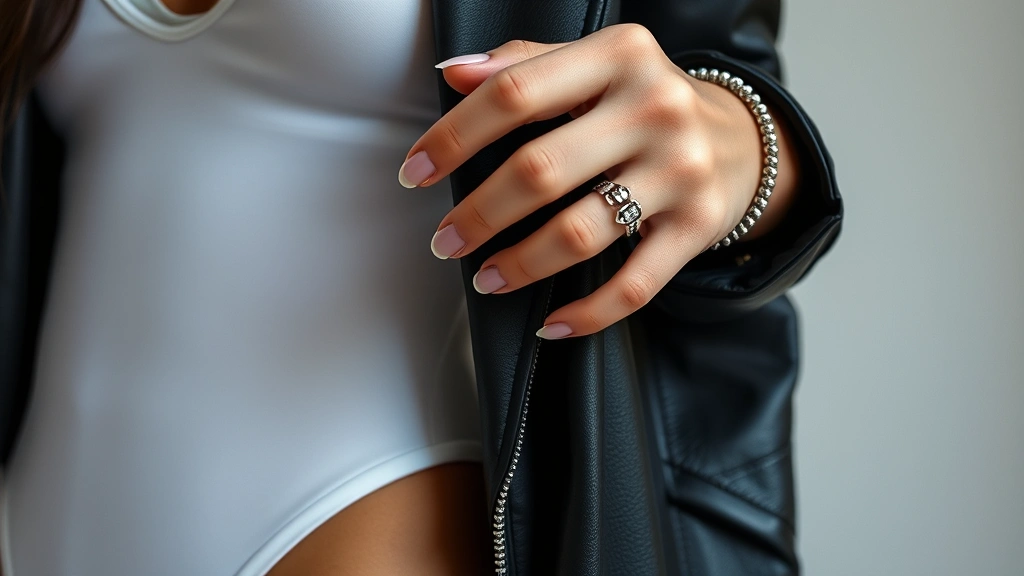
Jewelry and Hardware: Delicate chains and cute charms contrast beautifully with chunky silver rings and bold statement pieces. Many stylists recommend mixing dainty and substantial jewelry on the same outfit—perhaps pairing a delicate necklace with chunky rings and a bold bracelet. This approach reinforces the style’s fundamental contradiction.
Bags and Carryables: Fashion accessories like small crossbody bags with cute designs or structured handbags in leather create functional style statements. Chain bags, backpacks with decorative elements, and vintage-inspired purses all work within jirai kei aesthetic parameters. The key is selecting pieces that feel intentional within your overall composition.
Belts and Straps: Wide belts, chain belts, and straps with distinctive hardware add visual interest and define silhouettes. These elements can transform proportions and introduce additional design details to otherwise simple outfits. Experts recommend treating belts as styling opportunities rather than purely functional accessories.
Hair Accessories: Ribbons, bows, clips, and decorative hairpieces introduce sweetness while maintaining overall sophistication. Mixing cute hair accessories with edgy styling—like pairing pink ribbons with dark makeup—exemplifies jirai kei’s central philosophy. These small details significantly impact how your complete aesthetic reads to observers.
Makeup and Hair Styling
Facial presentation and hair styling constitute essential components of authentic jirai kei fashion expression.
Makeup Approach: Jirai kei makeup typically features large, emphasized eyes paired with subtle lip colors. Drawing inspiration from kawaii aesthetics, the style incorporates extensive eye makeup—thick lashes, eyeshadow, and carefully drawn eyebrows. However, this innocence-suggesting eye makeup contrasts with darker lip colors, smoky eyeshadow, or bold eyeliner that introduces edge and maturity. This contradiction mirrors the overall aesthetic philosophy.
Eye Techniques: Tearing or aegyo-sal makeup (under-eye highlighting) creates youthful appearance while bold eyeliner or smoky eye techniques add sophistication. Many stylists recommend combining both approaches—creating large, emphasized eyes with darker makeup elements that prevent the overall look from appearing too childish.
Hair Styling Options: Long, flowing hair with ribbons and bows introduces sweetness, while asymmetrical cuts, bold colors, or shaved sections add edge. Two-toned hair—combining light and dark shades—directly expresses jirai kei’s contradictory nature. Pigtails or twin-tails can appear cute while incorporating darker elements through styling techniques or hair accessories.
Color and Texture: Pastel hair colors, particularly pink or lavender, align with the aesthetic’s innocent aspects. However, many jirai kei enthusiasts incorporate darker roots or combine light colors with dark sections. This approach to hair color directly communicates the style’s fundamental philosophy of beautiful contradiction.
Styling for Different Occasions
Adapting jirai kei fashion for various contexts requires flexibility while maintaining aesthetic integrity. Style Loom Daily Blog consistently explores how fashion movements adapt across different settings and occasions.
Casual Everyday Styling: For daily wear, simplified jirai kei outfits featuring one or two statement pieces work effectively. A cute crop top with black jeans and combat boots, or a pastel skirt with a leather jacket, allows you to express the aesthetic without appearing overly costume-like. These approachable versions make jirai kei accessible for regular social situations.
Social and Nightlife Events: More dramatic jirai kei styling works beautifully for evening occasions. Bolder makeup, more substantial accessories, and more pronounced contrasts between cute and edgy elements create memorable, fashion-forward appearances. Sheer fabrics, dramatic silhouettes, and statement jewelry become more appropriate in these contexts.
School and Work Environments: Professional settings require toned-down jirai kei interpretations. Focusing on subtle contradictions—a cute blouse with tailored black pants, or a pastel sweater with edgy accessories—allows you to express the aesthetic within institutional constraints. The fundamental philosophy remains present even in minimized form.
Fashion Events and Celebrations: Dedicated fashion occasions permit the most dramatic jirai kei expressions. These settings welcome bold styling choices, elaborate makeup, and intentional costume-like qualities. Fashion shows, themed parties, and style-focused events celebrate the aesthetic’s most theatrical interpretations.
Avoiding Common Styling Mistakes
Understanding what doesn’t work in jirai kei fashion helps refine your styling approach and prevent aesthetic missteps.
Losing the Balance: The most common mistake involves emphasizing either the cute or edgy aspects too heavily. Jirai kei requires genuine contradiction—not simply cute styling with black accessories, or edgy styling with pastel accents. Each element should feel equally intentional and present.
Excessive Layering Confusion: While layering characterizes the aesthetic, excessive layering without purpose creates visual chaos. Each layer should serve a styling function—introducing color, texture, or silhouette variation. Random layering appears cluttered rather than sophisticated.
Ignoring Proportion and Fit: Poorly fitting garments undermine even well-selected pieces. Oversized items should intentionally oversized; fitted pieces should genuinely fit your body. Paying attention to tailoring and proportions significantly elevates your overall aesthetic presentation.
Inconsistent Makeup and Hair: Your facial presentation should align with your outfit’s energy level. Dramatic makeup with casual clothing creates disconnection; minimal makeup with elaborate styling appears unfinished. Ensuring coherence across all elements strengthens your overall aesthetic impact.
Neglecting Quality Details: Jirai kei fashion demands attention to detail. Cheap-looking accessories, wrinkled fabrics, or sloppy styling undermine the aesthetic’s sophisticated contradictions. Investing in quality basics and carefully maintaining your wardrobe elevates your entire presentation.
Frequently Asked Questions
What is the primary difference between jirai kei and other Japanese fashion styles?
Jirai kei uniquely emphasizes contradiction between cute and edgy elements, whereas other Japanese styles typically emphasize one aesthetic direction. While kawaii focuses on cuteness and gyaru emphasizes bold glamour, jirai kei deliberately balances opposing forces. This intentional contradiction represents the style’s defining characteristic and distinguishes it from related aesthetics.
Can I incorporate jirai kei elements into my existing wardrobe without complete replacement?
Absolutely. Start by introducing one or two key pieces—perhaps combat boots or a leather jacket—that you can pair with existing clothing. Gradually add complementary items as you develop your aesthetic understanding. This gradual approach allows you to develop authentic jirai kei style while respecting your current wardrobe investment and personal preferences.
Is jirai kei fashion appropriate for all body types and ages?
Yes, jirai kei’s fundamental philosophy celebrates individual expression and contradictions. The aesthetic adapts beautifully across different body types through thoughtful proportion and silhouette selection. Regarding age, while the style emerged from youth culture, individuals of any age can authentically express jirai kei through age-appropriate styling choices and makeup applications.
How do I find quality pieces without spending excessively?
Thrift stores and vintage shops offer excellent opportunities for finding unique jirai kei pieces at reasonable prices. Online marketplaces specializing in Japanese fashion provide affordable options. Building your wardrobe gradually through sales and strategic purchases allows you to develop authentic style without financial strain. Quality basics from affordable retailers can serve as foundations for more elaborate styling.
Can men wear jirai kei fashion?
While jirai kei originated as a predominantly feminine aesthetic, fashion is fundamentally about personal expression. Men can absolutely interpret and adapt jirai kei principles through their styling choices—incorporating the contradiction philosophy through unexpected combinations and intentional styling decisions. Gender-neutral interpretations of the aesthetic continue evolving as fashion becomes increasingly inclusive.
How do I know if my jirai kei styling is authentic?
Authenticity comes from intentionality. Ask yourself whether each element serves a purpose within your aesthetic vision. Does your outfit genuinely balance cute and edgy aspects? Are your choices reflecting your personal style rather than costume interpretation? When you can articulate why each piece belongs in your outfit, you’ve likely achieved authentic jirai kei expression.