
Jackie Kennedy’s Timeless Style: Expert Insights
Jackie Kennedy remains one of the most influential style icons in modern history, transcending her role as First Lady to become a global fashion phenomenon. Her impeccable taste, sophisticated silhouettes, and timeless elegance continue to inspire designers and fashion enthusiasts more than five decades after her iconic White House years. What made Jackie’s approach to fashion so revolutionary wasn’t merely her access to haute couture—it was her intuitive understanding of proportion, color harmony, and the power of restraint in an increasingly chaotic world.
The Kennedy era represented a pivotal moment in American fashion history, where youth, modernity, and refined elegance collided to create an entirely new aesthetic. Jackie’s influence extended far beyond her personal wardrobe; she fundamentally shaped how the world perceived American style, elevating it from provincial to cosmopolitan. Her legacy demonstrates that true fashion mastery lies not in following trends blindly, but in cultivating a distinct personal vision that remains relevant across generations. Today’s fashion industry still references her iconic looks, proving that authentic style transcends fleeting trends.
The Architecture of Jackie’s Iconic Look
Jackie Kennedy’s approach to fashion was fundamentally architectural. Her silhouettes featured clean lines, impeccable tailoring, and an emphasis on structure that flattered her frame while conveying authority and grace. Understanding her style requires examining how she prioritized fit above all else—every seam, every dart, every hem was meticulously calculated to create an appearance of effortless sophistication. This wasn’t accidental; it was the result of working with master tailors who understood that true luxury lies in precision.
The A-line dress became synonymous with Jackie’s name, particularly after her wedding to John F. Kennedy. These dresses, typically sleeveless and featuring a fitted bodice that gradually widened toward the hemline, created an hourglass silhouette that was both flattering and modern. The A-line represented the perfect marriage of 1950s femininity with contemporary minimalism—a silhouette that didn’t rely on excessive ornamentation but rather on perfect proportions. Fashion style experts continue to reference the A-line as a cornerstone of timeless design.
Jackie’s understanding of proportion extended to her choice of hemlines, necklines, and sleeve lengths. She favored knee-length skirts paired with modest necklines, creating an aesthetic that was simultaneously modern and respectful. Her three-quarter-length sleeves and boat necks became signature elements that flattered her frame while maintaining an air of understated elegance. This attention to detail reflected a broader philosophy: that true style is about knowing what works for your body and your lifestyle, not about adhering to every fashion trend.
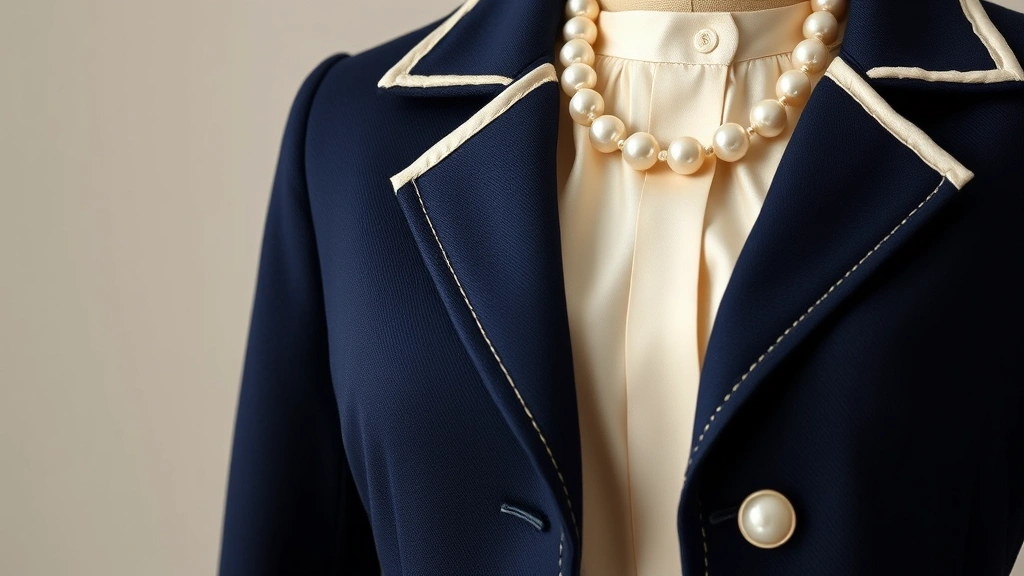
The tailored jacket became another cornerstone of her wardrobe. Jackie wore structured blazers and cropped jackets that nipped in at the waist, creating definition and structure. These jackets often featured interesting details like contrasting trim, interesting buttons, or subtle pattern work. The jacket represented power and sophistication—it was the armor of a woman navigating the intensely public role of First Lady. Her willingness to invest in impeccably tailored pieces influenced an entire generation to prioritize quality construction over quantity.
Color Palette and Signature Hues
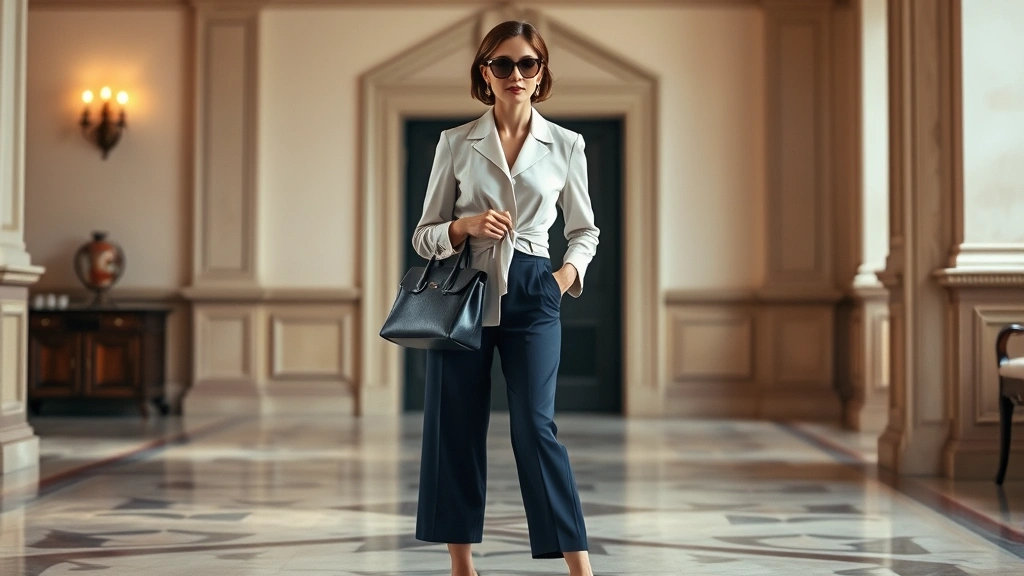
Jackie Kennedy’s color choices were as deliberate as her silhouettes. She favored a restrained palette that emphasized jewel tones, pastels, and neutrals, avoiding the overly bright or clashing combinations that characterized some 1960s fashion. Her signature colors included shades of pink, navy, cream, and soft green—hues that complemented her complexion while conveying calm sophistication. This color strategy was instrumental in creating her instantly recognizable aesthetic.
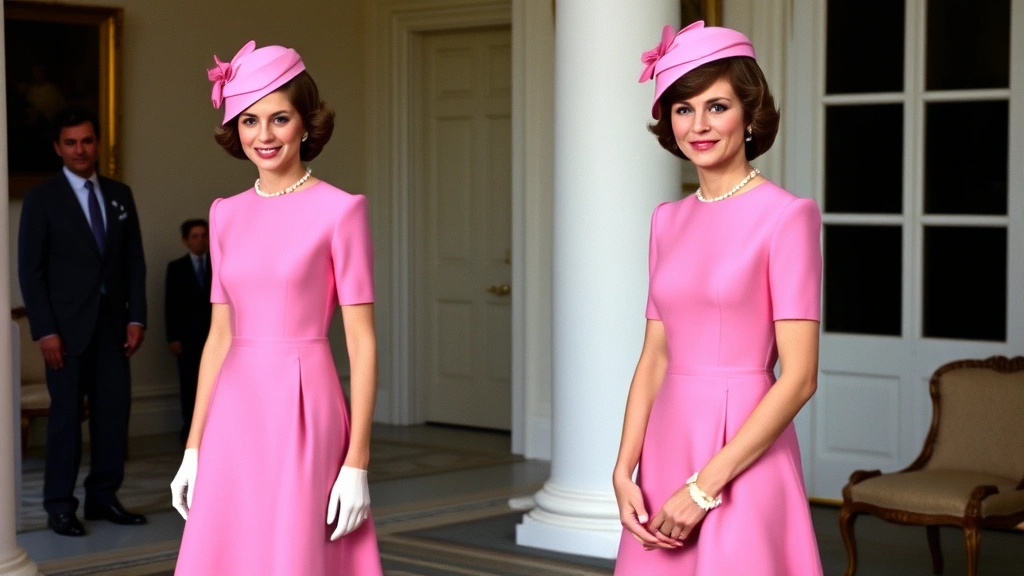
The famous pink Chanel suit worn on November 22, 1963, represents perhaps the most iconic color choice in fashion history. This particular shade of pink—a vibrant yet refined fuchsia—became forever associated with Jackie Kennedy, despite the tragic circumstances surrounding that day. The color choice itself demonstrated her understanding of how bold, unexpected hues could make a powerful statement when paired with elegant tailoring. She proved that pink, traditionally associated with frivolity, could convey strength and presence when executed with confidence.
Beyond this singular moment, Jackie’s regular color choices revealed a sophisticated understanding of color theory and personal branding. Her frequent choices of navy and cream created a timeless, nautical-inspired aesthetic that felt both American and refined. Pale blues, soft yellows, and muted greens appeared regularly in her wardrobe, creating an overall impression of serenity and control. These weren’t trendy colors; they were strategic choices that enhanced her image as a composed, dignified First Lady while remaining visually interesting.
Jackie also understood the power of monochromatic dressing. She frequently wore outfits in a single color family, creating an elongated silhouette and an impression of unified elegance. This approach to color coordination, now standard in contemporary how to find your personal style guidance, was revolutionary in the 1960s when many women mixed multiple bright colors in single outfits. Her restraint with color made each appearance feel intentional and purposeful.
Key Designers and Collaborations
Jackie Kennedy’s relationship with fashion designers was collaborative and deeply personal. Her primary designer was Oleg Cassini, who served as her official White House designer during the Kennedy administration. Cassini understood Jackie’s vision for American fashion and created pieces that balanced formality with modernity. His designs for her state dinners and official appearances became legendary, each one meticulously crafted to reflect both her personal taste and the dignity of her position. Cassini’s work elevated American fashion on the international stage, proving that American designers could compete with European haute couture.
Beyond Cassini, Jackie worked with Chanel, particularly the iconic Chanel suit that became her signature piece. The structured jacket and simple skirt represented the epitome of French elegance, and Jackie’s adoption of Chanel designs signaled her appreciation for European sophistication. Her relationship with Chanel demonstrated her understanding that true style transcends national boundaries—she was equally comfortable in American designs and European couture, selecting pieces based on their quality and alignment with her aesthetic vision.
Jackie also collaborated with Valentino, the Italian designer whose romantic sensibility complemented her sophisticated aesthetic. Valentino’s elegant gowns, featuring flowing fabrics and refined details, appeared in her wardrobe for evening occasions. Her willingness to work with designers from different fashion capitals—Paris, New York, Rome—demonstrated her cosmopolitan approach to style and her belief that excellence should be celebrated regardless of origin.
Her relationship with Givenchy represented another significant collaboration, though less publicized than her Cassini partnership. Givenchy’s clean lines and architectural approach to tailoring aligned perfectly with Jackie’s aesthetic preferences. The designer’s understanding of proportion and his ability to create pieces that appeared effortlessly elegant made him an ideal collaborator for someone with Jackie’s refined taste. These multiple designer relationships allowed her to access the best of international fashion while maintaining a cohesive personal style.
The Pillbox Hat Phenomenon
No discussion of Jackie Kennedy’s style would be complete without addressing the pillbox hat, the accessory most closely associated with her name. This small, flat-topped hat became iconic during her White House years, appearing in countless photographs and becoming instantly recognizable worldwide. The pillbox hat wasn’t new when Jackie adopted it, but her frequent wearing of it transformed it from a modest millinery option into a symbol of refined elegance and political power.
The pillbox hat represented several things simultaneously. Practically, it provided a finished appearance to her outfits without obscuring her face or hair—important considerations for a woman constantly photographed by the press. Aesthetically, it created a vertical line that elongated her silhouette and added sophistication to even simple outfits. Symbolically, it conveyed authority and formality without appearing overly severe. Her famous designer StyleLoom Daily Blog coverage of fashion history frequently references the pillbox hat as a turning point in millinery fashion.
Jackie’s pillbox hats were typically crafted from quality materials in colors that coordinated with her outfits. She favored versions with subtle detailing—a small bow, a decorative band, or interesting fabric texture—that added visual interest without overwhelming the overall look. Her milliner, Roy Halston, created many of her most famous hat designs, understanding how to balance proportion and detail to complement her face and frame.
The pillbox hat’s popularity extended far beyond Jackie’s personal wardrobe. Women across America and internationally began adopting the style, making it one of the most significant fashion trends of the early 1960s. This phenomenon demonstrated the enormous influence Jackie wielded over global fashion simply through her personal choices. Unlike celebrities today who wear designer pieces for promotional purposes, Jackie’s adoption of the pillbox hat appeared entirely organic—she simply wore what worked for her, and the world followed.
Accessories as Power Statements
Jackie Kennedy understood that accessories were never merely decorative elements—they were strategic components of a sophisticated appearance. Her approach to accessorizing reveals a designer’s mindset: every piece should serve a purpose, whether functional or aesthetic, and should enhance rather than compete with the overall look. This philosophy remains relevant to contemporary types of fashion and styling approaches.
Her jewelry choices exemplified restraint and elegance. Jackie favored pearls—long strands, short strands, pearl earrings—that added sophistication without excessive ornamentation. Pearls represented refinement and tradition, aligning perfectly with her overall aesthetic. She also wore simple gold jewelry, preferring classic pieces over trendy statement jewelry. Her engagement ring and wedding band were understated by modern standards, yet they became iconic through their association with her. She demonstrated that jewelry’s power lies not in size or quantity but in quality and appropriateness.
Her handbags were equally considered. Jackie favored structured bags in neutral colors—blacks, creams, and soft tones—that complemented her outfits without competing for attention. She understood that a bag should be functional, beautiful, and appropriate to the occasion. Her preference for classic styles over trendy designs meant her bags remained relevant across decades. The structured handbag became another signature element of her aesthetic, influencing handbag design for generations.
Footwear represented another area where Jackie demonstrated sophisticated taste. She favored simple pumps in neutral colors, typically with modest heels that allowed her to move gracefully through long official events. Her shoes were impeccably crafted and perfectly coordinated with her outfits, never drawing excessive attention but always contributing to the overall polished appearance. This approach to shoes—prioritizing comfort, quality, and coordination over statement-making—influenced how women thought about footwear.
Sunglasses became another iconic accessory associated with Jackie, particularly the large, dark frames she wore in photographs. These weren’t fashionable sunglasses in the modern sense—they were practical accessories that provided privacy from intense media scrutiny. Yet their association with her transformed sunglasses into a style statement, and similar oversized frames remain popular today, often called “Jackie O” sunglasses in her honor.
Lessons in Modern Style
Jackie Kennedy’s fashion legacy offers invaluable lessons for contemporary style enthusiasts. First and foremost, she demonstrated the importance of understanding your body and dressing accordingly. She didn’t follow trends blindly; she selected pieces that worked for her frame, her lifestyle, and her personal aesthetic. This principle remains the foundation of all timeless style, as reflected in contemporary fashion history timeline analysis.
Second, Jackie proved that quality and fit matter more than quantity. She owned fewer pieces than many of her contemporaries, but every item was meticulously tailored and constructed from excellent materials. This approach to building a wardrobe—investing in fewer, higher-quality pieces—remains relevant in an era of fast fashion and overconsumption. Her example suggests that a small wardrobe of well-chosen, well-fitting pieces creates more styling possibilities than a closet full of mediocre options.
Third, Jackie demonstrated the power of consistency. Her aesthetic remained remarkably cohesive across decades, even as she aged and her circumstances changed. She didn’t reinvent her style with every new trend; instead, she evolved it thoughtfully, maintaining the core elements that made her instantly recognizable. This consistency created a strong personal brand before personal branding was a common concept. Today’s style experts recognize that consistency is key to developing a recognizable, timeless personal aesthetic.
Fourth, her approach to color and proportion teaches valuable lessons about visual communication. Jackie understood that what you wear sends messages about who you are and how you want to be perceived. Her color choices conveyed calm and control; her silhouettes conveyed confidence and grace. By being intentional about these visual elements, she created an appearance that supported her role and reflected her personality.
Finally, Jackie’s legacy reminds us that true style transcends trends and fashion cycles. The pieces she wore decades ago remain relevant today not because they’re trendy but because they’re beautifully proportioned, impeccably executed, and timeless in their elegance. This principle should guide anyone seeking to develop a personal style that endures: prioritize quality, proportion, and personal preference over fleeting trends. Her influence on contemporary fashion, from runway collections to high street stores, demonstrates that authentic style never goes out of fashion.
The Global Impact of Jackie’s Fashion Choices
Jackie Kennedy’s influence extended far beyond American shores. International fashion capitals—Paris, Milan, London—recognized her as a style authority whose choices influenced global fashion. European designers competed for the honor of dressing her, and her selections were reported in fashion magazines worldwide. This international recognition elevated American fashion’s status globally, proving that style excellence could emerge from New York as well as Paris.
Her influence on fashion education was significant as well. Fashion design schools worldwide used her choices as case studies in proportion, color theory, and personal branding. Design students studied how she created a cohesive aesthetic, how she balanced formality with modernity, and how she selected pieces that transcended trends. Her legacy became embedded in fashion education, influencing how designers approach their work.
The phenomenon of “Jackie style” continues today, with contemporary designers regularly creating pieces inspired by her aesthetic. Fashion bloggers and style influencers reference her looks when discussing timeless elegance. Museums have mounted exhibitions dedicated to her wardrobe, recognizing her historical significance as a style icon. This sustained interest demonstrates that her influence wasn’t merely a product of her era but represents something more fundamental about elegant dressing.
Jackie’s approach to public appearance also influenced how subsequent First Ladies and political figures approached fashion. She established a template for dignified, sophisticated dressing that conveyed respect for one’s role while maintaining personal style. Her example showed that fashion could be both powerful and graceful, both traditional and modern. This balanced approach remains relevant for anyone seeking to present themselves with authority and elegance.
FAQ
What made Jackie Kennedy’s fashion choices so influential?
Jackie’s influence stemmed from her understanding of proportion, quality, and personal brand. She didn’t follow trends blindly; instead, she selected pieces that worked for her body, her lifestyle, and her role. Her consistency, refined color palette, and impeccable tailoring created an instantly recognizable aesthetic that transcended trends. Additionally, her position as First Lady and the intense media coverage of her appearance amplified her influence globally.
Which designers did Jackie Kennedy work with most frequently?
Oleg Cassini served as her official White House designer and created many of her most iconic pieces. She also worked regularly with Chanel, particularly for her signature suit designs. Valentino, Givenchy, and other European designers also created pieces for her wardrobe. Her willingness to work with designers from different fashion capitals demonstrated her cosmopolitan approach to style.
How can I incorporate Jackie Kennedy style into my modern wardrobe?
Focus on impeccable tailoring, neutral color palettes with strategic pops of color, and classic silhouettes like A-line dresses and structured jackets. Invest in quality basics—white shirts, navy blazers, cream trousers—that can be mixed and matched. Choose simple, elegant accessories like pearls and structured handbags. Prioritize fit above all else, and select timeless pieces over trendy items. Remember that Jackie’s style was about quality, proportion, and personal preference rather than following fashion rules.
Why does the pillbox hat remain associated with Jackie Kennedy?
The pillbox hat became iconic through Jackie’s frequent wearing of it during her White House years. The hat was practical, flattering, and visually distinctive. Her adoption of the style transformed it from a modest millinery option into a symbol of refined elegance. The hat’s association with her became so strong that similar styles are still called “Jackie O” hats today, demonstrating the lasting impact of her fashion choices.
How did Jackie Kennedy influence fashion designers?
Jackie’s selections validated American fashion designers, proving they could compete with European couture houses. Her choices influenced what designers created, with many tailoring their work to appeal to her aesthetic. Her impact on proportion, silhouette, and color theory influenced design education globally. Designers continue to reference her work when discussing timeless elegance and sophisticated dressing.