Is Uniqlo Fast Fashion? Industry Insights and Expert Analysis
Uniqlo stands at an intriguing crossroads in the fashion industry. While the Japanese retailer shares certain characteristics with traditional fast fashion brands, a deeper examination reveals a more nuanced business model that challenges conventional categorizations. Understanding whether Uniqlo qualifies as fast fashion requires exploring its production philosophy, sustainability efforts, and market positioning within the broader context of contemporary retail.
The question “Is Uniqlo fast fashion?” has sparked considerable debate among industry analysts, fashion critics, and conscious consumers alike. Unlike competitors who prioritize rapid trend cycles and disposability, Uniqlo emphasizes quality, longevity, and timeless design. This fundamental difference shapes how we should perceive and evaluate the brand’s place in the fast fashion ecosystem.
Understanding Fast Fashion: Definition and Characteristics
Before we can accurately answer whether Uniqlo is fast fashion, we must first establish what fast fashion actually means. Fast fashion represents a business model that prioritizes rapid production cycles, trend-driven design, and quick inventory turnover. Brands like Zara, H&M, and ASOS exemplify this approach, releasing new collections weekly or bi-weekly to capitalize on fleeting trends and consumer demand.
The hallmarks of traditional fast fashion include:
- Rapid design-to-retail cycle: Trends are identified, designed, manufactured, and distributed to stores within weeks
- High volume production: Massive quantities of garments across numerous styles and SKUs
- Trend-focused collections: Heavy emphasis on seasonal trends and runway-inspired pieces
- Lower price points: Affordable pricing to encourage frequent purchases
- Planned obsolescence: Garments designed with limited durability in mind
- Rapid inventory turnover: Constant new arrivals encouraging repeat shopping
- Environmental and labor concerns: Often associated with questionable manufacturing practices
Understanding these characteristics is crucial because they form the baseline against which we evaluate Uniqlo’s operations and philosophy. The brand’s approach differs significantly in several key areas, suggesting it occupies a middle ground between traditional fast fashion and premium ready-to-wear.

Uniqlo’s Business Model: A Closer Look
Uniqlo, founded in 1984 by Tadashi Yanai, operates under a fundamentally different philosophy than conventional fast fashion retailers. The company’s approach centers on what they call “LifeWear”—everyday clothing that transcends trends and seasons. This philosophy directly contradicts the fast fashion model of constant trend-chasing and rapid collection cycles.
The brand’s business strategy emphasizes:
- Vertical integration: Uniqlo controls much of its supply chain, from planning to manufacturing to retail
- Limited SKU approach: Fewer styles but in multiple colors and sizes, focusing on essentials
- Year-round staples: Core items like basic tees, jeans, and fleece jackets remain available consistently
- Quality-first mindset: Investment in better materials and construction techniques
- Long-term thinking: Garments designed to last multiple seasons, not just one
- Predictable pricing: Stable prices rather than aggressive promotional tactics
This model represents what industry experts call “slow fashion” or “essentialist fashion”—a deliberate rejection of trend cycles in favor of timeless, functional basics. When you explore types of fashion, you’ll find that Uniqlo’s approach fits more comfortably within minimalist and essentialist categories than traditional fast fashion.
Quality, Durability, and Longevity
One of the most significant distinctions between Uniqlo and true fast fashion brands lies in garment quality and expected lifespan. Uniqlo invests substantially in fabric research, development, and production standards that prioritize durability and comfort.
The company’s commitment to quality manifests through:
- Advanced fabric technology: Investments in innovative materials like Heattech, Airism, and premium cotton blends
- Rigorous quality control: Multiple inspection points throughout manufacturing
- Ethical manufacturing partnerships: Collaboration with facilities that meet specific labor and safety standards
- Garment longevity: Pieces designed to maintain appearance and function after repeated washing and wearing
- Timeless design: Classic silhouettes that don’t become dated within one season
Consumer reports and fashion critics consistently note that Uniqlo garments withstand extended wear better than comparable fast fashion alternatives. A basic Uniqlo tee or sweater frequently lasts years with proper care, whereas fast fashion equivalents often deteriorate within months. This durability factor fundamentally challenges the “disposable fashion” ethos that defines fast fashion.
Additionally, Uniqlo’s repair and care programs encourage customers to maintain their garments rather than discard them prematurely. This approach aligns more closely with sustainable fashion practices than with fast fashion’s planned obsolescence model.
Production Speed and Supply Chain
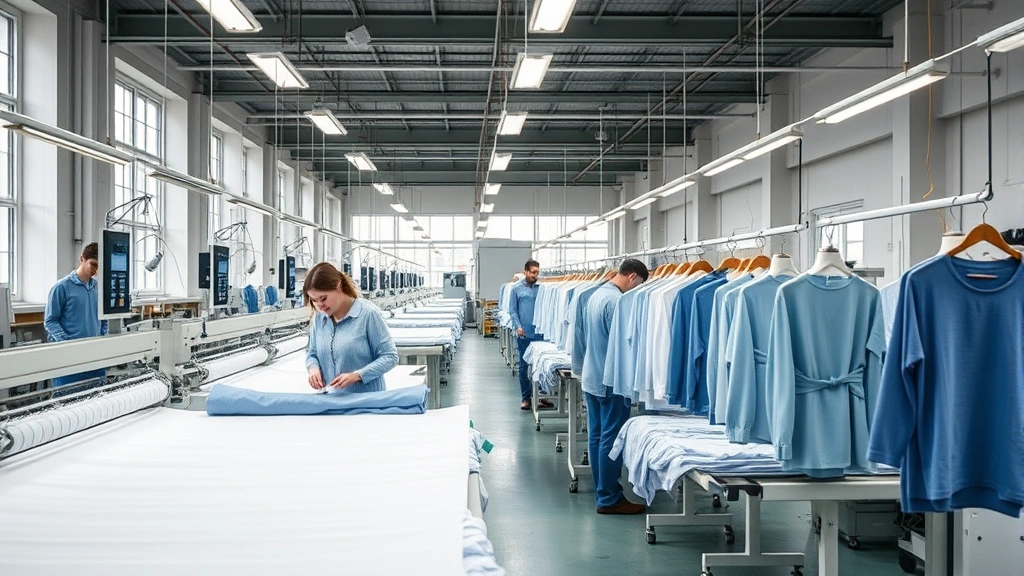
While Uniqlo does move products to market faster than luxury brands, its production cycle differs markedly from fast fashion’s breakneck pace. The company typically plans its collections six months to a year in advance, contrasting sharply with Zara’s two-week design-to-shelf process.
Key differences in Uniqlo’s supply chain approach include:
- Seasonal planning: Collections developed with long-term forecasting rather than reactive trend-chasing
- Concentrated supplier relationships: Partnerships with fewer manufacturers, allowing for better oversight and consistency
- Vertical integration benefits: Owning manufacturing facilities provides greater control over speed, quality, and labor practices
- Inventory stability: Maintaining steady stock of core items rather than constant new arrivals
- Reduced markdown reliance: Better demand forecasting minimizes excess inventory and steep discounts
This measured approach to production doesn’t align with fast fashion’s defining characteristic of rapid trend response. Instead, Uniqlo prioritizes stability and sustainability over speed to market. The company makes deliberate choices about production volume and timing, reflecting a business model that values predictability over reactivity.
Sustainability and Ethical Practices
Sustainability represents another crucial differentiator between Uniqlo and traditional fast fashion brands. While no major clothing retailer is without environmental concerns, Uniqlo has implemented comprehensive sustainability initiatives that exceed typical fast fashion standards.
The company’s sustainability commitments include:
- Water reduction programs: Significant investments in water-efficient manufacturing processes
- Chemical management: Stringent controls on hazardous substances in production
- Renewable energy: Transition toward renewable power sources in facilities
- Recycling initiatives: Programs for collecting and repurposing used Uniqlo garments
- Labor standards: Comprehensive auditing of manufacturing partners for fair wages and safe conditions
- Transparency efforts: Regular sustainability reporting and supply chain disclosure
According to Vogue’s fashion industry analysis, Uniqlo ranks among the more responsible large-scale clothing manufacturers. The brand’s emphasis on durability also inherently reduces environmental impact—clothing that lasts longer requires less frequent replacement, resulting in lower overall consumption and waste.
This commitment to ethical and sustainable practices fundamentally contradicts the fast fashion model, which often prioritizes profit margins over environmental responsibility and worker welfare.
Pricing Strategy and Accessibility
While Uniqlo maintains affordable pricing, its strategy differs from fast fashion’s approach. Rather than using low prices to encourage constant purchases, Uniqlo offers stable, reasonable prices that reflect actual production costs and quality standards.
The pricing model includes:
- Consistent pricing: Prices remain relatively stable throughout the season rather than fluctuating with promotional cycles
- Quality-justified costs: Slightly higher prices than fast fashion reflect better materials and construction
- Reduced markdowns: Better demand forecasting means less reliance on clearance discounts
- Transparency: Straightforward pricing without aggressive psychological pricing tactics
- Value proposition: Emphasis on cost-per-wear rather than lowest possible price
This approach makes Uniqlo accessible to budget-conscious consumers while discouraging the overconsumption mentality that fast fashion cultivates. The brand’s pricing encourages thoughtful purchasing decisions rather than impulse buying driven by artificial scarcity or limited-time deals.
Design Philosophy: Simplicity vs. Trend Chasing
Perhaps the most fundamental difference between Uniqlo and fast fashion lies in design philosophy. Uniqlo explicitly rejects trend-chasing in favor of timeless, functional design rooted in Japanese minimalism and the concept of “wa” (harmony).
The company’s design approach emphasizes:
- Minimalist aesthetics: Clean lines, neutral colors, and simple silhouettes
- Functional design: Garments optimized for comfort, practicality, and versatility
- Timeless appeal: Pieces designed to remain relevant across multiple seasons and years
- Cultural influence: Japanese design principles emphasizing subtlety and restraint
- Collaborative innovation: Partnerships with renowned designers to create limited collections grounded in LifeWear philosophy
When you’re learning to find your personal style, Uniqlo’s design philosophy supports the development of a cohesive, enduring wardrobe rather than chasing fleeting trends. This approach contrasts sharply with fast fashion’s strategy of constantly introducing new trends to stimulate demand.
Uniqlo’s collaborations with designers like Jil Sander and Christophe Lemaire further demonstrate this commitment. These partnerships result in elevated basics and thoughtful collections rather than trend-driven pieces designed for immediate obsolescence.
Industry Expert Perspectives
Fashion industry experts and analysts have increasingly recognized Uniqlo’s unique positioning. According to Business of Fashion, Uniqlo represents a distinct category that doesn’t fit neatly into either fast fashion or traditional retail. The brand has been termed a “slow fashion” pioneer, demonstrating that profitability and responsibility can coexist.
Leading fashion scholars and critics note that Uniqlo’s model offers valuable lessons for the industry. The company proves that consumers will embrace basics and minimalism when quality justifies the investment. This insight has influenced how fashion style is conceptualized in contemporary retail.
The Fashion Law Institute has highlighted Uniqlo’s ethical manufacturing practices as setting standards that challenge other major retailers to improve their labor practices. The company’s transparency in supply chain management exceeds expectations for retailers operating at its scale.
Fashion industry analysts from McKinsey’s Fashion & Luxury practice have recognized Uniqlo’s business model as financially sustainable while maintaining ethical standards—a balance that eludes most fast fashion competitors.
Understanding Uniqlo’s approach provides valuable context for the broader fashion history timeline, showing how the industry is evolving beyond traditional fast fashion toward more responsible models.
Many fashion educators at leading fashion design schools now use Uniqlo as a case study in sustainable business practices and responsible design principles, recognizing its significance in contemporary fashion education.
FAQ
Is Uniqlo considered fast fashion?
Uniqlo is not traditional fast fashion, though it shares some retail characteristics with the industry. The brand prioritizes quality, durability, and timeless design over trend-chasing and rapid collection cycles. Industry experts classify it as “slow fashion” or “essentialist fashion,” representing a distinct category that emphasizes responsible practices.
How does Uniqlo’s production speed compare to fast fashion?
Uniqlo plans collections six months to a year in advance, contrasting with fast fashion brands like Zara that complete design-to-shelf cycles in two to three weeks. This measured approach reflects Uniqlo’s commitment to quality and sustainability rather than reactive trend response.
Are Uniqlo garments more durable than fast fashion?
Yes, Uniqlo garments consistently demonstrate superior durability compared to typical fast fashion alternatives. The company invests in quality fabrics, construction techniques, and rigorous quality control, resulting in pieces that maintain appearance and function after years of wear.
Does Uniqlo have sustainability initiatives?
Uniqlo has implemented comprehensive sustainability programs including water reduction, chemical management, renewable energy transition, recycling initiatives, and strict labor standards. These efforts exceed typical fast fashion commitments and reflect the company’s long-term responsibility philosophy.
Why does Uniqlo focus on basics rather than trends?
Uniqlo’s LifeWear philosophy emphasizes functional, timeless clothing that transcends seasonal trends. This approach supports sustainable consumption patterns, allows customers to build cohesive wardrobes, and reduces the environmental impact associated with constant trend cycles.
How does Uniqlo’s pricing compare to fast fashion?
While Uniqlo maintains affordable pricing, its strategy differs from fast fashion. Prices remain relatively stable and reflect actual quality and production standards rather than psychological pricing tactics. This approach encourages thoughtful purchasing over impulse consumption.