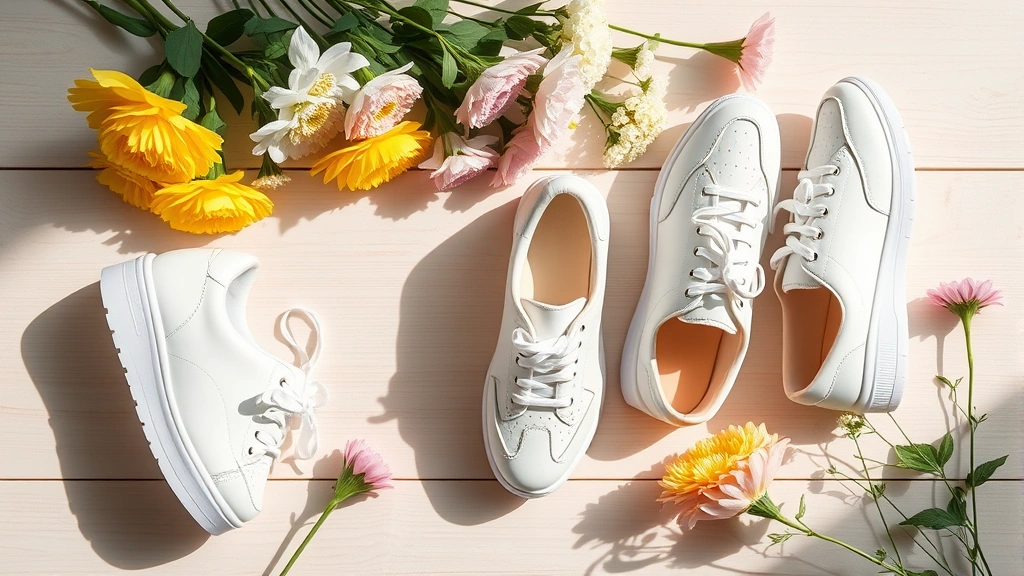
Top Women’s Walking Shoes: Podiatrist Approved for Style & Comfort
Finding the perfect pair of fashionable walking shoes for women doesn’t mean sacrificing comfort or health. The intersection of podiatric excellence and contemporary style has never been more accessible, with brands now prioritizing both foot health and aesthetic appeal. Whether you’re a daily commuter, weekend adventurer, or someone who values comfort in your everyday wardrobe, the right walking shoes can transform how you move through the world while keeping your feet happy and supported.
The modern woman deserves footwear that doesn’t compromise. Gone are the days when comfortable shoes meant clunky, unflattering designs. Today’s top women’s walking shoes combine orthopedic support with trendy silhouettes, premium materials, and sophisticated colorways that complement any outfit. This comprehensive guide explores the best options recommended by podiatrists, breaking down what makes these shoes exceptional and how to choose the perfect pair for your lifestyle.
What Podiatrists Look For in Walking Shoes
Podiatrists have specific criteria when evaluating walking shoes for long-term foot health and comfort. Understanding these professional standards helps you make informed decisions about your footwear investments. The foundation of any quality walking shoe begins with proper arch support, which distributes pressure evenly across your foot and prevents common issues like plantar fasciitis, heel pain, and arch strain.
Cushioning technology matters significantly in walking shoes. Podiatrists recommend shoes with responsive cushioning that absorbs impact without feeling too soft or unstable. Memory foam, gel inserts, and advanced polymer technologies provide that sweet spot between comfort and performance. The heel counter—the cup that holds your heel—should be firm and structured to prevent excessive motion and provide stability during each stride.
Breathability and moisture management are often overlooked but crucial elements. Your feet naturally perspire throughout the day, and shoes that trap moisture can lead to fungal infections, blisters, and discomfort. Premium walking shoes feature breathable mesh uppers, moisture-wicking linings, and strategic ventilation zones. The overall weight of the shoe also matters; podiatrists favor lighter designs that don’t create fatigue during extended wear.
Flexibility is another key consideration. Your walking shoe should flex naturally at the ball of the foot, allowing your foot to move through its normal gait cycle. A shoe that’s too rigid restricts movement and can cause compensatory pain in other areas. Additionally, the toe box should provide adequate room without being loose, preventing blisters and allowing your toes to spread naturally as your foot expands during activity.
Top Podiatrist-Approved Brands
New Balance consistently tops podiatrist recommendation lists for their commitment to biomechanical research and customizable fit options. Their Fresh Foam and 990 series offer exceptional arch support with contemporary styling. The brand’s focus on width options means women with wider feet finally have fashionable choices that don’t sacrifice fit or support.
Brooks specializes in footwear engineered for movement, with DNA Loft v2 cushioning that adapts to your specific gait. Their women’s walking collections blend minimalist aesthetics with maximum support, making them perfect for those who want shoes that don’t look orthopedic. The Glycerin line is particularly praised for its balance of luxury feel and functional design.
ASICS brings Japanese engineering excellence to women’s walking shoes. Their Gel cushioning system and FlyteFoam technology provide responsive comfort that lasts through thousands of steps. ASICS shoes often feature sleek, modern designs that work seamlessly with contemporary fashion styles.
Saucony offers excellent value without compromising on podiatric standards. Their Ride and Guide series feature medial posts and stability features that appeal to podiatrists while maintaining approachable price points. The brand’s commitment to inclusive sizing means more women find their perfect fit.
Vionic specifically markets to those seeking orthopedic support with fashion-forward designs. Podiatrists frequently recommend Vionic for women dealing with specific foot conditions, as their shoes incorporate podiatric principles into every design. The brand’s collaboration with foot health professionals ensures clinical validity behind each collection.
Hoka One One has revolutionized walking shoe design with maximalist cushioning that doesn’t compromise stability. Their rocker geometry encourages efficient movement while reducing impact stress. Despite their distinctive appearance, Hoka shoes have gained significant fashion credibility in recent years.
Key Features of Fashionable Walking Shoes
Modern fashionable walking shoes integrate specific technical features while maintaining aesthetic appeal. The upper construction combines premium materials like merino wool, recycled polyester, and genuine leather with technical mesh panels. This hybrid approach provides durability and breathability while achieving sophisticated looks that work with professional and casual wardrobes.
Color options have expanded dramatically. Beyond traditional white, black, and gray, today’s walking shoes come in jewel tones, pastels, metallics, and statement prints. Neutral palettes still dominate for versatility, but many women now choose walking shoes that make bold style statements while delivering podiatric excellence. The ability to match your shoes with your personal aesthetic is no longer a luxury—it’s standard.
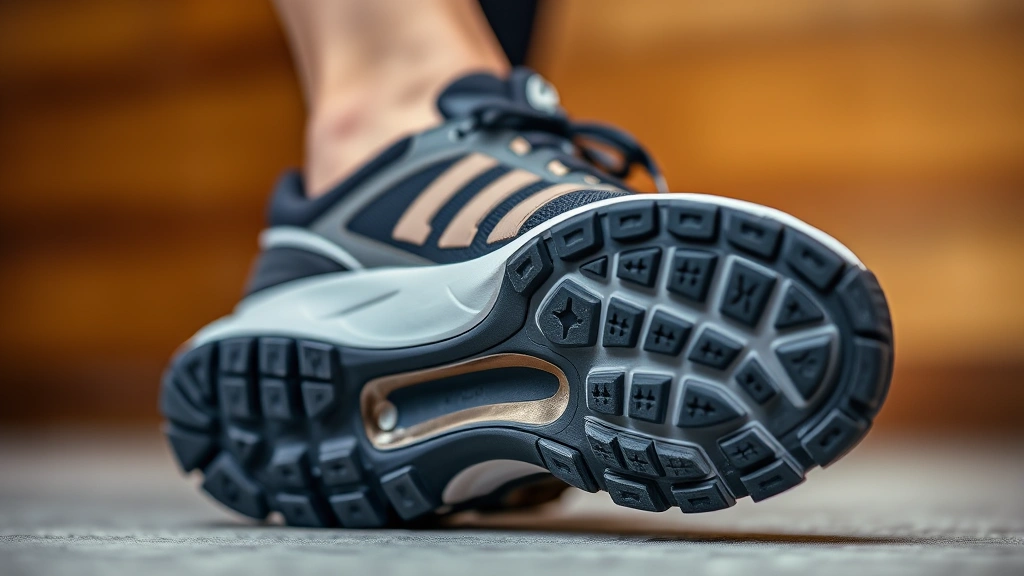
Sole technology represents where style and science intersect. Modern soles incorporate sustainable materials, improved traction patterns, and reduced weight without sacrificing durability. Many brands now offer customizable midsole options, letting you adjust firmness and cushioning to your preferences. The outsole design has become increasingly refined, with cleaner lines and more sophisticated patterns replacing chunky, utilitarian designs.
Heel-to-toe drop—the height difference between heel and forefoot—significantly impacts how your foot functions in the shoe. Podiatrists recommend moderate drops (8-12mm) for walking shoes, as they provide gentle propulsion without creating excessive stress. Modern designs achieve this balance while maintaining sleek proportions that don’t look bulky.
Seamless construction and gusseted tongues prevent irritation and blisters during extended wear. Premium walking shoes feature padded collars, reinforced heel counters, and strategic padding in high-pressure areas. These details elevate comfort without compromising the shoe’s visual profile.
When exploring types of fashion styles, you’ll notice walking shoes now fit seamlessly into various aesthetic categories. Minimalist designs appeal to those favoring clean lines, while chunky sole designs work for contemporary and athleisure aesthetics. This diversity means you can choose shoes that align with your personal style while maintaining podiatric integrity.
How to Find Your Perfect Fit
Finding the ideal walking shoe involves understanding your foot type and gait pattern. Podiatrists recommend getting a gait analysis, which identifies whether you overpronate, underpronate, or have a neutral gait. Many specialty running stores offer this service free or for minimal cost. Understanding your gait helps you select shoes with appropriate stability features and support levels.
Foot width deserves serious consideration. Many women choose shoes that are too narrow, leading to bunions, calluses, and chronic pain. Quality brands now offer multiple width options—standard, wide, and extra-wide—so you don’t have to compromise. Don’t shy away from trying different widths; your comfort and foot health depend on proper fit.
Shopping in the afternoon or evening is ideal since feet naturally swell throughout the day. Wear the type of socks you’ll use with the shoes, and test them with your typical walking routine. You should have approximately one finger’s width of space between your longest toe and the shoe’s end. The heel should feel snug without slipping, and the midfoot should feel secure without pressure points.
Breaking in period matters. Quality walking shoes typically need 50-100 miles of gradual wear to fully conform to your foot. Start with shorter walks and gradually increase distance. If shoes cause pain—not just discomfort from newness—stop wearing them and try a different style. Your body shouldn’t have to adapt to poorly fitting shoes; well-designed shoes adapt to you.
Consider your primary use case. Daily commuters need different features than weekend hikers. Urban walkers benefit from sleeker designs that work with professional wardrobes, while recreational walkers might prioritize maximum cushioning and ruggedness. Aligning shoe features with your actual usage ensures you get the most value from your investment.
Styling Walking Shoes for Every Occasion
One of the most exciting developments in women’s footwear is the acceptance of walking shoes across diverse style contexts. Walking shoes are no longer confined to gym sessions and hiking trails; they’re now integral to sophisticated personal style. Learning to style walking shoes elevates your overall aesthetic while maintaining comfort.
For professional environments, choose walking shoes in neutral colors—black, navy, gray, or white. Pair them with tailored trousers, midi skirts, or professional dresses. The key is selecting shoes with minimal visual bulk and refined detailing. Brands like Vionic and New Balance offer professional-appropriate styles that don’t sacrifice support. Discovering how to find your personal style extends to incorporating supportive shoes into your work wardrobe seamlessly.
Casual styling offers more flexibility. White or neutral walking shoes pair beautifully with jeans, casual dresses, and athleisure pieces. The contrast between elevated casual outfits and comfortable footwear creates an effortlessly modern look. Consider monochromatic styling, where your shoes match your outfit’s color palette for a cohesive appearance.
Athletic-inspired outfits embrace walking shoes as central pieces. Pair them with leggings, athletic skirts, or track pants for intentional athleisure looks. This styling category celebrates the functional aesthetic of quality walking shoes while maintaining fashionable proportions.
Weekend and leisure styling allows bolder color choices. Jewel-toned or metallic walking shoes add personality to casual outfits. Pair them with neutral bottoms to let the shoes be the statement piece, or match them with complementary colored clothing for cohesive looks.
Seasonal considerations matter too. Lighter colors and breathable materials work for spring and summer, while darker tones and water-resistant options suit fall and winter. Many women maintain multiple pairs in different colors and materials to accommodate seasonal needs and style preferences.
The athleisure movement has fundamentally changed how walking shoes fit into fashion narratives. No longer relegated to purely functional roles, quality walking shoes now appear in fashion editorials, on runways, and in street style photography. This cultural shift validates the choice to prioritize foot health without compromising style.
Investment vs. Budget Options
Quality walking shoes represent meaningful investments in your long-term foot health and daily comfort. Premium brands (typically $120-200+) offer advanced cushioning technologies, superior materials, and extensive research backing their designs. These shoes often last 500-1000 miles before requiring replacement, making their per-wear cost quite reasonable.
Mid-range options ($80-120) provide excellent value, offering solid podiatric features without premium price tags. Brands like Saucony, ASICS, and New Balance’s standard lines deliver reliable support and comfort at accessible price points. These shoes work perfectly for casual walkers and those new to prioritizing foot health.
Budget options ($50-80) can work for light recreational walking, though they typically lack advanced cushioning and stability features. If you walk extensively or have foot concerns, budget shoes may create problems that cost more to address later. Consider budget options supplementary rather than primary walking shoes.
When evaluating cost, factor in durability and comfort. Expensive shoes that cause pain provide poor value, while affordable shoes that keep your feet healthy represent smart investments. Look for sales, seasonal discounts, and brand outlet options to access quality shoes at better prices without sacrificing standards.
Many podiatrists recommend investing in two or three quality pairs and rotating them. This extends each shoe’s lifespan by allowing cushioning to recover between wears. Rotation also prevents repetitive stress injuries by varying the exact pressure points throughout your foot.
For those exploring style loom daily blog content about fashion investments, the same principles apply to walking shoes. Quality pieces that align with your lifestyle and aesthetic provide ongoing satisfaction and value. Walking shoes are no exception—they’re investments in comfort, health, and personal style.
FAQ
What makes a walking shoe different from a running shoe?
Walking shoes feature lower heel-to-toe drops (8-12mm versus 10-14mm for running shoes), more flexible forefeet, and firmer arch support. Running shoes prioritize impact absorption for the higher forces of running, while walking shoes optimize for the lower-impact, repetitive motion of walking. Walking shoes typically feel more stable and grounded, making them better for extended walking without the propulsion features unnecessary for walking gait.
How often should I replace my walking shoes?
Most quality walking shoes last 500-1000 miles before cushioning degrades. For daily walkers covering 10,000 steps (roughly 5 miles), this means replacing shoes every 100-200 days. Signs of wear include flattened cushioning, visible sole wear, and decreased comfort. Don’t wait for complete deterioration; worn shoes increase injury risk and reduce the biomechanical support your feet need.
Can I wear walking shoes for everyday activities beyond walking?
Absolutely. Quality walking shoes work beautifully for everyday activities—running errands, working in offices, traveling, and casual social activities. Their versatility is part of their appeal. The podiatric features that support walking also benefit standing, light hiking, and other low-impact activities. Many women wear walking shoes exclusively because they provide comfort across diverse situations.
How do I know if I need specialized orthotics in walking shoes?
If you experience foot pain, have flat feet, high arches, or known foot conditions, consult a podiatrist about orthotics. Many quality walking shoes accommodate custom or over-the-counter orthotics without modification. Some people find that shoes with excellent built-in support eliminate the need for additional orthotics, while others benefit from customized insoles. Professional evaluation ensures you get appropriate support for your specific needs.
Are expensive walking shoes always better?
Not necessarily. The most expensive brands don’t always provide the best fit or support for your specific foot type. A mid-range shoe that fits perfectly and supports your gait properly outperforms an expensive shoe that doesn’t suit your biomechanics. Try shoes from various brands and price points to find what works for your feet, not just what carries prestigious brand names.
Can fashionable walking shoes work with formal attire?
With careful selection, yes. Choose sleek, minimalist designs in black or neutral colors that maintain refined proportions. Some luxury brands now create walking shoes specifically for formal and professional contexts. However, traditional formal events might require different footwear. Consider keeping elegant dress shoes for special occasions while using walking shoes for everyday professional life.
What’s the difference between podiatrist-recommended and podiatrist-approved shoes?
Podiatrist-recommended shoes are those that meet clinical standards for foot health without formal endorsement deals. Podiatrist-approved shoes have official endorsements from podiatric organizations or individual practitioners. Both categories indicate professional validation, though approval often comes with more rigorous testing. Either designation signals that shoes meet established standards for foot health and support.
How do I style walking shoes with fashion trends for women over 50 and other age-specific styles?
Walking shoes work beautifully with any age-appropriate style. For mature women, choose classic colors and refined designs that complement sophisticated wardrobes. The key is selecting shoes that align with your personal aesthetic while providing necessary support. Walking shoes shouldn’t feel like a compromise on style—they’re simply footwear that happens to prioritize comfort alongside appearance.
Can I find walking shoes that accommodate specific foot conditions like plantar fasciitis?
Many brands specifically design shoes for plantar fasciitis and similar conditions. Look for shoes with firm arch support, supportive heel counters, and moderate heel-to-toe drops. Brands like Vionic, New Balance, and Brooks offer specific lines for foot conditions. Combining appropriate shoes with podiatrist-recommended stretches and activities often manages these conditions effectively. Always consult your podiatrist for personalized recommendations.
External Resources: For additional insights on footwear science, explore Vogue’s fashion coverage on comfort-focused trends, check the American Podiatric Medical Association’s resources, review FootSmart’s podiatrist-curated recommendations, explore Runner’s World’s shoe reviews and guides, and discover Elle’s curated fashion and footwear selections.