How to Mix Patterns? Fashion Expert Advice
Pattern mixing has evolved from a fashion faux pas into one of the most coveted styling techniques in contemporary fashion. What once seemed chaotic and overwhelming is now celebrated as a bold statement of confidence and creativity. Whether you’re wearing stripes with florals, plaids with polka dots, or checks with geometric prints, mastering the art of pattern mixing can elevate your entire wardrobe and help you discover your personal style. This comprehensive guide will walk you through expert-backed strategies that transform pattern mixing from intimidating to absolutely effortless.
The secret to successful pattern mixing lies in understanding the fundamental principles that govern how different patterns interact visually. Fashion professionals and style experts have spent years refining techniques that make even the most daring combinations look intentional and sophisticated. By learning these proven methods, you’ll unlock a new dimension of self-expression through your clothing choices. Let’s explore how to confidently combine patterns while maintaining visual harmony and creating outfits that turn heads for all the right reasons.
Understanding Pattern Scale and Proportion
The most fundamental principle in pattern mixing is understanding scale—the size of the pattern relative to your body and other patterns in your outfit. Large-scale patterns draw attention and create visual weight, while small-scale patterns recede and feel more subtle. Fashion designers consistently use this principle to create balanced, intentional looks. When combining two patterns, the golden rule is to pair one large-scale pattern with one small-scale pattern. This creates visual contrast without overwhelming your overall appearance.
Think of it as a visual conversation between two patterns: if both patterns are competing for attention at the same volume level, the result feels chaotic. However, when one pattern whispers while the other speaks, they create harmony. For instance, pairing a large-scale floral print dress with a small-scale striped blazer works beautifully because the patterns have different visual weights. The eye naturally settles on the dominant floral while the striped layer adds sophistication and depth.
Proportion also extends to how much of each pattern appears in your outfit. According to Vogue’s style editors, the ideal ratio is typically 60-40 or 70-30, where one pattern occupies more visual real estate than the other. This asymmetry feels intentional and modern rather than accidentally mismatched. Consider wearing a large-scale striped shirt as your main piece and adding a smaller patterned accessory or layering piece to complement it, rather than choosing two equally prominent patterns.
The Color Connection Method
The most reliable approach to pattern mixing is identifying a shared color between your patterns. This creates an invisible thread that unifies different designs and makes them feel like they belong together. Rather than thinking of patterns as separate entities, successful pattern mixing treats them as interconnected elements within a cohesive color palette. When patterns share even one or two colors, the brain recognizes them as intentional pairings rather than accidental combinations.
For example, if you’re wearing a navy and white striped top, adding a navy floral skirt with white accents creates instant cohesion. The repeated navy and white colors act as a visual anchor, making the combination feel sophisticated rather than mismatched. This technique works across virtually any pattern combination: plaids and florals, checks and geometric prints, stripes and abstract patterns. The shared color family becomes the unifying element that justifies the pattern mixing to the viewer’s eye.
Fashion experts recommend identifying at least two colors that appear in both patterns you’re combining. This double-anchor approach creates even stronger visual harmony. If your first pattern features navy, white, and coral, and your second pattern includes navy, white, and gold, the navy and white shared colors create sufficient connection. The coral and gold accents add interest without disrupting the overall coherence of your outfit.
Mixing Different Pattern Types
Different pattern categories have distinct visual characteristics that affect how they combine with other patterns. Understanding these categories helps you make informed choices when building pattern-mixed outfits. The main pattern types include geometric patterns (stripes, checks, plaids, polka dots), organic patterns (florals, botanical prints, animal prints), and abstract patterns (irregular shapes, artistic designs). Each category interacts differently with others, and knowing these dynamics is crucial for successful combinations.
Geometric patterns generally work well together because they share a structured, orderly quality. Pairing stripes with checks, for instance, creates a preppy, intentional aesthetic. However, when combining two geometric patterns, ensure they have different scales and color palettes. Two small-scale geometric patterns can feel visually busy, while two large-scale geometric patterns might overwhelm. Organic patterns like florals also pair beautifully with each other when they differ in scale. A large-scale rose print combines elegantly with a small-scale leaf pattern, creating a garden-inspired, romantic aesthetic.
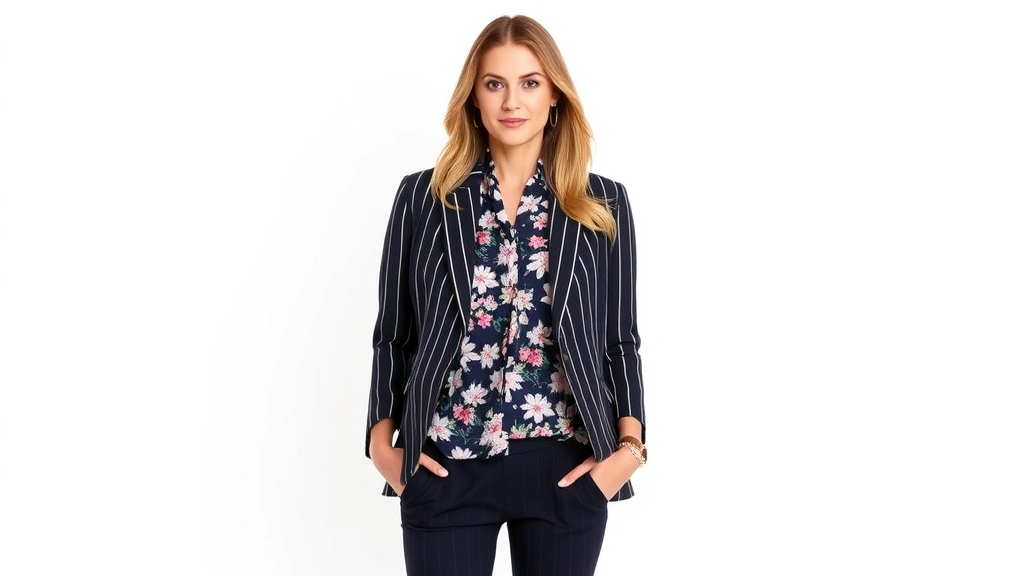
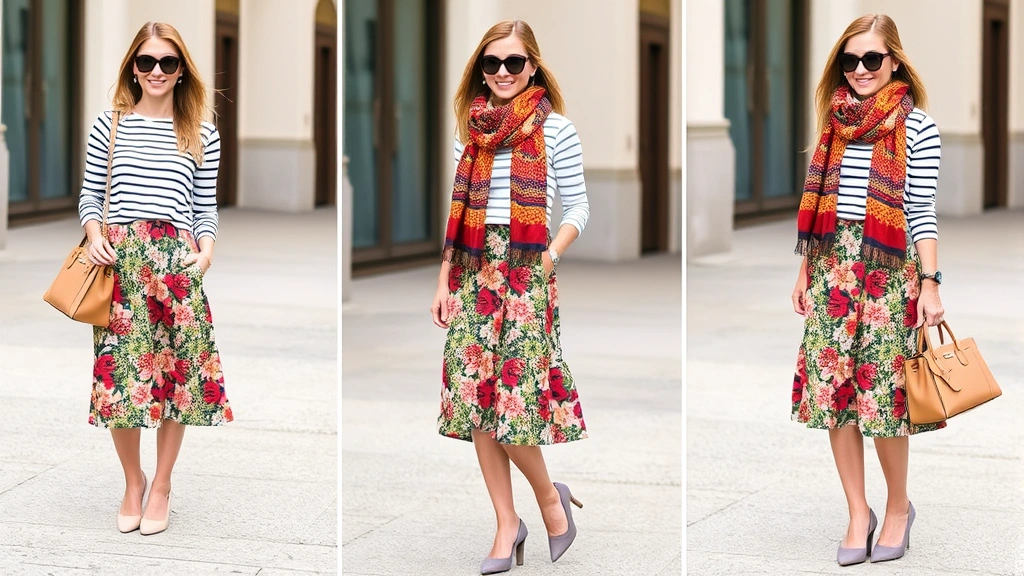
The most interesting pattern combinations often blend pattern categories: pairing a geometric pattern with an organic one creates visual tension that feels modern and fashion-forward. A striped top with a floral skirt, for instance, balances structure with romance. Abstract patterns serve as excellent mediators between geometric and organic patterns because they often incorporate elements of both. When in doubt, use an abstract pattern as your bridge between two very different pattern types. This approach is frequently used by professional fashion stylists and trend forecasters who create editorial looks.
” style=”width:100%; max-width:800px; height:auto; margin:20px 0;”>
The Neutral Foundation Strategy
One of the easiest ways to master pattern mixing is establishing a neutral foundation for your outfit. Neutrals—black, white, gray, beige, navy, and tan—serve as visual reset buttons that prevent pattern combinations from feeling overwhelming. When you’re uncertain about combining patterns, wrapping them in neutrals provides insurance that your outfit will look intentional and sophisticated. This strategy is particularly valuable when you’re still building confidence in your pattern-mixing abilities.
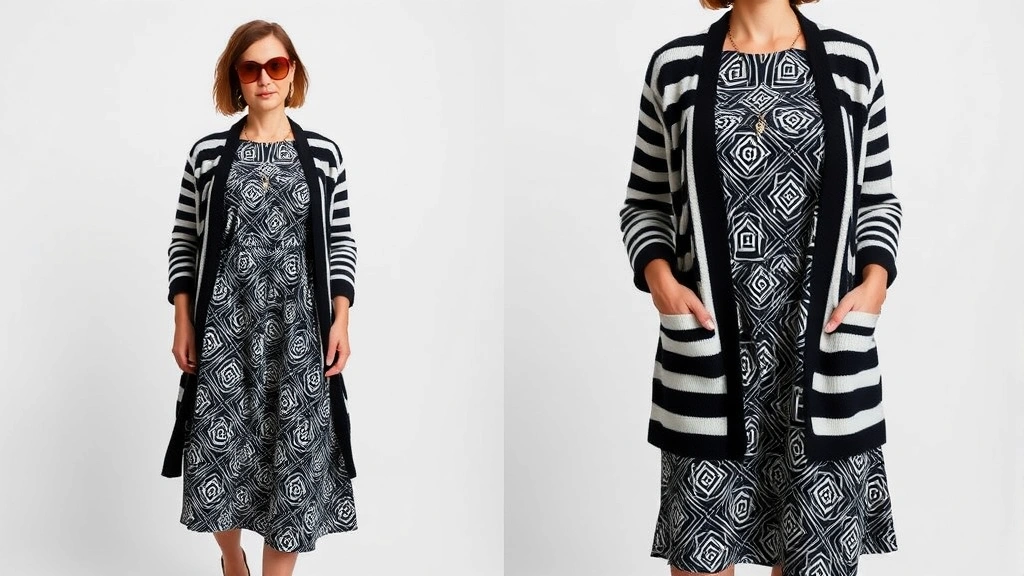
A classic approach involves pairing patterned pieces with solid neutral pieces. Wear a patterned dress with a solid neutral cardigan, or combine a patterned blouse with solid neutral trousers. This creates clear visual separation between your patterns while maintaining overall cohesion. The neutral pieces act as breathing room, allowing each pattern to shine without competing aggressively for attention. Many fashion professionals rely on this method because it’s foolproof: the neutral automatically harmonizes any pattern combination.
However, neutrals can also appear between patterns. A white or neutral-toned belt cinching a striped top and floral skirt creates visual division that prevents the patterns from bleeding into each other. Neutral fashion accessories like scarves, belts, and jewelry serve similar functions. They create intentional pauses in your outfit that make pattern mixing feel curated rather than chaotic. This layering approach with neutral anchors is frequently seen in high-fashion editorials and runway shows.
Creating Visual Balance in Your Outfit
Visual balance in pattern mixing extends beyond just the patterns themselves—it encompasses your entire outfit composition. Consider where patterns appear on your body and how they relate to your overall silhouette. Placing patterns at opposite ends of your outfit (top and bottom) naturally creates balance, while concentrating patterns in one area can feel heavy or unintentional. This principle of visual distribution is fundamental to creating outfits that feel effortlessly stylish.
When wearing two patterns, consider their placement carefully. A patterned top with solid bottoms, or solid top with patterned bottoms, feels immediately balanced. When you wear patterns on both top and bottom, ensure they have sufficient visual separation through neutral layers or different color palettes. A patterned blouse tucked into patterned trousers requires careful color coordination to avoid feeling like you’re wearing one overwhelmingly busy outfit. Adding a neutral jacket or strategic layering solves this challenge elegantly.
The rule of three patterns represents an advanced technique: including three patterns in one outfit, but only when you’re highly confident in your abilities. This might involve a patterned top, patterned skirt, and patterned scarf, but all three must share a common color palette and vary significantly in scale. Professional stylists often use this approach to create visually interesting, magazine-worthy outfits. For most people, mastering two-pattern combinations first provides a solid foundation before attempting more complex styling.
Advanced Pattern Mixing Techniques
Once you’ve mastered basic pattern mixing, fashion experts recommend experimenting with advanced techniques that elevate your style. The monochromatic pattern approach involves combining multiple patterns in the same color family. Wearing different shades of blue patterns together—navy striped with powder blue floral, for instance—creates sophistication through subtle variation. This technique feels intentional and curated because the color consistency creates obvious cohesion.
The contrast approach deliberately pairs patterns that seem unlikely to work together, creating bold, fashion-forward looks. Pairing a feminine floral with masculine stripes, or delicate polka dots with aggressive geometric prints, creates visual tension that feels modern and creative. This technique requires confidence and a strong understanding of color theory, but the results are stunning. Fashion-forward individuals who explore their personal style often discover that their most memorable outfits come from unexpected pattern combinations.
Texture mixing amplifies pattern mixing by adding another sensory dimension. Combining smooth patterns with textured fabrics creates visual and tactile interest. A smooth cotton floral print paired with a textured knit stripe, or silk geometric patterns with linen solids, adds complexity that elevates your overall appearance. This technique is beloved by fashion designers because it creates depth and sophistication that goes beyond visual pattern interaction alone.
Proportional mixing involves playing with how much pattern appears in each piece. Wearing a pattern that covers your entire top paired with a pattern that appears only as a trim or accent creates intentional hierarchy. A fully patterned dress paired with a jacket that has patterned lapels, or a completely patterned shirt with solid pants featuring a patterned pocket square, demonstrates mastery of this technique. This approach is frequently seen in haute couture and high-end fashion editorials.
” style=”width:100%; max-width:800px; height:auto; margin:20px 0;”>
Common Mistakes to Avoid
Understanding what doesn’t work is equally important as knowing what does. One critical mistake is combining multiple patterns without a shared color palette. When patterns have no color connection, they feel random and unintentional rather than curated. Before pairing patterns, always identify the colors in each and ensure at least one or two colors overlap. This simple step prevents most pattern-mixing disasters.
Another common error is pairing patterns of similar scale without adequate visual separation. Two medium-scale patterns create visual confusion because neither dominates, and they compete for attention equally. The result feels busy and chaotic rather than intentional. Always ensure clear scale differentiation—pair small with large, or use neutral separators between two medium-scale patterns.
Overcomplicating your outfit is another mistake many style enthusiasts make when experimenting with pattern mixing. Remember that pattern mixing works best as a focal point of your outfit. If you’re wearing two or three patterns, keep everything else simple: solid shoes, minimal jewelry, and a neutral bag. Trying to add additional visual interest through accessories or multiple layers dilutes the impact of your pattern mixing and creates visual overload.
Ignoring your body type and personal proportions is a subtle but significant mistake. Patterns that work beautifully on one person might overwhelm another based on body shape and size. Larger-scale patterns tend to emphasize areas where they’re placed, so consider whether pattern placement complements your silhouette. Petite individuals might feel overwhelmed by very large-scale patterns, while taller people can carry them effortlessly. This personalization is what separates generic style advice from truly excellent fashion styling.
Additionally, many people avoid pattern mixing altogether because they fear making mistakes. However, fashion is about self-expression and experimentation. The best way to develop pattern-mixing confidence is through practice. Start with safe combinations using the techniques outlined above, then gradually experiment with bolder choices. Your willingness to take styling risks is what ultimately creates memorable, distinctive personal style. Remember that contemporary fashion pieces are designed to be mixed and matched in creative ways.
FAQ
Can I mix three or more patterns in one outfit?
Yes, advanced stylists frequently mix three patterns, but this requires careful attention to scale, color, and placement. Ensure all patterns share a common color palette, vary significantly in scale, and are distributed strategically throughout your outfit. Start with two-pattern combinations before attempting three-pattern looks.
What if the patterns I want to wear don’t share a color?
Use neutral pieces to create visual separation between your patterns. A neutral belt, jacket, or scarf can bridge patterns with different color palettes. Alternatively, add a solid colored piece that complements both patterns, creating a cohesive color story without direct color overlap.
Are there any patterns that should never be mixed together?
While most patterns can be combined with proper execution, very similar patterns in similar scales usually don’t work well together. Additionally, mixing too many competing patterns without clear color connection or scale differentiation typically results in visual chaos. Trust your eye and use the guidelines provided in this article.
How do I know if my pattern mixing is working?
Step back and assess your outfit from a distance. Does it feel intentional and cohesive, or chaotic and accidental? Do the patterns share visual elements like color or scale? Can you identify a clear reason why the patterns belong together? If you answer yes to these questions, your pattern mixing is successful.
What role do accessories play in pattern mixing?
Accessories can either enhance or disrupt pattern mixing. Keep accessories relatively simple and coordinate them with your pattern palette. A solid-colored bag and shoes, or accessories in a neutral that appears in your patterns, work beautifully. Avoid adding patterned accessories unless you’re highly confident in your overall styling.
Can men wear pattern-mixed outfits?
Absolutely. Pattern mixing applies to all gender expressions. Men’s fashion increasingly embraces pattern mixing through combinations like striped shirts with checked blazers or patterned ties with patterned pocket squares. Explore men’s fashion trends to see contemporary examples of pattern mixing in menswear.
How does pattern mixing relate to fashion history?
Pattern mixing has roots throughout fashion history, from the ornate layering of Victorian fashion to the bold prints of 1970s fashion. Understanding fashion history and evolution provides context for contemporary pattern mixing trends and helps you appreciate how styles emerge and evolve.
For more fashion styling guidance and trend inspiration, visit the Style Loom Daily Blog where fashion experts share daily insights on creating cohesive, stylish outfits.