Best Fashion Glasses for Men: Expert Picks for Every Style
Fashion glasses have evolved from purely functional eyewear into a powerful style statement that can instantly elevate any man’s look. Whether you’re seeking to refine your professional appearance, make a bold creative statement, or simply protect your eyes while looking sharp, the right pair of glasses can transform your entire aesthetic. In today’s fashion landscape, eyewear serves as the perfect accessory to showcase your personality and attention to detail.
The modern man understands that fashion glasses for men represent far more than vision correction—they’re a cornerstone of personal style expression. From classic aviators to contemporary geometric frames, the options available today cater to every face shape, skin tone, and fashion preference. This comprehensive guide explores expert-curated selections, styling tips, and everything you need to know about choosing glasses that truly work for you.
Understanding Frame Styles and Face Shapes
Before diving into specific styles, it’s essential to understand how different frame shapes complement various face structures. Your face shape plays a crucial role in determining which fashion accessories, particularly eyewear, will enhance your natural features rather than compete with them. Men with round faces typically benefit from angular or geometric frames that add definition, while those with square faces can soften their features with round or oval styles.
The relationship between your facial structure and eyewear is deeply rooted in proportion and balance. Oversized frames work beautifully on larger faces, while smaller, more delicate frames suit petite features. Understanding this fundamental principle ensures you’re not just following trends, but actually selecting glasses that harmonize with your unique appearance. Finding your personal style extends directly to eyewear selection, as glasses frame your face literally and figuratively.
Consider the bridge width, temple length, and overall frame dimensions when trying on glasses. A proper fit means the frames sit comfortably on your nose without sliding, the temples rest gently behind your ears, and the bottom of the frames aligns with your cheekbones. These technical details matter tremendously for both comfort and aesthetic impact.
Classic Eyewear Styles Every Man Should Know
Certain frame styles have remained fashionable across decades because they possess timeless appeal and versatility. Aviator frames, originally designed for pilots in the 1930s, continue to dominate men’s fashion. Their large, teardrop-shaped lenses and thin metal frames project confidence and sophistication. Aviators work exceptionally well for professional settings and casual wear alike, making them an investment piece every stylish man should own.
Wayfarer-style frames represent another cornerstone of men’s eyewear. Characterized by their distinctive trapezoidal shape and typically thicker acetate construction, Wayfarers offer a slightly more casual aesthetic than aviators while maintaining undeniable sophistication. They suit a wide range of face shapes and pair beautifully with both tailored and relaxed outfits.
Clubmaster frames, with their distinctive browline and smaller lower section, provide a refined, intellectual appearance. These frames became iconic through their association with vintage fashion and continue to appeal to men seeking a sophisticated, somewhat retro look. The browline emphasis creates natural definition and works particularly well for men with smaller or narrower faces.
Round frames have experienced a significant resurgence in recent years, influenced by vintage revival trends and contemporary fashion movements. They project an artistic, creative sensibility while offering excellent versatility across different style categories. Round glasses suit men who want to make a distinctive style statement without appearing overly trendy.
Contemporary and Trendy Frame Options
The current fashion landscape celebrates experimentation and individual expression in eyewear. Oversized frames have become increasingly popular, offering a bold statement that works particularly well in creative industries and fashion-forward contexts. These frames project confidence and contemporary awareness, though they require a commitment to wearing them with intentionality rather than as a subtle accessory.
Geometric and angular frames represent another contemporary trend gaining momentum among style-conscious men. Hexagonal, octagonal, and other unconventional shapes allow for creative self-expression while maintaining enough structure to appear intentional rather than costume-like. These frames work best when paired with equally considered outfits that demonstrate your overall fashion awareness.
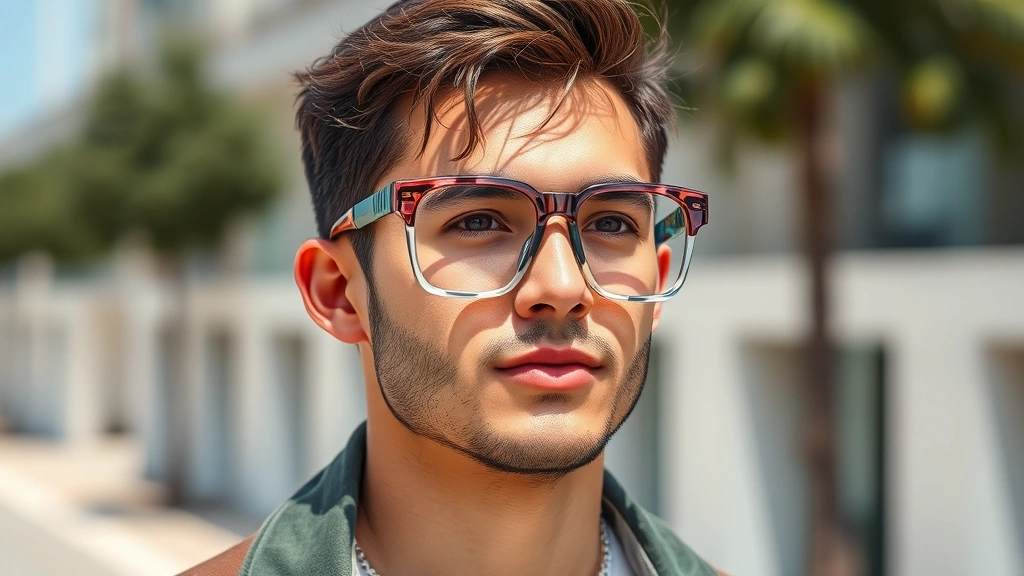
Transparent and semi-transparent acetate frames have become increasingly fashionable, offering a lighter, more contemporary aesthetic than traditional tortoiseshell or solid-colored options. Clear frames in particular provide remarkable versatility, as they don’t compete with your outfit’s color palette while still making a modern statement. Gradient tints—where the frame color transitions from darker to lighter—add visual interest without the commitment of fully tinted lenses.
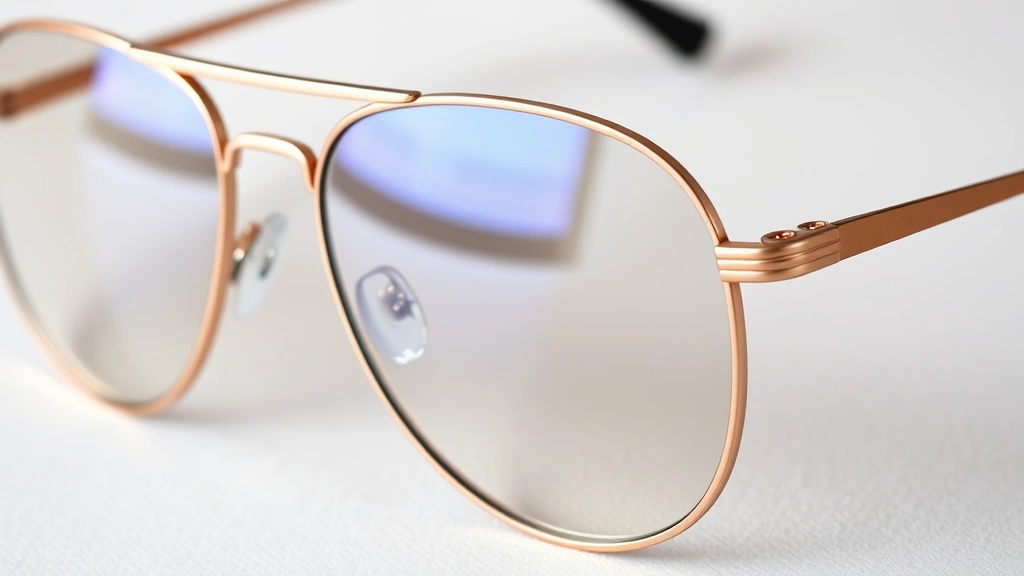
Metal-forward designs continue trending upward, with brushed finishes, rose gold tones, and mixed-metal constructions offering sophisticated alternatives to traditional chrome or gold. These contemporary metal options elevate your entire aesthetic while maintaining the lightweight comfort metal frames are known for. Many style experts at Vogue highlight how metal frames in unexpected finishes become conversation starters and style focal points.
Material Matters: Choosing Quality Frames
The material composition of your frames directly impacts durability, comfort, weight, and overall aesthetic. Acetate frames, made from cellulose acetate plastic, offer warmth, durability, and the ability to showcase rich colors and patterns. High-quality acetate feels substantial in hand and maintains its shape over years of wear. This material allows for thicker, bolder designs that make strong style statements.
Metal frames, typically constructed from titanium, stainless steel, or aluminum alloys, provide lightweight comfort and a refined appearance. Titanium frames offer exceptional durability and hypoallergenic properties, making them ideal for sensitive skin or extended wear. The sleekness of metal frames appeals to men seeking minimalist, contemporary aesthetics or professional environments where understated sophistication is valued.
Mixed-material frames combine acetate and metal components, offering the best of both worlds. Bridge pieces, temple tips, or hinges in contrasting materials create visual interest while potentially improving functionality. These hybrid designs represent an increasingly popular choice among men who want versatility and style innovation.
When evaluating types of fashion eyewear, material quality becomes paramount. Premium frames from established manufacturers typically feature reinforced hinges, superior coating processes, and better weight distribution. While investment pieces cost more initially, their longevity and consistent performance justify the expense over time.
Lens material also deserves consideration. Polycarbonate lenses offer impact resistance and are thinner than standard plastic, while high-index plastic provides thinner lenses for stronger prescriptions. Anti-reflective coatings reduce glare and improve lens clarity, while UV protection safeguards your eyes from harmful radiation.
Lens Technology and Functionality
Modern lens technology extends far beyond simple vision correction. Blue light filtering lenses have become increasingly important as men spend more time on digital devices. These specialized lenses reduce eye strain and may improve sleep quality by minimizing blue light exposure during evening hours. For professionals working at computers, blue light filtering represents a valuable functional upgrade.
Photochromic lenses, which darken in response to sunlight, offer remarkable convenience for men who move between indoor and outdoor environments. Rather than carrying multiple pairs of glasses, photochromic technology adapts automatically, maintaining visual clarity regardless of lighting conditions. This functionality proves particularly valuable for active men or those with demanding professional schedules.
Polarized lenses eliminate glare from reflective surfaces like water, snow, and glass, providing superior visual comfort in bright environments. For men who spend time outdoors, engage in water sports, or drive frequently, polarized lenses significantly enhance visual experience and reduce eye fatigue. The tradeoff is that polarized lenses can sometimes interfere with digital screens, making them better suited for outdoor-focused individuals.
Anti-reflective coatings improve lens clarity by reducing internal reflections, allowing more light to pass through the lens to your eyes. This technology proves particularly beneficial for eyeglasses, as it eliminates the reflective glare that can obscure your eyes when photographed or viewed in person. Premium anti-reflective coatings provide additional benefits like scratch resistance and easier cleaning.
Scratch-resistant coatings protect your lenses from daily wear and tear, extending the lifespan of your eyewear investment. Hydrophobic coatings repel water and oils, making lenses easier to clean and maintain. These protective treatments represent worthwhile investments for anyone serious about preserving their eyewear’s appearance and functionality.
Styling Your Glasses with Different Outfits
Successfully incorporating fashion glasses into your wardrobe requires understanding how frames interact with your overall aesthetic. Fashion-forward styling principles apply equally to men’s eyewear, emphasizing intentionality and cohesive visual narratives. Your glasses should enhance your outfit rather than appearing disconnected or accidental.
With professional attire, classic frame styles like aviators, Wayfarers, or understated metal frames project competence and trustworthiness. Opt for neutral colors—black, tortoiseshell, silver, or gold—that complement business formal wear without creating visual competition. The goal in professional contexts is to appear refined and put-together, with glasses serving as a polished accessory rather than a statement piece.
Casual wear offers considerably more flexibility for eyewear experimentation. Oversized frames, bold colors, and contemporary styles pair beautifully with jeans, t-shirts, and relaxed separates. This is where your personality shines through, and your glasses can become a defining element of your casual aesthetic. Consider how frame color interacts with your casual wardrobe’s dominant tones.
Creative and artistic contexts welcome bold eyewear choices that might feel excessive in other settings. Unconventional frame shapes, transparent materials, and fashion-forward styles align naturally with creative expression. Men working in design, art, music, or media often use eyewear as a visual extension of their creative identity.
When styling glasses with specific outfits, consider the visual weight of your frames relative to other accessories. If you’re wearing a statement watch, bold jewelry, or distinctive footwear, opt for more subtle glasses that complement rather than compete. Conversely, if your outfit is relatively minimal, your frames can become the focal point that elevates the entire look.
Color coordination matters more than many men realize. Warm skin tones typically pair beautifully with gold, rose gold, or warm tortoiseshell frames, while cool skin tones shine with silver, platinum, or cool-toned acetate. Testing frames under different lighting conditions before purchasing ensures you’re making informed decisions about how colors will actually appear in your daily life.
Budget-Friendly vs. Luxury Eyewear
The eyewear market spans an enormous price range, from budget-friendly options under $50 to luxury designer frames exceeding $500. Understanding what justifies premium pricing helps you make informed decisions aligned with your priorities and budget.
Budget eyewear from online retailers and mass-market opticians has improved dramatically in recent years. Many affordable options feature acceptable build quality, reasonable style options, and functional lenses. For men who prioritize affordability or want to experiment with different styles before investing heavily, budget eyewear serves a legitimate purpose.
Mid-range eyewear, typically $100-250, represents the sweet spot for many men seeking quality and style without excessive expense. Brands in this category often offer better materials, superior construction, and more distinctive designs than budget options. This price point allows for owning multiple pairs—different styles for different contexts—without significant financial strain.
Luxury and designer eyewear commands premium prices due to heritage brand status, superior materials, exceptional craftsmanship, and exclusive designs. Designer frames from established fashion houses offer prestige and often superior longevity compared to budget alternatives. For men who view eyewear as a significant style investment and want frames that will remain fashionable for years, luxury options often provide better long-term value.
When evaluating price versus value, consider how frequently you’ll wear specific frames, your lifestyle demands, and whether the style will remain relevant to your aesthetic. Investment pieces should offer timeless appeal and exceptional build quality, while trend-responsive styles might justify lower price points since they’ll eventually feel dated.
Brand Recommendations from Style Experts
Numerous eyewear brands have earned recognition from style authorities and fashion experts for consistently delivering quality, innovation, and aesthetic excellence. Understanding which brands align with your style preferences and budget helps streamline your selection process.
Ray-Ban remains the gold standard for classic eyewear, with their Aviator and Wayfarer styles serving as templates for the entire industry. The brand’s heritage, quality consistency, and iconic designs make them a reliable choice for men seeking proven style that transcends trends. Ray-Ban offers options at various price points, making their quality accessible across budgets.
Warby Parker revolutionized eyewear retail by emphasizing affordability, direct-to-consumer sales, and stylish designs. Their frames balance contemporary aesthetics with wearability, and their home try-on program removes purchasing anxiety. For men seeking modern styles without designer price tags, Warby Parker consistently delivers.
Oliver Peoples represents the intersection of luxury and wearability, with frames that feel contemporary without appearing trendy. Their attention to detail, material quality, and design innovation appeals to men with refined tastes and willingness to invest in premium eyewear. Style experts frequently recommend Oliver Peoples for men seeking timeless luxury.
Moscot brings vintage New York eyewear heritage into contemporary contexts. Their frames honor classic designs while incorporating modern sensibilities, appealing to men who appreciate history and craftsmanship. Moscot’s commitment to quality and distinctive aesthetic makes them a favorite among style-conscious men.
Bonnie Clyde pushes creative boundaries with unconventional designs and bold aesthetics. For men comfortable making distinctive style statements and seeking eyewear that functions as genuine fashion pieces, Bonnie Clyde offers remarkable options unavailable through mainstream brands.
Chrome Hearts caters to men seeking luxury eyewear with edge and attitude. Their frames incorporate distinctive design elements and premium materials, appealing to those with alternative style sensibilities and appreciation for luxury craftsmanship. These frames work beautifully for creative professionals and fashion-forward individuals.
Fashion publications like Esquire regularly feature eyewear recommendations from style directors and fashion editors, providing valuable guidance on trending styles and emerging brands worth exploring. Following these expert sources helps you stay informed about new options and evolving trends.
StyleLoom Daily Blog offers comprehensive fashion guidance alongside eyewear styling tips, helping you develop a cohesive personal style that extends to every accessory. Understanding how glasses fit into your broader fashion accessories strategy elevates your entire aesthetic approach.
FAQ
How do I choose the right frame size for my face?
Frame size is determined by three measurements: lens width, bridge width, and temple length. These numbers appear inside the frame’s temple arm (for example, 52-18-140). Your optician can measure your face to ensure proper fit, or you can use online tools that calculate appropriate sizes based on your facial dimensions. Proper fit means frames sit evenly on your nose without sliding, temples rest comfortably behind your ears, and the frame’s width roughly matches your face width.
What’s the difference between fashion glasses and prescription eyeglasses?
Fashion glasses without prescription lenses serve purely aesthetic purposes, while prescription eyeglasses correct vision defects. However, prescription lenses can be inserted into virtually any fashion frame, allowing you to combine style with functional vision correction. Many men invest in fashionable frames precisely because they’ll be wearing them daily for vision correction, making style selection crucial.
How often should I replace my eyeglasses?
High-quality frames can last 3-5 years with proper care, though fashion preferences might prompt earlier replacement. If your prescription changes significantly, you’ll need new lenses at minimum. Regular maintenance—cleaning with appropriate cloths, storing in protective cases, and avoiding excessive heat or pressure—extends your frames’ lifespan considerably.
Can I wear fashion glasses without prescription lenses?
Absolutely. Many men wear fashion glasses with clear, non-prescription lenses purely for aesthetic reasons. This approach allows you to experiment with styles and explore how different frames interact with your appearance without vision correction requirements. Some fashion glasses include blue light filtering or UV protection in non-prescription lenses, adding functional benefits.
Which frame colors work best for different skin tones?
Warm skin tones typically suit gold, rose gold, warm tortoiseshell, and warm browns. Cool skin tones pair beautifully with silver, platinum, cool grays, and cool-toned acetate. Neutral skin tones offer flexibility with most colors, though testing frames under various lighting conditions ensures accurate color assessment. Your hair color and eye color also influence which frame colors will appear most harmonious.
Are designer glasses worth the investment?
Designer eyewear justifies premium pricing through superior materials, exceptional craftsmanship, heritage brand prestige, and often timeless designs that remain fashionable for years. For men who wear glasses daily and view them as a significant style element, designer frames often provide better long-term value than budget alternatives. However, mid-range quality brands offer excellent value propositions for those with budget constraints.
How do I care for my eyeglasses properly?
Clean lenses daily using a microfiber cloth and lens cleaner, store frames in a protective case when not worn, avoid placing frames lens-down on surfaces, keep them away from excessive heat, and handle them with both hands to prevent frame warping. Regular professional cleaning and adjustments at your optician extend your frames’ lifespan and maintain optimal comfort and appearance.