
Remote Fashion Jobs: Industry Insider Insights
The fashion industry has undergone a seismic transformation over the past few years, and one of the most significant shifts has been the explosive growth of remote fashion jobs. What was once considered an industry that demanded in-person presence—from showrooms to fashion weeks to design studios—has now embraced the flexibility and global reach that remote work offers. Today’s fashion professionals can build thriving careers from anywhere in the world, collaborating with luxury brands, independent designers, and fashion tech startups without ever stepping foot in a traditional office.
This revolution presents unprecedented opportunities for fashion enthusiasts, designers, stylists, and entrepreneurs who want to break into the industry without geographical constraints. Whether you’re passionate about finding your personal style or building a career around fashion expertise, the remote work landscape offers diverse pathways to success. Industry insiders reveal that companies are now prioritizing talent and creativity over location, fundamentally changing how the fashion world operates.
In this comprehensive guide, we’ll explore the most coveted remote fashion positions, share insider secrets about landing these roles, and provide actionable strategies to position yourself as an irresistible candidate in this competitive yet rewarding field.
Top Remote Fashion Jobs That Pay Well
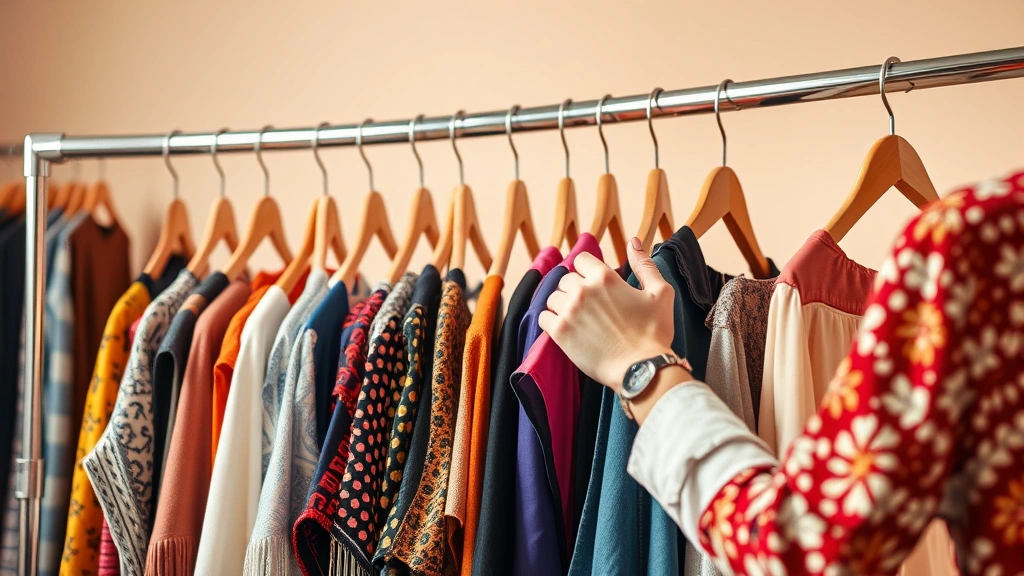
The remote fashion job market encompasses far more positions than most people realize. Beyond the obvious design roles, forward-thinking companies are hiring talented professionals across multiple disciplines. Fashion stylists working remotely are now commanding premium rates, particularly those specializing in personal shopping services, wardrobe consulting, and virtual styling sessions. The luxury market has especially embraced remote stylists who can serve high-net-worth clients globally, offering curated recommendations and seasonal wardrobe updates.
Content creators and fashion bloggers represent another lucrative remote niche. If you’re already active in the fashion blogging space, you understand the potential. Brands desperately need authentic voices who can create engaging content across Instagram, TikTok, YouTube, and traditional blogs. Fashion content creators earn through sponsorships, affiliate marketing, brand partnerships, and their own product lines.
Virtual fashion consultants and trend forecasters work with brands to predict upcoming styles and consumer preferences. Companies like major retail chains, luxury houses, and fashion tech platforms employ remote consultants who analyze market data, social trends, and cultural shifts. These roles typically require a deep understanding of fashion history and fashion evolution through the ages.
E-commerce fashion specialists manage product listings, descriptions, photography coordination, and online merchandising. With the explosion of online shopping, brands need talented professionals who understand how to present fashion digitally. These roles combine fashion knowledge with digital marketing and user experience expertise.
Fashion copywriters and editors create compelling product descriptions, marketing campaigns, and editorial content. Publications, brands, and fashion e-commerce platforms all need skilled writers who can translate garment details into desire-inducing prose. Remote writing positions offer flexibility and often pay competitively, especially for experienced professionals.
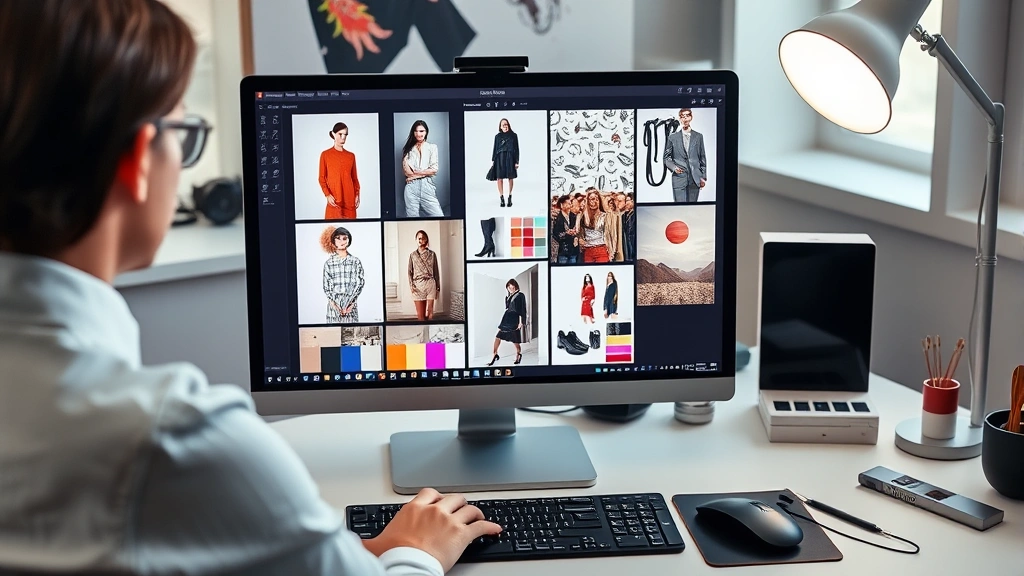
Virtual fashion design assistants support designers and design teams, managing mood boards, conducting research, coordinating with manufacturers, and handling administrative tasks. While not every design position is remote, many established designers now employ remote assistants who handle crucial backend work, freeing designers to focus on creative development.
Social media managers for fashion brands have become indispensable. These professionals craft brand narratives, manage community engagement, develop campaign strategies, and track analytics. Fashion brands of all sizes—from emerging indie labels to established luxury houses—need remote social media experts who understand both fashion and digital strategy.
Essential Skills for Remote Fashion Careers
Landing a remote fashion job requires a specific skill set that extends beyond traditional fashion knowledge. Digital literacy is non-negotiable. You need proficiency with design software, content management systems, social media platforms, and project management tools. Adobe Creative Suite remains the industry standard for designers, but even non-designers benefit from understanding Canva, Figma, and other digital tools.
Communication skills become amplified in remote environments. Without face-to-face interaction, your ability to articulate ideas clearly through email, video calls, and messaging platforms directly impacts your success. Industry insiders emphasize that remote fashion professionals must be exceptionally organized and proactive communicators who anticipate questions and provide context without being asked.
Fashion knowledge and trend awareness remain fundamental. You should regularly engage with Fashion Week NYC 2025 coverage and other major industry events, follow influential designers, and maintain awareness of emerging trends. Many remote fashion jobs require you to speak authoritatively about current and upcoming styles, cultural influences, and market movements.
Self-motivation and time management are critical. Remote work demands discipline. Without direct supervision, you must maintain productivity, meet deadlines consistently, and demonstrate initiative. Successful remote fashion professionals create structured routines, set clear daily goals, and hold themselves accountable.
Adaptability and problem-solving matter tremendously in fashion’s fast-paced environment. Trends shift rapidly, client preferences change unexpectedly, and technical issues arise. Remote fashion professionals who can pivot quickly, think creatively, and solve problems independently become invaluable team members.
Visual communication abilities extend beyond creating pretty designs. You need to understand color theory, composition, balance, and visual hierarchy. Whether you’re styling a client, creating content, or presenting concepts, visual literacy is essential. Many remote fashion roles require presenting ideas through mood boards, lookbooks, or digital presentations.
Cultural awareness and inclusivity increasingly matter in fashion. Modern brands want professionals who understand diverse aesthetic preferences, body types, and cultural fashion traditions. Remote fashion professionals who celebrate inclusivity and understand global fashion perspectives become more marketable and contribute to brands’ growth in diverse markets.
Building Your Remote Fashion Portfolio
Your portfolio is your remote fashion job application’s most powerful asset. Unlike traditional office environments where hiring managers can observe your work process, remote positions rely entirely on your portfolio to demonstrate capabilities. Curate strategically. Include 8-12 of your strongest pieces rather than an exhaustive collection. Quality dramatically outweighs quantity. Each piece should tell a story about your skills, aesthetic sensibility, and understanding of current fashion.
If you’re a designer, include finished garments with professional photography, sketches showing your design process, and details about inspiration and construction. If you’re a stylist, create lookbooks featuring diverse body types, occasions, and style aesthetics. Document before-and-after transformations and include client testimonials when possible. Content creators should showcase your most engaging posts, explaining your content strategy and audience engagement metrics.
Create a digital presence. A personal website or sophisticated portfolio platform like Behance, Cargo, or Squarespace showcases professionalism. Your online portfolio should be visually stunning, easy to navigate, and mobile-optimized. Include a compelling bio, clear contact information, and links to your social media presence. Many remote fashion employers research candidates online before inviting interviews, so your digital footprint matters tremendously.
Document your process. Behind-the-scenes content reveals your work ethic and creative thinking. Share sketches, mood boards, inspiration sources, and decision-making processes. This transparency helps potential employers envision how you’d contribute to their team. Consider creating case studies that explain your approach to specific projects—how you identified the brief, researched solutions, and executed the final concept.
Stay current with your portfolio. Update it regularly to reflect your latest work and evolving skills. If you recently completed a project showcasing new techniques or aesthetic directions, add it. Remove outdated pieces that no longer represent your best work. A portfolio that looks refreshed and current signals active engagement with fashion and continuous skill development.
Tailor your portfolio to each opportunity. Before applying for remote fashion jobs, customize your portfolio to emphasize relevant experience. Applying for a luxury brand role? Highlight your most sophisticated, refined work. Pursuing a sustainable fashion position? Feature projects demonstrating environmental consciousness. This targeted approach shows employers you’ve researched their brand and understand their specific needs.
Finding Remote Fashion Opportunities
The challenge isn’t finding remote fashion jobs—it’s identifying legitimate opportunities among countless options. Specialized job boards like Fashion United, Fashion Jobs, and The Dots cater specifically to fashion professionals. These platforms feature remote positions filtered by role type, experience level, and specialization. Major general job boards like LinkedIn and Indeed increasingly include fashion positions with remote options clearly labeled.
Join professional fashion organizations and communities. Groups like CFDA (Council of Fashion Designers of America), Fashion Group International, and industry-specific associations offer job boards, networking events, and mentorship opportunities exclusively for members. These communities often share remote opportunities before they’re publicly advertised.
Networking remains powerful. Many remote fashion jobs are filled through referrals and personal connections before formal job postings appear. Attend industry events, follow fashion professionals on social media, engage authentically with their content, and build genuine relationships. Your next remote fashion opportunity might come from a connection you made years ago who remembers your work.
Follow fashion brands directly. If you admire specific companies, regularly check their career pages. Many brands post remote positions on their websites before distributing them to job boards. Subscribe to their newsletters and follow their social media accounts to catch new opportunities immediately.
Consider freelance platforms. Upwork, Fiverr, and Toptal connect remote fashion professionals with clients seeking specific services. While individual freelance projects might not provide stable full-time income initially, they build your portfolio, generate revenue, and can lead to long-term retainer relationships or full employment opportunities.
Reach out directly to companies. If you identify a brand where you’d love to work, research their team, understand their aesthetic and values, and send a thoughtful inquiry. Express genuine interest, explain why you’d be an excellent fit, and include your portfolio. Many companies appreciate proactive professionals who demonstrate initiative and authentic enthusiasm.
Industry Trends Shaping Remote Work
Understanding broader fashion industry trends helps you position yourself strategically for remote opportunities. Sustainability focus is reshaping fashion globally. Brands increasingly need professionals who understand sustainable practices, ethical sourcing, and circular fashion. Remote roles specifically addressing sustainability are growing rapidly. If you’re developing expertise in sustainable fashion, you’re positioning yourself for future opportunities as brands intensify their environmental commitments.
Digital-first strategies dominate modern fashion. Brands prioritize digital experiences, online communities, and virtual shopping. Remote professionals skilled in digital marketing, e-commerce, virtual styling, and digital content creation are in high demand. Look at Men’s Fashion 2025 trends and emerging style movements to understand how brands are adapting digitally.
Personalization and customization represent major growth areas. Brands use AI and data analytics to offer personalized experiences. Remote professionals who understand personalization technology, data-driven styling, and custom design are increasingly valuable. Companies want experts who can bridge fashion creativity with technological innovation.
Global collaboration has become standard. Remote work enables brands to assemble international teams, accessing diverse talent and perspectives. If you can comfortably collaborate across time zones, cultures, and languages, you become more marketable. Multilingual fashion professionals are particularly sought after.
Content creation explosion continues accelerating. Every brand needs constant content across multiple platforms. Remote content creators, videographers, and photographers are essential. If you can produce quality content efficiently and understand platform-specific best practices, remote opportunities abound.
Challenges and How to Overcome Them
Remote fashion work presents unique challenges requiring strategic approaches. Isolation and limited collaboration can feel difficult, especially if you’re accustomed to the creative energy of fashion studios or offices. Combat this by joining online fashion communities, attending virtual industry events, and scheduling regular video calls with colleagues. Create accountability partnerships with other remote fashion professionals who understand your industry’s specific challenges.
Time zone complications arise when working with global teams. Develop scheduling systems that respect colleagues’ time zones while protecting your own working hours. Use asynchronous communication tools allowing colleagues to respond on their schedules. Clear documentation prevents miscommunication and reduces the need for simultaneous availability.
Maintaining professional boundaries becomes essential. Remote work blurs personal and professional spaces, especially if you’re working from home. Establish dedicated workspaces, set specific work hours, and create rituals marking work beginning and ending. This structure protects your mental health and prevents burnout.
Demonstrating impact remotely requires intentional communication. Without in-person visibility, you must consistently communicate accomplishments, share progress updates, and document your contributions. Regular check-ins, detailed status reports, and proactive communication ensure your work remains visible and valued.
Technical challenges disrupt productivity. Invest in reliable internet, appropriate equipment, and backup systems. Understand your company’s technology stack thoroughly. Have contingency plans for technical failures. Reliability builds trust and prevents work disruptions that could damage your professional reputation.
Staying motivated without external structure requires self-discipline. Create meaningful goals, celebrate accomplishments, maintain learning momentum, and remember why you chose remote fashion work. Connect regularly with mentors, take breaks, and maintain work-life balance. Burnout doesn’t discriminate between remote and office workers, so prioritize your wellbeing.
FAQ
What remote fashion jobs require no experience?
Entry-level remote fashion positions include social media assistant roles, fashion content writing, virtual styling consultations, and e-commerce support. Many companies value enthusiasm and willingness to learn over extensive experience. Building a portfolio through freelance work, personal projects, or internships demonstrates commitment and develops necessary skills.
How much do remote fashion jobs pay?
Compensation varies dramatically based on role, experience, and company. Entry-level positions might start at $25,000-$35,000 annually, while experienced professionals earn $50,000-$100,000+. Freelance and consultant roles vary by project and client. Luxury brands and established companies typically offer higher compensation than emerging startups.
Can you work in fashion design remotely?
Absolutely. Remote fashion design is increasingly common. Designers work with manufacturers globally, collaborate with teams across locations, and present concepts digitally. You’ll need design software proficiency, strong communication skills, and ability to work with manufacturers remotely. Some design positions require occasional in-person presence for production oversight, but many are entirely remote.
What tools do remote fashion professionals use?
Essential tools include Adobe Creative Suite, project management platforms like Asana or Monday.com, communication tools like Slack and Zoom, portfolio platforms, and social media management tools. Specific tools depend on your role—designers need different software than social media managers.
How do I transition from in-person to remote fashion work?
Start by developing digital skills and building a strong online portfolio. Gain experience through freelance projects or remote internships. Network online and follow companies offering remote positions. Tailor your resume emphasizing remote-compatible skills like digital communication and self-motivation. Consider contract or part-time remote positions as transition steps.
Are remote fashion jobs legitimate or scams?
Legitimate remote fashion jobs exist, but scams are prevalent. Research companies thoroughly, verify job postings on official career pages, never pay upfront fees, and be cautious of positions offering unrealistic compensation. Check company reviews on Glassdoor and Indeed. Legitimate companies conduct professional interviews and provide clear job descriptions.