

Audrey Hepburn’s Timeless Style: Expert Insights Into Elegance and Grace
Audrey Hepburn remains one of the most influential fashion icons of the twentieth century, her impact on style transcending decades and continuing to inspire designers, stylists, and fashion enthusiasts worldwide. Her approach to fashion was never about following trends blindly; instead, she cultivated a distinctive aesthetic that balanced sophistication with accessibility, proving that true elegance lies in simplicity and refinement. From her iconic black dress in Breakfast at Tiffany’s to her understated day wear, Hepburn demonstrated that fashion could be a powerful form of self-expression while maintaining an air of timeless grace.
What made Audrey’s style particularly revolutionary for her era was her rejection of excessive ornamentation in favor of clean lines, tailored silhouettes, and impeccable grooming. She collaborated extensively with designer Givenchy, creating some of cinema’s most memorable fashion moments. Her philosophy centered on the belief that clothing should enhance the wearer’s natural beauty rather than overshadow it, a principle that remains profoundly relevant in today’s fashion landscape. Understanding her style legacy requires examining the specific elements that defined her look and the principles behind her sartorial choices.
The Early Years: Establishing an Icon
Audrey Hepburn’s journey to becoming a fashion legend began long before her breakthrough roles in Hollywood. Born in Brussels and raised across Europe, she was exposed to refined European aesthetics from childhood, which would later inform her sophisticated style sensibilities. Her early career in ballet and theater taught her the importance of movement, posture, and how clothing interacts with the human form. These foundational experiences shaped her understanding that style isn’t merely about garments but about how one carries oneself.
During the 1950s, Audrey emerged as a fresh alternative to the voluptuous silhouettes that dominated the era. While her contemporaries embraced fuller skirts and emphasized curves, Audrey’s lean frame and preference for streamlined designs represented a departure from conventional beauty standards. Her role in Roman Holiday (1953) introduced audiences to a new kind of elegance—one characterized by youthful sophistication, impeccable taste, and an almost aristocratic refinement. This early success established her as more than just an actress; she became a style authority whose choices would be scrutinized, emulated, and celebrated.
The fashion industry recognized her potential immediately. Editors at major publications began featuring her extensively, and designers clamored for the opportunity to dress her. What set Audrey apart from other actresses of her time was her intuitive understanding of what worked for her body type and personal aesthetic. She wasn’t interested in wearing whatever was fashionable if it didn’t align with her vision of elegance. This discerning approach to fashion would become her hallmark and contributed significantly to her enduring influence.
Givenchy Collaboration: A Partnership for the Ages
The partnership between Audrey Hepburn and designer Hubert de Givenchy stands as one of fashion’s most iconic collaborations, comparable in significance to other legendary designer-muse relationships. Their first meeting in 1953 was transformative for both parties. Givenchy, then an emerging designer establishing his own house, found in Audrey the perfect embodiment of his design philosophy: elegant, refined, and understated. For Audrey, Givenchy offered the precision tailoring and architectural approach to design that complemented her vision of sophisticated style.
Their collaboration produced some of cinema’s most memorable fashion moments. In Sabrina (1954), Givenchy dressed Audrey in elegant gowns that perfectly captured her character’s transformation. However, it was Breakfast at Tiffany’s (1961) that cemented their partnership in fashion history. The iconic black dress, designed by Givenchy specifically for the film, became perhaps the most famous dress in cinema history. This wasn’t coincidental; Givenchy understood Audrey’s body, her movement, and her aesthetic vision so completely that he could translate her preferences into garments that seemed like natural extensions of her personality.
What made this collaboration extraordinary was the mutual respect and understanding between designer and muse. Givenchy didn’t simply dress Audrey according to his own whims; instead, he listened to her ideas and incorporated her input into the design process. This collaborative approach resulted in clothes that felt authentic to Audrey’s personality rather than merely showcasing the designer’s ego. The relationship demonstrated that the most powerful fashion partnerships occur when designer and wearer share a common vision and mutual appreciation. For anyone interested in finding your personal style, Audrey and Givenchy’s partnership offers valuable lessons about the importance of collaborating with professionals who understand your aesthetic vision.
Key Elements of Audrey’s Signature Style
Audrey Hepburn’s style can be broken down into several key elements that, when combined, created her distinctive aesthetic. Understanding these components helps explain why her look remains so relevant and why fashion experts continue to reference her as a benchmark for timeless elegance.
Silhouette and Fit: Audrey favored clean, tailored silhouettes that skimmed the body without clinging. She preferred A-line skirts, capri pants, and fitted bodices that highlighted her slender frame while maintaining an air of modesty. The emphasis was always on proportion and balance rather than revealing or exaggerating the figure. This approach to fit demonstrates that true elegance comes from understanding what works for your body type and refusing to compromise comfort for fashion.
Color Palette: While Audrey is most famous for her love of black, her actual color palette was more varied than popular perception suggests. She frequently wore soft pastels, particularly in films like Breakfast at Tiffany’s where she donned a pink ball gown. However, she gravitated toward neutral tones—black, white, cream, navy, and soft grays—that provided a sophisticated backdrop for statement accessories. This restrained approach to color allowed her accessories and facial features to command attention.
Fabric Selection: Audrey had an excellent understanding of how different fabrics moved and draped. She favored fine materials like silk, wool, and cotton that held their shape and conveyed quality through their appearance and feel. She avoided overly trendy or gimmicky fabrics, instead choosing timeless materials that would age well and maintain their elegance across decades.
Proportion and Balance: Perhaps most importantly, Audrey understood proportion. If she wore a fitted top, she’d pair it with a fuller skirt. When wearing slim pants, she’d choose a more relaxed upper body. This instinctive balance created harmony in her outfits and prevented any single element from overwhelming her petite frame.
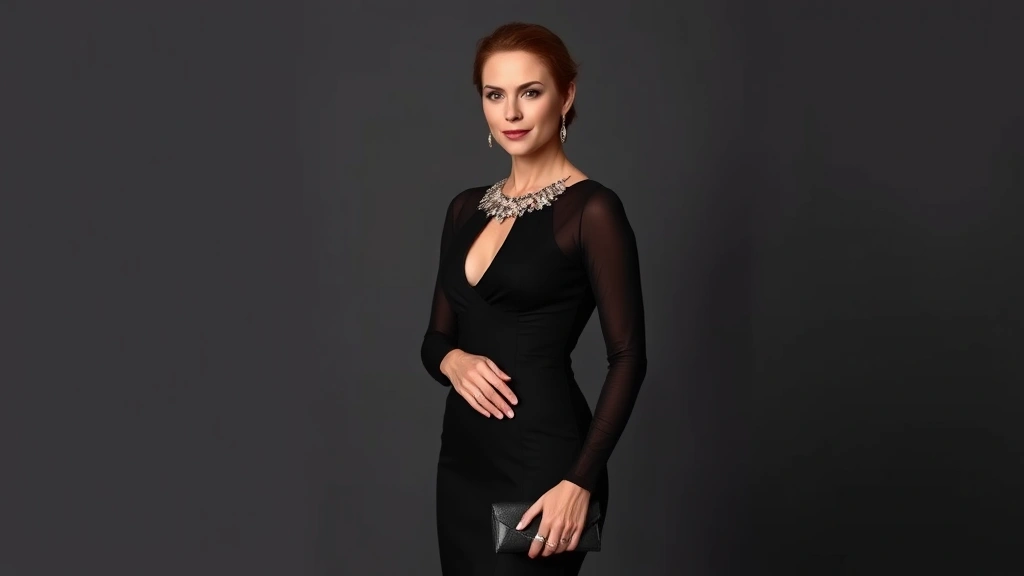
The Little Black Dress Revolution
The little black dress wasn’t invented by Audrey Hepburn—Coco Chanel is credited with popularizing it in the 1920s—but Audrey transformed it into a symbol of timeless sophistication and elegance. Before Audrey, the little black dress was primarily associated with servants and formal evening wear for the working class. Chanel elevated it to high fashion, but it was Audrey who made it an aspirational staple for women across all social classes.
The black dress from Breakfast at Tiffany’s, designed by Givenchy, featured a simple silhouette with a jeweled neckline, long sleeves, and an elegant length. What made this dress revolutionary wasn’t its complexity but its simplicity. It proved that a dress didn’t need elaborate embellishments, bold colors, or trendy details to be memorable and impactful. The dress’s power came from its perfect proportions, luxurious fabric, and the confidence with which Audrey wore it. In one scene, she stands in front of Tiffany & Co. with a coffee and pastry, wearing this dress, and the image has become iconic precisely because of its understated elegance.
Fashion experts have long recognized that the little black dress represents a democratic approach to fashion. It’s an item that can be worn across social classes, age groups, and body types. Audrey’s endorsement of this garment helped establish it as a wardrobe essential rather than a luxury item. Today, the little black dress remains a cornerstone of women’s fashion, and many modern interpretations reference Audrey’s iconic version. Her influence on this single garment demonstrates her broader impact on fashion—she didn’t just wear clothes; she elevated certain pieces to iconic status through her association with them.
Accessories and Details: The Power of Precision
One of the most overlooked aspects of Audrey’s style was her masterful use of accessories. She understood that accessories aren’t afterthoughts but essential components of a complete look. Her approach to accessories demonstrated restraint and intentionality—she rarely wore multiple bold pieces simultaneously, instead choosing one or two statement accessories that elevated her entire outfit.
Audrey’s iconic accessories included oversized sunglasses, which became synonymous with her image. These weren’t just functional; they conveyed mystery, sophistication, and a touch of Hollywood glamour. She wore them in public and on screen, making them an integral part of her visual identity. Similarly, her pearl necklaces and elegant brooches added refinement without overwhelming her delicate frame. Her approach to fashion accessories demonstrated that quality matters more than quantity.
Her choice of footwear was equally deliberate. Audrey favored ballet flats, particularly the Givenchy-designed style that became known as the “Audrey flat.” These shoes were comfortable, elegant, and practical—qualities that defined her overall aesthetic philosophy. She also wore classic pumps and loafers, always in neutral colors that complemented her outfits rather than competing for attention. Her footwear choices reflected her belief that fashion should be wearable and functional, not sacrificial of comfort for appearance.
Audrey’s jewelry was typically minimal but impeccable. She preferred fine pieces—diamonds, pearls, and elegant gold or silver—over costume jewelry. When she wore statement pieces, they were usually vintage or antique items with genuine craftsmanship and history. This approach to jewelry demonstrated that luxury and elegance don’t require excessive ornamentation; they require quality and thoughtfulness.
Audrey’s Influence on Modern Fashion
Decades after her death in 1993, Audrey Hepburn’s influence on contemporary fashion remains profound and pervasive. Modern fashion designers frequently reference her aesthetic, and countless contemporary styles derive inspiration from her iconic looks. Fashion publications regularly feature articles analyzing her style choices, and her image continues to be used in advertising and marketing campaigns. This sustained influence speaks to the timelessness of her aesthetic—it transcends the specific fashion trends of her era.
Contemporary designers like Givenchy continue to draw upon the legacy of their collaboration with Audrey, and new designers frequently cite her as a primary inspiration. Her influence can be seen in the prevalence of minimalist fashion, the continued popularity of the little black dress, and the emphasis on tailored silhouettes and clean lines in modern design. The fashion industry’s current emphasis on timeless pieces over fast fashion trends reflects values that Audrey embodied throughout her career.
Young women today discover Audrey through films, photographs, and social media, and many are inspired to adopt elements of her style. Fashion blogs and Instagram accounts dedicated to “Audrey Hepburn style” have thousands of followers seeking guidance on how to incorporate her aesthetic into their modern wardrobes. This demonstrates that her style philosophy remains relevant and accessible to contemporary audiences. Her influence extends beyond high fashion into mainstream retail, where numerous brands offer “Audrey-inspired” pieces and collections.
The sustained relevance of Audrey’s style can be attributed to several factors. First, her aesthetic was never dependent on specific trends; instead, it was built on timeless principles of proportion, quality, and elegance. Second, her style was achievable—while she wore haute couture, the underlying principles of her aesthetic could be applied at any price point. Third, her style communicated values that remain attractive today: sophistication, grace, intelligence, and understated confidence. In an era of fashion excess and constant trend cycles, Audrey’s measured, intentional approach to style feels increasingly refreshing and relevant.
How to Channel Audrey Hepburn’s Elegance Today
For those inspired to incorporate Audrey’s style philosophy into their modern wardrobes, several practical approaches can help achieve her aesthetic without simply copying her outfits directly. Understanding the principles behind her style choices is more valuable than replicating specific pieces.
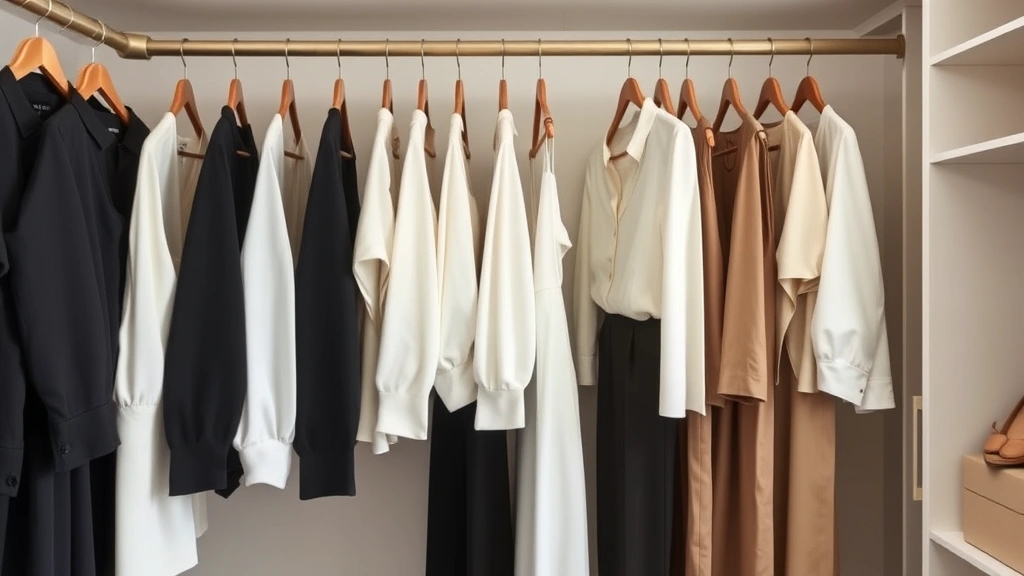
Invest in Tailoring: One of the most important aspects of Audrey’s style was the precision of her tailoring. Modern women can adopt this principle by investing in quality basics and having them tailored to fit perfectly. A well-fitted white button-down shirt, black trousers, or simple dress will serve as the foundation for countless outfits and will last for years.
Choose Neutral Base Colors: Build your wardrobe around neutral colors—black, white, cream, navy, and gray. These colors provide versatility and create a cohesive wardrobe where pieces can be mixed and matched easily. This approach also means that when you do incorporate color or pattern, it stands out intentionally rather than appearing haphazard.
Prioritize Quality Over Quantity: Rather than purchasing numerous inexpensive items, invest in fewer pieces of higher quality. Audrey’s wardrobe wasn’t extensive, but every piece was carefully chosen and well-made. This approach is also more sustainable and economical in the long term. Visit our guide on types of fashion styles to understand how quality craftsmanship defines timeless aesthetics.
Master the Art of Accessories: Use accessories strategically to elevate simple outfits. A silk scarf, quality handbag, or statement sunglasses can transform a basic ensemble. However, follow Audrey’s principle of restraint—choose one or two statement accessories rather than layering multiple bold pieces.
Embrace Simplicity: Resist the urge to incorporate every trend into your wardrobe. Instead, focus on pieces that align with your personal aesthetic and that you genuinely love wearing. This requires developing a clear understanding of your style preferences, which you can explore through our resource on how to find your personal style.
Pay Attention to Fit and Proportion: Understand what silhouettes and proportions work best for your body type. Audrey’s preference for A-line skirts and fitted bodices worked for her frame, but you may discover that different proportions serve you better. The key is finding silhouettes that make you feel confident and elegant.
Develop a Signature Look: Consider developing a signature element that becomes associated with your personal style. For Audrey, it was oversized sunglasses and the little black dress. This doesn’t mean wearing the same outfit repeatedly but rather establishing a recognizable aesthetic that feels authentic to you. Explore different styles through fashion history to find inspiration for your signature elements.
Cultivate Confidence: Perhaps the most essential element of Audrey’s style was the confidence with which she carried herself. No garment, regardless of how perfectly tailored or expensive, will look elegant if worn without confidence. Audrey understood that style is ultimately about how you present yourself to the world. Developing this confidence requires self-awareness, practice, and a commitment to wearing clothes that make you feel genuinely good.
FAQ
What was Audrey Hepburn’s favorite designer?
Audrey’s most famous collaborator was Hubert de Givenchy, with whom she worked extensively from 1953 onward. While she wore designs from other creators, particularly Edith Head early in her career, Givenchy became her primary designer and closest fashion partner. Their collaboration produced some of cinema’s most iconic fashion moments, and the relationship exemplified how powerful partnerships between designers and clients can create timeless style.
Why is the black dress from Breakfast at Tiffany’s so iconic?
The dress became iconic because it represented a revolutionary approach to elegance. Designed by Givenchy specifically for the film, it proved that simplicity and restraint could be more impactful than elaborate embellishment. The dress’s clean lines, jeweled neckline, and perfect proportions created a silhouette that has remained desirable for over sixty years. Its iconic status also derives from the context in which Audrey wore it—standing outside Tiffany & Co., exuding sophistication and grace in a simple, accessible garment.
Can modern women wear Audrey Hepburn’s style?
Absolutely. While specific pieces have changed with fashion evolution, the principles underlying Audrey’s aesthetic remain timeless and applicable. Focus on well-tailored pieces in neutral colors, invest in quality basics, use accessories strategically, and prioritize fit and proportion. These principles work across different body types, ages, and price points, making her style philosophy genuinely accessible to modern women.
What were Audrey’s style rules?
While Audrey never published a formal style guide, her choices suggest several underlying principles: prioritize fit and tailoring, choose quality over quantity, use accessories strategically, maintain a neutral color palette, embrace simplicity, and wear clothes with confidence. She also believed that fashion should enhance natural beauty rather than overshadow it, and that elegance comes from restraint rather than excess.
How did Audrey Hepburn influence modern fashion?
Audrey’s influence is evident in the continued popularity of tailored silhouettes, the little black dress, minimalist aesthetics, and the emphasis on timeless pieces over trend-driven fashion. Contemporary designers frequently reference her aesthetic, and fashion publications regularly analyze her style choices. Her philosophy that elegance transcends trends and that quality matters more than quantity has become increasingly relevant as the fashion industry confronts issues of sustainability and fast fashion.
Where can I find Audrey Hepburn-inspired pieces today?
Many contemporary brands offer collections inspired by Audrey’s aesthetic. Look for pieces featuring clean lines, neutral colors, and tailored silhouettes at retailers ranging from luxury brands to accessible high street stores. Additionally, vintage and secondhand retailers often carry pieces from Audrey’s era or pieces that capture her aesthetic. Remember that the goal isn’t to find exact replicas but to understand the principles behind her style and apply them to contemporary pieces that work for your life and body type.