Barbie’s Fashion Fairytale: Stylist Insights Into Iconic Doll Design
Barbie has transcended her status as a simple doll to become a cultural phenomenon and fashion icon that influences designers, stylists, and fashion enthusiasts worldwide. The animated film “Barbie: A Fashion Fairytale” represents more than just entertainment—it’s a masterclass in costume design, color theory, and aspirational style that continues to shape how we think about fashion narratives. From the moment this iconic character emerged in 1959, her wardrobe has been meticulously curated to reflect contemporary trends while establishing entirely new aesthetic standards.
The fashion fairytale surrounding Barbie demonstrates how animation and costume design intersect to create memorable, influential style moments. Professional stylists and fashion designers have long recognized Barbie as a muse, drawing inspiration from her diverse wardrobe and the storytelling potential within her character design. This comprehensive exploration reveals the sophisticated stylist techniques, design principles, and fashion philosophy that make Barbie’s wardrobe a legitimate subject of fashion study and admiration.
Understanding Barbie’s fashion evolution provides invaluable insights into broader style trends, color palettes, and the psychology of aspirational dressing. Whether you’re interested in finding your personal style or exploring different fashion styles, Barbie’s aesthetic journey offers practical inspiration and theoretical understanding of how fashion communicates identity.
The Evolution of Barbie’s Fashion Identity
Barbie’s wardrobe has undergone remarkable transformations since her inception, reflecting shifting cultural values, aesthetic preferences, and technological advancements in fashion design. The original 1959 Barbie wore a black and white striped swimsuit and a black ponytail, establishing an immediately iconic silhouette that communicated sophistication and accessibility simultaneously. This foundational look set the precedent for how Barbie would approach fashion: as a vehicle for storytelling, aspiration, and self-expression.
Throughout the 1960s and 1970s, Barbie’s fashion evolution mirrored real-world trends with remarkable accuracy. Her wardrobe expanded to include mod miniskirts, bohemian maxi dresses, and psychedelic prints that captured the spirit of those transformative decades. Designers and stylists working on Barbie’s wardrobe understood that the doll’s clothing served as a miniature fashion laboratory where trends could be tested, exaggerated, and celebrated before appearing on runways and in street style.
The 90s fashion era brought dramatic shifts to Barbie’s aesthetic, introducing slip dresses, baby tees, and the kind of minimalist sophistication that defined that decade. This period demonstrated how Barbie could maintain her essential identity while embracing entirely new silhouettes and design philosophies. The doll became a canvas for exploring how fashion communicates across generations, how trends cycle and evolve, and how iconic figures maintain relevance through thoughtful style evolution.
Fashion Fairytale Design Principles
The concept of a “fashion fairytale” invokes specific design principles that transcend typical animation costume work. When stylists approach Barbie’s wardrobe in this context, they’re operating within a framework that emphasizes transformation, magic, aspirational elegance, and narrative coherence. Each garment must serve multiple functions: it must tell a story, communicate character development, and inspire viewers to imagine their own style possibilities.
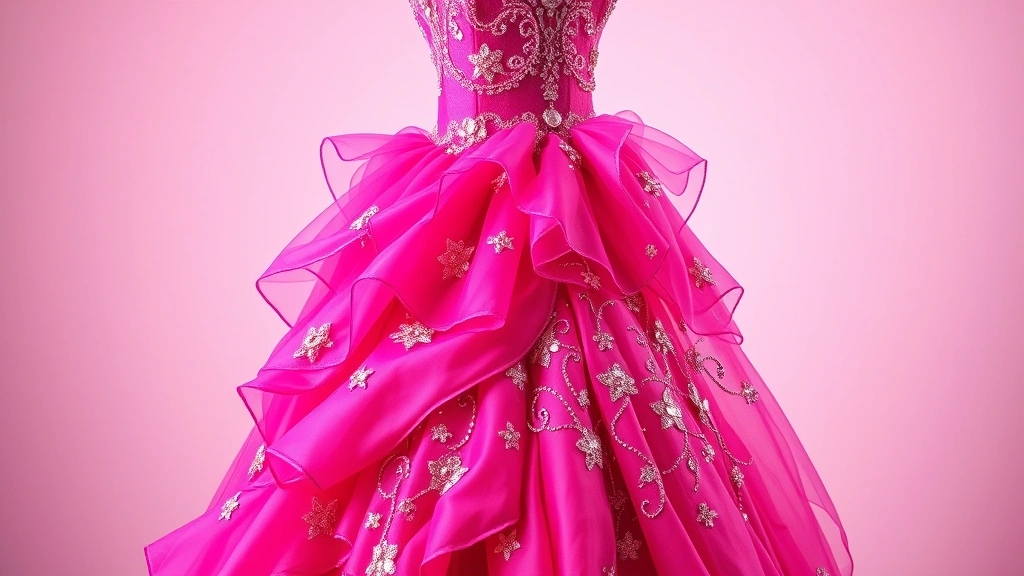
Professional costume designers working on Barbie projects employ several sophisticated techniques to achieve the fairytale aesthetic. Silhouette design becomes paramount—exaggerated proportions, flowing fabrics, and architectural shapes create visual interest and memorability. The use of embellishments, from sequins to intricate beading, adds depth and dimension that reads clearly even in animated form. Color selection becomes a character development tool, with specific hues associated with different emotional states and narrative moments.
The fairytale framework also allows for creative license with proportion and physics that wouldn’t work in live-action design. Barbie’s animated form can wear garments with impossible hems, gravity-defying silhouettes, and proportions that celebrate fashion illustration traditions. This creative freedom enables stylists to push beyond conventional design boundaries while maintaining the aspirational quality that makes Barbie’s wardrobe compelling. The result is a visual language where fashion becomes genuinely magical, where clothing transforms not just the wearer’s appearance but their entire narrative arc.
Color Theory and Psychological Impact
One of the most sophisticated aspects of Barbie’s styling involves the strategic application of color theory. Professional stylists understand that color communicates psychological information instantly—pink communicates femininity and playfulness, while gold suggests luxury and achievement. Barbie’s iconic association with hot pink represents intentional color psychology that has become so embedded in popular culture that the shade itself is sometimes called “Barbie pink.”
In the fashion fairytale context, color selection becomes even more nuanced and purposeful. A stylist designing Barbie’s gown for a ball scene might employ color progression throughout the narrative—beginning with soft pastels that suggest innocence and possibility, then transitioning to richer jewel tones that communicate confidence and transformation. This sophisticated color vocabulary allows animated fashion to convey emotional journeys that might otherwise require explicit dialogue.
The psychology of color extends to how audiences perceive Barbie’s various professional identities and style iterations. When Barbie appears as a fashion designer, her wardrobe typically incorporates cutting-edge colors and unexpected combinations that communicate creativity and innovation. When she embodies other professional roles, color choices reinforce those identities while maintaining her essential Barbie aesthetic. This demonstrates how fashion history and trends inform contemporary styling decisions across media formats.
Understanding color psychology in fashion styling provides practical applications for personal wardrobe development. The principles that stylists use to color-code Barbie’s various personas can inform how you select pieces that communicate your own identity, mood, and aspirations. Color becomes a language, and learning to speak it fluently transforms how you approach getting dressed.
Professional Stylist Techniques in Animation
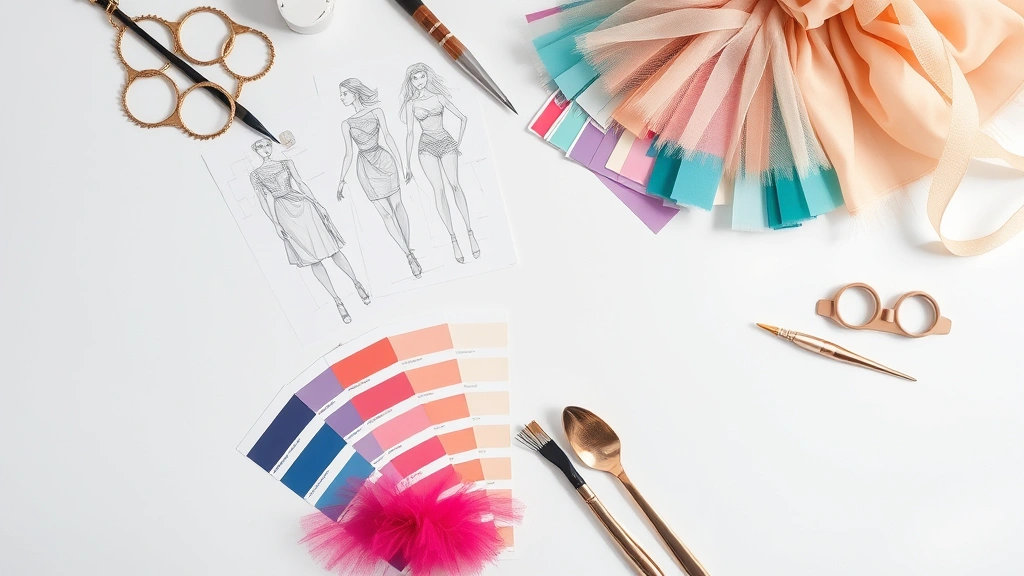
Creating Barbie’s fashion fairytale wardrobe requires specialized knowledge that bridges traditional costume design, fashion illustration, and animation production. Professional stylists working on these projects must understand how garments will appear in motion, how fabric textures render in digital animation, and how proportions read at various camera angles. This technical expertise combines with creative vision to produce wardrobes that feel both fantastical and somehow wearable.
One critical technique involves silhouette simplification without sacrificing visual interest. Animated garments must read clearly and distinctly, even from distance or in quick cuts. Stylists accomplish this through strategic use of contrast—pairing light fabrics with dark linings, combining matte textures with glossy accents, and employing bold color combinations that create visual separation. The goal is maximum impact with minimal visual confusion, a principle that translates directly to real-world styling and fashion blog recommendations for developing personal style.
Fabric selection in animation requires different thinking than live-action costume design. Rather than considering how fabric drapes on an actual body, animators and stylists must envision how that fabric will be drawn, rigged digitally, and animated across multiple scenes. Flowing chiffon might be simplified to elegant curves, while structured taffeta can be rendered with sharp, architectural lines. This creative translation process produces garments that are distinctly animated while maintaining recognizable fashion logic.
Accessorization represents another sophisticated stylist technique in Barbie’s animated world. Shoes, jewelry, handbags, and hair accessories receive the same thoughtful attention as primary garments. These elements communicate subtle character information—a character wearing practical flats versus impractical heels tells an entirely different story. Jewelry choices suggest economic status, cultural background, and personal taste. Hair accessories become narrative tools that audiences unconsciously read as character development markers.
Cultural Influence and Fashion Trends
Barbie’s fashion fairytale doesn’t exist in cultural isolation—it actively influences real-world fashion trends, designer inspiration, and consumer purchasing decisions. Fashion historians and trend forecasters recognize Barbie as a significant cultural force that shapes how people, particularly young people, conceptualize style, beauty, and self-presentation. When major fashion designers create collections inspired by Barbie, they’re engaging with decades of sophisticated style evolution that the character represents.
The bidirectional relationship between Barbie’s fashion and real-world trends demonstrates fashion’s fluid, interconnected nature. As contemporary fashion trends emerge, Barbie’s wardrobe evolves to reflect and celebrate those trends, which in turn reinforces their cultural prominence. This cyclical relationship means that understanding Barbie’s styling choices provides genuine insight into broader fashion movements, designer philosophies, and consumer preferences across decades.
Professional stylists and fashion educators increasingly recognize Barbie’s wardrobe as a legitimate subject of study and analysis. Vogue and other leading fashion publications have featured extensive analyses of Barbie’s style evolution, treating the animated character’s wardrobe with the same critical attention given to human fashion icons. This institutional recognition validates what fashion enthusiasts have intuitively understood: Barbie’s styling represents sophisticated design thinking worthy of serious study.
Museums and fashion institutions have begun collecting and exhibiting Barbie dolls specifically for their fashion historical significance. These exhibitions contextualize Barbie’s wardrobe within broader fashion history, demonstrating how the doll’s styling choices reflect and sometimes anticipate real-world fashion movements. This institutional validation transforms Barbie from novelty to cultural artifact, from toy to fashion historical document.
Modern Relevance and Contemporary Design
In contemporary fashion discourse, Barbie’s fairytale aesthetic maintains surprising relevance despite—or perhaps because of—the rise of minimalism, sustainability consciousness, and anti-fashion sentiment. The exuberant celebration of color, embellishment, and fantasy that characterizes Barbie’s style offers a counternarrative to austere design philosophy. Modern stylists increasingly recognize that aspiration and fantasy represent legitimate fashion values, not guilty pleasures to be apologized for.
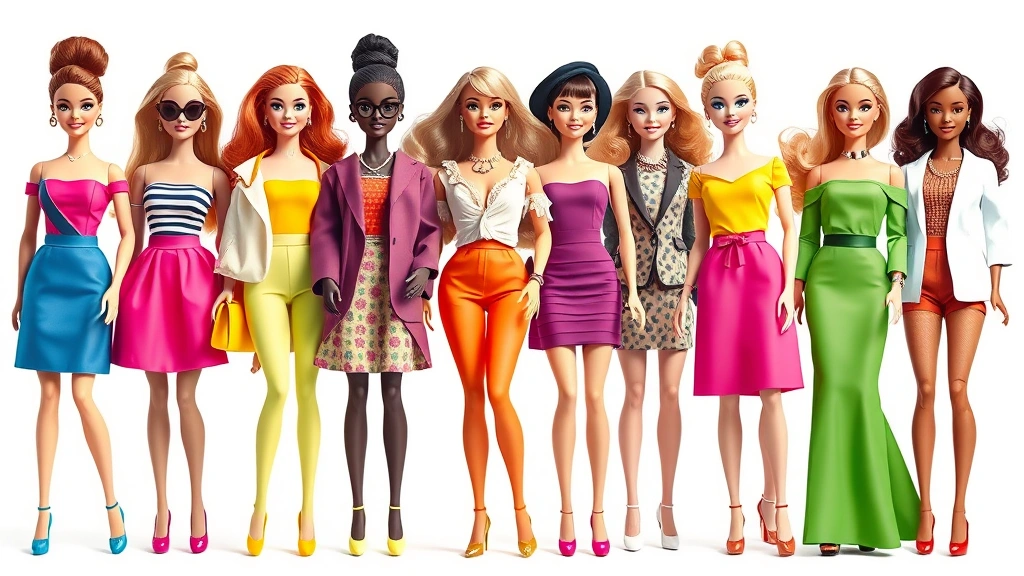
Contemporary Barbie fashion designs reflect modern sensibilities regarding inclusivity, body diversity, and expanded definitions of beauty. Modern stylists working on Barbie projects intentionally create wardrobes that celebrate different body types, skin tones, and style preferences. This evolution demonstrates how fashion design, even in the context of an iconic established character, can meaningfully respond to cultural conversations about representation and inclusion.
The intersection of Barbie’s fashion fairytale aesthetic with contemporary design movements creates fascinating possibilities for stylists and designers. How can you celebrate exuberant color and embellishment while respecting sustainability principles? How can you honor Barbie’s aspirational tradition while incorporating modern design sensibilities? These questions drive contemporary fashion innovation and provide frameworks for personal style development that feels both grounded and imaginative.
For those interested in deepening their understanding of fashion design principles and professional pathways, exploring the best fashion design schools provides structured education in these sophisticated concepts. Professional training in fashion design, color theory, and costume work builds the expertise that stylists employ when creating iconic wardrobes like Barbie’s.
FAQ
What makes Barbie’s fashion aesthetic timeless and continuously relevant?
Barbie’s fashion fairytale remains relevant because it celebrates fundamental design principles—beautiful color, flattering silhouettes, quality embellishment, and narrative coherence—that transcend specific trends. Professional stylists recognize that Barbie’s wardrobe, while fashion-forward, emphasizes enduring elegance alongside contemporary relevance. This balance between trend and timelessness provides a masterclass in sustainable personal style development.
How do professional stylists approach color selection for animated characters?
Stylists working in animation employ color psychology strategically, considering how colors will render digitally, read on screen, and communicate character information to audiences. Colors must work in isolation and in combination, maintain distinctiveness across scenes, and support narrative development. The principles used for Barbie’s animated wardrobe apply directly to real-world styling, where color selection communicates identity and emotion.
Can Barbie’s fashion design principles apply to real-world personal styling?
Absolutely. The silhouette clarity, color intentionality, accessorization thoughtfulness, and narrative coherence that characterize Barbie’s styling translate directly to personal wardrobe development. You can employ these professional stylist techniques to create a cohesive personal style that celebrates your identity and aspirations while maintaining practical wearability.
How has Barbie’s fashion evolved to reflect changing cultural values?
Barbie’s wardrobe has consistently evolved to reflect contemporary aesthetics, professional opportunities, and cultural conversations. From 1960s mod fashion to contemporary sustainable design awareness, Barbie’s styling choices demonstrate fashion’s responsive relationship to broader cultural movements. This evolution illustrates how style functions as cultural communication.
What professional disciplines contribute to creating Barbie’s fashion fairytale wardrobe?
Creating Barbie’s wardrobe requires expertise in costume design, fashion illustration, color theory, animation production, textile selection, and narrative storytelling. Professional stylists must understand fashion history, contemporary trends, character development, and technical animation requirements. This interdisciplinary approach produces wardrobes that function simultaneously as fashion statements, narrative tools, and aspirational inspiration.