Revamp Your Wardrobe: 90s Men’s Fashion Tips
The 1990s represented a pivotal moment in men’s fashion history, a decade where rebellion met sophistication and streetwear challenged high fashion conventions. From grunge-inspired flannel shirts to oversized silhouettes and minimalist aesthetics, the 90s created a diverse fashion landscape that continues to influence contemporary style today. Whether you’re nostalgic for the era or discovering its appeal for the first time, understanding 90s men’s fashion offers valuable insights into creating a wardrobe that feels both authentic and timeless.
What makes 90s fashion particularly relevant today is its emphasis on individuality and self-expression. The decade rejected the rigid fashion rules of the 1980s, instead championing a “do your own thing” mentality that resonates with modern style-conscious men. This guide will walk you through the essential elements, iconic pieces, and styling strategies to authentically incorporate 90s men’s fashion into your contemporary wardrobe, ensuring you capture the era’s spirit without looking like you’re stuck in a time capsule.
Understanding the 90s Fashion Movement
To truly master 90s men’s fashion, you must first understand the cultural context that shaped it. The decade emerged from the excess of the 1980s, with designers and everyday men seeking a more authentic, less ostentatious approach to style. Three distinct movements defined the era: grunge from Seattle, minimalism from high fashion runways, and hip-hop culture from urban centers. Each movement had its own aesthetic philosophy, yet they coexisted and often influenced one another, creating a rich tapestry of style options.
The grunge movement, epitomized by bands like Nirvana and Pearl Jam, rejected materialism and embraced thrift-store finds and worn-in clothing. Simultaneously, Japanese designers like Issey Miyake and Rei Kawakubo were deconstructing fashion, creating pieces that emphasized function over flash. Meanwhile, hip-hop artists were elevating streetwear to an art form, introducing oversized silhouettes, bold logos, and athletic-inspired pieces that would eventually become mainstream fashion. Understanding these parallel movements helps you appreciate why 90s fashion feels so versatile and personally expressive.
When exploring the complete fashion history timeline, you’ll notice how the 90s served as a turning point where fashion became less about what designers dictated and more about what individuals chose to wear. This democratization of style created an environment where thrift-store finds could sit alongside luxury pieces, and authenticity trumped brand names. This philosophy remains incredibly relevant for modern men seeking to develop a distinctive personal aesthetic.
Essential 90s Wardrobe Pieces
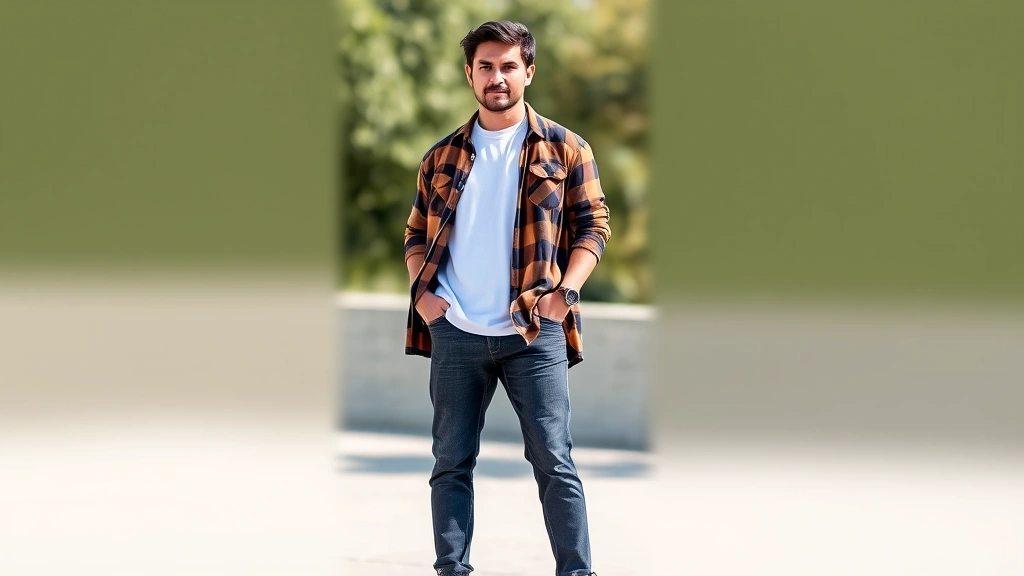
Building a 90s-inspired wardrobe requires understanding which pieces are absolutely essential to the aesthetic. The foundation of any 90s men’s closet includes oversized flannel shirts, typically in earth tones or contrasting color combinations. These shirts should be large enough to wear unbuttoned over a plain white or band t-shirt, creating that effortlessly cool layered look the decade perfected. Pair them with straight-leg or slightly tapered jeans in dark indigo or black, avoiding the extremely baggy silhouettes that dominated hip-hop fashion unless you’re specifically channeling that particular aesthetic.
Slip-on shirts and unstructured blazers are equally important, offering a way to dress up 90s pieces for more formal occasions. These blazers should be oversized but not exaggerated, typically in neutral colors like khaki, gray, or black. The beauty of 90s fashion lies in its ability to mix casual and dressy pieces seamlessly. A vintage band t-shirt paired with tailored trousers and Chelsea boots creates an outfit that feels authentically 90s while remaining appropriate for various settings. Visit our guide on types of fashion styles to understand how 90s aesthetics fit into the broader fashion landscape.
Cargo pants and tactical wear also emerged as significant elements during this period, though they require careful styling to avoid looking costumey. The key is choosing cargo pieces in muted colors and pairing them with simple tops. Wide-leg trousers in neutral tones offer another essential piece, providing comfort and visual interest without the casual edge of jeans. Building these foundational pieces creates a wardrobe that captures the 90s spirit while remaining versatile enough for contemporary life.
Styling the Grunge Aesthetic
Grunge represents perhaps the most iconic 90s men’s fashion aesthetic, and styling it authentically requires understanding its philosophy of deliberate casualness. The grunge look isn’t about looking sloppy; it’s about appearing as though you didn’t try too hard, even though considerable thought goes into the composition. Start with oversized flannel shirts as your anchor piece, choosing patterns that feel slightly chaotic—think overlapping plaids or unexpected color combinations. Layer this with a simple white or gray t-shirt underneath, allowing the t-shirt to peek through at the neckline and sleeves.
Pair your flannel shirt with straight-leg or slightly tapered jeans in dark wash, preferably with visible wear or intentional distressing. The grunge aesthetic actually celebrates imperfection, so vintage jeans with natural fading and small tears are ideal. Complete the look with chunky boots—Doc Martens are the quintessential choice, though other heavy-soled options work equally well. The overall silhouette should feel relaxed and slightly oversized, but not drowning in fabric. This balance separates authentic grunge styling from costume-like interpretations.
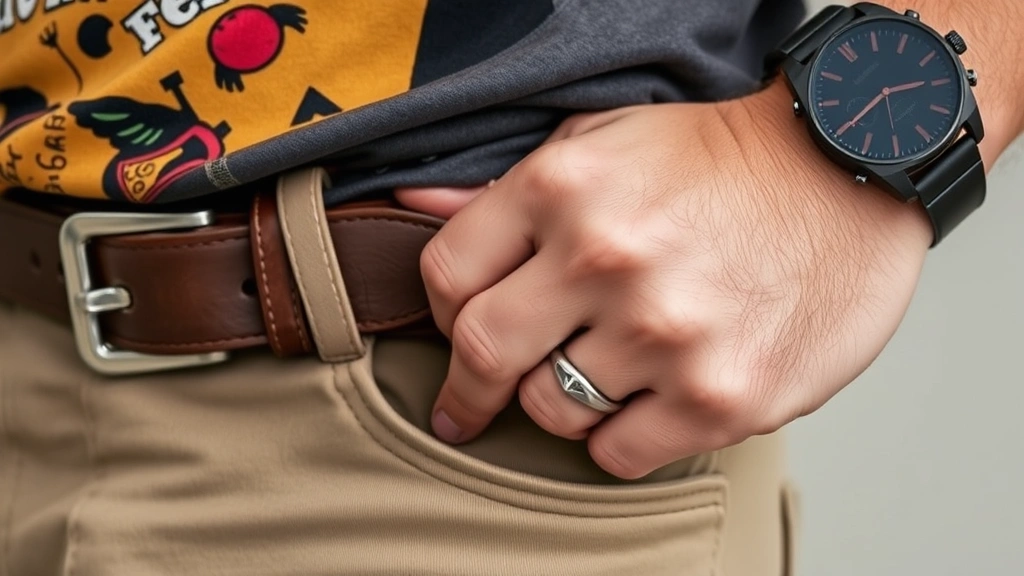
Accessories play a crucial role in completing the grunge aesthetic. A simple flannel or wool beanie, even in warmer months, became iconic during the 90s. Worn-in leather belts, simple silver jewelry, and vintage band t-shirts all contribute to the overall aesthetic. Importantly, grunge fashion values authenticity over trends, so thrifting for genuine vintage pieces rather than new items made to look vintage creates a more convincing aesthetic. Learning to find your personal style is crucial when adopting grunge, as the best versions of this aesthetic feel genuinely reflective of individual taste.
Minimalism and Clean Lines
While grunge dominated popular culture, minimalism was simultaneously reshaping high fashion and influencing streetwear. This 90s men’s fashion approach emphasizes clean lines, neutral color palettes, and the principle that less is more. Minimalist styling features simple t-shirts, monochromatic outfits, and structured pieces without excessive ornamentation. The beauty of this aesthetic lies in its timelessness and versatility—minimalist pieces from the 90s remain contemporary today because they prioritize quality and simplicity over trends.
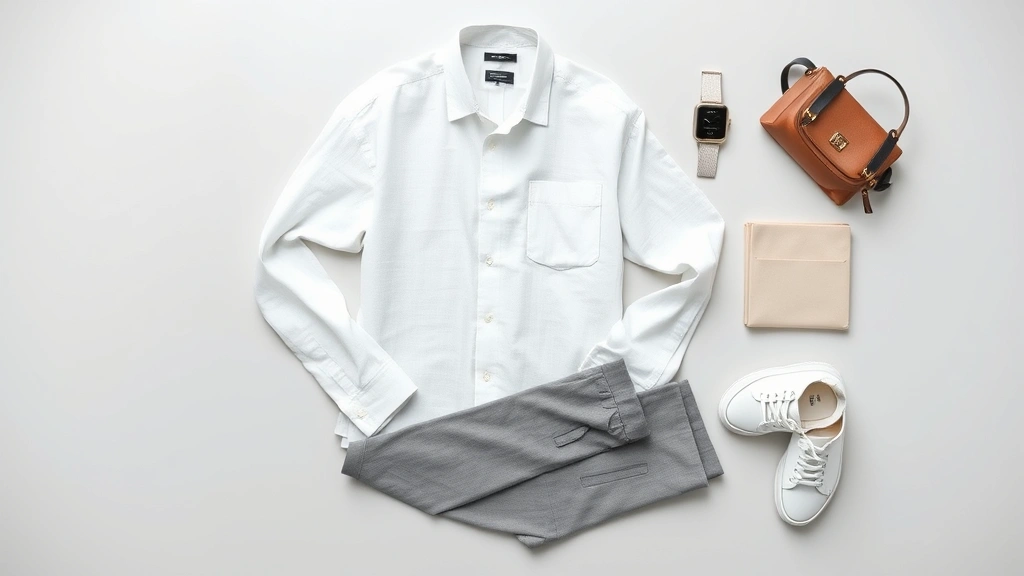
Building a minimalist 90s wardrobe begins with investing in quality basics: crisp white shirts, perfectly fitted neutral t-shirts, and well-constructed trousers in black, gray, or navy. The silhouettes should be intentional but not extreme—avoiding both the oversized proportions of grunge and the fitted silhouettes of other decades. Neutral color palettes form the foundation, though minimalism permits subtle texture variation through fabrics like linen, cotton, and wool. A minimalist 90s outfit might feature a simple white t-shirt, tailored gray trousers, and white sneakers—an outfit that feels effortlessly sophisticated.
Layering remains important in minimalist styling, but it’s achieved through subtle means. A simple cardigan over a t-shirt, or a linen shirt worn open over a plain tank, creates visual interest without abandoning minimalist principles. Accessories in minimalist 90s fashion are pared down to essentials: a simple watch, understated jewelry, and practical footwear. This approach to styling teaches valuable lessons about quality over quantity and the power of restraint—principles that remain fundamental to contemporary men’s fashion.
Streetwear and Hip-Hop Influence
Hip-hop culture profoundly influenced 90s men’s fashion, introducing silhouettes and styling approaches that eventually became mainstream. This aesthetic celebrates oversized proportions, bold branding, athletic-inspired pieces, and a confident attitude toward fashion. The hip-hop influence on 90s men’s fashion brought tracksuits, baggy jeans, oversized jerseys, and chunky sneakers into mainstream consciousness, creating a distinct style that contrasted sharply with both grunge and minimalism while coexisting peacefully with both.
Styling the hip-hop-influenced 90s look requires confidence and understanding proportion. Oversized baggy jeans should sit lower on the hips, paired with oversized t-shirts or jerseys—often featuring sports teams, rap labels, or streetwear brands. The key to making this aesthetic work today is choosing pieces that feel intentional rather than accidentally oversized. Vintage athletic wear, including tracksuits in velour or nylon, creates authentic hip-hop inspired outfits when paired with classic chunky sneakers. Brands like Tommy Hilfiger, FUBU, and Polo Ralph Lauren became symbols of this era, though contemporary streetwear brands capture similar energy.
Accessories transform hip-hop-influenced 90s outfits from casual to complete. Oversized chain necklaces, chunky rings, and statement hats all featured prominently in this aesthetic. Baseball caps, often worn backwards or at angles, became iconic symbols of the era. The hip-hop influence also introduced the concept of “stunting”—wearing expensive, visible branding as a form of self-expression and success. While contemporary fashion has moved beyond obvious logo-wearing, understanding this aspect of 90s hip-hop style helps appreciate the cultural significance of brand visibility during this period.
Color Palettes and Textures
The 90s revolutionized men’s fashion by expanding acceptable color palettes beyond the traditional neutrals and dark tones that had dominated previous decades. While neutral colors remained foundational, the 90s introduced earthy tones, muted jewel tones, and unexpected color combinations that felt fresh and innovative. Understanding the appropriate color palette for your chosen 90s aesthetic is crucial for authentic styling. Grunge typically favors earth tones—olive, mustard, rust, forest green, and warm grays—often combined in the same outfit. Minimalism works exclusively with neutrals: black, white, gray, beige, and navy. Hip-hop influenced fashion embraces brighter colors and bold combinations, though still within a cohesive palette.
Texture played an equally important role in 90s men’s fashion, adding visual interest and depth to outfits. Flannel, denim, corduroy, and wool defined the grunge aesthetic through their inherent texture and tactile quality. Minimalism favored smooth, refined textures: fine cotton, linen, and high-quality wool. Hip-hop influenced pieces often featured contrasting textures—velour against nylon, for example—creating visual dynamism. Incorporating varied textures prevents 90s-inspired outfits from feeling flat or costume-like. A gray wool sweater worn over a textured white t-shirt, paired with corduroy trousers, creates an outfit rich in visual interest while remaining cohesive.
The interplay between color and texture allowed 90s fashion to feel simultaneously bold and refined. A rust-colored flannel shirt over a forest green t-shirt, paired with dark denim, creates an outfit that feels authentically 90s through both color choice and textural variety. Understanding how to layer colors and textures prevents your 90s-inspired wardrobe from feeling dated or costume-like. Modern interpretations of 90s fashion often succeed because they maintain this balance between bold choices and refined execution.
Footwear That Defines the Decade
Footwear represents one of the most recognizable elements of 90s men’s fashion, with specific shoe styles becoming iconic symbols of the era. Doc Martens, the heavy-soled lace-up boots originally designed for work, became synonymous with grunge and alternative fashion. These boots offered both practical durability and visual statement-making, fitting perfectly with the decade’s ethos of authenticity over aesthetics. Wearing Doc Martens communicated cultural allegiance and fashion sensibility, making them essential to any grunge-inspired wardrobe.
Beyond Doc Martens, the 90s embraced chunky sneakers that contrasted with the sleek athletic shoes of previous decades. Nike Air Force Ones, Timberland boots, and Adidas Stan Smiths became ubiquitous, each carrying different cultural associations. Air Force Ones connected to hip-hop culture, while Timberlands offered rugged authenticity, and Stan Smiths appealed to minimalist sensibilities. The variety of iconic footwear options available during the 90s reflects the decade’s diversity of style movements, with different shoe choices communicating different aesthetic affiliations.
Chelsea boots and simple leather loafers provided options for dressing up 90s pieces, offering a way to wear grunge or streetwear elements in more formal settings. Vintage sneakers, whether Converse or Vans, completed casual outfits with understated cool. The key to footwear in 90s men’s fashion is choosing pieces that feel authentic to your chosen aesthetic rather than mixing incompatible styles. A minimalist outfit requires different shoes than a grunge-inspired look, and hip-hop influenced styling demands yet another approach. Investing in quality footwear from the era—or contemporary pieces that capture the same spirit—creates a foundation for authentic 90s-inspired styling.
Accessories and Details
Accessories distinguish competent 90s styling from exceptional 90s styling, adding personality and completing outfits with intentionality. Beanies, whether wool or knit, became iconic elements of 90s fashion, worn by everyone from grunge musicians to minimalist designers. These hats served practical purposes while making bold style statements, often in neutral colors that complemented any aesthetic. Bucket hats, borrowed from 90s hip-hop culture, offered another accessory option that remains contemporary today. The key to accessorizing 90s-style is maintaining coherence with your chosen aesthetic—a grunge outfit looks different accessorized than a minimalist one.
Jewelry in 90s men’s fashion ranged from minimalist to bold, depending on the aesthetic. Grunge and minimalism typically embraced understated jewelry: simple silver rings, basic necklaces, and practical watches. Hip-hop influenced fashion, conversely, celebrated statement jewelry: oversized chains, thick rings, and prominent branding. Sunglasses, particularly styles like oval frames or sporty wraparounds, completed many 90s outfits. Vintage band merchandise—t-shirts, patches, and other memorabilia—added authentic touches to grunge-inspired looks, communicating genuine interest in music culture rather than superficial trend-following.
Belts served both functional and aesthetic purposes in 90s men’s fashion. Simple leather belts in brown or black worked for all aesthetics, while canvas or chain belts added personality to streetwear-inspired outfits. Bags and backpacks, often in utilitarian styles or featuring minimal branding, completed 90s looks while serving practical purposes. The philosophy underlying 90s accessorizing emphasizes intentionality and authenticity—every piece should feel genuinely chosen rather than randomly assembled. This approach to accessories prevents 90s-inspired outfits from feeling costume-like or overly referential.
Modernizing Vintage Pieces
Incorporating authentic 90s pieces into a contemporary wardrobe requires understanding how to modernize vintage elements without losing their essential character. Thrifting for genuine vintage pieces offers advantages over purchasing new items made to look vintage—authentic wear and manufacturing details communicate a different aesthetic than manufactured distressing. When shopping vintage, look for quality construction, interesting details, and pieces that genuinely appeal to you rather than selecting items solely because they’re “90s.” The most successful 90s-inspired outfits combine genuine vintage pieces with contemporary items, creating a balanced aesthetic that feels current rather than costume-like.
Styling vintage 90s pieces alongside modern items prevents outfits from feeling dated or overly referential. A genuine vintage flannel shirt paired with contemporary well-fitted jeans and modern sneakers creates an outfit that honors 90s aesthetics while remaining contemporary. Similarly, a vintage band t-shirt styled with tailored modern trousers and contemporary footwear feels fresh and intentional. The key to modernizing vintage 90s pieces is avoiding the trap of dressing entirely in era-specific clothing, which reads as costume rather than personal style. Strategic mixing of vintage and contemporary pieces creates outfits that feel authentically inspired by the 90s while remaining grounded in present-day fashion.
Understanding fit represents another crucial element of modernizing vintage 90s pieces. The oversized silhouettes that defined the era can feel overwhelming in contemporary styling unless intentionally balanced. Pairing an oversized vintage flannel shirt with well-fitted modern jeans creates a cohesive silhouette that honors the original aesthetic while feeling current. Similarly, taking authentic 90s pieces to a tailor for minor adjustments—hemming, tapering, or adjusting proportions—allows you to maintain their vintage character while achieving a more contemporary fit. This approach respects the original aesthetic while adapting it to modern proportions and styling sensibilities.
When exploring how to incorporate 90s fashion into your personal style, consider consulting the 90s fashion guide for additional inspiration and context. Additionally, understanding broader style categories and movements helps position 90s fashion within the larger fashion landscape, making it easier to integrate into your personal aesthetic. The Style Loom Daily blog regularly features contemporary takes on vintage aesthetics, offering practical styling inspiration for modernizing 90s pieces.
FAQ
How can I wear 90s fashion without looking like a costume?
The key to authentic 90s styling is intentionality and balance. Combine genuine vintage pieces with contemporary items, avoid wearing exclusively 90s-specific clothing, and ensure your outfit reflects your personal aesthetic rather than simply referencing the era. Quality construction and proper fit matter more than accumulating 90s pieces. Focus on understanding the philosophy behind 90s fashion—authenticity, individuality, and self-expression—rather than simply copying specific outfits.
What’s the difference between grunge and minimalist 90s fashion?
Grunge embraces oversized proportions, visible texture, earth tones, and a deliberately worn aesthetic, celebrating imperfection and authenticity. Minimalism, conversely, emphasizes clean lines, neutral palettes, quality construction, and refined simplicity. Both movements rejected 1980s excess but from different philosophical perspectives. Grunge says “I’m authentic and imperfect,” while minimalism says “I’m intentional and refined.” Both remain valid approaches to 90s-inspired styling.
Where should I shop for authentic 90s pieces?
Thrift stores, vintage shops, and online platforms like Depop and Grailed offer authentic 90s pieces. When shopping, focus on quality construction, genuine vintage wear, and pieces that genuinely appeal to you. Avoid new items manufactured to look vintage, which lack the authenticity of genuine period pieces. Building relationships with local vintage shops often yields better finds than random thrifting sessions.
Can I wear 90s fashion to formal occasions?
Absolutely. 90s men’s fashion included sophisticated pieces like unstructured blazers, slip-on shirts, and tailored trousers that work beautifully for formal occasions. Pair vintage band t-shirts with tailored trousers and quality footwear, or style oversized blazers with simple shirts and dress pants. The key is balancing casual 90s elements with refined pieces, creating outfits appropriate for specific contexts.
What are the most essential 90s pieces for building a wardrobe?
Start with oversized flannel shirts, straight-leg jeans in dark wash, simple t-shirts, and quality boots like Doc Martens or Chelsea boots. Add an unstructured blazer, neutral trousers, and versatile sneakers. These foundational pieces work across all 90s aesthetics—grunge, minimalism, and hip-hop influenced fashion. From this foundation, add pieces that align with your preferred aesthetic and personal style preferences.
How do I style oversized pieces without looking sloppy?
Oversized proportions require intentional balance. Pair oversized tops with well-fitted bottoms, or vice versa. Ensure oversized pieces are actually oversized rather than accidentally ill-fitting, with intentional seams and construction. Tuck oversized shirts strategically, layer thoughtfully, and balance proportions throughout the outfit. Proper fit in other pieces—shoes, belts, and accessories—prevents oversized elements from overwhelming the overall silhouette.
Are there contemporary brands capturing 90s aesthetics?
Yes, many contemporary brands draw inspiration from 90s fashion. Brands like Carhartt WIP, Stüssy, and Vans maintain connections to 90s streetwear culture. Higher-end designers frequently reference 90s minimalism and deconstruction. However, shopping vintage remains the most authentic approach to 90s fashion, offering genuine period pieces with character that contemporary reproductions struggle to replicate.
How can I incorporate 90s fashion into a professional wardrobe?
Select refined 90s pieces like unstructured blazers, neutral trousers, and quality footwear. Avoid overly casual grunge elements in professional settings, instead focusing on minimalist approaches to 90s fashion. A simple t-shirt under a tailored blazer, paired with dress pants and Chelsea boots, creates a look that honors 90s aesthetics while remaining professional. The key is choosing pieces that balance personal style with workplace appropriateness.