70s Disco Fashion: Expert Styling Guide
The 1970s disco era remains one of fashion’s most exuberant and transformative periods. This golden age of glamour, music, and self-expression birthed iconic silhouettes and bold aesthetics that continue to influence contemporary style today. Whether you’re drawn to the sequined extravagance of Studio 54 or the groovy sophistication of disco’s early years, understanding 70s disco fashion opens doors to creating show-stopping outfits that celebrate confidence and creativity.
Disco fashion wasn’t merely about clothing—it was a cultural movement that democratized luxury and made glamour accessible to everyone. The era championed individuality, sensuality, and the freedom to experiment with color, texture, and silhouette in ways previously considered taboo. From platform shoes to jumpsuits, from metallic fabrics to elaborate jewelry, every element served a purpose: to catch the light, command attention, and celebrate the body with unapologetic joy.
This comprehensive guide explores the essential elements of disco fashion, providing expert styling tips to help you master this legendary aesthetic. Whether you’re preparing for a themed event or simply want to incorporate disco elements into your everyday wardrobe, you’ll discover how to authentically channel this era’s spirit while maintaining modern sophistication.
The History and Cultural Significance of Disco Fashion
Disco fashion emerged from the underground dance clubs of 1970s New York, where African American, Latino, and LGBTQ+ communities created spaces of liberation and self-expression. What started as a counterculture movement quickly became a global phenomenon, fundamentally reshaping how people approached personal style. Understanding this rich history helps contextualize why disco fashion remains culturally significant and why its principles resonate across generations.
The aesthetic developed as a direct response to the restrictive fashion norms of previous decades. While the 1960s had introduced mini skirts and bold prints, the 1970s took liberation further by celebrating the body, embracing sexuality, and rejecting conformity entirely. Disco fashion gave marginalized communities a visual language to express their identities proudly. The complete fashion history timeline documents how disco represented a pivotal shift from traditional hierarchies to democratic style.
The movement peaked between 1975 and 1979, though its influence extended throughout the early 1980s. Studio 54, the legendary Manhattan nightclub, became the epicenter of disco culture, where celebrities, artists, and fashion icons gathered to celebrate through dance and fashion. The club’s selective door policy created an aura of exclusivity, yet paradoxically, disco fashion itself was about inclusion—inviting everyone to express themselves through bold, uninhibited style choices.
Exploring types of fashion styles reveals how disco occupies a unique position as both a historical period and a recurring aesthetic choice. Modern designers consistently draw inspiration from disco’s fearless approach to color, texture, and silhouette, proving that this era’s principles transcend time.
Essential Disco Silhouettes and Garments
The disco wardrobe centers on specific silhouettes designed to move beautifully under the glow of dance floors and strobe lights. These garments share common characteristics: they’re figure-flattering, movement-friendly, and crafted from fabrics that catch and reflect light. Mastering these essential pieces allows you to build authentic disco looks with confidence.
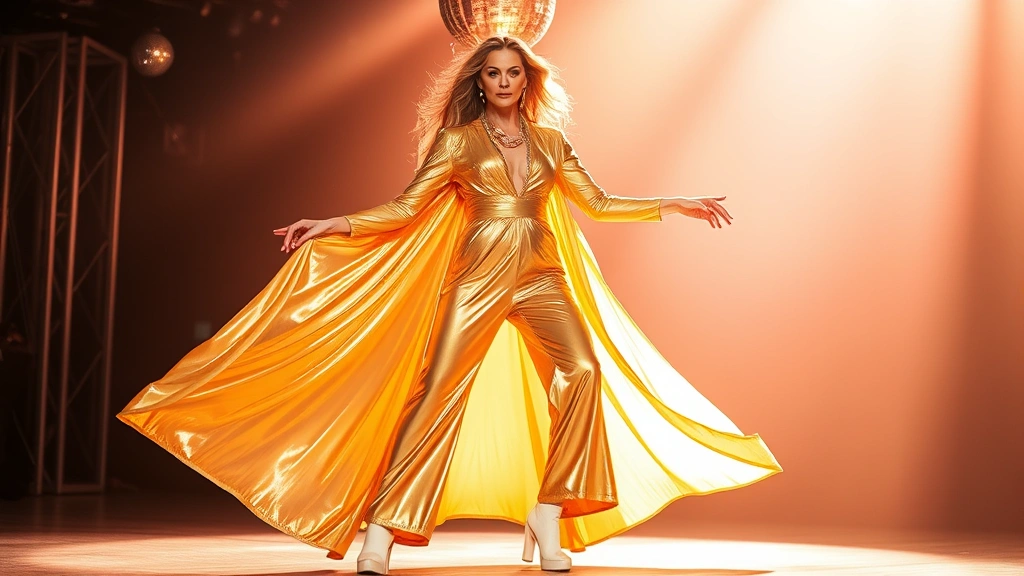
Jumpsuits and Catsuits represent the quintessential disco garment. These one-piece wonders offer elegance and practicality, allowing dancers to move freely while maintaining a sleek, cohesive silhouette. The best disco jumpsuits feature wide legs, a fitted bodice, and often plunging necklines. Metallic versions in gold, silver, or bronze create maximum visual impact, while solid jewel tones offer sophisticated alternatives. Catsuits, form-fitting from neck to toe, provided a more daring option that emphasized the body’s natural curves.
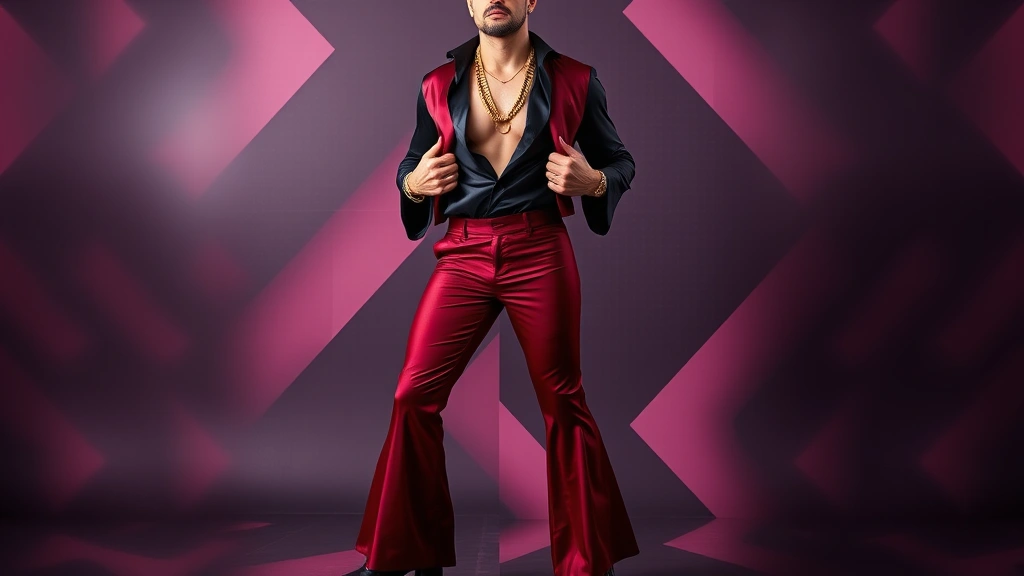
Flared Trousers and Bell Bottoms dominated disco dressing, particularly for men’s fashion. These pants featured dramatically widened legs that began at the knee, creating a silhouette that moved beautifully when dancing. High waistbands and fitted hips created flattering proportions. Women wore similar styles, often paired with crop tops or bustiers to balance the voluminous leg. The wider the flare, the more authentically disco the look—some versions extended to nearly 24 inches at the hem.
Hot Pants and Shorts provided a more provocative option, celebrating the legs and often paired with thigh-high boots. These ultra-short shorts, typically made from satin, lamé, or sequined fabric, represented disco’s sensual confidence. Worn with fishnet stockings or bare legs, hot pants created bold, eye-catching looks perfect for the dance floor.
Tunics and Wrap Tops offered sophisticated layering options. These loose, flowing garments draped beautifully and could be belted at the waist for definition. Often featuring bold prints, geometric patterns, or solid jewel tones, tunics bridged casual and formal disco wear.
Vests and Waistcoats, particularly those made from leather, suede, or sequined fabric, added dimension to disco outfits. Worn over bare chests or simple shirts, vests created striking silhouettes and allowed for creative layering. Fringed vests added movement and texture, catching light as the wearer danced.
Learning to find your personal style within the disco framework means selecting silhouettes that flatter your body type while honoring the era’s aesthetic principles. Some people feel most confident in jumpsuits, while others prefer the leg-baring appeal of hot pants. Both approaches authentically represent disco fashion.
Color Palettes and Fabric Selection
Disco fashion embraced color with unprecedented boldness. The era rejected subtle, muted tones in favor of jewel tones, metallics, and high-impact brights. Understanding the color psychology behind disco fashion helps create looks that truly capture the era’s spirit.
Jewel Tones formed the foundation of sophisticated disco dressing. Deep emerald green, sapphire blue, ruby red, and amethyst purple created elegant, luxurious effects. These colors worked beautifully with metallic accents and reflected light magnificently under disco balls. Jewel tones offered a more refined alternative to neon brights while maintaining the era’s signature boldness.
Metallics and Lurex defined disco’s most iconic looks. Gold, silver, and bronze fabrics caught light from every angle, making wearers shimmer as they moved. Lamé, a fabric with metallic threads woven throughout, became synonymous with disco glamour. Sequins added even more sparkle, creating garments that literally glowed under club lighting.
Black and White Combinations provided striking contrast. While disco celebrated color, the graphic simplicity of black and white created bold, modern looks. Geometric patterns combining these colors—think Op-Art inspired designs—aligned perfectly with the era’s aesthetic evolution.
Earth Tones with Metallic Accents offered a more wearable approach to disco styling. Caramel, bronze, chocolate, and copper tones felt rich and sophisticated, particularly when paired with gold jewelry and metallic fabrics. This palette suited daytime disco-inspired looks and felt less costume-like than all-sequin options.
Neon and Bright Brights represented disco’s most daring color choices. Electric blue, hot pink, lime green, and vibrant orange created eye-popping combinations. These colors demanded confidence but delivered undeniable impact, particularly in printed fabrics or solid pieces worn as statement items.
Regarding fabrics, disco favored materials with inherent shine and movement. Satin, silk, polyester blends, and synthetics dominated because they reflected light beautifully. Sequins and beading added texture and sparkle. Leather and suede, often in bold colors, brought edge and sophistication. Chiffon and jersey provided drape for flowing garments. The key was selecting fabrics that moved fluidly and caught light, avoiding matte finishes that would disappear under club lighting.
Footwear and Platform Shoes
Platform shoes represent perhaps disco’s most instantly recognizable element. These elevated shoes served both practical and aesthetic purposes: they elongated the leg line, added height for dramatic effect, and created visual impact on dance floors. Understanding platform shoe styling is essential for authentic disco fashion.
Classic Platform Boots rose to mid-calf or knee height, featuring stacked heels and thick platforms ranging from 2 to 4 inches. These boots, often in white, black, red, or metallic finishes, paired beautifully with bell bottoms, hot pants, or jumpsuits. Knee-high versions with side zippers created sleek silhouettes, while lace-up styles added edge.
Platform Pumps and Heels offered elegant alternatives for more formal disco occasions. Chunky heels and platforms kept them stable and wearable, while pointed or rounded toes created different aesthetic effects. Metallic, sequined, or patent leather versions maximized the disco aesthetic.
Platform Sandals provided surprisingly practical disco footwear. Strappy designs in metallic or jewel-toned finishes worked beautifully with jumpsuits or hot pants. Some featured thick soles with minimal strapping, creating bold, architectural silhouettes.
Disco Shoes in Unexpected Colors demonstrated the era’s fearlessness. Bright red, hot pink, electric blue, and even holographic finishes made shoes statement pieces rather than supporting elements. The goal was visibility and impact—shoes should be noticed and celebrated.
Modern styling tip: Platform shoes can feel heavy or costume-like if overdone. Pair dramatic platforms with simpler silhouettes, or balance them with streamlined proportions. A pair of classic black platform boots works with contemporary pieces as easily as vintage disco wear, making them a worthwhile investment for anyone interested in StyleLoom Daily Blog fashion recommendations.
Jewelry and Accessories
Disco jewelry embraced maximalism wholeheartedly. The era’s philosophy suggested that more was better—more sparkle, more shine, more visual interest. Jewelry didn’t simply accent outfits; it became an integral part of the disco aesthetic.
Statement Necklaces dominated disco dressing. Chunky chains in gold or silver, often mixed metals, hung prominently against bare chests or simple tops. Multi-strand pearl necklaces, inspired by glamorous nightclub culture, created elegant volume. Pendant necklaces featuring large gemstones or geometric shapes added focal points to outfits.
Chandelier Earrings framed the face and moved beautifully as wearers danced. Long, dangling designs in gold, silver, or crystal created movement and caught light. Smaller stud options allowed hair to take center stage, while larger statement versions became focal points themselves.
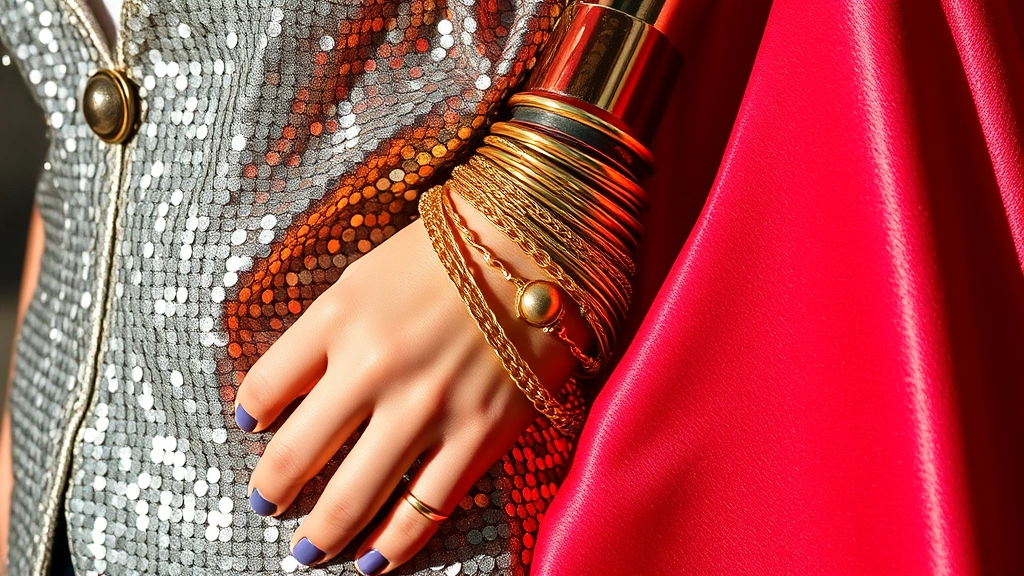
Bracelets and Bangles stacked the wrists in abundance. Gold bangles, often worn by the dozen, clinked together as the wearer moved. Metallic cuff bracelets, sometimes incorporating crystals or gems, added weight and presence. The goal was creating visual interest and sound—the jangling of bracelets added to disco’s sensory experience.
Body Chains represented disco’s most daring accessory choice. These delicate chains draped across bare chests or backs, creating geometric patterns against the body. Gold and silver versions worked beautifully with jumpsuits or catsuits, adding sophistication and sensuality.
Belts and Waist Chains defined silhouettes and added decorative interest. Wide, ornate belts cinched jumpsuits at the waist, creating dramatic proportions. Chain belts, sometimes hanging low on the hips, added movement and caught light beautifully.
Bags and Clutches completed disco looks with practical glamour. Small, structured clutches in metallic finishes or beaded fabrics held essentials without disrupting silhouettes. Shoulder bags with long chains allowed hands-free dancing. The key was selecting bags that complemented rather than overwhelmed outfits.
Hair and Makeup Mastery
Disco beauty standards emphasized drama, volume, and shine. Hair and makeup completed the look, transforming everyday features into glamorous disco statements. These beauty choices required confidence and commitment but delivered undeniable impact.
Hair Styling focused on volume and movement. The afro, worn naturally full and round, celebrated Black beauty and became iconic. The blow-dried, feathered look created soft volume around the face. Tight curls, achieved through perms or hot rollers, added texture and bounce. Long, straight hair got styled with center parts and subtle waves. The common thread was movement—hair should move and flow as the wearer danced. Headbands, hair clips, and decorative combs added glamorous finishing touches.
Makeup embraced theatrical boldness. Eyeshadow came in shimmery golds, silvers, and jewel tones, applied liberally across the lid and brow bone. Thick black eyeliner created dramatic eyes, often with heavy mascara. Eyebrows stayed natural but well-groomed. Blush, applied generously to the apples of the cheeks, created a youthful glow. Lips ranged from nude to bold reds and corals, always with a glossy finish for shine.
Glitter and Shine elevated disco beauty. Glitter eyeshadow, applied wet for maximum adhesion, caught light spectacularly. Body glitter dusted across shoulders and décolletage added sparkle. Some devotees applied glitter to cheekbones or temples for extra glamour. The goal was catching light from every angle, literally glowing on the dance floor.
Grooming Standards emphasized smooth skin and well-maintained features. Facial hair, for men, ranged from clean-shaven to well-groomed mustaches or beards. Women maintained smooth legs and underarms. Nails, often long and manicured, completed polished looks. Some wore press-on nails in jewel tones or metallic finishes for added drama.
Modern Disco Styling Tips
Incorporating disco fashion into contemporary wardrobes requires balance and intention. The goal is channeling the era’s spirit without appearing costume-like or dated. Modern disco styling celebrates the era’s boldness while maintaining current sophistication.
The Subtle Approach starts with one disco element—perhaps a metallic jumpsuit styled with minimal jewelry and contemporary shoes. Or wear vintage bell bottoms with a simple modern top and understated accessories. This method introduces disco aesthetics gradually, allowing you to test comfort levels and refine your personal interpretation.
The Statement Piece Strategy selects one showstopping disco item—a sequined vest, metallic pants, or platform boots—and builds contemporary outfits around it. Pair a sequined vest with modern jeans and a white tee. Style platform boots with contemporary black trousers and a blazer. This approach honors disco’s boldness while maintaining modern credibility.
Color and Texture Mixing creates sophisticated disco looks. Instead of all-metallic ensembles, combine one metallic piece with jewel-toned basics. Layer textures—pair satin with knit, leather with lace. This complexity feels contemporary while celebrating disco’s sensory richness.
Proportional Balance prevents disco looks from overwhelming modern frames. Wide-leg pants work beautifully with fitted tops. Oversized jumpsuits need simple jewelry and shoes. Cropped tops pair with high-waisted trousers. Balancing volume creates silhouettes that feel current rather than purely historical.
Footwear Choices Matter significantly impact disco styling. Pairing vintage platform boots with contemporary clothing creates interesting contrast. Alternatively, wear disco-inspired silhouettes in modern finishes—platforms in minimalist designs rather than maximum sparkle.
Jewelry Restraint modernizes disco looks. Instead of stacking ten bangles, wear three or four quality pieces. Choose one statement necklace rather than multiple chains. This editing process maintains disco’s glamorous spirit while feeling intentional rather than excessive.
Makeup and Hair Flexibility allows personal interpretation. You needn’t recreate 1970s beauty standards to embrace disco fashion. Minimal makeup with one disco element—perhaps shimmery eyeshadow or glitter—works beautifully. Modern hairstyles paired with disco clothing create interesting juxtaposition.
For comprehensive guidance on building versatile, personal style, explore resources about how to find your personal style and apply those principles to disco fashion. The most successful disco looks reflect individual taste while honoring the era’s essential characteristics.
Consider consulting Vogue for current disco-inspired trends and how contemporary designers reinterpret the era. Fashion historians and stylists frequently feature disco looks, providing inspiration for modern applications.
FAQ
Can I wear 70s disco fashion to non-theme events?
Absolutely. Modern disco styling incorporates era elements into everyday wardrobes subtly and sophisticatedly. A pair of metallic pants with a simple top works for casual outings. A sequined vest over contemporary clothing suits social events. The key is intentional styling and proportion balance.
What’s the most essential disco piece to start with?
Platform shoes or metallic pants offer accessible entry points. These pieces feel contemporary while clearly referencing the era. They pair easily with existing wardrobe items and allow you to experiment before committing to more dramatic pieces like jumpsuits or full-sequin garments.
How do I avoid looking costume-like in disco fashion?
Combine disco elements with modern pieces, maintain proportional balance, and edit accessories thoughtfully. Avoid wearing head-to-toe sequins or multiple competing statement pieces. Choose quality fabrics and well-fitting garments. Contemporary styling elevates disco fashion from costume to fashion choice.
Are there professional settings where disco fashion works?
Certain creative industries embrace disco-inspired fashion. Fashion, entertainment, hospitality, and creative fields often welcome bolder personal style choices. A metallic blouse or subtle sequin detail can work in these environments. For traditional corporate settings, save dramatic disco pieces for social events.
How can I style disco fashion for different seasons?
Summer disco styling features lighter fabrics, shorter hemlines, and sandals. Metallic fabrics in breathable synthetics work beautifully. Fall and winter accommodate jumpsuits, longer platform boots, and layering. Leather and suede pieces add seasonality. The color palette remains bold regardless of season.
What’s the difference between disco fashion and Studio 54 style?
Studio 54 style represented the most exclusive, glamorous expression of disco fashion. It featured higher-end fabrics, more dramatic silhouettes, and maximum jewelry and accessories. Disco fashion more broadly included club wear accessible to various economic levels. Both celebrate boldness and sensuality but at different intensity levels.
Can men wear disco fashion authentically?
Absolutely. Disco fashion celebrated all genders and expressions. Men’s disco style featured bell-bottom trousers, platform shoes, open-chested shirts, vests, and statement jewelry. Modern men can incorporate these elements authentically through tailored jumpsuits, metallic pieces, and bold accessories.
Where can I find quality disco-inspired pieces today?
Contemporary fashion designers regularly reinterpret disco aesthetics. Vintage and secondhand retailers offer authentic period pieces. Fast-fashion brands release disco-inspired collections seasonally. The StyleLoom Daily Blog features curated recommendations for fashion pieces across price points and aesthetics.
How do I style disco fashion for different body types?
Disco silhouettes flatter various body types when chosen thoughtfully. Jumpsuits work beautifully for pear shapes and create definition. Hot pants suit long, lean frames. Wide-leg trousers balance curvier figures. Platform shoes elongate all proportions. Focus on pieces that make you feel confident—that confidence is disco’s true essence.
What’s the price range for building a disco wardrobe?
Disco fashion accommodates all budgets. Thrift stores offer vintage pieces inexpensively. Contemporary fast-fashion brands provide affordable interpretations. Luxury designers offer high-end disco pieces. Start with one or two key pieces and build gradually, investing in quality items you’ll wear repeatedly rather than costume pieces worn once.
Disco fashion endures because it celebrates confidence, individuality, and joy. Whether you’re attending a themed event, exploring creative personal style, or simply appreciating the era’s aesthetic, understanding these key elements allows you to engage with disco fashion authentically. The movement’s true legacy isn’t about specific garments or trends—it’s about the revolutionary idea that everyone deserves to feel glamorous, celebrated, and free to express themselves through bold, unapologetic style choices.
For deeper exploration of fashion evolution and historical context, review Britannica’s fashion history resources. Contemporary designers like Gucci frequently draw from disco inspiration, demonstrating the era’s lasting influence on high fashion. Fashion institutes worldwide teach disco aesthetics as foundational to understanding contemporary design principles.