Revive 90s Skater Fashion: Expert Insights and Modern Styling
The 90s skater aesthetic has made an undeniable comeback in contemporary fashion, captivating a new generation while honoring the rebellious spirit of its origins. This iconic style, born from the skateboarding subculture, represented more than just clothing—it was a statement of independence, creativity, and counter-culture attitude. Today’s fashion enthusiasts are rediscovering the raw appeal of oversized silhouettes, graphic tees, and worn-in aesthetics that defined a decade.
What makes 90s skater fashion particularly compelling in today’s landscape is its perfect balance between authenticity and accessibility. Unlike fleeting trends that fade within seasons, skater style carries cultural weight and genuine heritage. Whether you’re a longtime devotee of the scene or a curious newcomer, understanding how to authentically revive this aesthetic requires knowledge of its foundational elements and the expertise of style authorities who’ve witnessed its evolution.
This comprehensive guide explores the essential components of 90s skater fashion, examines how modern interpretations are reshaping the trend, and provides actionable insights for incorporating these elements into your personal wardrobe with confidence and style.
Core Elements of 90s Skater Fashion
Understanding the foundational pieces of 90s skater fashion is essential for authentic revival. This aesthetic emerged from California’s skateboarding parks and quickly became a cultural phenomenon that transcended its origins. The style prioritized functionality and comfort while maintaining an unmistakable visual identity.
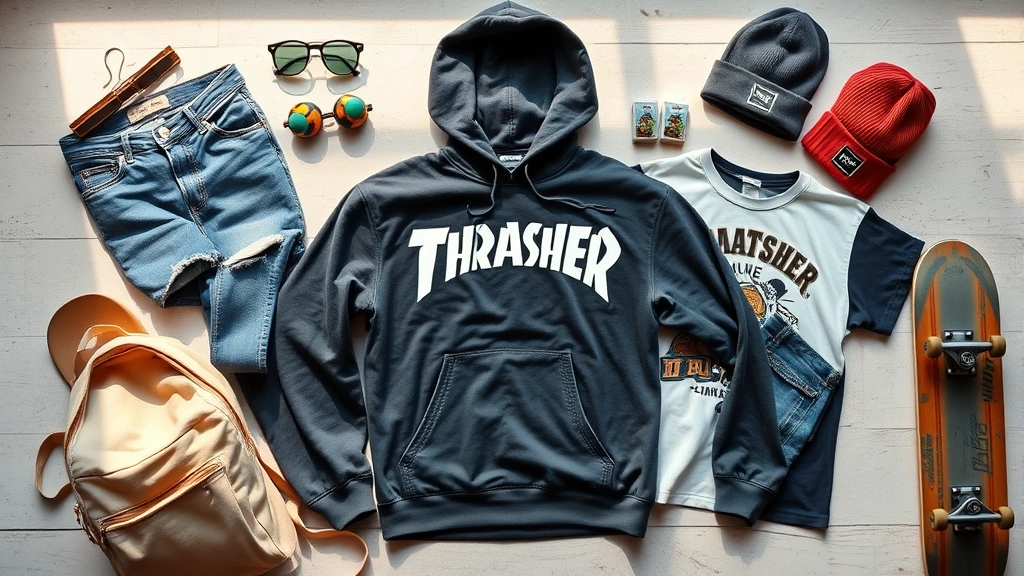
Oversized Silhouettes form the backbone of authentic skater style. Baggy jeans, loose-fitting graphic tees, and oversized hoodies created a relaxed, anti-fashion silhouette that deliberately rejected the tailored trends of the era. These pieces allowed freedom of movement—crucial for skateboarders—while projecting an attitude of nonchalance and individualism. Modern interpretations maintain this oversized philosophy, though contemporary fits often balance volume with proportion for wearability.
The graphic t-shirt served as the primary canvas for skater expression. Band logos, skateboard brand graphics, vintage sports imagery, and provocative artwork adorned these tees, allowing individuals to communicate their interests, allegiances, and sense of humor. These weren’t merely clothes; they were conversation starters and identity markers within the community.
Denim remained central to the skater wardrobe, specifically in the form of baggy, often distressed jeans that sat low on the hips. The fit was intentionally oversized through the thigh and tapered slightly at the ankle, creating a distinctive silhouette that became instantly recognizable. Rips, bleach stains, and intentional wear patterns added character and authenticity.
Layering represented another crucial technique in skater styling. Oversized flannel shirts, worn open over graphic tees, created depth and visual interest while serving the practical purpose of easy temperature adjustment. This layering approach remains highly relevant in contemporary interpretations of the style, offering versatility across seasons.
Iconic Brands That Defined the Era
Certain brands became synonymous with 90s skater culture, establishing aesthetic codes and cultural cachet that endure today. Understanding these brands provides context for authentic styling and helps identify genuine pieces versus superficial reproductions.
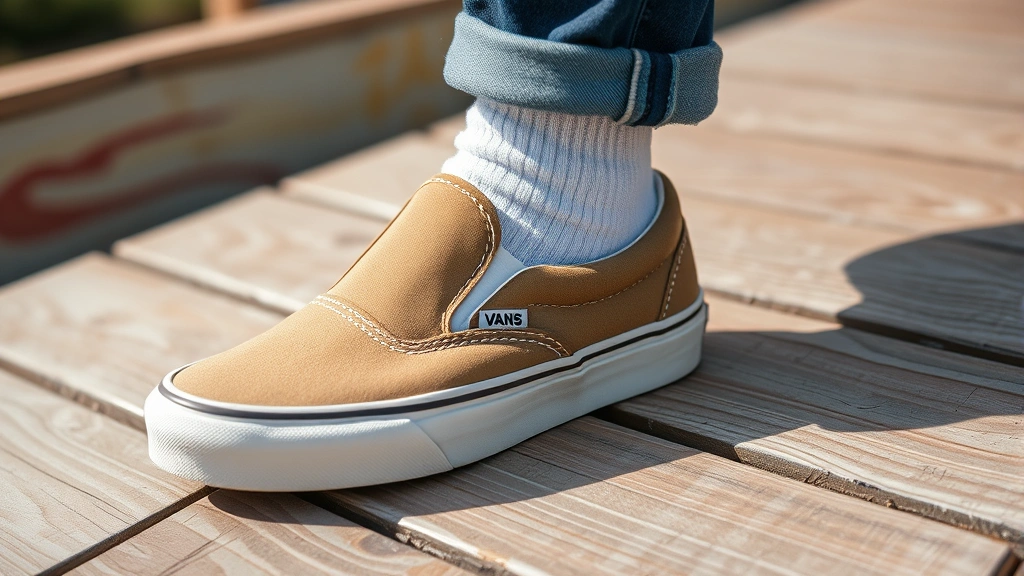
Vans transcended footwear to become the unofficial uniform of skater culture. The classic slip-on silhouette became iconic, worn with the dedication of a sacred object within the community. Beyond shoes, Vans’ apparel line represented accessible quality and authentic connection to skateboarding heritage.
Thrasher magazine and its merchandise became cultural touchstones. The Thrasher logo, particularly the iconic flame graphic, appeared on everything from t-shirts to hoodies, signifying legitimate skateboarding credibility. Wearing Thrasher meant you weren’t just adopting a look—you were claiming membership in a specific cultural moment.
Supreme emerged from New York’s skate scene to become a global phenomenon. Starting as a small skateboard shop, Supreme’s limited drops and collaborative approach revolutionized how streetwear operated. The brand maintained skateboarding authenticity while building desirability through scarcity and cultural relevance.
Stüssy brought California cool to global audiences, blending skater sensibilities with accessible style. The brand’s casual approach to design and marketing made skater aesthetics more approachable without diluting authenticity. Today, Stüssy remains influential in contemporary skater fashion discussions.
Girl Skateboards and Chocolate Skateboards represented the artistic, creative side of skateboarding culture. These brands collaborated with renowned artists and photographers, elevating skater merchandise to collectible art objects. Their influence extended beyond skaters into broader fashion and design conversations.
Styling the Skater Look Today
Modern skater fashion requires thoughtful curation that honors the aesthetic’s rebellious roots while acknowledging contemporary sensibilities about fit, sustainability, and inclusivity. The key lies in understanding principles rather than copying outfits directly.
Start with a foundation of finding your personal style within the skater framework. This means identifying which elements resonate most strongly with your aesthetic and lifestyle. Not everyone needs to adopt the full uniform; selective incorporation of skater pieces into your existing wardrobe creates modern authenticity.
Oversized graphic tees remain non-negotiable. Seek vintage or vintage-inspired pieces that feature genuine skateboarding graphics, band logos, or artwork that speaks to your interests. Pair these with tailored trousers, midi skirts, or well-fitted jeans for contemporary balance. This juxtaposition—oversized top with more fitted bottoms—updates the silhouette while maintaining skater spirit.
Baggy jeans should be approached with intention. Opt for higher-quality denim with interesting detailing—strategic rips, unique washes, or interesting hardware—rather than poorly constructed pieces. Brands now offer intentional skater-fit jeans that balance the oversized aesthetic with modern proportions and flattering cuts.
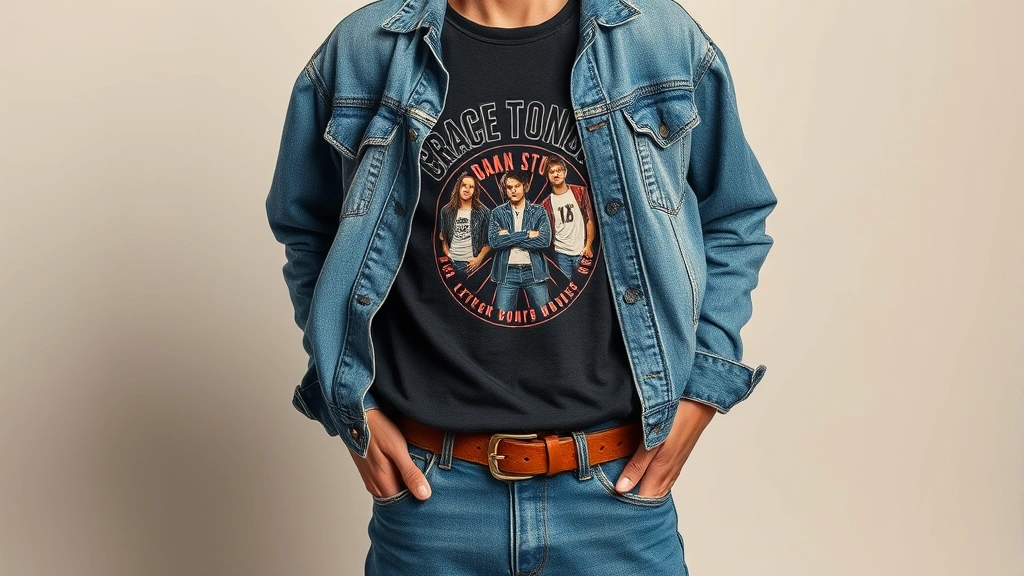
Layering remains essential but benefits from contemporary refinement. Rather than purely oversized flannel shirts, consider vintage-inspired pieces in quality fabrics. A well-fitted vintage band tee layered with an oversized denim jacket creates skater authenticity without sacrificing proportion.
Understanding fashion style principles allows you to integrate skater elements into diverse aesthetic directions. A minimalist can adopt one or two key pieces; a maximalist can embrace full skater expression. The aesthetic is flexible enough to accommodate various style preferences.
Color Palettes and Patterns
90s skater fashion operated within a distinctive color vocabulary that communicated authenticity and subcultural belonging. These palettes remain relevant in contemporary interpretations, though modern styling often expands beyond original limitations.
The neutral foundation of black, white, gray, and khaki provided the baseline for most skater outfits. Black t-shirts and jeans dominated, creating a streamlined silhouette that didn’t distract from graphic details. This neutral approach made graphic tees pop visually while maintaining an understated, anti-fashion attitude.
Earth tones appeared frequently, particularly in flannel shirts and vintage denim. Olive, brown, rust, and tan created warmth and nostalgia, grounding the aesthetic in authenticity. These colors remain highly relevant in contemporary skater styling, offering sophistication while maintaining period-appropriate feel.
Acid-wash and bleached denim represented intentional distressing and individuality. The irregular color variations suggested wear and authenticity—clothes that had been lived in rather than simply purchased. Modern reproductions of this effect should feel organic rather than overdone; authentic distressing tells a story.
Bold graphics provided the primary opportunity for color expression. Neon accents, vibrant band artwork, and contrasting graphic designs created visual interest against neutral clothing. These graphics were never subtle or understated; they commanded attention and sparked conversation.
Plaid and flannel patterns dominated layering pieces. The larger the check, the more authentically 90s the piece. Combining multiple plaid pieces—a revolutionary approach in contemporary fashion—created visual texture and depth. Modern interpretations often tone down the pattern mixing, though bold combinations remain entirely valid.
Footwear That Makes the Statement
Shoes represent perhaps the most recognizable element of 90s skater fashion, with certain silhouettes becoming virtually inseparable from the aesthetic. Footwear choices communicate authenticity and cultural knowledge within the community.
Vans slip-ons remain the quintessential skater shoe. The canvas construction, minimalist design, and practical functionality made these shoes perfect for skateboarding while offering endless customization possibilities. Vintage Vans carry significant cultural weight; authentic vintage pairs command respect within skater circles.
Vans Old Skool sneakers, featuring the distinctive side stripe, evolved into another iconic option. The slightly more structured construction offered additional support while maintaining skateboarding credibility. These shoes work beautifully in contemporary outfits, bridging vintage authenticity with modern styling.
Converse Chuck Taylors provided an alternative within the skater canon. The high-top versions offered ankle support during skating sessions while delivering distinct visual character. The canvas construction and customizable nature made Chucks personal expression vehicles.
Suede skate shoes emerged as skaters prioritized durability and board feel. Brands created specialized footwear designed specifically for skateboarding, with reinforced toe areas and flexible soles. These functional pieces became style statements, communicating genuine participation in skate culture.
Modern skater footwear styling should prioritize authenticity and quality. Vintage pairs carry more cultural weight than new reproductions, though contemporary skate shoe designs maintain legitimate credibility. The key lies in choosing shoes that feel earned rather than costumey.
Accessories and Details
Accessories provided essential opportunities for personalization within the relatively uniform skater framework. These details communicated individual identity, musical taste, and subcultural affiliations.
Skateboard graphics appeared on everything from hats to backpacks. Displaying brand loyalty through accessories demonstrated genuine participation in skate culture. Contemporary styling benefits from incorporating these elements authentically—wear what you actually connect with rather than adopting graphics purely for aesthetic purposes.
Beanies and baseball caps served practical purposes while offering style expression. Vintage band beanies, worn-in baseball caps, and skate brand logos provided casual headwear options. Modern interpretations maintain this casual approach, avoiding overly precious or pristine accessories.
Backpacks and bags reflected practical needs while offering visual interest. Utilitarian canvas bags, vintage school backpacks, and skate-specific bags all appeared within the aesthetic. Contemporary styling benefits from seeking quality vintage pieces or modern reproductions that feel authentic rather than trendy.
Jewelry remained minimal within authentic skater styling. Simple chains, small hoop earrings, and understated pieces complemented the anti-fashion ethos. Excessive jewelry contradicted the aesthetic’s fundamental philosophy of rejecting conspicuous consumption.
Layered chains and pendant necklaces appeared in certain skater circles, particularly among female skaters. These pieces, often featuring meaningful symbols or vintage finds, added personal dimension to outfits. Contemporary styling can embrace this personalization approach, incorporating meaningful accessories that tell individual stories.
Gender-Inclusive Approach to Skater Style
While 90s skater fashion often emphasized masculine aesthetics, contemporary revival recognizes that skate culture included diverse participants with varied style expressions. Modern interpretations benefit from acknowledging this inclusivity while celebrating authentic gender expressions within the community.
The 90s fashion men often dominated visual representation of skater culture, establishing the oversized silhouette as the primary aesthetic reference. However, female skaters developed sophisticated approaches to these same elements, often adding femininity, fitted elements, or personal touches that created distinct visual languages.
Contemporary styling recognizes that skater fashion transcends gender binaries. Oversized graphic tees, baggy jeans, and utilitarian accessories work beautifully across all gender expressions. The key lies in approaching the aesthetic with personal authenticity rather than rigid adherence to historical precedent.
Mixing traditionally masculine and feminine elements creates contemporary sophistication. Pair oversized skater tees with fitted trousers, add feminine accessories to baggy silhouettes, or embrace androgynous styling that honors the aesthetic’s rebellious nature. The most authentic modern skater fashion reflects individual identity rather than copying historical presentations.
Understanding broader fashion types allows you to integrate skater elements within diverse personal aesthetics. A romantic stylist can add delicate details to skater basics; a minimalist can embrace the aesthetic’s streamlined approach; a maximalist can layer and mix with abandon. Skater fashion’s flexibility makes it remarkably inclusive.
The evolution of skate culture itself demonstrates increasing gender inclusivity and diverse representation. Modern skater fashion should reflect this expanded understanding, celebrating all participants and perspectives within the community rather than defaulting to historical masculine dominance.
FAQ
What defines authentic 90s skater fashion versus costume or trend-chasing?
Authenticity lies in understanding and respecting the subculture’s values rather than simply copying visual elements. Genuine skater style reflects personal connection to skateboarding culture, music, and artistic expression. Rather than assembling an outfit purely for aesthetic purposes, authentic styling integrates pieces meaningfully into your life. This might mean actually skateboarding, genuinely loving the bands represented on your graphic tees, or having authentic connection to the communities and values skater culture represents. Costume approaches treat skater fashion as a visual style divorced from cultural context; authentic approaches recognize the deeper significance.
How can I find quality vintage skater pieces without excessive cost?
Vintage shopping requires patience, knowledge, and strategic sourcing. Thrift stores, particularly in areas with active skate communities, often contain authentic period pieces at reasonable prices. Online vintage marketplaces like Depop, Grailed, and Vestiaire Collective offer wider selection, though prices tend higher. Estate sales and auctions occasionally yield remarkable finds. Building relationships with vintage shop owners helps—they’ll alert you to incoming inventory matching your interests. Patience matters significantly; the best pieces often appear unexpectedly rather than through intensive searching. Quality matters more than quantity; one authentic vintage Thrasher hoodie carries more weight than multiple mediocre reproductions.
Can I incorporate skater fashion into professional or formal settings?
Strategic integration allows skater elements to work in diverse contexts. A graphic tee worn under a tailored blazer brings subtle subcultural reference to business casual settings. Vintage skate brand accessories—a Vans belt or subtle chain necklace—add personality without compromising professionalism. High-quality skater-inspired pieces in neutral colors work beautifully in contemporary professional environments increasingly embracing individuality. The key lies in thoughtful curation rather than full aesthetic immersion. Quality matters significantly; well-constructed pieces with vintage authenticity read differently than cheap reproductions. Context also matters; creative industries welcome more expressive skater integration than conservative fields.
How does modern skater fashion differ from 1990s versions?
Contemporary interpretations balance oversized silhouettes with modern proportions, creating wearability without sacrificing aesthetic impact. Current styling often incorporates higher-quality, more sustainable pieces rather than disposable fast fashion. Gender expression and inclusivity have expanded dramatically, moving beyond the masculine-dominated imagery of the 90s. Contemporary skater fashion also integrates elements from 1980s mens fashion and other eras, creating hybrid aesthetics. Modern styling often embraces irony and self-awareness absent from original 90s approaches. Sustainability and ethical production have become increasingly important considerations. Despite these evolutions, core elements—authenticity, anti-fashion attitude, graphic expression, and utilitarian functionality—remain fundamentally unchanged.
What role does music play in authentic skater fashion?
Music provided the cultural backbone for 90s skater identity, with punk, grunge, and alternative rock serving as primary soundtracks. Band logos on graphic tees represented genuine musical allegiance rather than aesthetic choice. Contemporary authentic styling benefits from understanding and genuinely connecting with the musical traditions represented in your clothing. Wearing a Nirvana shirt should reflect actual appreciation for the band; wearing a vintage Sonic Youth graphic tee suggests familiarity with their artistic vision. This doesn’t mean you must love every band represented in your wardrobe, but genuine connection to at least some of the cultural references adds authenticity. Music remains central to skate culture identity; respecting this connection deepens your engagement with the aesthetic.
How can I build a complete skater wardrobe without excessive spending?
Strategic, gradual building works better than attempting to assemble a complete aesthetic immediately. Start with foundational neutral pieces—black and white t-shirts, dark jeans, basic hoodies—then slowly integrate graphic tees and distinctive pieces. Prioritize quality over quantity; one authentic vintage piece beats five mediocre fast-fashion items. Mix vintage finds with contemporary quality brands offering skater-inspired pieces at reasonable prices. Thrift stores provide affordable options for experimental pieces; invest more in foundational items you’ll wear frequently. Learn basic garment care to extend piece longevity. Consider clothing swaps with friends or online communities to refresh your wardrobe sustainably. Building slowly allows you to refine your personal skater aesthetic rather than forcing a look that doesn’t genuinely resonate.