
90s Hip Hop Fashion: A Stylistic Revival
The 1990s witnessed an unprecedented cultural phenomenon that transcended music and infiltrated every aspect of style and self-expression. 90s hip hop fashion emerged as a revolutionary movement that challenged conventional dress codes and established an entirely new aesthetic paradigm. From oversized silhouettes to bold graphic designs, this era redefined what it meant to dress with attitude, confidence, and cultural authenticity. Today, as fashion cycles continuously revisit past decades, the revival of 90s hip hop style proves that some trends are simply timeless, offering contemporary audiences a blueprint for authentic, boundary-pushing personal expression.
What made 90s hip hop fashion so distinctive was its democratic approach to style. Unlike the exclusive, gatekeeping nature of high fashion during that era, hip hop culture celebrated accessibility, creativity, and individualism. Artists and enthusiasts sourced pieces from thrift stores, streetwear brands, and emerging designers, mixing luxury items with everyday wear in ways that felt completely natural and intentional. This genre-specific fashion movement didn’t just influence hip hop communities—it fundamentally altered how mainstream fashion operated, eventually forcing luxury brands to acknowledge and incorporate street style elements into their collections.
The Origins and Cultural Significance
The roots of 90s hip hop fashion extend back to the late 1980s when emerging artists began using clothing as a form of social commentary and cultural resistance. As hip hop transitioned from a niche musical genre to a mainstream cultural force, fashion became an essential component of artistic identity and community belonging. Understanding fashion history timelines reveals how hip hop style didn’t emerge in a vacuum but rather built upon previous decades of African American fashion innovation and street culture aesthetics.
During the early 1990s, hip hop artists deliberately rejected the polished, corporate aesthetic that dominated mainstream fashion. Instead, they embraced comfort, functionality, and bold self-expression. This wasn’t merely about looking cool—it was a deliberate statement about authenticity, economic accessibility, and cultural pride. The fashion choices reflected the communities these artists represented, celebrating working-class aesthetics while simultaneously challenging elitist notions of what constituted “good taste” in fashion.
The significance of this movement cannot be overstated. Hip hop fashion democratized style, proving that expensive designer labels didn’t determine authenticity or creativity. A teenager in the Bronx wearing vintage Carhartt and Timberland boots possessed just as much style authority as someone in haute couture. This revolutionary concept rippled through the fashion industry, eventually influencing how designers approached collections and how consumers evaluated personal style.
Iconic Silhouettes and Key Pieces
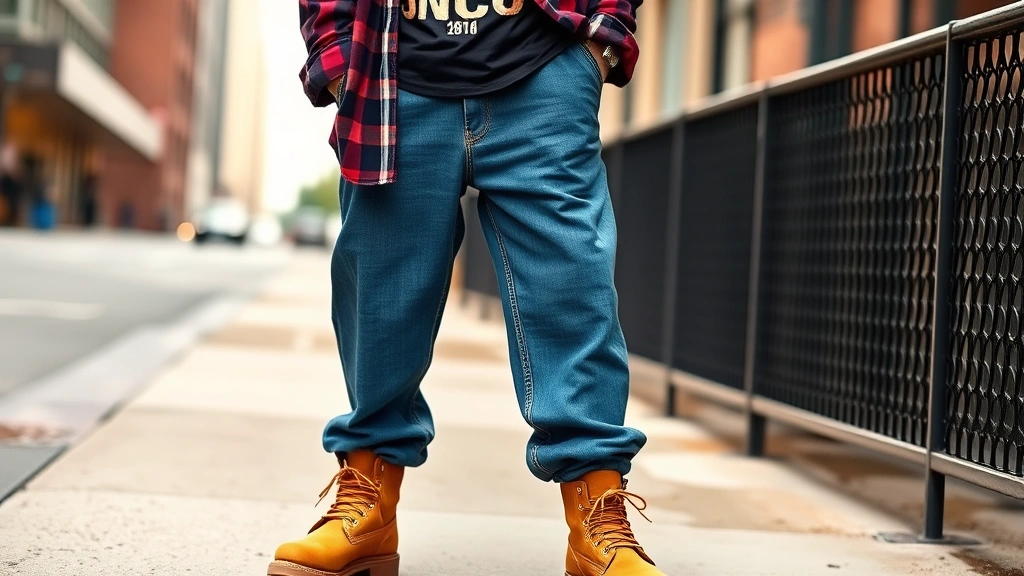
Several distinctive silhouettes and garments define the 90s hip hop fashion aesthetic. Oversized baggy jeans represented perhaps the most iconic element, with brands like JNCO, Girbaud, and Fubu dominating the market. These jeans featured exaggerated cuts, often sitting low on the hips with legs so wide they practically dragged on the ground. The baggy silhouette served both practical and symbolic purposes—offering comfort for physical movement while representing a rejection of fitted, conformist fashion norms.
Accompanying these jeans were oversized graphic t-shirts and jerseys, often featuring band logos, sports team insignia, or custom artwork. 90s fashion enthusiasts frequently layered these pieces with oversized button-up shirts, often left completely unbuttoned to showcase the graphic underneath. Flannel shirts, despite their grunge associations, also featured prominently in hip hop styling, demonstrating how fashion movements could share elements while maintaining distinct identities.
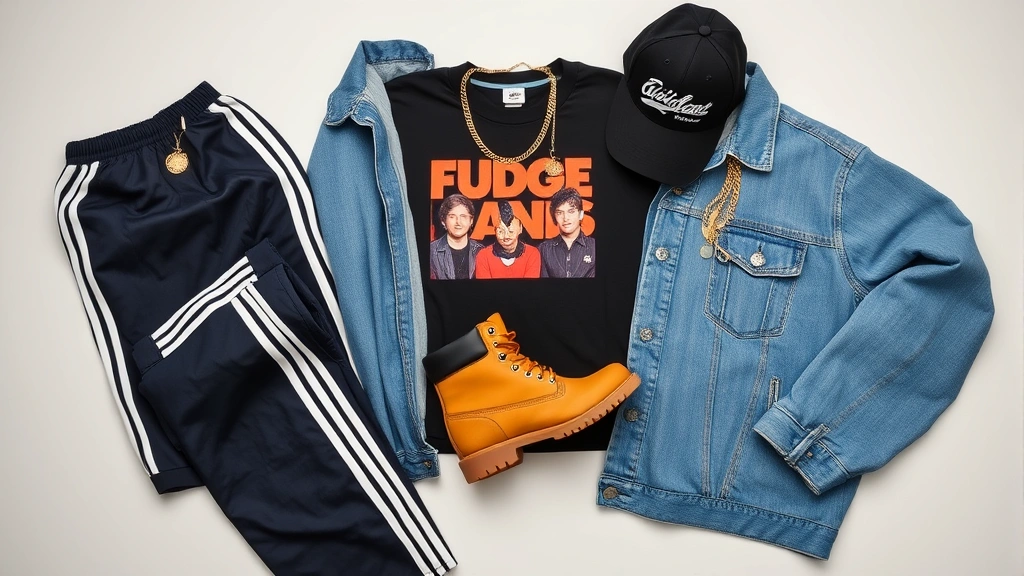
- Timberland boots: Golden-brown work boots became synonymous with 90s hip hop, appearing in countless music videos and becoming a cultural symbol of authenticity and street credibility
- Fitted caps and snapbacks: Baseball caps worn forward or backward, often featuring sports teams or brand logos, completed nearly every outfit
- Oversized jackets and parkas: Puffy winter coats, denim jackets, and leather bombers provided warmth while maintaining the silhouette-obscuring aesthetic
- Sweatpants and joggers: Adidas track pants and similar athletic wear represented comfort and functionality while maintaining street credibility
- Gold chains and chunky jewelry: Elaborate necklaces, rings, and bracelets conveyed success and served as status symbols within hip hop culture
- Bandanas and do-rags: These accessories held cultural significance and represented gang affiliations, regional pride, or personal style preferences
What distinguished these pieces from standard casual wear was the intentionality behind their selection and combination. Hip hop stylists understood that wearing oversized pieces required confidence and styling knowledge. Simply throwing on baggy clothes didn’t replicate authentic 90s hip hop fashion—the proportions, layering, and accessorization required careful consideration and cultural understanding.
Brand Collaborations and Designer Partnerships
The 1990s witnessed unprecedented collaborations between hip hop culture and established fashion brands. Vogue and other fashion publications gradually acknowledged hip hop’s influence, featuring artists and stylists in editorial spreads. Major athletic brands recognized the commercial potential of hip hop endorsements, leading to lucrative partnerships that transformed both the artists and the brands involved.
Fubu (For Us By Us) emerged as a groundbreaking brand specifically created by and for hip hop communities. Founded by Daymond John and others, Fubu represented the entrepreneurial spirit of hip hop culture and proved that street-level fashion could achieve mainstream commercial success. Similarly, Ecko Unltd., Rocawear, and Sean John demonstrated that hip hop artists could successfully transition into fashion entrepreneurship, creating brands that maintained street authenticity while appealing to broader markets.
Tommy Hilfiger experienced an interesting relationship with hip hop culture during this period. Initially, the brand cultivated an exclusively preppy image, but hip hop artists began incorporating Hilfiger pieces into their aesthetic, fundamentally altering the brand’s cultural perception. This organic adoption by hip hop influencers transformed Tommy Hilfiger from a traditional preppy staple into a street-style essential, illustrating how hip hop fashion could reshape established brand identities.
Nike and Adidas competed fiercely for hip hop artist endorsements, recognizing that street credibility translated into sales. Sneaker culture became increasingly intertwined with hip hop fashion, with specific models becoming iconic through repeated appearances in music videos and artist styling. Nike‘s Air Force 1s and various Adidas models achieved legendary status within hip hop communities, establishing sneaker culture as a legitimate fashion obsession rather than merely athletic footwear.
Regional Variations Across America
While 90s hip hop fashion shared common elements, distinct regional variations reflected different communities and artistic movements. West Coast hip hop fashion, particularly emanating from Los Angeles, incorporated bright colors, oversized flannel shirts, and a more relaxed, laid-back aesthetic. Artists like Snoop Dogg popularized Dickies work pants, Cortez sneakers, and the overall Crip-influenced style that became synonymous with West Coast hip hop.
Conversely, East Coast hip hop fashion embraced darker colors, more structured silhouettes, and a emphasis on luxury brand visibility. New York-based artists favored Timberlands, Fendi, and other high-end designer pieces, creating a more sophisticated aesthetic that incorporated streetwear with genuine luxury items. This regional distinction reflected broader differences in the musical styles and cultural attitudes between East and West Coast hip hop communities.
The Midwest and South developed their own fashion vocabularies as well, with artists incorporating regional pride through specific brands, colors, and styling choices. Houston’s chopped and screwed aesthetic influenced fashion sensibilities, while Atlanta’s emerging hip hop scene developed its own distinctive visual language. Finding your personal style often meant understanding these regional contexts and choosing which aesthetic resonated most authentically with your identity and community.
These regional variations demonstrated that 90s hip hop fashion wasn’t monolithic but rather a diverse movement that adapted to local contexts while maintaining core aesthetic principles. This regional specificity actually strengthened the movement, as different communities contributed unique elements that collectively enriched hip hop fashion vocabulary.
The Modern Revival and Contemporary Influence
Contemporary fashion has witnessed an unprecedented revival of 90s hip hop aesthetic. Major luxury brands including Gucci, Balenciaga, and Vetements have reissued oversized silhouettes, baggy pants, and graphic-heavy designs that directly reference 90s hip hop fashion. This isn’t mere nostalgia—it represents a genuine recognition that the aesthetic principles established during that era remain relevant and commercially viable.
Modern streetwear brands explicitly draw inspiration from 90s hip hop culture, with designers studying archival music videos and vintage pieces to inform contemporary collections. Brands like Stüssy and Supreme have built their entire business models around merging 90s hip hop aesthetics with contemporary design sensibilities. This revival demonstrates how certain fashion movements transcend their temporal origins and become foundational to how subsequent generations understand style.
Social media platforms have accelerated this revival exponentially. Instagram influencers and TikTok creators continuously reinterpret 90s hip hop fashion for contemporary audiences, demonstrating how vintage pieces and modern replicas can coexist within current styling frameworks. This digital democratization of fashion inspiration means that anyone interested in 90s hip hop fashion can access styling references, sourcing guides, and community discussions instantaneously.
The current revival also reflects broader cultural movements toward sustainability and vintage fashion consumption. As consumers become increasingly conscious about fast fashion’s environmental impact, sourcing authentic 90s pieces from thrift stores or vintage retailers becomes both economically sensible and culturally meaningful. This sustainable approach to fashion actually aligns perfectly with hip hop culture’s original emphasis on resourcefulness and creative reinterpretation.
Styling Tips for Today’s Fashion Enthusiasts
Successfully incorporating 90s hip hop fashion into contemporary wardrobes requires understanding the movement’s core principles rather than merely copying individual pieces. The aesthetic fundamentally celebrates oversized proportions, bold graphics, and confident self-expression. Here are essential styling considerations for modern interpretations:
Proportions and Balance: The key to wearing oversized pieces successfully involves balancing volume strategically. If you wear oversized baggy pants, consider pairing them with a fitted or tucked-in top. Conversely, an oversized graphic tee works beautifully with fitted or tapered pants. This balanced approach prevents looking shapeless while maintaining the authentic 90s hip hop silhouette.
Footwear Selection: Invest in statement sneakers or boots that anchor your outfit. Timberland boots, classic Adidas models, or contemporary sneakers with similar visual weight complement oversized clothing perfectly. The footwear should feel intentional and substantial rather than delicate or minimal.
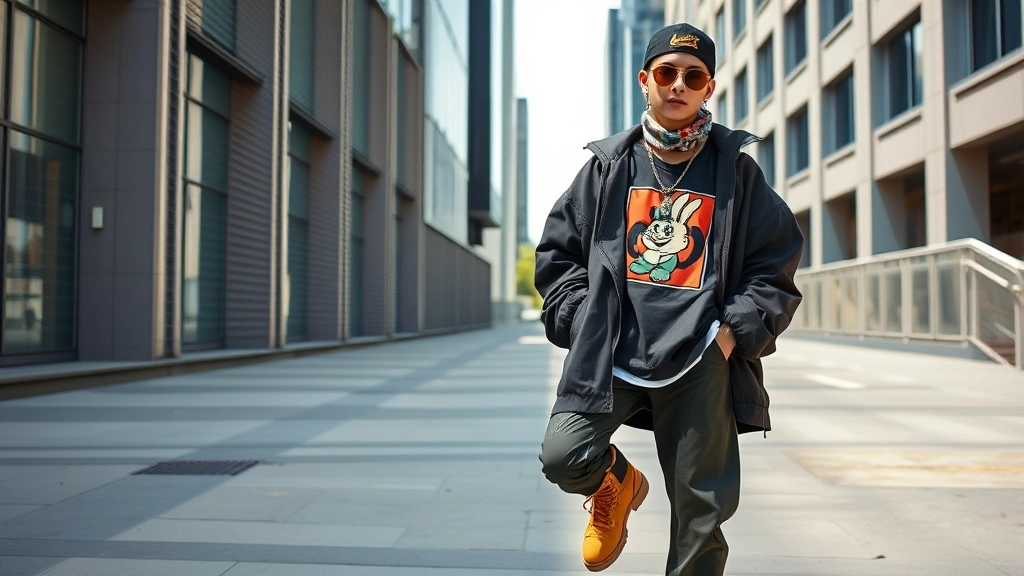
Accessory Layering: 90s hip hop fashion embraced visible accessories and layered jewelry. Consider wearing multiple chains, rings, or bracelets simultaneously. Baseball caps, bucket hats, or beanies add personality and complete the aesthetic. Bandanas or do-rags provide authentic cultural references when worn respectfully and intentionally.
Graphic and Logo Visibility: Unlike contemporary minimalism’s emphasis on subtle branding, 90s hip hop celebrated visible logos and bold graphics. Feature prominent brand names, sports team insignia, or custom artwork rather than hiding them. This visibility represents confidence in your style choices and honors the movement’s authenticity principles.
Color Coordination: While West Coast hip hop embraced brighter palettes, East Coast aesthetics favored darker tones. Choose your regional inspiration and build color schemes accordingly. Mixing neutrals with strategic pops of color through accessories or graphic prints creates visual interest without appearing chaotic.
Quality and Authenticity: Whether sourcing vintage authentic pieces or contemporary reproductions, prioritize quality construction. Authentic 90s hip hop fashion emphasized durability and functionality alongside style. Investing in well-made pieces ensures your outfits look intentional rather than costume-like.
Understanding fundamental styling principles helps you apply 90s hip hop aesthetics across diverse occasions. While the movement originated in casual streetwear contexts, contemporary fashion allows for creative reinterpretations that maintain authenticity while adapting to professional or formal environments.
The resurgence of 90s hip hop fashion reflects something deeper than cyclical trend patterns. It represents a cultural recognition that certain aesthetic movements possess timeless appeal because they authentically express human values—creativity, individuality, cultural pride, and fearless self-presentation. Fashion design schools increasingly incorporate hip hop aesthetic principles into their curricula, acknowledging the movement’s lasting impact on contemporary design education and practice.
As you explore 90s hip hop fashion, remember that authentic style extends beyond clothing pieces. It encompasses attitude, cultural awareness, and genuine self-expression. The most successful contemporary interpretations honor the movement’s origins while adapting elements thoughtfully for modern contexts. Whether you’re a longtime enthusiast or newly discovering this aesthetic, 90s hip hop fashion offers unlimited possibilities for creative, confident personal style development.
FAQ
What defines authentic 90s hip hop fashion?
Authentic 90s hip hop fashion emphasizes oversized silhouettes, bold graphics, visible branding, quality footwear, and confident accessorizing. The aesthetic celebrates cultural authenticity, accessibility, and individual expression rather than conformist fashion norms. Key elements include baggy jeans, oversized graphic tees, Timberland boots, fitted caps, and chunky jewelry worn with intentionality and style awareness.
Can I wear 90s hip hop fashion in professional settings?
Yes, with thoughtful styling adjustments. Contemporary fashion increasingly accepts streetwear elements in professional contexts. Consider pairing tailored oversized blazers with fitted trousers, incorporating subtle graphic pieces into business casual outfits, or accessorizing minimally while maintaining core aesthetic elements. The key involves balancing 90s hip hop principles with professional environment expectations.
Where can I source authentic 90s hip hop fashion pieces?
Vintage and thrift stores offer authentic pieces from the original era, though availability varies. Contemporary brands including Supreme, Stüssy, and numerous streetwear labels offer modern reproductions maintaining aesthetic authenticity. Online platforms like Depop and Vestiaire Collective connect buyers with both vintage and contemporary 90s hip hop fashion pieces.
How do I avoid appropriating hip hop culture through fashion?
Wear 90s hip hop fashion respectfully by understanding its cultural origins and significance. Educate yourself about the communities and artists who created this aesthetic. Acknowledge that hip hop fashion emerged as cultural expression from specific communities. Avoid reducing the aesthetic to costume or caricature, instead approaching it with genuine appreciation and intentional styling choices.
Are baggy jeans still considered fashionable?
Absolutely. Contemporary fashion has fully embraced oversized and baggy silhouettes as legitimate style choices rather than nostalgic throwbacks. Major luxury designers regularly feature relaxed, baggy cuts in their collections. The key involves styling them with confidence and balancing proportions strategically through complementary pieces.