80s Punk Rock Fashion: Expert Style Guide
The 1980s punk rock fashion movement remains one of the most influential and rebellious style eras in history. Born from the raw energy of punk music and the desire to challenge mainstream aesthetics, 80s punk fashion represented more than just clothing—it was a cultural statement, a form of protest, and an artistic expression that continues to inspire designers and fashion enthusiasts today. Whether you’re a devoted fan of the era or simply curious about incorporating punk elements into your modern wardrobe, understanding the nuances of this iconic style is essential.
Punk fashion in the 1980s evolved from its late 1970s origins into something bolder, more theatrical, and increasingly diverse. The decade saw punk splinter into numerous subgenres, each with its own aesthetic variations and cultural significance. From the leather-clad New York hardcore scene to the colorful British post-punk movement, 80s punk rock fashion was anything but monolithic. This comprehensive guide explores every aspect of this transformative style period, helping you understand its history, key elements, and how to authentically embrace punk aesthetics in contemporary fashion.
The Origins and Evolution of Punk Fashion
To truly understand 80s punk rock fashion, we must first acknowledge its roots in the mid-1970s. The punk movement emerged simultaneously in New York and London as a reaction against the excess of progressive rock, the commercialization of music, and the perceived complacency of mainstream culture. Early punk pioneers like the Ramones, the Sex Pistols, and the New York Dolls rejected conventional fashion norms, instead adopting a deliberately provocative, anti-fashion aesthetic that paradoxically became highly influential.
By the 1980s, punk had matured and diversified. The initial DIY ethic remained, but the movement’s visual language became increasingly sophisticated and varied. The decade witnessed the rise of post-punk, new wave, hardcore, and gothic punk aesthetics, each contributing unique elements to the broader punk fashion landscape. What connected all these variations was a shared commitment to individualism, rebellion, and the rejection of mainstream beauty standards. The 80s transformed punk from a fringe movement into a powerful cultural force that influenced high fashion, mainstream retailers, and popular culture at large.
Understanding fashion history reveals how punk challenged every convention of proper dressing. Where traditional fashion dictated elegance and conformity, punk embraced deliberate ugliness, asymmetry, and shock value. This rebellious spirit attracted not just musicians and artists but also fashion-conscious youth seeking an alternative to the materialism and conformity they perceived in society. The movement democratized fashion, suggesting that anyone could create compelling style through creativity, attitude, and resourcefulness rather than wealth or designer labels.
[IMAGE_1]
Essential 80s Punk Clothing Pieces
The foundation of any authentic 80s punk rock wardrobe consists of specific key pieces that define the aesthetic. These items work together to create the instantly recognizable silhouette and attitude that characterizes punk style. Understanding each element helps you make informed choices when building your own punk-inspired look.
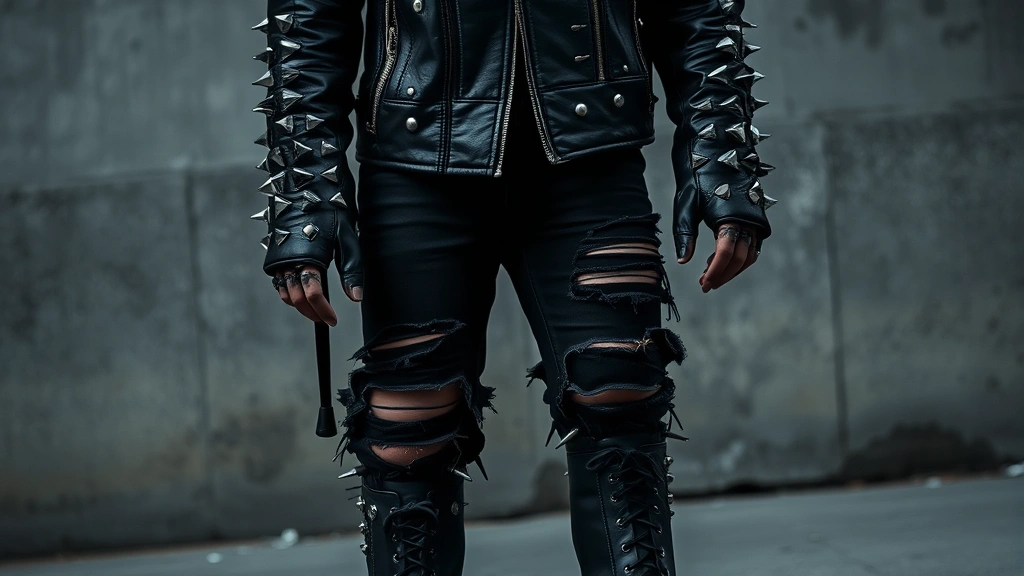
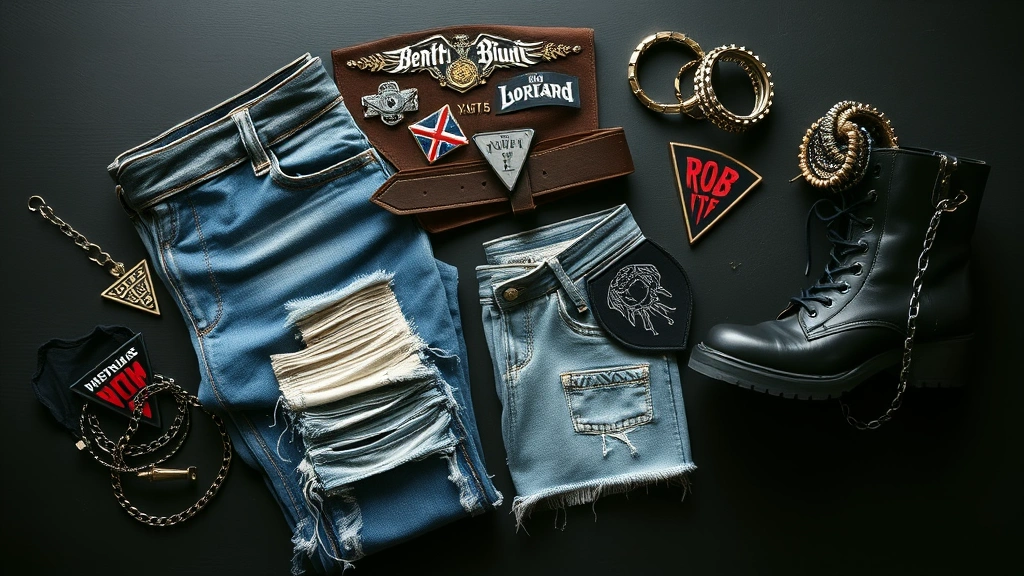
Ripped and Distressed Jeans: Torn jeans became the ultimate punk staple, representing both the DIY ethic and a deliberate rejection of consumer culture’s demand for pristine clothing. Punks would intentionally rip their jeans, safety pin them together, and customize them with patches, band names, and provocative slogans. The more damaged and personalized, the more authentic the statement. This practice challenged conventional ideas about appropriate dress and influenced mainstream fashion so profoundly that distressed jeans became a multibillion-dollar industry.
Leather Jackets: The motorcycle jacket, particularly the classic black biker style, became synonymous with punk rock culture. These jackets symbolized toughness, rebellion, and danger—qualities punk fashion deliberately cultivated. Worn and weathered leather jackets, adorned with studs, chains, and pins, became the ultimate punk armor, protecting wearers from both the elements and conformity.
Band T-Shirts: Graphic t-shirts featuring punk and new wave bands served multiple purposes in the 80s punk scene. They functioned as concert merchandise, cultural badges, and wearable art. Band tees allowed fans to display their musical allegiances while supporting their favorite artists. The aesthetic of screen-printed graphics on worn cotton became iconic, influencing how band merchandise is designed and sold today.
Studded Belts: Heavy leather belts covered in metal studs and spikes became a punk fashion essential. These belts served both practical and aesthetic purposes, cinching oversized clothing while making a bold visual statement. The studs and spikes referenced punk’s association with danger and aggression, creating a visual language that communicated punk ideology through fashion.
Fishnet and Mesh: Sheer fabrics, including fishnet stockings and mesh shirts worn over solid undershirts, became popular punk elements. These materials created interesting visual textures and suggested a deliberate disregard for conventional modesty. Fishnet stockings, in particular, became associated with punk and goth aesthetics, adding an edgy, provocative quality to outfits.
Leather, Studs, and Chains: The Punk Uniform
If one combination defines 80s punk rock fashion, it’s leather, studs, and chains. These materials and embellishments created the visual vocabulary of punk style, instantly communicating rebellion and nonconformity. The prevalence of these elements wasn’t accidental—they carried symbolic meaning and practical significance within punk culture.
Leather represented toughness and danger, channeling the rebellious spirit of motorcycle culture into fashion. Punks adopted leather not for luxury or status but for its associations with transgression and power. Black leather dominated the punk aesthetic, though colored leather occasionally appeared in more theatrical or post-punk contexts. The material’s durability also suited the punk ethos of wearing clothing until it fell apart, then customizing and repairing it multiple times over.
Studs and spikes served as the primary embellishment method, transforming plain leather jackets and belts into aggressive fashion statements. These metal protrusions referenced punk’s association with violence and danger—though most punks were considerably less violent than their aesthetic suggested. The studs created visual interest while making a deliberate statement about rejecting conventional beauty standards. Studs could be purchased or handcrafted, maintaining the DIY ethic central to punk culture.
Chains completed the trinity, serving both decorative and functional purposes. Wallet chains connected to belt loops, ensuring valuables wouldn’t be lost during energetic punk shows. Chains adorned jackets, belts, and accessories, creating visual weight and texture. The metallic sheen of chains contrasted with black leather and fabric, drawing attention to the punk silhouette. Like studs, chains could be sourced from hardware stores, emphasizing punk’s resourceful approach to fashion creation.
This combination of leather, studs, and chains created an instantly recognizable aesthetic that communicated punk ideology through visual means. The look deliberately rejected mainstream fashion’s emphasis on elegance, femininity, and conventional beauty. Instead, it celebrated toughness, individualism, and a willingness to embrace aesthetics others found ugly or threatening. This deliberate ugliness paradoxically became deeply influential, shaping how rebellious style is understood and expressed in contemporary fashion.
Hair and Makeup: Making a Statement
Hair and makeup became equally important as clothing in expressing 80s punk rock identity. These elements allowed for personal creativity while maintaining visual connection to the broader punk aesthetic. Hair, in particular, became a canvas for punk self-expression and cultural identity.
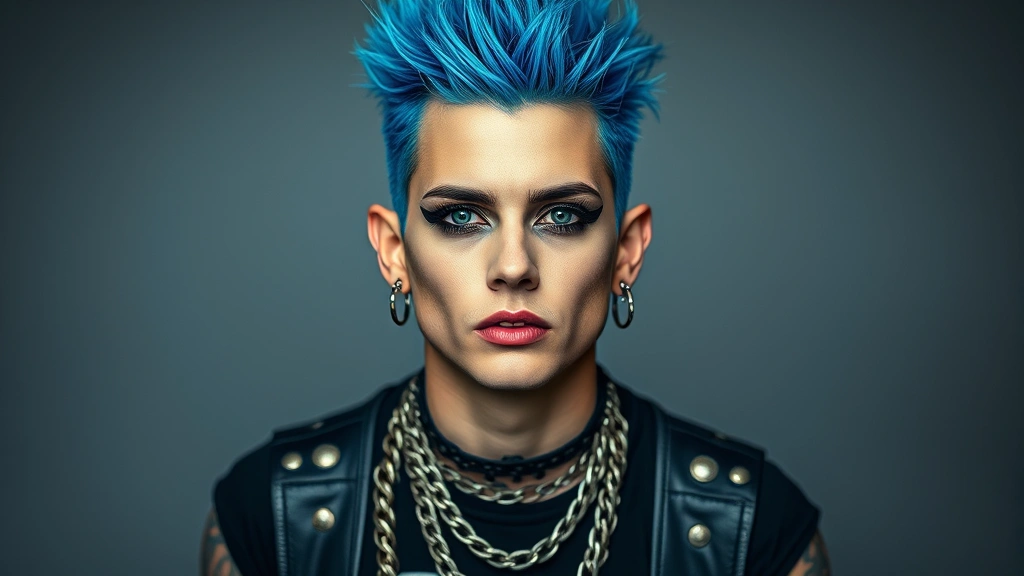
Iconic Punk Hairstyles: The mohawk emerged as perhaps the most recognizable punk hairstyle, featuring a strip of long hair running down the center of the head while the sides were shaved. Variations included liberty spikes—tall, stiff projections achieved through gel or pomade—and the shag, a layered cut that could be styled in various directions. Some punks favored completely shaved heads, while others maintained longer, deliberately unkempt hair. The key principle was that hair should look intentional yet rebellious, rejecting conventional beauty standards while demonstrating individual creativity.
Color played a crucial role in punk hair aesthetics. Bright, unnatural colors including hot pink, electric blue, neon green, and purple became associated with punk style. These vivid hues challenged social norms and made visual statements about rejecting natural beauty standards. Achieving these colors often involved bleaching hair and using temporary or semi-permanent dyes, creating a look that required maintenance and commitment to the aesthetic.
Makeup as Rebellion: Punk makeup deliberately rejected conventional femininity. Heavy black eyeliner, dark eyeshadow, and pale foundation created a deliberately ghostly appearance that contrasted with mainstream 80s makeup trends emphasizing bright colors and natural-looking skin. Some punks adopted theatrical makeup inspired by glam rock, while others favored minimal makeup that emphasized dark, lined eyes. The consistency was a rejection of conventional attractiveness in favor of visual impact and artistic expression.
Makeup application techniques varied widely, from precise, graphic designs to deliberately sloppy application suggesting a disregard for conventional beauty standards. Some punks incorporated face paint, stickers, or other embellishments into their makeup aesthetic. The emphasis was always on individual expression and challenging societal beauty norms rather than achieving a specific standardized look.
Subgenres and Regional Variations
80s punk rock fashion wasn’t monolithic. Different regions and musical subgenres developed distinct aesthetic variations while maintaining core punk principles. Understanding these differences reveals punk’s diversity and complexity.
New York Hardcore: The American hardcore punk scene, centered in New York, developed a particularly aggressive aesthetic. Bands like Black Flag and Minor Threat influenced a look characterized by minimal, utilitarian clothing—simple t-shirts, jeans, and sneakers. This stripped-down approach prioritized the music and attitude over theatrical presentation. The hardcore aesthetic rejected the visual excess of some punk variations, emphasizing authenticity and working-class authenticity.
British Post-Punk: British post-punk bands like Joy Division, Bauhaus, and Depeche Mode influenced a more theatrical, sophisticated aesthetic. This variation incorporated elements of new wave fashion, featuring tailored silhouettes, dramatic makeup, and often more refined clothing choices. The British post-punk look demonstrated that punk could be intellectually complex and visually sophisticated while maintaining its rebellious spirit.
Goth-Punk Fusion: The intersection of punk and gothic aesthetics created a darker, more romantic variation. This style incorporated Victorian-inspired elements, dramatic makeup, and a generally more theatrical presentation. Bands like Siouxsie and the Banshees exemplified this fusion, creating a look that balanced punk’s aggression with gothic’s dramatic elegance.
Psychobilly: This subgenre combined punk’s energy with rockabilly’s retro aesthetic, creating a distinctive look featuring leather jackets, pompadour hairstyles, and often more colorful, vintage-inspired clothing. Psychobilly demonstrated punk’s capacity to synthesize with other musical and fashion traditions.
These regional and subgenre variations demonstrate that 80s punk rock fashion encompassed tremendous diversity. What connected these different expressions was a shared commitment to individualism, rejection of mainstream norms, and creative self-expression through clothing and appearance.
Accessories That Define the Look
Accessories played a crucial role in completing 80s punk rock fashion, allowing for personal customization while maintaining visual connection to punk aesthetics. These elements transformed basic clothing pieces into distinctive punk statements.
Safety Pins: Perhaps the most iconic punk accessory, safety pins represented the DIY ethic and resourcefulness central to punk culture. Worn as jewelry, used to repair clothing, or incorporated into outfits deliberately, safety pins communicated punk identity while serving practical purposes. The safety pin became so associated with punk that it remains instantly recognizable as a punk symbol.
Band Pins and Badges: Punks covered jackets, bags, and clothing with pins and badges featuring band logos, political slogans, and provocative imagery. These accessories allowed fans to display their musical preferences and political beliefs while customizing their appearance. The practice created visually busy, densely decorated garments that reflected the wearer’s personality and commitments.
Bondage Gear: Inspired by fashion’s embrace of subversive aesthetics, some punks incorporated bondage-inspired accessories including leather armbands, chains, and harnesses. These elements referenced punk’s association with danger and transgression while making deliberate statements about sexuality and bodily autonomy.
Doc Martens and Combat Boots: Heavy-soled boots, particularly Dr. Martens and military-style combat boots, became essential punk footwear. These sturdy, utilitarian shoes suited punk’s working-class associations while providing practical footwear for active concert-going. The boots’ heaviness contrasted with more delicate footwear choices, emphasizing punk’s deliberate rejection of conventional femininity.
Bags and Backpacks: Punks favored practical bags including backpacks, messenger bags, and simple pouches, often customized with pins, patches, and band logos. These accessories reflected punk’s practical approach to fashion while allowing for personalization and self-expression.
Modern Interpretations and Contemporary Punk Style
Understanding how to incorporate punk elements into your personal style requires recognizing how the aesthetic has evolved. Contemporary punk fashion draws inspiration from 80s aesthetics while adapting them for modern contexts and sensibilities.
Modern punk fashion often combines authentic vintage pieces with contemporary clothing, creating hybrid looks that honor punk’s history while remaining relevant. Designers like Alexander McQueen and Rick Owens have consistently drawn inspiration from punk aesthetics, incorporating punk’s rebellious spirit into high fashion contexts. This mainstreaming of punk elements represents both the style’s enduring influence and ongoing debates about authenticity within punk communities.
Contemporary punk enthusiasts often source vintage 80s punk pieces from thrift stores, vintage retailers, and online marketplaces, creating authentic wardrobes that honor the era’s aesthetic principles. Others embrace modern reinterpretations, supporting contemporary designers who create punk-inspired pieces. The key to contemporary punk style is maintaining the aesthetic’s core principles—individualism, rebellion, and creative self-expression—while adapting visual elements to modern contexts.
The rise of social media has created new platforms for punk fashion expression, with enthusiasts sharing their interpretations of the aesthetic online. This has democratized punk fashion further, allowing people worldwide to connect with the aesthetic and express their individual interpretations. Contemporary punk fashion emphasizes personal creativity and authenticity, encouraging people to adapt the aesthetic to their own contexts and identities.
Building Your Punk Rock Wardrobe
Creating an authentic 80s punk rock wardrobe requires understanding core aesthetic principles while allowing for personal interpretation. Whether you’re interested in recreating period-accurate looks or incorporating punk elements into contemporary outfits, these guidelines will help you develop a cohesive punk aesthetic.
Start with Foundation Pieces: Begin by acquiring basic items including black jeans (preferably distressed or customized), a classic black leather jacket, and band t-shirts featuring musicians or bands you genuinely enjoy. These pieces form the foundation of punk style and can be combined in numerous ways. Prioritize quality and fit, as classic punk style depends on how pieces work together rather than individual item cost.
Add Statement Accessories: Once you have basic pieces, incorporate statement accessories including studded belts, chains, safety pins, and band badges. These elements transform simple clothing into distinctive punk outfits while allowing for personalization. Start conservatively and gradually add more accessories as you develop your personal punk aesthetic.
Experiment with Hair and Makeup: Develop a hair and makeup approach that feels authentic to you while maintaining connection to punk aesthetics. This might involve coloring your hair, experimenting with different hairstyles, or developing a distinctive makeup look. Remember that punk emphasizes individual expression, so your approach should reflect your personality and preferences.
Source Clothing Thoughtfully: Seek out vintage pieces from thrift stores and vintage retailers, supporting sustainable fashion practices while acquiring authentic 80s punk pieces. Contemporary retailers also offer punk-inspired clothing, providing options for those unable to find or afford vintage pieces. Focus on quality and authenticity rather than accumulating numerous pieces.
Develop Personal Style: While understanding different fashion styles is important, remember that punk emphasizes individual expression and creativity. Your punk wardrobe should reflect your personality, musical preferences, and values. Don’t feel pressured to conform to specific punk subcategories or aesthetics—instead, create a personalized interpretation that feels authentic to you.
Practice Sustainable Punk Fashion: Embrace punk’s original DIY ethic by customizing and repairing clothing rather than constantly purchasing new pieces. Patch holes, add studs and pins, and transform basic items into distinctive punk pieces. This approach honors punk’s environmental consciousness and resourcefulness while creating unique garments that reflect your personality.
FAQ
What defines 80s punk rock fashion?
80s punk rock fashion is defined by deliberate rebellion against mainstream aesthetics, featuring distressed clothing, leather jackets, heavy makeup, and unconventional hairstyles. The style emphasizes individualism, DIY customization, and rejection of conventional beauty standards. Core elements include ripped jeans, band t-shirts, studded accessories, and bold hair and makeup choices. The aesthetic varies across subgenres and regions but maintains core principles of authenticity, creativity, and nonconformity.
How can I authentically dress in 80s punk style today?
Authentic contemporary punk style combines vintage pieces with modern clothing, emphasizing personal creativity and individual expression. Start with foundation pieces including black jeans, a leather jacket, and band t-shirts, then add customized accessories including studs, chains, and safety pins. Source clothing from thrift stores and vintage retailers when possible, and customize pieces through patches, pins, and modifications. Remember that punk emphasizes individual interpretation rather than conforming to specific rules.
Are there different types of 80s punk fashion?
Yes, 80s punk encompassed numerous subgenres and regional variations including New York hardcore, British post-punk, goth-punk fusion, and psychobilly. Each variation developed distinct aesthetic characteristics while maintaining core punk principles. Understanding these differences helps you identify which punk aesthetic resonates most with your personal style preferences.
What are the most essential punk fashion pieces?
Essential 80s punk pieces include black distressed jeans, a leather motorcycle jacket, band t-shirts, studded belts, combat or Doc Marten boots, and safety pins. These foundational items can be combined in numerous ways to create distinctive punk outfits. Accessories including chains, badges, and bags complete the look while allowing for personalization.
How important is hair and makeup in punk fashion?
Hair and makeup are equally important as clothing in expressing punk identity. Distinctive hairstyles including mohawks, liberty spikes, and boldly colored hair communicate punk affiliation and individual creativity. Heavy black eyeliner and pale makeup create the characteristic punk look. These elements allow for personal expression while maintaining visual connection to punk aesthetics.
Can I incorporate punk elements into contemporary fashion?
Absolutely. Contemporary fashion increasingly incorporates punk-inspired elements including distressed clothing, leather jackets, and statement accessories. Designers frequently draw inspiration from punk aesthetics, creating modern pieces that honor the style’s rebellious spirit. You can blend punk elements with contemporary clothing to create hybrid looks that feel both authentic and current.