
80s Neon Fashion Comeback? Expert Insights on the Vibrant Revival
The electric glow of neon is everywhere again. Walk down any fashion-forward street, scroll through social media, or peek into trendy boutiques, and you’ll spot the unmistakable fluorescent hues that defined the 1980s. But is this truly a full comeback, or merely a nostalgic flicker? Fashion experts and industry insiders are weighing in on whether 80s neon fashion represents a legitimate trend resurgence or a cyclical moment destined to fade. The answer is more nuanced than you might expect.
The resurgence of neon aesthetics signals something deeper than simple nostalgia. Today’s fashion enthusiasts are deliberately mining the 80s archive not for ironic kitsch, but for authentic self-expression and bold individuality. From haute couture runways to street style, neon is experiencing a legitimate renaissance that reflects our current cultural moment: a desire for visibility, confidence, and unapologetic vibrancy in an increasingly digital world.

Why 80s Neon Fashion Never Really Died
Fashion historians often debate whether trends truly disappear or simply hibernate. When discussing 80s and 90s fashion movements, it becomes clear that neon never fully vanished from the cultural consciousness. Throughout the 1990s and 2000s, neon appeared sporadically in underground fashion scenes, rave culture, and avant-garde collections. Designers like Alexander McQueen and Versace occasionally reintroduced fluorescent elements, keeping the aesthetic alive in high fashion circles.
The 2010s witnessed neon’s gradual mainstream rehabilitation. What began as ironic vintage shopping evolved into genuine appreciation for the era’s fearless approach to color and silhouette. Social media amplified this shift dramatically. Instagram and TikTok users discovered that neon photographs exceptionally well, creating a visual feedback loop that encouraged designers and consumers alike to embrace brighter palettes.
According to Vogue’s trend forecasting team, the continuous presence of neon in fashion reflects deeper cyclical patterns. Fashion typically operates on 20-30 year cycles, meaning the 80s naturally came back into focus around 2010-2015. However, what distinguishes the current neon moment is its intentionality. Contemporary fashion embraces neon not as parody but as authentic expression.
The streetwear explosion also contributed significantly to neon’s permanence. Brands like Nike, Adidas, and emerging independent labels recognized neon’s appeal to younger demographics seeking high-visibility aesthetics. Whether for safety, style, or pure statement-making, neon became embedded in contemporary fashion style vocabularies.
Expert Predictions on the Neon Trend
Fashion forecasting organizations paint an optimistic picture for neon’s trajectory. Pantone’s color forecasts have consistently highlighted electric and vibrant hues as emerging winners in seasonal palettes. Their reasoning centers on psychological needs: after prolonged exposure to neutral minimalism and earthy tones, consumers crave visual stimulation and energetic expression.
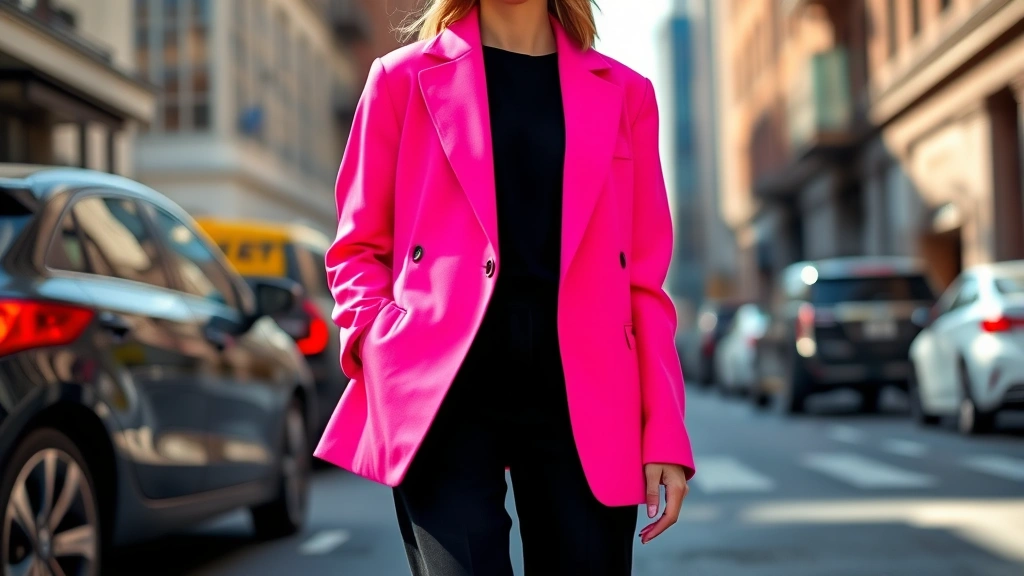
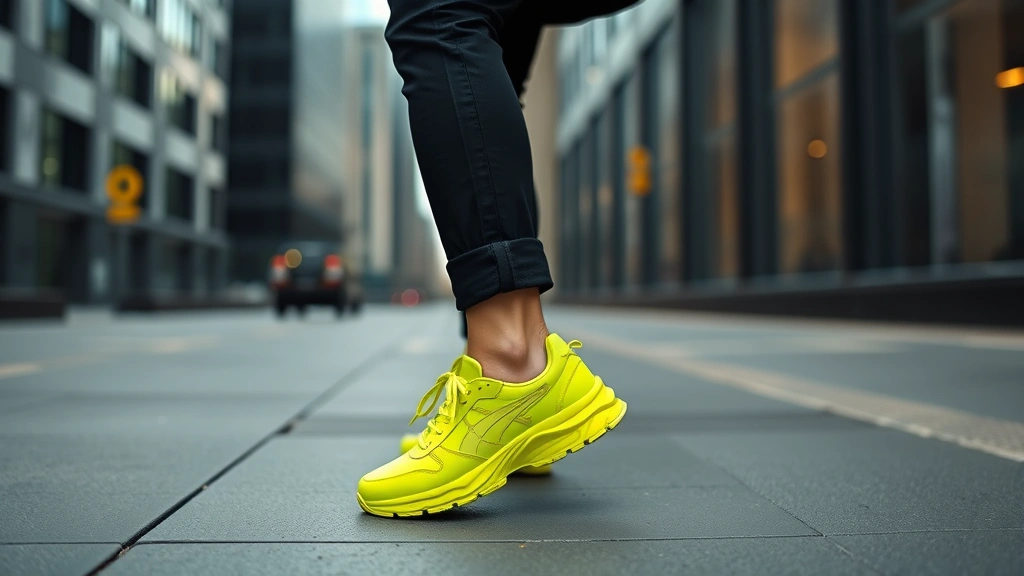
Industry experts from prestigious institutions predict neon will remain prominent through the mid-2020s, though with evolved applications. Rather than dominating entire outfits, neon increasingly serves as strategic accent elements. A neon blazer paired with neutral basics, neon sneakers with monochromatic looks, or fluorescent accessories elevating understated ensembles represent the sophisticated evolution of this trend.
Leading fashion forecasters suggest that sustainability concerns will reshape how neon appears in future collections. The dye production associated with traditional neon fabrics raises environmental questions that conscious designers are addressing through innovative textile technologies and responsible manufacturing practices.
Celebrity endorsement significantly impacts trend longevity. When A-list stylists incorporate neon into red carpet moments and street style, it validates the aesthetic for mainstream audiences. Recent sightings of major celebrities in neon pieces at fashion weeks and public appearances indicate sustained industry commitment to the trend.
The consensus among style experts? 80s neon fashion is experiencing genuine revival, not temporary resurgence. However, the way it manifests will continue evolving, becoming more refined and intentional rather than loud and overwhelming.
How to Wear Neon Without Looking Costume-y
The primary challenge facing neon enthusiasts involves balancing boldness with sophistication. Fashion stylists emphasize several strategic approaches to incorporating neon successfully.
Strategic Placement Strategy: Rather than full neon outfits, modern styling favors neon as an accent. A neon pink handbag against all-black clothing creates impact without overwhelming. Neon sneakers ground a neutral dress-and-blazer combination with contemporary edge. This approach maintains sophistication while capturing neon’s energetic essence.
Monochromatic Foundations: Pairing neon pieces with equally saturated or neutral basics ensures visual coherence. All-black outfits provide dramatic backdrops for neon accessories. Alternatively, matching neon intensity across an outfit (neon top with neon bottoms in complementary shades) requires confidence but delivers compelling results when executed intentionally.
Texture Variation: Mixing neon with different fabrics elevates the overall aesthetic. Neon silk blouses, neon leather jackets, or neon knit sweaters each communicate different style narratives. Texture prevents neon from reading as costume-like because varied fabrication signals intentional fashion choices rather than novelty.
Proportional Balance: Oversized neon pieces feel more contemporary than tight-fitting versions. A flowing neon shirt, relaxed neon trousers, or oversized neon sweater embodies current silhouette preferences while showcasing color confidently.
Understanding how to find your personal style proves essential when incorporating trend pieces like neon. The most successful neon styling reflects individual personality rather than trend-chasing.
The Psychology Behind Neon Color Appeal
Fashion psychology experts explain why neon resonates so powerfully with contemporary audiences. Color psychology reveals that fluorescent hues trigger specific emotional and physiological responses.
Neon colors stimulate visibility and attention-seeking behaviors. In our increasingly digital, screen-saturated world, neon provides tangible, physical brightness that mirrors digital luminescence. This creates psychological comfort for digitally-native generations who find neon’s glow inherently appealing.
The confidence factor cannot be overlooked. Wearing neon requires decisiveness and self-assurance. It’s not a color for the indecisive or self-conscious. Psychologically, individuals who choose neon signal comfort with visibility and social presence. This aspirational quality attracts those seeking to project confidence and individuality.
Additionally, neon represents rebellion against minimalism’s dominance. After years of Marie Kondo-inspired neutral aesthetics, neon offers liberation through color. It’s anti-minimalist, anti-quiet luxury, and unapologetically expressive. For younger consumers, this rebellious energy appeals strongly.
Environmental psychology also plays a role. Neon’s association with urban nightlife, excitement, and energy creates aspirational mental imagery. Wearing neon connects individuals to feelings of vitality and aliveness, even in mundane daily contexts.
Neon Fashion in Contemporary Streetwear
Streetwear’s evolution has provided neon with a permanent home in modern fashion. What began as underground subculture expression has become mainstream aesthetic, and neon thrives within this context.
Luxury streetwear brands like Off-White and Balenciaga regularly feature neon elements in collections. These high-fashion interpretations legitimize neon as sophisticated rather than solely playful. When luxury designers invest in neon development, it signals serious trend commitment.
Skate culture, hip-hop aesthetics, and athletic wear have historically embraced bright colors. Contemporary streetwear unites these influences, creating spaces where neon feels natural and authentic. Neon hoodies, neon cargo pants, and neon accessories align perfectly with streetwear’s visual language.
The intersection of types of fashion styles increasingly includes neon elements. Streetwear’s influence on high fashion means neon now appears across all style categories, from minimalist to maximalist, from athletic to avant-garde.
Social media amplifies streetwear neon visibility exponentially. TikTok creators and Instagram influencers showcase neon styling daily, normalizing the aesthetic for millions of viewers. This democratization of fashion representation ensures neon remains visible and desirable across demographics.
Sustainable Neon: The Modern Approach
As fashion increasingly prioritizes sustainability, neon production faces scrutiny. Traditional synthetic dyes used for neon colors involve chemical processes with environmental implications. However, innovative designers are developing responsible alternatives.
Sustainable fashion brands now experiment with natural dyes and eco-friendly synthetic alternatives that achieve neon-adjacent brightness. Companies invest in technologies reducing water consumption and chemical waste in dye production. While perfect sustainability remains elusive, the industry demonstrates genuine commitment to improvement.
Secondhand neon fashion offers another sustainable solution. Vintage 80s pieces contain authentic neon quality while avoiding new production environmental costs. Thrifting neon creates circular economy benefits and appeals to eco-conscious consumers seeking style with conscience.
Durability considerations matter significantly. Investing in quality neon pieces that last longer reduces overall environmental impact. Fast fashion’s throwaway culture contradicts neon’s comeback narrative. Serious neon enthusiasts favor well-made pieces from reputable brands committed to longevity.
The fashion industry’s broader sustainability evolution suggests neon’s future depends on responsible production. Designers and consumers who prioritize environmental impact will shape whether neon becomes a permanent fixture or fades due to ecological concerns. Current momentum indicates the former trajectory.
FAQ
Is 80s neon fashion a permanent trend or temporary nostalgia?
Fashion experts indicate neon represents genuine trend revival rather than fleeting nostalgia. The consistent presence across luxury and streetwear brands, combined with psychological appeal and social media amplification, suggests neon will remain prominent through the mid-2020s. However, styling approaches will continue evolving toward sophistication and intentionality.
How do I incorporate neon into my wardrobe without appearing costume-like?
Strategic placement proves key. Use neon as accent pieces rather than full outfits, pair with neutral foundations, vary textures, and prioritize oversized silhouettes. Understanding your personal style ensures neon choices reflect authentic preferences rather than trend-chasing.
What neon pieces are most versatile for everyday wear?
Neon sneakers, accessories, and layering pieces offer maximum versatility. A neon belt, bag, or jacket can elevate multiple outfits without requiring complete wardrobe overhaul. These pieces integrate neon into existing wardrobes seamlessly.
Are there sustainable neon fashion options?
Yes. Brands increasingly develop eco-friendly dyes and sustainable production methods. Secondhand vintage neon pieces provide authentic options with environmental benefits. Investing in quality neon garments from responsible brands ensures durability and reduced environmental impact.
Which celebrities are currently wearing neon fashion?
Multiple A-list celebrities regularly incorporate neon into public appearances and red carpet moments. Fashion weeks consistently feature neon in designer collections, with stylists championing the aesthetic for major public figures.
How does neon fit within broader fashion history?
Understanding fashion history timeline reveals that trends cycle approximately every 20-30 years. The 80s naturally returned to fashion focus around 2010-2015. Contemporary neon represents this cycle’s legitimate expression rather than ironic repetition.