80s Fitness Fashion: Expert Styling Tips for Modern Athletes
The 1980s revolutionized fitness culture, and with it came one of the most iconic and visually striking fashion movements ever created. 80s fitness fashion wasn’t just about functionality—it was about making a bold statement while breaking a sweat. From neon leg warmers to high-waisted spandex and oversized athletic jackets, this era defined workout wear in ways that continue to influence contemporary style today. The beauty of 80s fitness fashion lies in its unapologetic vibrancy, its celebration of color, and its ability to blend performance with personality in ways that feel refreshingly relevant in our current athleisure-dominated world.
Whether you’re a fitness enthusiast looking to channel retro vibes at the gym, a fashion lover seeking inspiration from one of style’s most exuberant decades, or someone interested in understanding how athletic wear evolved, this comprehensive guide will help you master 80s fitness fashion. We’ll explore the key pieces, styling techniques, and cultural context that made this era unforgettable, plus practical tips for incorporating these trends into your modern wardrobe authentically and confidently.
The Cultural Impact of 80s Fitness Fashion
The 1980s marked a pivotal moment in fitness history. The rise of aerobics, popularized by icons like Jane Fonda, created an unprecedented demand for stylish, functional workout clothing. This wasn’t simply about performance; it was about visibility, confidence, and self-expression. People wanted to look as good as they felt while exercising, and the fashion industry responded with enthusiasm and creativity.
Understanding the context of 80s and 90s fashion helps us appreciate why fitness wear became such a dominant force in mainstream style. The decade celebrated excess, boldness, and individualism. Neon colors weren’t just trendy—they represented optimism and energy. Bright patterns and eye-catching combinations reflected the era’s cultural mood. As Vogue has documented extensively, the 80s fitness movement democratized fashion by making stylish athletic wear accessible to everyday people, not just professional athletes.
The influence extended far beyond the gym. Fitness fashion became streetwear, appearing in music videos, movies, and everyday life. Celebrities and musicians embraced the aesthetic, making it aspirational and desirable. This crossover between functional sportswear and high fashion established templates for athleisure that remain relevant today.
Essential 80s Fitness Fashion Pieces
Mastering 80s fitness fashion begins with understanding the foundational pieces that defined the era. These items work best when combined intentionally and styled with confidence.
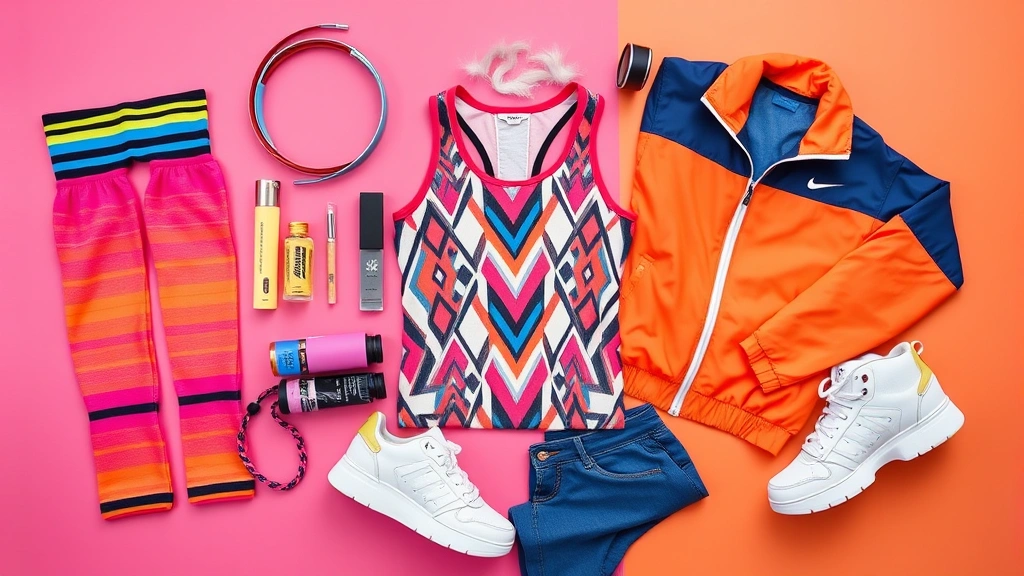
Leg Warmers: Perhaps the most iconic 80s fitness accessory, leg warmers served both practical and aesthetic purposes. Originally designed to keep muscles warm during workouts, they became a fashion statement. Authentic 80s style calls for leg warmers in bold colors or patterns, worn over tights or leggings. The key is embracing their visibility rather than hiding them away.
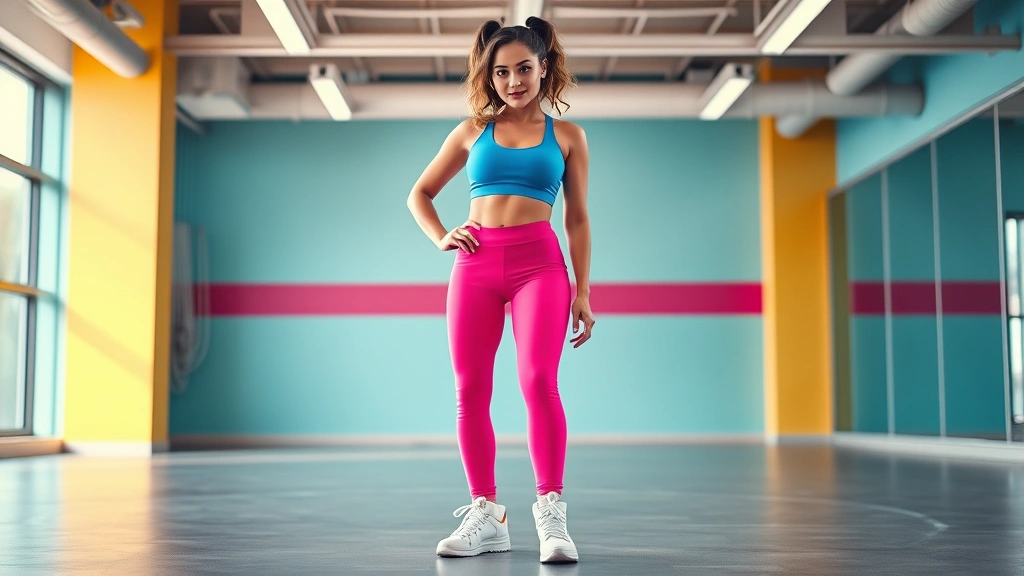
Leggings and Tights: High-waisted leggings and thick tights were workout staples. Look for versions in solid neon colors, geometric patterns, or metallic finishes. The higher the waistband, the more authentically 80s your look becomes. Pair them with oversized tops for that signature silhouette.
Sports Bras and Tank Tops: Bright, bold sports bras worn as visible pieces (not hidden under clothes) perfectly capture 80s fitness energy. Tank tops in neon, with geometric prints or metallic fabrics, provide excellent layering options. The more visible your athletic wear, the more you’re embracing the era’s philosophy.
Oversized Sweatshirts and Jackets: Colorful, oversized sweatshirts and athletic jackets are essential to achieving that relaxed yet intentional 80s look. Acid-washed denim jackets, bright windbreakers, and oversized hoodies work beautifully. These pieces should feel deliberately loose and comfortable.
Spandex Shorts: High-waisted, form-fitting shorts in bold colors or patterns are quintessentially 80s. Pair them with oversized tops for balance. The contrast between fitted and loose silhouettes defines the era’s aesthetic.
When building your collection, visit fashion types resources to understand how fitness wear fits within broader style categories and can complement your existing wardrobe.
Color Combinations and Neon Styling
Color is perhaps the most distinctive element of 80s fitness fashion. The decade rejected subtlety in favor of boldness, and nowhere is this more evident than in athletic wear color choices.
Neon Fundamentals: Neon colors—hot pink, electric blue, lime green, bright orange, and neon yellow—are non-negotiable for authentic 80s fitness styling. These colors were chosen not for subtle sophistication but for visibility and energy. When selecting neon pieces, embrace saturation fully. Pale or muted versions miss the mark entirely.
Color Blocking: One of the era’s signature techniques involves combining multiple bright colors in one outfit. Pair neon pink leggings with an electric blue sports bra and a bright yellow windbreaker. This approach requires confidence but delivers undeniable 80s authenticity. The goal is visual impact, not tonal harmony.
Metallic Accents: Silver and gold metallic fabrics were equally popular. Consider metallic sports bras, shiny leggings, or reflective jackets. These pieces catch light beautifully and add dimensional interest to your outfit.
Pattern Mixing: Geometric patterns, stripes, and abstract prints were everywhere. Don’t shy away from combining multiple patterns in one outfit. A striped top with geometric leggings and a patterned jacket perfectly captures the era’s fearless approach to styling.
Color Psychology: Each color choice communicated something about the wearer. Neon pink suggested playfulness and femininity, electric blue conveyed energy and strength, while lime green represented boldness and confidence. When choosing your colors, consider what message you want to send.
Explore fashion style principles to learn how color theory applies to creating cohesive looks within the 80s fitness aesthetic.
Iconic Accessories That Defined the Era
Accessories transformed basic fitness outfits into complete 80s statements. These finishing touches demonstrate understanding of and respect for the era’s aesthetic.
Headbands and Sweatbands: Wide, colorful headbands and sweatbands served practical purposes while providing style opportunities. Neon, metallic, or patterned versions worked beautifully. Wear them across your forehead or push them back for different effects.
Wristbands and Arm Warmers: Coordinating wristbands with your outfit adds authenticity. Stacked multiple bands in different colors for maximum impact. Arm warmers in matching or contrasting colors provide both function and fashion.
Socks: Crew-length socks in bright colors or patterns, often worn with sneakers, were essential. Look for thick, cushioned versions that look authentically 80s. Neon colors work best, and don’t worry about matching your outfit perfectly—clashing colors were encouraged.
Sneakers: High-top sneakers in white, neon, or metallic finishes were the footwear of choice. Brands like Nike, Reebok, and Converse dominated the era. Choose styles with visible cushioning and chunky soles. Lace them with neon laces for extra flair.
Jewelry: Statement jewelry was essential to 80s style. Large hoop earrings, chunky bangles, and layered necklaces completed the look. Gold and silver pieces both worked, and mixing metals was perfectly acceptable.
Bags: Small crossbody bags in neon or metallic finishes, or larger gym bags in bold colors, provided practical storage while adding visual interest. Fanny packs, which experienced a minor resurgence, offer authentic 80s flair.
Understanding how to find your personal style helps you select accessories that feel authentic to you while honoring the 80s fitness aesthetic.
Modern Ways to Wear Retro Fitness Styles
Incorporating 80s fitness fashion into contemporary wardrobes requires thoughtful styling that honors the era while feeling current and wearable.
Gym to Street Styling: The beauty of 80s fitness wear is that it works equally well for actual workouts and casual street style. Wear authentic pieces to the gym without self-consciousness. For street styling, balance bold 80s elements with more neutral, contemporary pieces. A neon sports bra with vintage-inspired leggings and a modern oversized blazer creates an intriguing mix.
Retro Workout Sessions: Dedicate certain gym sessions to full 80s outfits. This approach lets you enjoy the aesthetic in its intended context while building confidence with bold styling choices. You’ll likely inspire others and create fun social media content.
Layering Strategies: Modern fitness fashion emphasizes layering, which works beautifully with 80s pieces. Wear a neon sports bra under a sheer tank top, or pair 80s leggings with contemporary crop tops. Layer oversized sweatshirts over fitted athletic wear for visual interest.
Mixing Eras: Combine 80s fitness pieces with contemporary styles for a fresh aesthetic. Pair vintage leg warmers with modern minimalist sneakers. Style neon sports bras with sleek, current bottoms. This mixing creates visual intrigue and feels authentically modern.
Occasion Styling: 80s fitness wear works for casual outings, social events, and themed occasions. A neon windbreaker and coordinating accessories create a cohesive look for casual hangouts. For more formal occasions, use 80s fitness elements as accents rather than the outfit’s foundation.
Confidence as the Final Accessory: The most important element of wearing 80s fitness fashion successfully is confidence. These pieces are bold, attention-grabbing, and deliberately unconventional. Wear them with assurance, and others will follow your lead.
Building Your 80s Fitness Wardrobe
Creating an 80s fitness-inspired wardrobe doesn’t require purchasing everything at once. Strategic, intentional selections build a collection that works cohesively and feels authentic.
Starting with Basics: Begin with foundational neon pieces: one or two pairs of leggings in different colors, a basic sports bra, and a colorful tank top. These versatile basics mix and match easily while establishing your 80s fitness aesthetic.
Adding Layering Pieces: Oversized sweatshirts and windbreakers are essential layering options. Choose at least two in different colors or patterns. These pieces work over almost any outfit and instantly create that relaxed 80s vibe.
Investing in Accessories: Quality accessories elevate any outfit. Choose leg warmers, headbands, and wristbands that coordinate with your clothing. Invest in authentic vintage sneakers if possible; they provide genuine 80s flavor that modern reproductions sometimes miss.
Shopping Strategies: Vintage stores, thrift shops, and online resale platforms offer authentic 80s pieces at reasonable prices. Contemporary brands also produce 80s-inspired athletic wear. Mix vintage and new for an authentic yet practical wardrobe.
Budget Considerations: Building an 80s fitness wardrobe on any budget is possible. Thrift stores offer incredible finds at minimal cost. Contemporary brands provide new pieces for moderate prices. Vintage designer pieces represent larger investments but offer unparalleled authenticity.
Seasonal Adjustments: Adapt your 80s fitness wardrobe seasonally. Summer calls for lighter fabrics, sleeveless tops, and bright colors. Winter invites thicker sweatshirts, longer sleeves, and layering opportunities. Year-round, neon and bold colors remain essential.
Sustainability Consideration: Shopping vintage and secondhand 80s pieces is environmentally responsible while ensuring authenticity. Many original pieces have survived decades and wear beautifully. Supporting resale markets reduces fashion waste while building a unique wardrobe.
Visit the StyleLoom Daily Blog for ongoing inspiration and detailed guides on building cohesive, era-specific wardrobes that reflect your personal style.
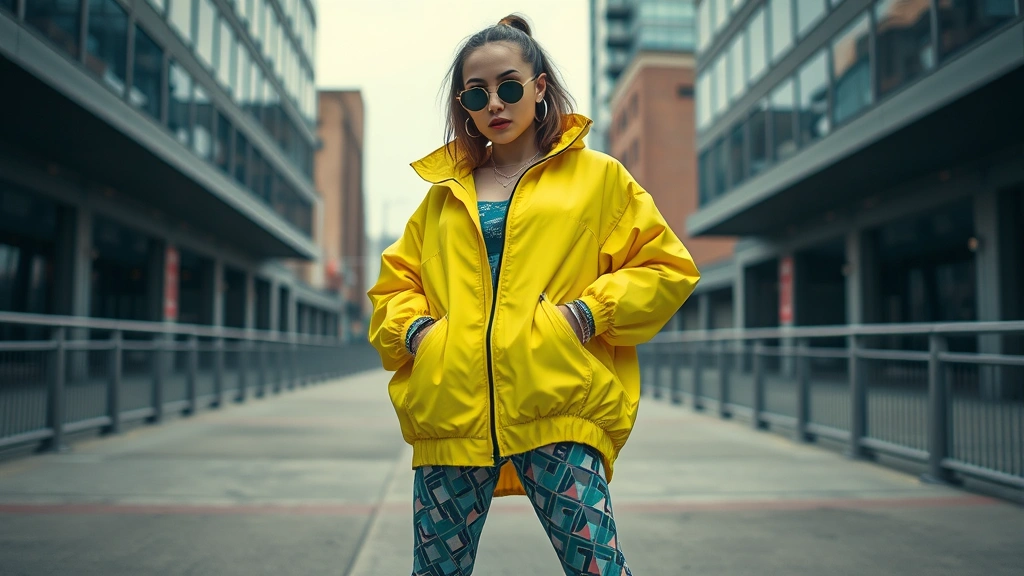
Expert stylists from Harper’s Bazaar have noted that 80s fitness fashion represents a unique moment when functionality and high fashion intersected beautifully. The era’s approach to athletic wear influenced everything from contemporary athleisure to high-fashion runway collections. Designers continue referencing 80s fitness aesthetics because the era’s boldness and confidence remain eternally appealing.
Elle magazine has extensively covered how 80s fashion trends cycle through contemporary style, noting that fitness wear from this era offers particular richness for modern interpretation. The combination of function, fashion, and fearless color choices creates endless styling possibilities.
Fashion historian perspectives from institutions like the Fashion Institute of Technology emphasize that understanding historical context enhances contemporary styling. When you know why 80s fitness fashion emerged and what it represented culturally, styling these pieces becomes more intentional and authentic.
FAQ
What makes 80s fitness fashion different from other decades?
80s fitness fashion is distinguished by its boldness, neon colors, visible athletic wear, and the blending of functional sportswear with high fashion. The era celebrated visibility and self-expression in ways that other decades approached more conservatively. The combination of bright colors, geometric patterns, and deliberately oversized silhouettes creates a unique aesthetic that remains instantly recognizable.
Can I wear 80s fitness fashion if I’m not actually working out?
Absolutely. 80s fitness fashion has become legitimate streetwear and casual style. Many people wear these pieces for everyday activities, social events, and casual outings. The key is styling with confidence and ensuring pieces fit well and feel comfortable for your intended use.
Where should I shop for authentic 80s fitness pieces?
Vintage stores, thrift shops, and online resale platforms like Depop, Poshmark, and Vestiaire Collective offer authentic vintage pieces. Contemporary brands produce new 80s-inspired athletic wear for those seeking unworn items. Mixing vintage and contemporary pieces creates the most interesting and personally relevant wardrobes.
How do I style 80s fitness fashion without looking like a costume?
The key is mixing 80s pieces with contemporary elements and styling with confidence rather than irony. Combine neon leggings with modern sneakers and a current oversized blazer. Balance bold 80s accessories with simpler contemporary pieces. Wear these items because you love them, not as a joke, and others will respond positively.
Are there specific body types that work better with 80s fitness fashion?
80s fitness fashion works beautifully on all body types because the era celebrated diverse silhouettes and oversized, comfortable fits. The high-waisted, loose-fitting aesthetic is flattering across various shapes. Focus on finding pieces that make you feel confident and comfortable rather than worrying about body-type-specific rules.
What’s the difference between authentic 80s pieces and contemporary reproductions?
Authentic vintage pieces offer genuine fabric quality, construction methods, and subtle details that reproductions sometimes miss. Vintage items often have better durability and unique character. Contemporary reproductions provide new, unworn pieces with modern comfort features. Both have merit depending on your priorities and budget.