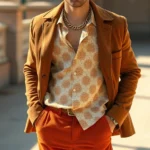
Revive 80’s Men’s Fashion? Expert Insights on Bringing Back the Golden Era
The 1980s represent one of the most audacious and experimental decades in fashion history, and men’s style from this era continues to captivate designers, influencers, and fashion enthusiasts today. From power suits with exaggerated shoulders to neon athletic wear and statement accessories, 80’s men’s fashion embodied confidence, excess, and unapologetic self-expression. But the question remains: should we fully revive this iconic decade, or thoughtfully integrate its best elements into contemporary wardrobes?
Fashion cycles are predictable yet thrilling. What was considered outdated inevitably circles back into relevance, often reimagined through a modern lens. The 80s are experiencing a significant resurgence, with luxury designers drawing inspiration from the decade’s boldness while today’s style-conscious men wonder how to authentically incorporate these vintage vibes without appearing costume-like. Expert fashion historians, contemporary designers, and style influencers offer compelling perspectives on navigating this nostalgic revival.
Understanding the context and nuance of 80’s men’s fashion revival requires more than surface-level appreciation of neon colors and leather jackets. It demands thoughtful curation, understanding proportion and balance, and recognizing which elements translate to modern sensibilities while maintaining the fearless spirit that defined the decade.

Defining the 80s Men’s Fashion Aesthetic
The 1980s represented a dramatic departure from the minimalist sensibilities of the preceding decade. This was an era of excess, where bigger was genuinely better, and subtlety was considered boring. Men’s fashion reflected the decade’s economic optimism, technological advancement, and cultural shifts that celebrated individualism and boldness. The aesthetic was inherently contradictory—simultaneously polished and rebellious, structured yet experimental.
What made 80’s men’s fashion so distinctive was its rejection of understated elegance. The decade embraced oversized proportions, particularly in blazers and shirts. Shoulder pads became architectural elements, transforming the silhouette into powerful, almost geometric shapes. This wasn’t accidental; it was intentional design meant to project authority and confidence in an increasingly competitive professional landscape.
Beyond the corporate sphere, 80’s men’s fashion included subcultural movements that influenced mainstream style. Hip-hop fashion introduced tracksuits, oversized sneakers, and bold gold jewelry. Punk and new wave aesthetics brought leather, zippers, and avant-garde experimentation. Glam rock influences introduced metallic fabrics and androgynous styling. The beauty of 80’s men’s fashion was its pluralistic approach—multiple distinct styles coexisted and influenced each other, creating a remarkably diverse fashion landscape.
When examining the complete fashion history timeline, the 80s stand out as particularly transformative. The decade prioritized self-expression over adherence to rigid rules, which is why contemporary designers continue mining this era for inspiration and why fashion-forward men are increasingly curious about its possibilities.

Iconic Silhouettes That Still Command Respect
Certain silhouettes from the 80s have proven remarkably resilient, continuing to influence men’s fashion even during decades when the broader aesthetic fell from favor. Understanding these foundational shapes helps explain why 80’s men’s fashion maintains cultural relevance.
The Power Suit remains the most significant contribution from 80s men’s fashion to contemporary style. The exaggerated shoulder pad—sometimes reaching absurd proportions—created a silhouette that projected authority and presence. Modern tailors have softened these proportions while maintaining the essential structure. Contemporary power suits honor the 80s original while incorporating contemporary tailoring techniques. Luxury brands like The Prince of Wales have successfully reimagined power dressing for modern executives.
The Oversized Blazer has become a staple of contemporary men’s fashion, directly descended from 80s styling. Worn casually over t-shirts or formal wear, the oversized blazer provides that same confident silhouette without the aggressive shoulder padding. This represents successful adaptation—taking the essential spirit of 80’s men’s fashion while modernizing the execution.
Fitted Leather Jackets gained prominence during the 80s, though they weren’t invented then. The decade perfected the proportions, creating slim, tailored leather jackets that emphasized the wearer’s frame. These remain relevant because they’re fundamentally flattering and versatile. The 80s proved that leather jackets could work in professional contexts, not just rebellious ones.
Athletic and Tracksuits emerged from 80s hip-hop culture and have experienced genuine mainstream revival. The juxtaposition of athletic wear with formal accessories epitomizes the 80s approach to fashion rule-breaking. Today’s designers offer luxury tracksuits that honor their 80s origins while using contemporary fabrics and construction.
Color Palettes and Patterns Worth Revisiting
If 80’s men’s fashion had a visual signature, it would be its fearless approach to color. The decade embraced neon, pastel, and jewel tones with equal enthusiasm. While a full return to neon everything would read as costume, strategic use of the 80s color philosophy can energize contemporary wardrobes.
Neon and Bright Accents originally appeared in 80s athletic wear and casual fashion. Rather than wearing head-to-toe neon, contemporary styling suggests incorporating these colors as accents—a neon trim on sneakers, a bright shirt under a neutral blazer, or neon socks as a hidden statement. This approach captures the 80s spirit of boldness while maintaining modern sophistication.
Pastels represented a softer side of 80’s men’s fashion, particularly in Miami Vice-inspired styling. Pale pink, mint green, and lavender shirts worn with lighter suits became iconic. Contemporary menswear has embraced pastels in more refined applications, suggesting that the 80s pioneered something genuinely appealing about these softer tones.
Jewel Tones like emerald, sapphire, and ruby appeared frequently in 80s formal wear. These colors communicate luxury and confidence without the jarring quality of neon. Modern formal occasions increasingly feature men in jewel-toned suits, a direct influence from 80’s men’s fashion.
Geometric and Abstract Patterns defined 80s casual wear. Memphis design, squiggles, and geometric shapes appeared on everything from shirts to accessories. While full-scale geometric patterns might overwhelm modern sensibilities, incorporating these through subtle prints or vintage pieces adds authentic 80s flavor.
Metallics and Lamé fabrics represented the decade’s futuristic aspirations. While not practical for everyday wear, metallic accents—through accessories, sneakers, or statement pieces—capture this essential 80s aesthetic. Contemporary designers have made metallics more wearable through restraint and strategic placement.
Understanding how to balance color is crucial when finding your personal style through 80s inspiration. The key is intentionality—choosing specific colors and patterns for deliberate effect rather than adopting the entire palette indiscriminately.
Accessories and Statement Pieces
Accessories were where 80’s men’s fashion truly became unrestrained. This wasn’t an era of minimalist jewelry and subtle belts. Statement-making was the objective, and accessories were primary vehicles for self-expression.
Jewelry in 80’s men’s fashion included thick gold chains, chunky rings, and bold bracelets. While contemporary tastes prefer more restraint, the confidence underlying these choices remains valuable. Modern men can honor this aesthetic through carefully selected pieces—perhaps a substantial watch, meaningful rings, or a single statement chain rather than multiple heavy pieces.
Sunglasses became iconic accessories during the 80s, with oversized frames and mirrored lenses dominating. These remain genuinely fashionable today, with contemporary versions maintaining the bold proportions while using modern lens technology. Vintage 80s sunglasses have become collectible items, indicating their lasting appeal.
Belts and Buckles were architectural elements in 80’s men’s fashion. Wide leather belts with prominent buckles—sometimes featuring logos, metals, or bold colors—were essential to completing looks. Contemporary fashion has embraced statement belts, suggesting this 80s element has genuine staying power.
Scarves and Neck Wear appeared in unexpected ways during the 80s. Silk scarves worn loosely around necks, colorful ties with bold patterns, and neck scarves as fashion statements represented the decade’s approach to transforming utilitarian items into expressive pieces. This willingness to experiment with neckwear remains relevant for men wanting to add personality to outfits.
Hats and Headwear ranged from baseball caps to fedoras to knit beanies, often worn with intentional styling rather than practical purpose. The 80s established that hats could be fashion statements rather than merely functional, an idea that contemporary menswear continues exploring.
Sneakers as Status Symbols became prominent during the 80s, with specific brands and styles communicating cultural identity. Contemporary sneaker culture directly descends from this 80s foundation. Vintage 80s sneakers have become highly collectible, with original Air Jordans and other era-specific shoes commanding significant prices.
How to Integrate 80s Elements into Modern Wardrobes
The challenge of reviving 80’s men’s fashion lies in avoiding costume-like styling while capturing the decade’s authentic spirit. Fashion experts suggest a thoughtful integration approach rather than wholesale adoption.
Start with Silhouettes: Begin by incorporating 80s-inspired cuts into your wardrobe. Invest in a well-tailored blazer with subtle shoulder structure. Choose oversized shirts or jackets that create interesting proportions without overwhelming your frame. These foundational pieces can be styled with entirely contemporary items, creating a modern look with 80s DNA.
Add Color Strategically: Rather than adopting the full 80s color palette, select one or two colors that appeal to you personally. Perhaps you love jewel tones or pastels. Build outfits around these colors, using neutral pieces to ground the look. A pastel pink shirt worn with charcoal trousers and contemporary sneakers honors 80’s men’s fashion while remaining undeniably modern.
Incorporate Vintage Pieces: Authentic vintage 80s pieces often carry more credibility than contemporary reproductions. Thrifting or shopping vintage retailers for genuine 80s items creates unique, conversation-starting outfits. A vintage 80s band tee, leather jacket, or patterned shirt serves as a foundation for building modern-looking ensembles.
Balance Proportion: The 80s embraced exaggerated proportions, but contemporary menswear emphasizes balance. If wearing an oversized blazer, pair it with fitted trousers. If choosing a bold patterned shirt, balance it with solid-colored pieces. This approach captures the 80s spirit while maintaining visual harmony.
Mix Eras: Combining 80s elements with pieces from other decades creates sophisticated, intentional styling. Pair 80s-inspired colors with 90s-influenced minimalism or contemporary cuts. This eclecticism actually honors how people genuinely dressed in the 80s—mixing decades based on personal preference and available resources.
Consider Context: 80’s men’s fashion was contextual—different subcultures and social situations called for different aesthetics. Contemporary styling should similarly consider context. A bold, colorful 80s-inspired outfit works for creative industries or social events, while professional environments might call for more subtle integration.
When exploring 70s fashion outfits and 90s fashion, you’ll notice how each era influenced subsequent decades. Understanding these connections helps contextualize 80’s men’s fashion within broader fashion evolution rather than treating it as isolated nostalgia.
Designer Perspectives on the 80s Revival
Contemporary fashion designers have increasingly drawn inspiration from 80’s men’s fashion, suggesting the decade offers genuine creative possibilities rather than mere nostalgia. Leading designers across luxury and contemporary brands acknowledge the 80s influence in their collections.
Fashion historians note that the 80s represent a unique moment when fashion rules were openly questioned and rejected. This fearlessness appeals to contemporary designers seeking to break current conventions. The decade provides a template for bold self-expression without apology.
Luxury fashion houses have incorporated 80s elements through tailoring updates, color choices, and silhouette references. Vogue regularly features articles exploring 80s fashion’s influence on contemporary collections, indicating sustained industry interest. Designers appreciate the 80s for proving that fashion can be simultaneously playful and powerful.
The 80s also demonstrated that subcultures significantly influence mainstream fashion. Hip-hop, punk, new wave, and glam rock aesthetics all permeated 80s men’s fashion, creating a genuinely pluralistic style landscape. Contemporary designers recognize this model of cultural cross-pollination as valuable for creating fresh, relevant work.
Sustainability considerations have also revived interest in 80’s men’s fashion. As fashion increasingly emphasizes vintage and secondhand shopping, authentic 80s pieces become accessible and desirable. Wearing genuine vintage 80s items reduces environmental impact compared to purchasing new reproductions, making the 80s revival both stylish and responsible.
Expert Styling Tips for 80s-Inspired Looks
The Refined Power Look: Begin with a tailored blazer featuring subtle shoulder structure (not exaggerated 80s proportions). Pair with slim-fit trousers in a complementary color. Add a silk tie or bow tie in a bold pattern or jewel tone. Complete with contemporary leather shoes. This approach captures the 80s power aesthetic while appearing modern and professional.
The Casual Cool Approach: Wear an oversized vintage band tee or graphic shirt from the 80s with fitted black jeans and contemporary sneakers. Layer with a denim or leather jacket. Add a simple chain necklace or bracelet. This creates an effortlessly cool look that honors 80’s men’s fashion without appearing costume-like.
The Color-Forward Statement: Choose a jewel-toned or pastel shirt as your focal point. Pair with neutral trousers (black, gray, or beige). Add minimalist accessories to avoid overwhelming the look. Wear contemporary sneakers or loafers. This approach emphasizes color—an essential element of 80’s men’s fashion—while maintaining modern proportions.
The Layered Texture Mix: Combine different textures to create visual interest in the 80s style. Pair a smooth leather jacket with a patterned silk shirt and fitted trousers. Add metallic accessories or sneakers with unexpected details. This approach captures the 80s love of visual drama while remaining wearable.
The Athletic-Inspired Ensemble: Wear a luxury tracksuit in a contemporary color or with subtle pattern. Add high-end sneakers and minimal accessories. This honors the 80s tracksuit trend while using modern tailoring and materials. It works for casual outings and creative professional environments.
The Accessories-Heavy Look: Keep your clothing relatively neutral (simple tee, fitted jacket, solid trousers) and let accessories carry the 80s flavor. Add bold sunglasses, multiple rings, a statement watch, and perhaps a silk scarf. This approach allows you to emphasize the 80s aesthetic while maintaining wearable clothing foundations.
The Style Loom Daily Blog features additional contemporary styling guides and fashion articles that help contextualize vintage inspiration within modern wardrobes. Fashion advice has evolved to recognize that personal style often draws from multiple eras and influences.
FAQ
Is 80’s men’s fashion actually coming back, or is this just nostalgia?
Both elements are present. Fashion operates in cycles, and the 80s are genuinely influencing contemporary design. However, the revival isn’t wholesale adoption—it’s selective integration. Designers and stylish men are identifying elements that remain appealing (bold colors, confident silhouettes, statement accessories) while updating others. This represents genuine fashion evolution rather than mere nostalgia.
Can I wear 80’s men’s fashion without looking like I’m in costume?
Absolutely. The key is intentionality and balance. Choose specific 80s elements that appeal to you personally rather than adopting the entire aesthetic. Pair 80s-inspired pieces with contemporary items. Focus on silhouettes and colors rather than exact reproductions. Avoid wearing multiple extreme 80s elements simultaneously. This approach creates modern outfits with 80s influences rather than costume-like recreations.
Which 80s fashion elements are most wearable today?
Oversized blazers, fitted leather jackets, statement accessories, jewel tones, and bold patterns remain genuinely wearable. Power suit silhouettes work in professional contexts. Tracksuits function for casual wear. Pastels and neons work as accents. These elements have proven staying power because they’re fundamentally flattering or expressive regardless of era.
Where can I find authentic 80s pieces?
Vintage retailers, thrift stores, online vintage marketplaces, and specialty consignment shops offer authentic 80s pieces. Estate sales and local vintage shops often feature genuine items at reasonable prices. Online platforms like Depop and Vestiaire Collective specialize in vintage fashion. Authentic pieces often carry more credibility than contemporary reproductions.
How do I balance 80s elements with contemporary style?
Mix eras deliberately. Pair 80s-inspired colors with contemporary silhouettes. Wear vintage 80s pieces with modern accessories. Use 80s elements as accents rather than foundations. Consider context and occasion. Focus on elements that appeal to you personally rather than adopting the entire aesthetic. This creates authentic personal style rather than costume-like outfits.
Are there professional contexts where 80s fashion works?
Yes. Creative industries (fashion, design, entertainment, technology) embrace 80s-inspired fashion more openly. Power suits with updated tailoring work in formal professional settings. Even conservative industries increasingly accept subtle 80s influences through colors and silhouettes. The key is ensuring your outfit communicates confidence and intentionality rather than appearing costume-like or unprofessional.
What’s the relationship between 80s fashion and other vintage styles?
Each decade influences subsequent ones. The 80s drew from 70s fashion and influenced 90s aesthetics. Understanding fashion design degree programs reveals how fashion history is studied systematically. Contemporary style often combines elements from multiple eras, creating eclectic personal aesthetics rather than adhering to single-decade themes.