Revamp 70s Fashion Outfits: Expert Advice for Modern Styling
The 1970s remain one of fashion’s most iconic decades, offering a treasure trove of inspiration for contemporary style enthusiasts. From flowing bell-bottoms and wide-collar shirts to bohemian maxi dresses and suede jackets, 70s fashion outfits continue to dominate runways and street style. Whether you’re drawn to the disco glamour of Studio 54 or the earthy vibes of the hippie movement, incorporating vintage seventies elements into your modern wardrobe requires finesse and understanding of how to blend retro charm with current sensibilities.
Today’s fashion landscape celebrates nostalgia with intentionality. Styling 70s fashion outfits isn’t about recreating exact looks from decades past—it’s about capturing the spirit and essence of that transformative era while maintaining relevance in 2024. This comprehensive guide will walk you through expert strategies for revamping classic seventies silhouettes, color palettes, and accessories to create outfits that feel both timeless and contemporary. Whether you’re a vintage enthusiast or simply curious about incorporating retro elements into your closet, these expert tips will elevate your styling game.
Understanding 70s Fashion Fundamentals
The 1970s witnessed unprecedented fashion experimentation and cultural expression. This decade wasn’t monolithic—it encompassed multiple distinct movements that coexisted and influenced one another. The early seventies leaned toward bohemian and hippie aesthetics, emphasizing natural fabrics, earthy tones, and comfortable silhouettes. Mid-seventies fashion introduced disco culture, bringing metallics, bold patterns, and body-conscious designs. The late seventies embraced punk influences, adding edge and attitude to mainstream fashion.
Understanding these subcategories is crucial when revamping 70s fashion outfits. Each movement carried its own philosophy about clothing and self-expression. The hippie movement rejected consumerism and mainstream fashion conventions, celebrating individuality through thrifted pieces, handmade accessories, and unconventional combinations. Disco culture, conversely, embraced luxury, glamour, and high-fashion sensibilities. Punk fashion rebelled against both hippie idealism and disco excess, introducing ripped clothing, leather, and provocative styling.
Modern styling of seventies fashion requires understanding these distinctions. When you’re exploring 70s fashion ideas, you’re not simply choosing a decade—you’re selecting a cultural moment and aesthetic philosophy. This nuance separates authentic vintage-inspired styling from costume-like attempts that feel dated rather than timeless.
The silhouettes that defined the seventies remain universally flattering when styled correctly. High-waisted pants, flowing fabrics, and layered combinations work across body types and personal style preferences. What makes seventies fashion enduring is its focus on comfort and self-expression rather than rigid conformity. This democratization of style—the idea that fashion should serve the wearer rather than the wearer serving fashion—remains revolutionary and relevant.
Key Pieces Every Seventies-Inspired Wardrobe Needs
Building a cohesive collection of 70s fashion outfits begins with identifying essential pieces that anchor your styling. These foundational items provide versatility and can be mixed with contemporary pieces to create balanced looks that feel current rather than costumey.
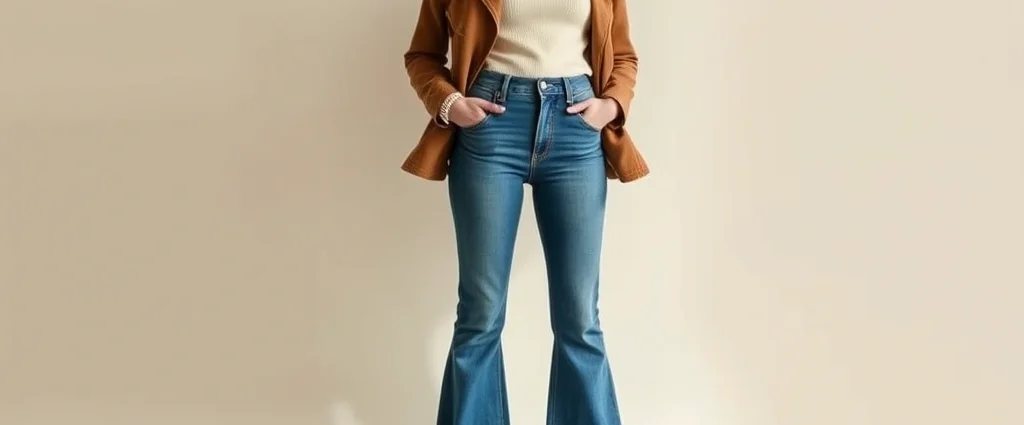
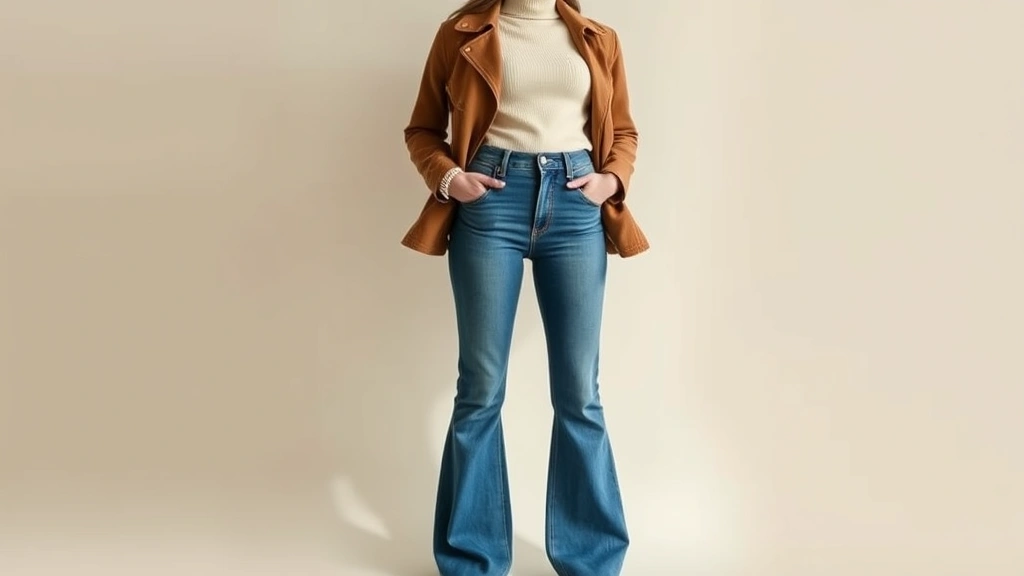
Flared and Bell-Bottom Pants: These silhouettes define seventies fashion more than perhaps any other single piece. Modern versions often feature higher rises and slightly more tailored cuts than original seventies iterations, making them more accessible for contemporary bodies and style preferences. Invest in quality denim bell-bottoms in classic indigo, as well as corduroy or velvet versions for elevated occasions. The key to modern styling is pairing flares with fitted or cropped tops to balance proportions.
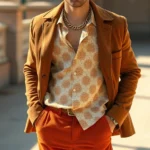
Wide-Collar Shirts: Often called kipper collars, these exaggerated collar styles became synonymous with seventies menswear and eventually women’s fashion. Look for versions in silk, satin, or cotton blends that drape elegantly. These work beautifully as statement pieces layered over fitted tees or worn open as tunics. When exploring how to find your personal style, wide-collar shirts offer an excellent way to test retro styling without full commitment.
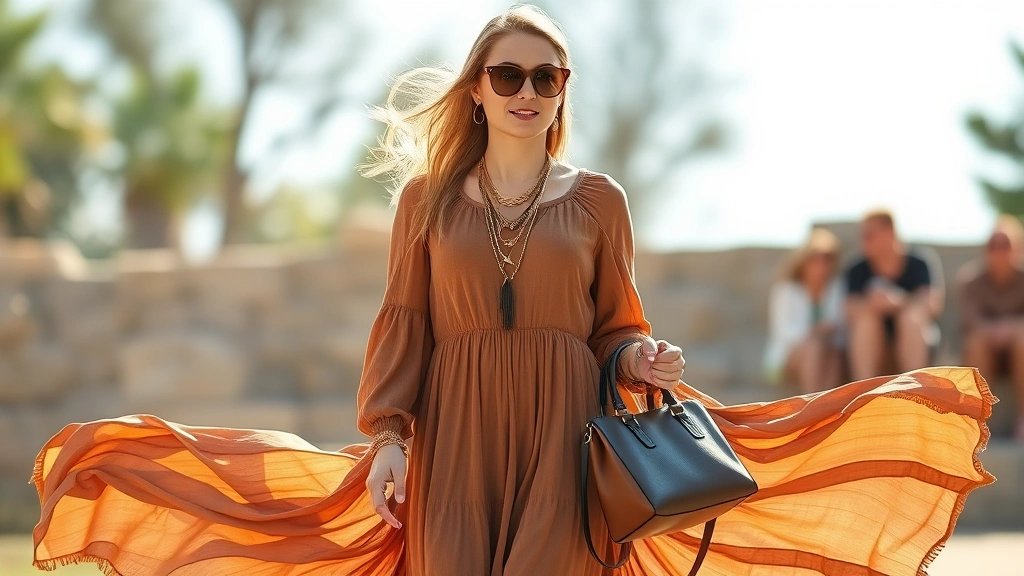
Maxi Dresses and Skirts: Flowing maxi silhouettes in lightweight fabrics epitomize bohemian seventies aesthetics. Modern versions often feature slits, asymmetrical hems, or strategic waist definition that updates the silhouette. These pieces work year-round when styled thoughtfully—wear them with boots and leather jackets in cooler months, or with sandals and minimal jewelry in warmer seasons.
Suede and Leather Jackets: The seventies obsession with suede remains relevant today. Fringe-trimmed suede jackets, leather blazers with oversized lapels, and structured leather coats all reference the decade. These pieces elevate casual outfits and ground more experimental combinations with their inherent structure and quality.
Knit Vests and Cardigans: Chunky knit vests, often featuring geometric patterns or earth tones, provide layering opportunities while nodding to seventies aesthetics. These work beautifully over fitted tees or worn open as lightweight layers. Crochet details and open-knit construction add visual interest while maintaining breathability.
Color Palettes That Define the Decade
Color selection dramatically impacts whether 70s fashion outfits feel authentically vintage or uncomfortably dated. The seventies embraced distinctive color combinations that now serve as immediate visual markers of the era.
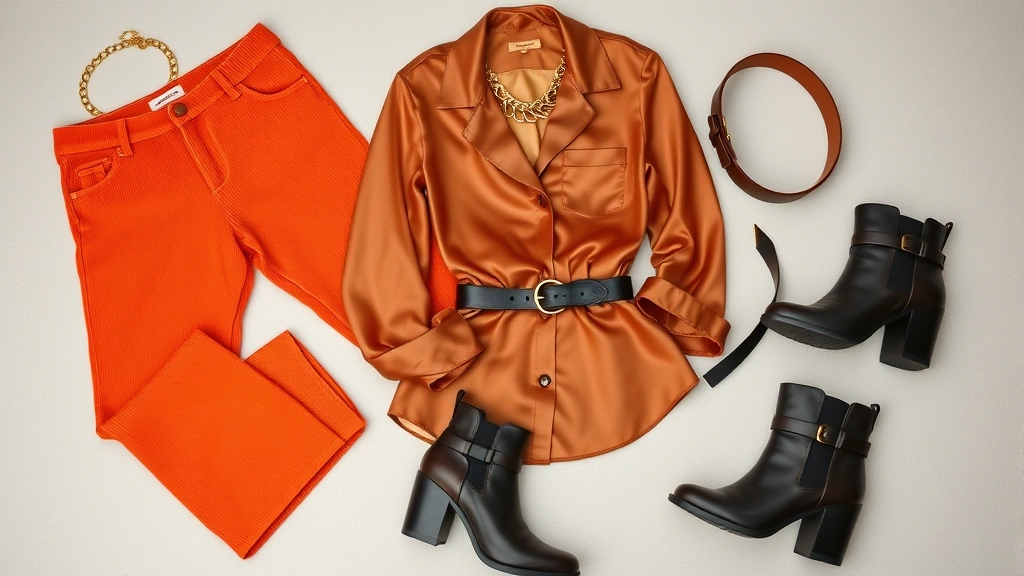
Earth Tones and Naturals: Browns, tans, ochres, burnt orange, and rust dominated early seventies fashion. These colors reflected the bohemian movement’s connection to nature and rejection of artificial aesthetics. Modern styling can leverage these warm, grounding tones by pairing them with contemporary neutrals or unexpected accent colors. A burnt orange suede jacket over cream linen pants creates sophisticated seventies styling without feeling like costume.
Jewel Tones: Deep emerald, sapphire, burgundy, and plum provided richness and drama in seventies fashion. These colors work beautifully in modern contexts, particularly in quality fabrics that elevate the look. A jewel-tone maxi dress styled with minimal accessories and modern shoes feels contemporary despite its vintage inspiration.
Metallics and Disco Brights: Gold, silver, and bright primary colors defined disco fashion. Modern styling of these colors requires restraint—incorporate metallics through accessories or small statements rather than head-to-toe applications. A gold lamé top paired with black modern pants creates seventies glamour without overwhelming.
Avocado, Harvest Gold, and Harvest Harvest Tones: These distinctly seventies colors appear less frequently in modern fashion, which makes them powerful tools for authentic styling. A subtle avocado-toned piece worn with contemporary basics creates an interesting point of interest without appearing costumey.
The key to successful color application in seventies-inspired styling is intentionality. Rather than matching the entire seventies color palette, select one or two signature colors and build around them with modern neutrals. This approach honors the decade while maintaining contemporary relevance.
Styling Bell-Bottoms and Flared Pants
Bell-bottom pants represent perhaps the most iconic silhouette of seventies fashion. Successfully integrating these into modern 70s fashion outfits requires understanding proportion, fabric choice, and complementary pieces.
The Proportion Challenge: Bell-bottoms create visual volume at the leg opening, which means tops should provide balance. Fitted, cropped, or tucked tops work best, as they prevent the silhouette from becoming overwhelming. A fitted bodysuit tucked into high-waisted flares creates an elegant, elongated line. Alternatively, a cropped sweater or fitted blazer worn over a tucked tee achieves similar balance.
Fabric Considerations: Denim bell-bottoms feel more casual and contemporary than polyester or satin versions, making them excellent starting points for seventies styling. Corduroy, velvet, and linen options offer variety while maintaining approachability. Heavier fabrics like corduroy drape beautifully and feel more structured, while lightweight linen versions provide summer styling opportunities.
Footwear Pairings: The shoes you choose dramatically impact the overall vibe of bell-bottom outfits. Chunky platform boots, pointed-toe ankle boots, or strappy heels all reference the seventies while feeling current. Alternatively, sleek flat shoes or modern sneakers ground the vintage silhouette in contemporary styling. Avoid delicate, dainty footwear that clashes with the bold proportions of flares.
Layering Over Flares: Oversized blazers, structured jackets, and long cardigans work beautifully over bell-bottom outfits. The key is ensuring the top layer doesn’t swallow the silhouette entirely. A tailored blazer in a contrasting color creates visual interest and elevates the look. A long cardigan worn open adds movement and bohemian vibes without adding bulk.
Mastering Bohemian and Hippie Aesthetics
The bohemian and hippie movements of the seventies represented more than fashion trends—they expressed philosophical values about authenticity, nature, and anti-establishment sentiment. Modern interpretations of 70s fashion outfits inspired by these movements benefit from understanding their deeper cultural context.
Fabric Selection: Natural, breathable fabrics like linen, cotton, hemp, and silk characterized hippie fashion. These materials represented rejection of synthetic, mass-produced textiles. Modern bohemian styling emphasizes quality natural fabrics that age beautifully and feel luxurious. Linen maxi dresses, cotton gauze tops, and silk scarves all reference the era while maintaining contemporary appeal.
Pattern and Texture: Bohemian seventies fashion embraced patterns including paisley, floral prints, ethnic-inspired geometric designs, and tie-dye. Modern styling can incorporate these patterns through statement pieces—a paisley shirt worn with solid neutral bottoms, or a patterned scarf layered into an outfit. Mixing patterns requires confidence but creates visually interesting combinations that feel authentically seventies.
Accessory Layering: Bohemian aesthetics celebrated accessory abundance. Multiple necklaces of varying lengths, stacked rings, beaded bracelets, and headwear all contributed to the look. Modern bohemian styling can embrace this layering while maintaining sophistication. A long pendant necklace worn with a shorter chain creates visual interest without appearing chaotic. Similarly, a delicate headpiece or hair scarf adds bohemian flair without overwhelming.
Texture Mixing: Combining different textures—smooth silk with rough linen, soft knit with structured leather—creates depth and visual interest in bohemian outfits. A suede fringe jacket layered over a delicate silk camisole demonstrates texture mixing that feels intentional and sophisticated.
When exploring fashion articles and guides, you’ll notice that successful bohemian styling balances eclecticism with cohesion. The goal is appearing intentionally eclectic rather than haphazard.
Disco Fever: Evening and Party Outfits
Disco culture represented seventies fashion’s most glamorous, theatrical expression. Creating modern 70s fashion outfits inspired by disco requires embracing drama, shimmer, and body-conscious silhouettes while updating them for contemporary sensibilities.
Metallic and Sequin Pieces: Disco fashion celebrated shine and sparkle through sequins, lamé fabrics, and metallic accents. Modern disco-inspired styling can incorporate these elements through statement pieces—a sequined blazer, metallic pants, or a lamé top. Pairing these with understated pieces prevents the outfit from feeling costume-like. A gold sequined tank worn with tailored black pants creates disco glamour with contemporary restraint.
Body-Conscious Silhouettes: Disco fashion emphasized curves and the body’s natural lines through fitted, stretchy fabrics. Modern versions often feature strategic cutouts, asymmetrical necklines, or draped details that reference the era while offering contemporary design elements. A fitted jumpsuit in a jewel tone with a plunging neckline captures disco glamour while feeling current.
Platform Shoes: Platforms defined disco footwear and remain iconic. Modern platform options range from strappy heels to chunky boots to sneaker-style platforms. These shoes ground disco-inspired outfits while adding height and drama. The key is choosing platforms that feel intentional rather than costume-like—quality construction and current styling details matter.
Statement Collars and Necklines: Wide lapels, oversized collars, and plunging necklines characterized disco fashion. Modern interpretations can incorporate these elements through structured blazers, bodysuits, or draped tops. A structured blazer with exaggerated lapels worn over a simple tank creates disco-inspired drama with contemporary simplicity.
Accessories for Disco Glamour: Large sunglasses, statement jewelry, and bold makeup complete disco-inspired outfits. Modern styling can embrace these elements authentically—oversized sunglasses feel current, and bold jewelry works when kept intentional. A chunky gold necklace and coordinating cuff bracelet add disco glamour without overwhelming.
Layering Techniques for Modern Appeal
Strategic layering transforms 70s fashion outfits from feeling costumey into sophisticated, wearable looks. Layering allows you to combine multiple seventies elements while maintaining contemporary balance and proportion.
The Foundation Layer: Begin with a fitted, contemporary base—a simple tee, fitted tank, or tailored blouse. This grounds the outfit in modernity and provides visual balance for looser, more dramatic seventies pieces. A fitted black tee serves as the perfect foundation for a statement seventies shirt worn open or a patterned maxi skirt.
The Statement Layer: Add your primary seventies piece—perhaps a suede jacket, wide-collar shirt, or patterned blouse. This layer introduces color, texture, and seventies aesthetic. The key is ensuring this piece feels intentional rather than randomly selected.
The Finishing Layer: Complete the outfit with a contemporary piece that grounds the entire combination. A structured blazer, tailored coat, or modern cardigan adds sophistication and contemporary relevance. This final layer often determines whether the outfit reads as stylish seventies-inspired or like a costume.
Proportional Balance: When layering, ensure visual balance through proportion. If wearing wide, voluminous bottoms, keep tops fitted or cropped. If wearing fitted pants, allow tops more volume and movement. This principle prevents outfits from becoming visually chaotic or overwhelming.
Color Layering: Strategic color choices make layering work visually. Monochromatic layering—varying shades of the same color family—creates visual cohesion and elongates the silhouette. Alternatively, complementary color combinations create interest while maintaining sophistication. An earth-tone seventies piece layered over neutral basics with a jewel-tone accent creates visual interest without chaos.
Accessories That Complete Your Look
Accessories serve as the finishing touches that elevate 70s fashion outfits from basic to intentional and sophisticated. The right accessories can ground vintage pieces in contemporary styling or amplify seventies aesthetics.
Jewelry and Adornments: Seventies jewelry embraced bold, statement-making pieces. Chunky gold chains, layered necklaces, oversized rings, and decorative hair clips all referenced the era. Modern styling can incorporate these elements through quality pieces that feel luxurious rather than costume-like. A single statement necklace worn with minimal other jewelry creates seventies glamour with contemporary restraint. Alternatively, intentional layering of delicate chains creates visual interest without overwhelming.
Bags and Purses: Seventies bags featured structured shapes, rich leather, and sometimes fringe or suede details. Modern iterations often incorporate contemporary design elements while maintaining seventies silhouettes. A structured leather shoulder bag or a fringed suede crossbody bag complements 70s fashion outfits beautifully. The key is selecting bags that feel current in construction and proportion while referencing the era through material or detail.
Scarves and Headwear: Scarves served multiple purposes in seventies fashion—as hair accessories, neck pieces, waist accents, or bag embellishments. Modern styling can leverage scarves similarly. A silk scarf tied at the neck, worn as a headwrap, or layered into a hairstyle adds seventies flair. Alternatively, a printed scarf worn as a belt or bag accent introduces pattern and color without overwhelming.
Sunglasses: Oversized sunglasses defined seventies fashion and remain iconic today. Modern versions often feature contemporary frame styles while maintaining the oversized proportions that reference the era. Quality sunglasses elevate any outfit and feel current despite their seventies inspiration.
Belts and Waist Definition: Wide belts, often in leather or suede, cinched waists in seventies fashion. Modern styling can incorporate belts to define silhouettes and add visual interest. A wide leather belt worn over a maxi dress creates shape and seventies flair. Similarly, a suede belt adds texture and warmth to neutral outfits.
When styling accessories for 70s fashion outfits, remember that intentionality trumps abundance. A thoughtfully selected statement necklace feels more sophisticated than multiple competing pieces. Similarly, a single bold accessory often creates more impact than several smaller ones.
For additional inspiration on contemporary styling approaches, Vogue frequently features seventies-inspired styling in their trend coverage and editorial content. These resources demonstrate how professional stylists approach vintage inspiration in modern contexts.
The enduring appeal of seventies fashion lies in its emphasis on self-expression, comfort, and authenticity. These values remain relevant regardless of current trends, making seventies-inspired styling endlessly adaptable. By understanding the fundamental principles of the era and applying them thoughtfully to contemporary styling, you create outfits that feel both timeless and current. The key to successful 70s fashion outfits is honoring the era’s spirit while maintaining your personal style and contemporary relevance. Whether you’re drawn to bohemian earth tones, disco glamour, or punk edge, the seventies offer infinite inspiration for creating distinctive, expressive looks.
FAQ
How do I style bell-bottoms without looking like I’m wearing a costume?
Pair bell-bottoms with fitted, contemporary tops and modern footwear. Choose quality fabrics like denim or corduroy rather than shiny synthetics. Balance the voluminous leg with structured layers like blazers. Accessorize with contemporary pieces rather than exclusively vintage items. This approach grounds the vintage silhouette in modern styling.
Can I mix different seventies styles in one outfit?
Yes, but intentionality is crucial. You can combine bohemian and disco elements, or hippie and punk influences, but ensure the pieces work cohesively. Use neutral accessories and contemporary pieces to tie disparate seventies elements together. Avoid mixing multiple competing aesthetics that create visual chaos.
What’s the best way to incorporate seventies color palettes into modern wardrobes?
Select one or two seventies colors and build around them with contemporary neutrals. An earth-tone seventies piece paired with black, white, or grey creates balance. Alternatively, use seventies colors as accents through accessories or smaller pieces rather than head-to-toe applications.
How do I find authentic seventies pieces versus reproductions?
Vintage retailers, thrift stores, and online marketplaces like Depop and Vestiaire Collective offer authentic seventies pieces. Look for quality construction, original labels, and authentic fabrics. Reproductions often feel cheaper or less refined. Investing in quality vintage pieces creates more sophisticated styling than fast-fashion reproductions.
Can seventies fashion work for professional settings?
Absolutely. Seventies-inspired tailored blazers, structured pants, and sophisticated color palettes work beautifully in professional contexts. Avoid overly casual seventies pieces like distressed clothing or extremely bold patterns in conservative workplaces. A seventies-inspired blazer with contemporary pants creates sophisticated professional styling.
What footwear works best with seventies outfits?
Chunky platform boots, pointed-toe ankle boots, and strappy heels all reference the seventies authentically. Alternatively, modern sneakers or flats ground vintage pieces in contemporary styling. The key is choosing footwear that feels intentional and current rather than costume-like.
How do I avoid looking dated when wearing seventies-inspired clothing?
Balance seventies pieces with contemporary items. Use modern accessories, current makeup styles, and contemporary silhouettes to ground vintage inspiration. Avoid excessive vintage styling that reads as costume. Remember that fashion design education emphasizes intentional mixing of eras as a sophisticated styling approach.