80s Men’s Fashion Trends: Expert Insights
The 1980s represent one of the most audacious and transformative decades in men’s fashion history. Bold silhouettes, vibrant colors, and unapologetic self-expression defined an era that broke free from the conservative styles of previous generations. This decade wasn’t just about clothing—it was a cultural revolution reflected through fashion, where men embraced experimentation and pushed the boundaries of traditional masculinity in style. From the glittering excess of Miami Vice to the rebellious edge of punk rock, 80s mens fashion continues to influence contemporary designers and fashion-forward individuals seeking to recapture that fearless spirit.
Understanding the nuances of 1980s men’s fashion requires exploring the various subcultures, musical movements, and social shifts that shaped this unforgettable period. Whether you’re interested in vintage authenticity or modern interpretations, the lessons from this era remain remarkably relevant. As you explore the complete fashion history timeline, you’ll discover how the 80s carved its distinctive place in style evolution. This comprehensive guide examines the key trends, iconic silhouettes, and cultural influences that made 80s men’s fashion an enduring source of inspiration.
Power Dressing and the Corporate Revolution
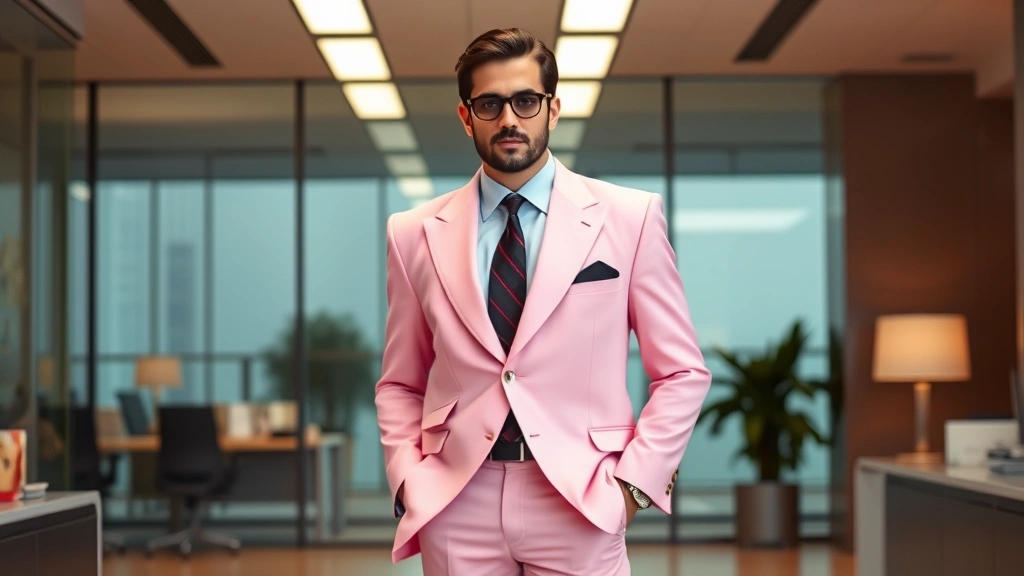
The 1980s witnessed the rise of power dressing, a phenomenon that transformed office culture and masculinity in the workplace. Men embraced oversized blazers with pronounced shoulder pads, creating an imposing silhouette that conveyed authority and ambition. This wasn’t merely aesthetic—it was a deliberate statement about professional dominance during the era of corporate expansion and Wall Street excess. The power suit became the uniform of success, with designers like Ralph Lauren and Armani leading the charge toward more structured, assertive tailoring.
The typical power suit consisted of a sharply cut blazer in navy, charcoal, or black, paired with matching trousers featuring a crisp crease. Dress shirts evolved too, featuring bold stripes and contrasting collars that commanded attention. Ties became thicker and more dramatic, often featuring geometric patterns or bright jewel tones. The overall effect was one of undeniable confidence—these weren’t subtle garments, but rather bold declarations of professional prowess. Many contemporary professionals now look back at how to find your personal style by studying these foundational power-dressing principles.
What made 80s power dressing distinct was the exaggeration of traditional menswear elements. Shoulder pads didn’t just provide structure—they created an almost architectural silhouette that extended the width of the torso dramatically. This wasn’t accidental; it was intentional amplification of masculine presence. The high-waisted trousers paired with these blazers created long leg lines, while the oversized jacket created an inverted triangle effect. Layering was crucial, with vests worn under blazers and multiple shirts creating depth and visual interest. The sophistication lay in the precision of tailoring, even as the overall aesthetic pushed boundaries.
Athletic Wear as Everyday Fashion
One of the most significant shifts in 80s men’s fashion was the normalization of athletic wear as legitimate everyday clothing. Tracksuits, leg warmers, and athletic shoes transitioned from the gym to the streets, representing a new casualness in masculine dress codes. This democratization of fashion meant that performance wear could be fashionable, blurring the lines between sportswear and streetwear in ways that continue to influence modern fashion.
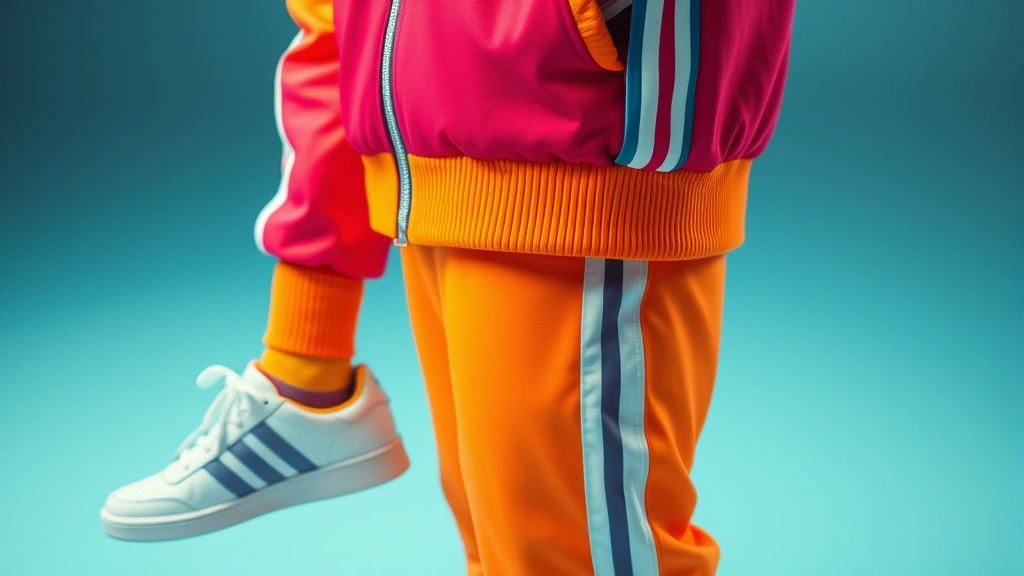
Adidas and Nike dominated this space, with men sporting colorful track jackets featuring contrasting stripes and logos prominently displayed. Sweatpants evolved from basic gym wear into fashion statements, often featuring the same bold color combinations as the jackets. The athleisure trend of today owes everything to this 80s foundation, where comfort and style became compatible rather than contradictory. Bright neon colors, metallic finishes, and geometric patterns characterized this athletic aesthetic, making gym clothes impossible to ignore.
Leg warmers, initially functional for dancers and aerobics enthusiasts, became a fashion statement worn outside the gym. Often paired with short shorts and tank tops, or layered under jeans, leg warmers represented the decade’s willingness to embrace unconventional styling. Sneakers evolved into significant fashion items, with Air Jordans and other basketball shoes becoming cultural icons. The visibility of athletic branding—logos, stripes, and color blocking—was not something to hide but to celebrate, a marked departure from previous eras where sportswear remained largely utilitarian.
Casual Rebellion: Denim and Leather
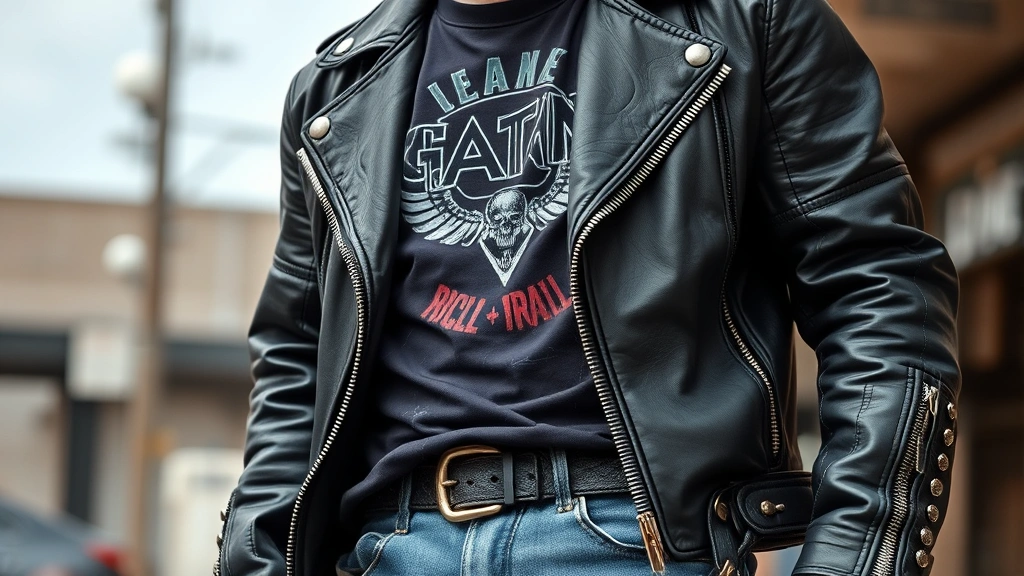
While corporate culture embraced structured tailoring, a parallel rebellion emerged through denim and leather, influenced heavily by rock music and punk aesthetics. This wasn’t the subtle, refined denim of previous decades—80s denim was intentionally distressed, featuring rips, tears, and strategic fading that conveyed a sense of danger and authenticity. Leather jackets, particularly motorcycle styles with studs and zippers, became essential pieces for anyone seeking to project an edgy, anti-establishment image.
The styling of denim in the 80s often involved acid washing, a technique that created a bleached, faded appearance suggesting both wear and rebellion. Men paired heavily distressed jeans with oversized band t-shirts, often tucked in on one side only, creating an asymmetrical silhouette. Leather jackets, sometimes worn over multiple layers, added texture and attitude. This aesthetic represented a rejection of the polished corporate image, instead celebrating authenticity and raw edge.
Studs, spikes, and hardware became decorative elements, with leather jackets featuring multiple metal accents. Chains, often worn as accessories or belt attachments, reinforced the rebellious aesthetic. The contrast between the casual rebellion of denim-and-leather styling and the structured formality of power dressing created a fascinating duality in 80s men’s fashion—you could be a ruthless executive by day and a rock rebel by night, with distinct wardrobes supporting each persona. This compartmentalization of style actually encouraged men to think more intentionally about fashion choices.
The Bold Color Palette
Perhaps no decade embraced color quite like the 1980s. While previous eras favored muted, neutral palettes, the 80s celebrated neon brights, hot pinks, electric blues, and lime greens with unabashed enthusiasm. This wasn’t subtle; it was aggressive, eye-catching, and utterly unapologetic. Men wore these colors not because they were flattering or traditional, but because they made bold statements about personality and confidence.
Neon became the signature color of the decade, appearing in everything from athletic wear to casual blazers. The brightness of these hues was amplified by synthetic fabrics that seemed to glow under artificial light. Complementary color combinations—hot pink with electric blue, lime green with purple—were common, creating visual tension and excitement. Even traditionally conservative pieces like dress shirts and sweaters incorporated these bold hues, challenging conventional notions of professional appearance.
The psychology behind this color revolution reflected the decade’s optimism and excess. Bright colors conveyed energy, innovation, and a rejection of the muted restraint of the 1970s. Miami Vice, the iconic television show, popularized pastels and tropical colors in men’s fashion, with Don Johnson’s character wearing pale pink blazers and soft peach shirts that would have been unthinkable in previous decades. This mainstream acceptance of color in men’s fashion opened doors for self-expression and personality in ways that continue to influence contemporary styling.
Metallics also played a significant role, with silver, gold, and holographic finishes appearing on jackets, shirts, and accessories. These futuristic colors reinforced the decade’s fascination with technology and innovation. The combination of neon brights with metallic accents created an almost otherworldly aesthetic, particularly in dance and club culture.
Statement Accessories and Details
Accessories in the 80s were never understated—they were bold, visible, and essential to completing any look. Oversized sunglasses with colored lenses or mirrored finishes became iconic, often worn indoors or at night, prioritizing style over function. These weren’t subtle accessories but rather architectural elements that fundamentally changed facial proportions and created an air of mystery and coolness.
Watches evolved into significant style statements, with digital watches and sports watches becoming fashionable in ways that traditional timepieces never achieved. Casio calculators watches became tech-forward status symbols, while Swatch watches offered affordable style in countless color combinations. The visibility and prominence of watches reflected the decade’s celebration of technology and innovation.
Belts became canvases for self-expression, featuring oversized buckles in metallic finishes or bold colors. Chain belts, borrowed from punk aesthetics, added an edge to casual outfits. Jewelry evolved too, with men embracing gold chains, chunky rings, and bracelets in ways that would have been considered feminine or inappropriate in previous eras. This represented a significant shift in masculine expression, allowing men to explore ornamentation and adornment as legitimate style choices.
Hats ranged from baseball caps worn backward to fedoras styled with casual outfits, each making distinct statements about personality and subcultural affiliation. Scarves were worn loosely around the neck or draped over shoulders, adding texture and color. Even socks became visible fashion statements, with men wearing brightly colored or patterned socks that peeked above their sneakers or dress shoes.
Subculture Influences
The 80s men’s fashion landscape was profoundly shaped by various subcultures, each developing distinct aesthetic codes. New Wave fashion, influenced by bands like Depeche Mode and Duran Duran, emphasized androgynous styling with tailored silhouettes, often featuring asymmetrical cuts and synthetic fabrics. This aesthetic challenged traditional masculinity, allowing men to experiment with traditionally feminine elements like makeup, nail polish, and more fluid silhouettes.
Heavy metal culture produced its own aesthetic, with band t-shirts, leather jackets, and long hair creating a rebellious counterpoint to mainstream fashion. The graphic designs on these t-shirts often featured elaborate artwork and band logos, making them more than mere clothing but rather wearable art that declared allegiance to specific musical movements and values. Studded accessories, chains, and aggressive styling reinforced the rebellious positioning of this subculture.
Hip-hop culture emerged as a dominant force in 80s fashion, introducing oversized silhouettes, tracksuits, and athletic wear worn in deliberately non-functional ways. Sneakers became cultural artifacts, with specific brands and styles signifying status and affiliation. Chains, both worn and carried, became important symbols. This aesthetic eventually influenced mainstream fashion, with designers incorporating hip-hop elements into their collections. The influence of hip-hop on contemporary fashion cannot be overstated—it fundamentally changed how men approached style and self-expression.
Punk culture, though originating in the 1970s, maintained significant influence throughout the 80s. Safety pins, ripped clothing, and an overall aesthetic of deliberate imperfection and anti-fashion sentiment created a powerful counternarrative to mainstream style trends. The punk ethos—that fashion should challenge and provoke rather than flatter and conform—continues to influence rebellious dressers today.
The Lasting Legacy
The influence of 80s men’s fashion extends far beyond nostalgic revival. Contemporary designers consistently reference this era, understanding that the boldness, confidence, and willingness to experiment define timeless style principles. When examining style loom daily blog and contemporary fashion discourse, you’ll notice constant references to 80s aesthetics. The decade taught us that fashion should be fun, expressive, and unapologetic—lessons that remain relevant regardless of era.
Modern streetwear draws heavily from 80s athletic wear and hip-hop styling, proving that these trends weren’t temporary fads but rather foundational shifts in how men approach fashion. The acceptance of color, pattern, and ornamentation in men’s fashion today would be impossible without the groundwork laid in the 1980s. Contemporary power dressing, while less exaggerated than its 80s predecessor, still incorporates the confidence and structured silhouettes that defined corporate fashion of that decade.
The cyclical nature of fashion means that 80s trends regularly return to mainstream attention. Oversized blazers, bold colors, and statement accessories frequently appear on contemporary runways, reinterpreted through modern sensibilities but maintaining the essential confidence and visibility of the original trend. This isn’t merely nostalgic repetition but rather recognition that the 80s established legitimate style principles that transcend their original era.
For those seeking to develop a personal style, studying 80s men’s fashion provides valuable lessons in confidence, self-expression, and the courage to stand out. The decade proved that fashion doesn’t require subtlety or conformity to be effective—sometimes the boldest choices create the most memorable and impactful looks.
Fashion historians and contemporary designers continue to draw inspiration from this transformative decade. The Vogue archives reveal countless runway shows incorporating 80s references, while independent designers often cite the decade as a major influence on their creative vision. Understanding 80s men’s fashion means understanding a pivotal moment when men’s style became more expressive, inclusive, and daring than ever before.
The democratization of fashion that occurred in the 80s—where athletic wear, street culture, and subcultural aesthetics became equally valid as traditional tailoring—fundamentally changed fashion forever. This pluralistic approach to style continues to define contemporary fashion, where multiple aesthetic codes can coexist and influence each other. The 1980s proved that fashion rules could be broken, boundaries could be crossed, and personal expression should be celebrated rather than suppressed.
FAQ
What defines 80s men’s fashion?
80s men’s fashion is characterized by bold colors, oversized silhouettes, statement accessories, and a willingness to break traditional menswear rules. Power suits with exaggerated shoulder pads, athletic wear as everyday clothing, distressed denim, leather jackets, and neon colors all define this era. The decade celebrated self-expression and rejected subtle restraint in favor of visible, confident styling choices.
How can I incorporate 80s fashion into modern outfits?
Start with key pieces like oversized blazers or vintage band t-shirts, then incorporate bold colors or metallic accents. Pair athletic wear intentionally, layer thoughtfully, and add statement accessories like chunky jewelry or colored sunglasses. The key is balancing 80s elements with contemporary pieces to avoid looking like a complete costume. One or two strong 80s references per outfit typically works better than attempting to recreate the entire decade’s aesthetic.
Were there different 80s fashion styles for different subcultures?
Absolutely. New Wave enthusiasts embraced androgynous, asymmetrical styling; heavy metal fans wore leather and studs; hip-hop culture pioneered oversized silhouettes and athletic wear; and punk culture maintained its anti-fashion rebellious aesthetic. Each subculture developed distinct codes, though these aesthetics often influenced and borrowed from each other throughout the decade.
Why did 80s men embrace color so boldly?
The 1980s represented a reaction against the muted 1970s, coupled with technological optimism and cultural excess. Neon colors conveyed energy and innovation, while the decade’s general confidence and prosperity encouraged bold self-expression. Television shows like Miami Vice popularized these colors, making them culturally acceptable in mainstream contexts. The psychology of the era—one of expansion, excitement, and breaking traditional rules—naturally extended to fashion choices.
Are 80s fashion trends coming back?
80s trends cycle in and out of mainstream fashion regularly. Contemporary designers frequently reference this era, and vintage 80s pieces remain popular in thrift stores and high-end vintage markets. Rather than a complete return, modern fashion tends to reinterpret 80s elements through contemporary sensibilities—oversized blazers appear on runways, but with updated proportions and fabrics; bold colors resurface, but often in unexpected combinations. The core lesson of 80s fashion—confidence and self-expression—remains eternally relevant.