Revive 80s Fashion Trends: Expert Insights on Neon, Power Dressing, and Iconic Style
The 1980s remain one of the most visually striking and influential decades in fashion history. Bold colors, exaggerated silhouettes, and unapologetic self-expression defined an era that continues to captivate designers and fashion enthusiasts worldwide. Today, we’re witnessing a powerful resurgence of 80s aesthetics, with contemporary fashion icons and luxury brands drawing heavily from this treasure trove of nostalgia. Whether you’re a devoted vintage collector or simply curious about how to incorporate these timeless elements into your modern wardrobe, understanding the core principles of 80s fashion is essential.
The beauty of 80s style lies in its fearless approach to fashion. This was a decade where more was genuinely more—more color, more texture, more attitude. From the power-suited boardrooms to the neon-soaked dance floors, the 80s celebrated individuality and confidence. As we explore the revival of these iconic trends, you’ll discover how to authentically translate them into contemporary looks that feel fresh and current rather than purely costume-like. Let’s dive into the key elements that made 80s fashion revolutionary and learn how to wear them with modern sensibility.
Power Dressing and Bold Shoulders
Power dressing emerged as the defining silhouette of 1980s fashion, particularly in professional and social settings. This trend was more than aesthetic—it represented a cultural shift toward female empowerment and professional ambition. The hallmark of power dressing was the dramatically broadened shoulder, achieved through structured jackets with built-in shoulder pads that created an almost architectural look. These oversized blazers, often in jewel tones or pastels, became synonymous with success and authority.
The power suit typically consisted of a matching jacket and trousers or skirt, cinched at the waist to emphasize the inverted triangle silhouette. Designers like Vogue’s trend reports document how contemporary designers are reinterpreting this silhouette with more refined proportions while maintaining the confident attitude. Today’s power dressing revival focuses on quality tailoring combined with slightly exaggerated shoulders, creating a modern take that feels empowering without appearing costume-like.
To incorporate power dressing into your wardrobe, start with a well-fitted blazer featuring subtle shoulder enhancement. Look for fabrics with slight texture or interesting weaves rather than solid colors. Pair these pieces with streamlined trousers or sleek skirts in neutral tones. The key difference between authentic 80s power dressing and modern interpretation is proportion—today’s silhouettes are slightly more refined while maintaining that commanding presence. You might also explore finding your personal style to determine how bold you want to go with this trend.
Neon Colors and Vibrant Palettes
Perhaps no visual element screams “1980s” quite like neon colors. Fluorescent pinks, electric blues, lime greens, and hot oranges dominated the decade’s color palette, reflecting the era’s optimistic and rebellious spirit. These eye-catching hues appeared everywhere—from casual beachwear and athletic gear to evening wear and accessories. The neon movement wasn’t just about fashion; it represented a broader cultural embrace of boldness and visibility.
The psychology behind neon’s 80s popularity relates to technological advancement and disco’s lingering influence. As nightclubs and music venues embraced UV lighting, neon fabrics literally glowed under blacklight, creating an almost supernatural aesthetic. This practical application evolved into a fashion statement that represented youth, energy, and counterculture resistance to the muted tones of previous decades.
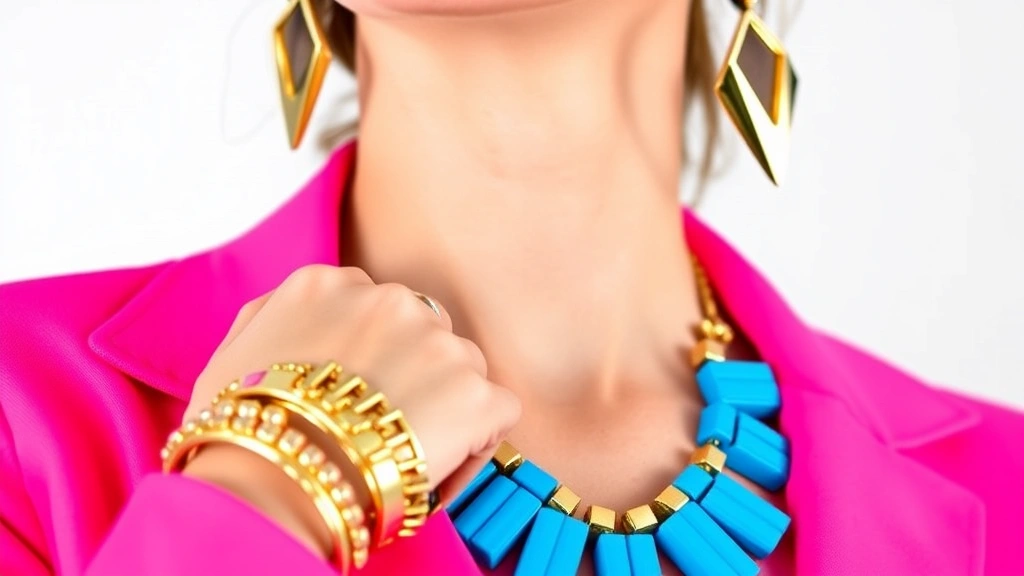
Modern fashion has rediscovered neon’s power, though with more strategic application. Rather than head-to-toe neon, contemporary styling typically features neon as an accent color—a statement top paired with neutral basics, a neon accessory against a monochromatic outfit, or neon-trimmed sneakers. The iconic decades of 80s and 90s fashion show how color trends evolved, with 90s fashion eventually tempering the neon intensity. Today’s approach borrows the boldness while respecting contemporary proportion and balance. Consider incorporating neon through statement pieces like a jacket, sneakers, or a clutch bag for an authentic yet wearable 80s tribute.
When working with neon colors, understanding color theory becomes essential. Neon shades work best when paired with neutral bases like black, white, gray, or navy. Alternatively, pairing complementary neon colors can create vibrant, intentional looks that feel fashion-forward rather than chaotic. Metallic accents and sleek, minimal silhouettes help ground neon pieces in contemporary style.
Denim: The Ultimate 80s Staple
Denim transformed during the 1980s from casual workwear into a fashion statement worn across all social contexts. The decade introduced several now-iconic denim trends: acid wash, stone wash, ripped and distressed styles, and extremely high-waisted cuts. Denim jackets, often oversized and decorated with studs, pins, and patches, became essential wardrobe pieces for both casual and semi-formal occasions.
The acid-wash technique, created by bleaching denim to achieve a mottled, faded appearance, became particularly emblematic of 80s style. This laborious process was eventually replaced by chemical treatments that mimicked the look, making the aesthetic more accessible. Ripped jeans, whether deliberately torn or naturally worn, represented a rebellious attitude that resonated with youth culture and punk influences persisting from the 1970s.
Understanding 90s fashion evolution helps contextualize how denim trends shifted, with the 90s introducing even more extreme distressing and the “heroin chic” aesthetic. However, 80s denim maintained more structure and intentionality in its styling. Modern denim revivals cherry-pick the best elements: vintage-inspired high waists, strategic ripping with visible stitching, and quality washes that suggest age without looking cheap.
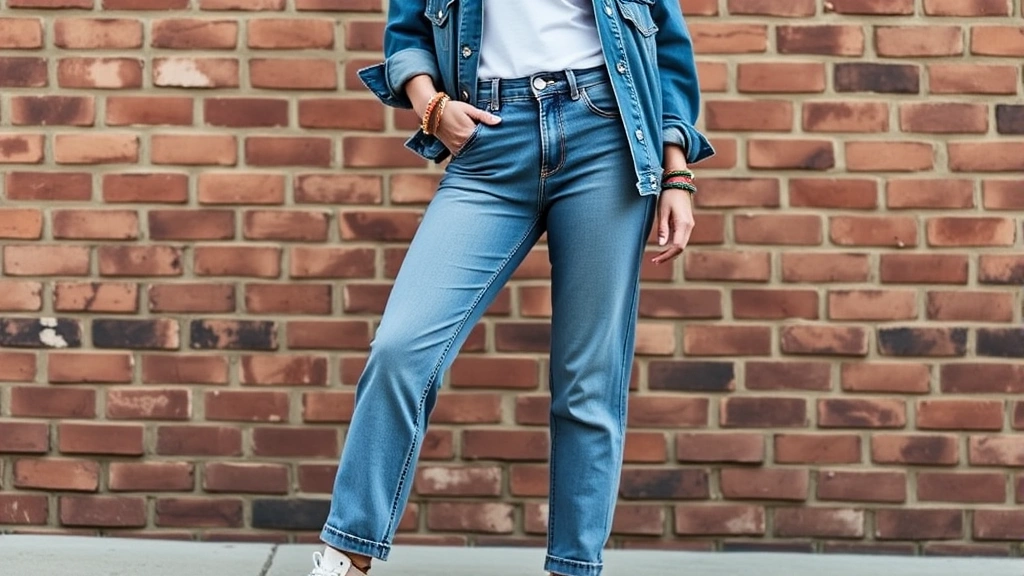
Today’s approach to 80s denim focuses on quality construction and thoughtful styling. A well-fitted, high-waisted straight-leg or slightly tapered jean works beautifully with contemporary pieces. Acid-wash effects, when executed with restraint, add visual interest without overwhelming an outfit. Denim jackets remain timeless, and styling them with modern pieces like minimalist white sneakers or sleek black boots creates an effortlessly cool aesthetic. The key is selecting denim that flatters your body while maintaining the confident attitude the 80s were famous for.
Statement Accessories and Jewelry
The 80s celebrated excess in accessories, and this remains one of the decade’s most distinctive and easily adoptable trends. Chunky geometric jewelry, oversized sunglasses, multiple ear piercings, and layered accessories defined the era’s approach to personal adornment. Gold chains, whether delicate or chunky, adorned necks, wrists, and even ankles. Large hoop earrings, particularly in gold, became ubiquitous across all fashion communities.
Bracelets deserved special mention in 80s fashion vocabulary. Rubber bracelets (often in neon colors), stacked metal bangles, and colorful Swatch watches created distinctive arm candy that expressed personality and group affiliation. Belts transformed from purely functional items into prominent design elements, often featuring bold buckles and worn at the hip or slightly above the natural waistline.
The evolution of fashion through decades shows how accessory trends cycle and transform. Modern styling has refined the 80s approach by emphasizing quality over quantity while maintaining the confidence. Today’s 80s-inspired accessories might include a single statement necklace rather than multiple chains, or one pair of bold sunglasses rather than an entire collection. Mixing vintage 80s pieces with contemporary items creates an authentic, curated look.
To authentically incorporate 80s accessories, consider your starting point. If you’re new to bold styling, begin with one statement piece—perhaps a chunky gold necklace or oversized sunglasses. Layer gradually as you build confidence. Mixing metals works beautifully in 80s style, so don’t hesitate to combine gold, silver, and even copper tones. Vintage stores and online marketplaces offer authentic 80s pieces at reasonable prices, allowing you to experiment without significant investment.
Footwear: From Leg Warmers to Stilettos
Footwear in the 1980s reflected the decade’s diversity of subcultures and activities. Aerobics culture introduced leg warmers, often worn over sneakers or with ballet flats, creating a distinctive silhouette popularized by movies and fitness trends. Simultaneously, fashion-forward individuals embraced stiletto heels, often in bright colors or metallics, representing glamour and nightlife sophistication.
Sneakers evolved significantly during the 80s, with athletic shoe brands becoming fashion statements. High-top canvas sneakers, often paired with white athletic socks and leg warmers, became iconic casual wear. Platform shoes, whether sneakers or heels, added height and drama to any outfit. Boots, particularly ankle boots and over-the-knee styles, offered versatility and attitude.
The intersection of athletic and fashion wear, which began in earnest during the 80s, fundamentally changed how people approached dressing. This mixing of categories—wearing athletic gear outside the gym—became increasingly acceptable and eventually evolved into today’s athleisure movement. Modern 80s-inspired footwear emphasizes quality construction and versatility. A pair of high-top sneakers in white or a bold color works with contemporary casual wear. Stiletto heels in metallics or bold shades add drama to modern outfits without appearing costume-like.
When selecting 80s-inspired footwear, consider your lifestyle and comfort needs. Vintage high-tops offer authenticity and durability when sourced from reputable sellers. For heels, modern interpretations often feature improved arch support compared to original 80s pieces. Mixing footwear styles—pairing athletic sneakers with dressier pieces, or wearing heels with casual clothing—captures the essence of 80s style innovation and rule-breaking.
Integrating 80s Trends into Modern Wardrobes
Successfully reviving 80s fashion requires understanding the difference between costume and contemporary style. The key lies in selective curation, quality investment, and confidence in styling choices. Rather than adopting every 80s trend simultaneously, modern wearers benefit from choosing elements that resonate personally and building cohesive outfits that feel authentic to their lifestyle.
Begin by identifying which 80s elements genuinely appeal to you. Perhaps you love the boldness of neon colors but prefer the minimalism of contemporary silhouettes. Maybe power dressing’s confidence resonates with you, but you want more refined proportions. This personalized approach allows you to honor 80s inspiration while creating looks that feel genuinely yours. Explore different fashion types and styles to better understand how various aesthetics can complement 80s elements.
Quality matters significantly when integrating vintage or vintage-inspired pieces. A well-constructed blazer with subtle shoulder enhancement, quality denim that flatters your body, and authentic 80s accessories sourced from reputable vintage dealers create a cohesive, intentional aesthetic. Fast fashion interpretations of 80s trends often miss the quality and attitude that made the original pieces work.
Mixing eras creates dynamic, interesting outfits. Pair an 80s-inspired power blazer with contemporary slim trousers and minimalist sneakers. Wear a vintage band t-shirt under a modern slip dress. Layer a statement necklace from the 80s with a contemporary minimalist top. These combinations honor 80s influence while grounding outfits in current sensibilities.
Celebrity Influence and Runway Returns
Contemporary fashion’s 80s revival owes much to celebrity influence and high-fashion validation. Fashion weeks consistently feature designers drawing inspiration from the decade, whether through direct references or subtle reinterpretations. Celebrities like Bella Hadid, Hailey Bieber, and established style icons have been photographed wearing 80s-inspired pieces, legitimizing the trend for mainstream audiences.
Fashion institutions and designers have formally embraced 80s nostalgia. Vogue’s fashion show coverage regularly documents runway presentations featuring 80s-inspired silhouettes, colors, and aesthetics. Luxury brands have created entire collections referencing the decade, from subtle nods to explicit homages. This high-fashion validation has trickled down to accessible brands, making 80s-inspired pieces widely available.
The return of 80s fashion reflects broader cultural cycles where past decades cycle through popularity. Every 20-30 years, fashion tends to revisit previous eras, reinterpreting them through contemporary lenses. The current 80s revival is particularly strong, suggesting the decade’s visual language remains powerful and adaptable. Understanding this cyclical nature helps contextualize why 80s trends feel fresh and relevant rather than dated.
Fashion forecasters and trend analysts consistently predict continued 80s influence in coming seasons. Fashion institutes and research organizations track these patterns, providing insights into which specific elements will dominate. Staying informed about professional trend forecasting helps you make wardrobe investments that remain relevant and stylish.
The StyleLoom Daily Blog offers comprehensive fashion articles and guides that explore emerging trends and their connections to historical movements. Following authoritative fashion sources helps you understand not just what’s trending, but why these trends emerge and how to interpret them authentically.
FAQ
How can I wear 80s fashion without looking like I’m in costume?
Focus on quality, proportion, and mixing eras. Choose one or two 80s elements per outfit rather than adopting the entire aesthetic. Pair an 80s-inspired piece with contemporary basics, and ensure garments fit well and suit your lifestyle. Confidence in styling choices matters more than perfect historical accuracy.
What’s the best way to start incorporating 80s trends into my wardrobe?
Begin with accessible pieces like a well-fitted blazer with subtle shoulder enhancement, quality denim, or statement accessories. These foundational pieces work with numerous contemporary pieces and allow you to experiment with 80s style gradually. Consider your personal style and lifestyle when selecting which trends resonate with you.
Are neon colors still fashionable, or are they just a nostalgic trend?
Neon colors remain fashionable when used strategically. Rather than head-to-toe neon, contemporary styling features neon as accent colors—a statement top, bold sneakers, or a vibrant accessory. This approach maintains the boldness and energy of 80s style while respecting modern proportion and balance.
Where can I find authentic 80s pieces for my wardrobe?
Vintage stores, online marketplaces like Depop and Vestiaire Collective, and estate sales offer authentic 80s pieces. Ensure you’re purchasing from reputable sellers who accurately describe condition and authenticity. Many contemporary brands also create vintage-inspired pieces that capture 80s aesthetics with modern construction quality.
How do power suits differ between 80s originals and modern interpretations?
80s power suits featured exaggerated shoulder pads, often oversized proportions, and bold colors or pastels. Modern interpretations maintain the confidence and shoulder structure but with more refined proportions, better tailoring, and a focus on wearability. Contemporary power dressing is less architectural and more approachable while retaining the empowering attitude.
Can men wear 80s fashion trends, or is it primarily for women?
80s fashion transcended gender, and men can absolutely wear these trends. Oversized blazers, bold colors, statement accessories, and quality denim work beautifully in menswear. Men’s 80s fashion emphasized individuality and self-expression, values that remain relevant today. Contemporary men’s styling can incorporate neon accents, vintage band t-shirts, and quality denim with confidence.