80s vs 90s Fashion Trends: Expert Analysis
The 1980s and 1990s represent two of the most transformative and visually distinctive decades in fashion history. While both eras pushed boundaries and challenged conventional style norms, they did so in dramatically different ways. The 80s embraced excess, boldness, and unapologetic glamour, while the 90s introduced minimalism, grunge rebellion, and understated cool. Understanding these contrasting aesthetics reveals not just fashion evolution, but cultural shifts that continue to influence contemporary style today. Whether you’re exploring 80s 90s fashion for inspiration or simply curious about how these decades shaped modern wardrobes, this comprehensive analysis breaks down the defining characteristics, iconic pieces, and lasting legacies of both periods.
Fashion historians and style experts consistently point to these two decades as pivotal moments when youth culture, music, and personal expression became inseparable from clothing choices. The 80s saw fashion as a form of power dressing and self-promotion, while the 90s rejected this philosophy in favor of authenticity and anti-fashion statements. By examining the nuances of each era, we can better appreciate why certain trends resurface cyclically and how fashion types continue to evolve based on societal values.
The Bold Aesthetics of 1980s Fashion
The 1980s was an era of maximalism in every sense. Inspired by the economic prosperity of the decade, fashion became a vehicle for displaying wealth, status, and confidence. Shoulder pads dominated silhouettes across every garment category—from blazers and dresses to t-shirts and jackets. These exaggerated shoulders created a powerful, authoritative frame that aligned perfectly with the decade’s power-dressing philosophy. Women in boardrooms wore structured blazers with pronounced shoulders, making bold statements about their place in the corporate world.
Bright neon colors flooded wardrobes, from electric pink and acid yellow to vibrant turquoise and lime green. These eye-catching hues were often paired together in combinations that would seem clashing by today’s standards, yet they perfectly captured the optimistic, energetic spirit of the 80s. Metallic fabrics, sequins, and lamé materials reflected light and drew attention, embodying the decade’s “more is more” philosophy. Leather jackets, often adorned with studs, chains, and patches, became iconic symbols of rebellion and edge.
Silhouettes were deliberately voluminous and exaggerated. Leg warmers, often worn over tights or jeans, became mainstream thanks to the aerobics craze. Oversized sweaters, frequently featuring geometric patterns or bold graphics, were layered over fitted leggings. This contrast between oversized tops and fitted bottoms became a defining 80s aesthetic. Different fashion styles emerged throughout the decade, from new wave and punk-influenced looks to preppy styles and athletic wear that crossed into everyday fashion.
Denim was a staple, but 80s denim was distinctly different from other eras. High-waisted jeans, often acid-washed or stone-washed with intentional fading and distressing, dominated casual wear. Pairing jeans with oversized blazers created an effortlessly powerful look that defined much of 80s style. The decade also saw the rise of designer labels as status symbols—Guess jeans, Calvin Klein, and Ralph Lauren became badges of fashion consciousness and economic standing.

The Minimalist Revolution of 1990s Style
If the 80s was about excess, the 90s was about subtraction. This dramatic shift reflected broader cultural changes: the end of the Cold War, the rise of alternative music, and a growing skepticism toward materialism and status symbols. Minimalism became the dominant aesthetic, championed by designers like Vogue and brands such as Calvin Klein and Jil Sander. The philosophy was simple: clean lines, neutral colors, quality over quantity, and letting clothing speak through its absence of decoration rather than its abundance.
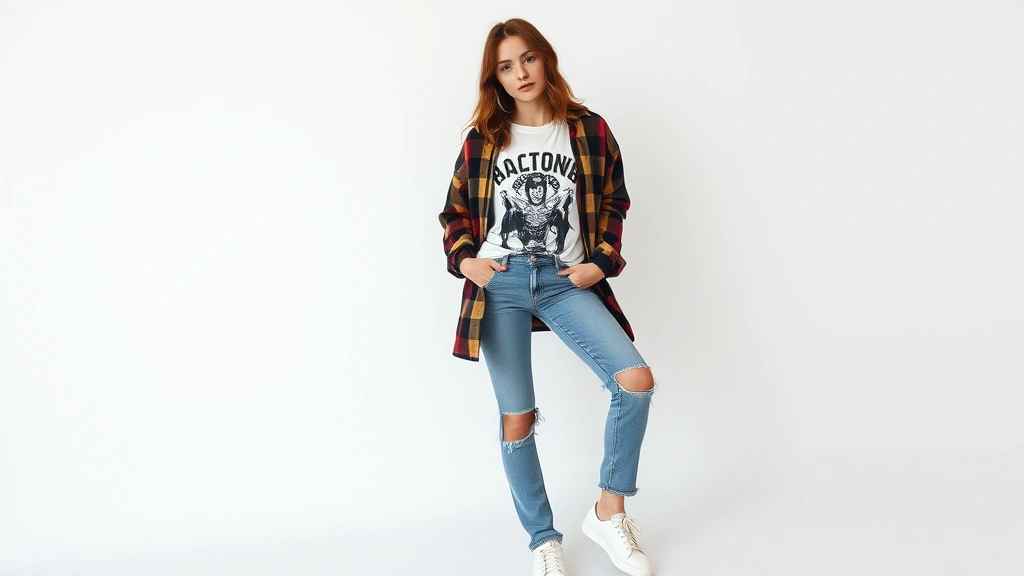
Grunge emerged as the anti-fashion movement that paradoxically became the most influential fashion trend of the decade. Born from Seattle’s music scene, grunge rejected the polished, aspirational aesthetics of the 80s. Flannel shirts, often oversized and worn unbuttoned over band t-shirts, became uniform-like staples. Ripped jeans, once a sign of poverty, became desirable fashion statements. Thrift store finds were celebrated over designer labels, and deliberately unkempt hair and makeup became markers of authenticity and rebellion against corporate aesthetics.
The 90s also introduced slip dresses, which became iconic silhouettes of the era. These minimalist, often bias-cut pieces in satin or silk could be dressed up or down, embodying the decade’s versatility and understated elegance. Worn with combat boots or ballet flats, over white t-shirts or under oversized cardigans, slip dresses represented a shift toward more sensual, body-conscious silhouettes that still maintained a sense of effortless cool. This aesthetic marked a fundamental shift in how fashion communicated status—now, looking like you didn’t try too hard was the ultimate achievement.
Neutral color palettes dominated 90s fashion. Black, white, gray, beige, and navy became the primary colors, with occasional pops of color appearing in unexpected ways. This restraint in color choice contrasted sharply with the 80s neon explosion. Fabrics became more natural and breathable: cotton, linen, and wool replaced sequins and lamé. The overall effect was one of purity and simplicity, a visual representation of the decade’s desire to strip away excess and return to basics.
Key Silhouettes and Cuts: A Decade-by-Decade Comparison
Understanding silhouettes is crucial when comparing these two decades. The 80s favored structured, exaggerated shapes that emphasized power and presence. Shoulder pads weren’t subtle—they extended several inches beyond the natural shoulder line, creating an almost architectural silhouette. Waistlines were cinched tightly, creating an hourglass figure. Hems were often short, particularly in dresses and skirts, showcasing the legs. The overall effect was dramatic and commanding, designed to make wearers feel powerful and noticed.
In stark contrast, 90s silhouettes prioritized comfort and ease. Oversized fits were intentional, with blazers, shirts, and sweaters hanging loosely on the body. The structured waistlines of the 80s gave way to straighter, more relaxed cuts. Drop waistlines appeared frequently, shifting the focus away from the torso. Maxi skirts and dresses offered coverage and a bohemian sensibility, while baby tees created a more youthful, playful aesthetic. When fitted silhouettes did appear, they were usually bias-cut slip dresses that skimmed the body rather than clinging to it.
Layering became a defining characteristic of 90s style in ways the 80s hadn’t explored. Slip dresses worn over t-shirts, oversized cardigans draped over fitted pieces, and sheer fabrics layered over opaque ones created visual interest and depth without relying on color or pattern. This layering approach allowed for versatility—the same pieces could be styled differently depending on what was worn underneath or over top. Fashion style in the 90s became about creative combinations and personal expression through silhouette play rather than through bold colors and patterns.
Length variations also distinguished these eras. The 80s loved showing legs—mini skirts, short shorts, and cropped tops were everywhere. The 90s, particularly with grunge’s influence, brought longer hemlines and more coverage. Midi skirts, maxi dresses, and longer t-shirts that extended past the hips became standard. This shift reflected changing attitudes toward sexuality and femininity in fashion—the 80s celebrated overt sexiness, while the 90s embraced a more subtle, androgynous aesthetic.
Color Palettes and Fabric Choices
Color psychology played a significant role in defining both decades. The 80s embraced color as a tool for expression and mood elevation. Primary colors appeared alongside neons, pastels mixed with brights, and monochromatic color blocking became popular. Color-blocking—pairing contrasting colors in defined sections—created visual impact and required confidence. Pastels, particularly in shades of pink, peach, and lavender, represented the softer side of 80s style, often associated with the “Miami Vice” aesthetic that dominated popular culture.
The 90s color story was fundamentally different. Earth tones like taupe, sage green, and warm browns appeared alongside the dominant neutrals of black, white, and gray. When color did appear, it was often muted and desaturated—olive rather than bright green, dusty rose instead of hot pink. This color restraint communicated sophistication and intentionality. The few pops of color that appeared were usually strategic, like a burgundy slip dress or a forest green sweater, making them feel more impactful through their rarity.
Fabric selection reflected each decade’s values and technological capabilities. The 80s celebrated synthetic fabrics and technological innovation: lycra, spandex, polyester, and lamé were embraced. These fabrics were shiny, stretchy, and often brightly colored. They represented modernity and progress. Leather, suede, and denim were also popular, often in bright or unusual colors. Velvet appeared frequently, particularly in jewel tones, adding texture and luxury.
The 90s favored natural fibers and a return to simplicity. Cotton became the fabric of choice for t-shirts, jeans, and casual wear. Linen appeared in summer pieces, offering breathability and a relaxed aesthetic. Silk and satin were used for slip dresses and special pieces, but in a more understated way than the 80s. Denim continued to be important but evolved—while 80s denim was often washed in unusual ways, 90s denim was either pristine or deliberately distressed in ways that looked authentic rather than manufactured. This emphasis on natural fibers aligned with growing environmental consciousness and a desire for authenticity.
Accessories: From Power Statements to Understated Cool
Accessories in the 80s were bold, chunky, and impossible to ignore. Statement jewelry dominated: large geometric earrings, thick chain necklaces, and stacked bracelets created visual drama. Bangles were worn in multiples, often in bright colors or metallics. Rings were large and ornate, sometimes featuring neon plastic designs. Belts were wide and cinched tightly, often featuring large buckles with logos or decorative elements. Sunglasses were oversized and brightly tinted—pink, yellow, or blue lenses that made a fashion statement.
Bags in the 80s were structured and often featured logos prominently. Designer monograms became status symbols, with Louis Vuitton, Gucci, and other luxury brands using their initials as design elements. Shoulder pads extended into bag design, with structured shapes that stood away from the body. Metallics and bright colors appeared in bags, complementing the overall bold aesthetic. Belts were worn both functionally and decoratively, sometimes layered or worn on the hips in addition to the waist.
The 90s approach to accessories was dramatically different. Minimalism extended to jewelry, with thin, delicate pieces preferred over chunky statement pieces. Layered necklaces became popular, but they were fine chains rather than thick statement pieces. Earrings were small and understated, often just simple studs. Rings were minimal, with thin bands or simple designs. The goal was to enhance an outfit without drawing attention or making bold statements about status or personality.
Bags became more functional and less about logos. The structured, decorated bags of the 80s gave way to simpler shapes in neutral colors. Backpacks, often worn by both men and women, became ubiquitous, particularly among younger people influenced by grunge and skate culture. When designer bags appeared, they were often more subtle in their branding. The shift was from “look at my expensive bag” to “I’m wearing a quality piece that happens to be a designer bag.”
Sunglasses evolved from the oversized, brightly tinted styles of the 80s to a more diverse palette in the 90s. Small, rectangular sunglasses became popular, as did vintage-inspired styles. Brown or gray lenses replaced the bright tints. The goal was to look cool and protected from the sun, rather than to make a bold fashion statement. Hats also appeared differently across these eras—the 80s favored statement hats like oversized bows or structured styles, while the 90s embraced baseball caps, beanies, and simple bucket hats.
Footwear Evolution Across the Decades
Shoes in the 1980s were as bold as the rest of the fashion. Leg warmers, technically not shoes but footwear-adjacent, were worn over socks and often in bright colors or patterns. Athletic shoes became fashion statements rather than purely functional items. Neon running shoes, high-top sneakers, and brightly colored aerobics shoes were worn in everyday settings. Stiletto heels in bright colors or metallics were paired with dresses and evening wear. Loafers, boat shoes, and penny loafers represented the preppy side of 80s style.
Boots were particularly important in 80s fashion. Knee-high boots in leather or suede, often with stiletto heels, created a powerful silhouette. Slouchy, scrunched-down boots worn over leg warmers became an iconic look. Cowboy boots and Western-influenced styles also appeared. The emphasis was on drama and impact—shoes were meant to be noticed and to contribute to the overall bold aesthetic. Metallics, bright colors, and unusual textures all appeared in footwear.
The 90s introduced a completely different footwear philosophy. Combat boots, derived from military and punk aesthetics, became ubiquitous. These heavy, laced boots represented rebellion and authenticity. Grunge made them fashionable even for people who weren’t part of alternative subcultures. Dr. Martens, originally work boots, became fashion statements. Chunky soles were embraced, contrasting with the thin heels of previous decades.
Sneakers in the 90s evolved differently than in the 80s. While the 80s celebrated colorful athletic shoes, the 90s embraced more minimal, classic sneaker designs. Chuck Taylor All-Stars, simple white canvas shoes, became icons. Nike Air Force Ones in white or neutral colors were popular. The emphasis was on simplicity and timelessness rather than novelty and color. Ballet flats appeared as an alternative to sneakers, offering a delicate, feminine option that still maintained the era’s minimalist aesthetic.
Slip-on shoes, boat shoes, and simple loafers also dominated 90s footwear. Slides and sandals appeared in neutral colors. The overall footwear palette was much more limited than the 80s—neutrals dominated, with black, white, brown, and gray being the primary colors. When colored shoes did appear, they were usually earth tones or muted shades. The goal was for footwear to complement an outfit rather than to dominate it or make a statement on its own.
Subcultures and Street Style Influence
The 80s saw multiple subcultures create distinct aesthetic movements within fashion. New Wave, influenced by punk but more theatrical, featured bold geometric patterns, bright colors, and androgynous silhouettes. Punk fashion continued to influence mainstream style with leather jackets, safety pins, and deliberately provocative styling. The preppy movement, inspired by Ivy League aesthetics, promoted polo shirts, khakis, and boat shoes. Hip-hop culture was beginning to emerge, introducing baggy silhouettes, oversized jerseys, and Adidas tracksuits that would become more dominant in the 90s.
Power dressing emerged as a distinct aesthetic, promoted by fashion icons and business leaders. Women wearing structured blazers with shoulder pads, often in bold colors or patterns, represented the era’s push for women in the workplace. This wasn’t rebellious fashion—it was aspirational and aligned with mainstream culture. The 80s allowed multiple aesthetics to coexist, from conservative preppy looks to rebellious punk styles, often with clear divisions between different groups.
The 90s saw subcultures become more influential in mainstream fashion, but in a different way. Grunge, emerging from Seattle’s music scene, became the dominant aesthetic that influenced even fashion-forward, high-fashion designers. Flannel shirts and ripped jeans weren’t just worn by alternative youth—they appeared on high-fashion runways and in luxury brand collections. Fashion journalists were fascinated by how anti-fashion could become fashion itself.
Hip-hop culture became increasingly influential in 90s fashion. Baggy silhouettes, oversized clothing, and sneaker culture became mainstream rather than subcultural. Designers like Tommy Hilfiger, Ralph Lauren, and others created pieces that appealed to hip-hop culture while remaining acceptable in mainstream settings. Minimalism from high fashion and grunge from alternative culture merged with hip-hop aesthetics to create the diverse 90s fashion landscape.
Rave culture introduced another aesthetic to the 90s, with bright colors, metallic fabrics, and playful, sometimes provocative pieces. Platform shoes, holographic materials, and bold makeup appeared at raves, creating a counterpoint to the dominant minimalism. However, even rave fashion was more about personal expression and subculture identity than about status or power, distinguishing it from 80s club culture.
How 80s and 90s Trends Influence Modern Fashion
Contemporary fashion draws heavily from both the 80s and 90s, often blending elements from both eras in interesting ways. The 2020s have seen a resurgence of 80s aesthetics, with shoulder pads reappearing in updated forms, bright colors returning, and power dressing being reinterpreted for modern contexts. Designers have embraced the 80s celebration of color and boldness while updating silhouettes for contemporary sensibilities. Simultaneously, 90s minimalism continues to influence luxury fashion, with many high-end designers maintaining the clean lines and neutral palettes that defined 90s chic.
Vintage fashion has become mainstream, with thrift stores and vintage boutiques celebrating authentic pieces from both decades. Young people are discovering 80s and 90s fashion through secondhand shopping, creating a sustainable approach to fashion that also allows for individual expression. The circular nature of fashion trends means that both decades continue to cycle back into relevance, often hybridized with contemporary elements.
Understanding these two decades helps us appreciate how fashion communicates cultural values. The 80s emphasis on excess, status, and power reflected the economic and political climate of the time. The 90s shift toward minimalism and authenticity reflected changing values around materialism, environmentalism, and authenticity. By learning about how to find your personal style, contemporary fashion enthusiasts can draw inspiration from both eras while creating looks that reflect their own values and aesthetic preferences.
Fashion forecasters and trend analysts regularly reference the 80s and 90s when predicting future trends. The cyclical nature of fashion suggests that elements from both decades will continue to resurface, often in unexpected combinations. Understanding the context and values behind each era’s aesthetic choices helps us make more intentional fashion decisions in the present. Whether you’re drawn to the boldness of the 80s or the minimalism of the 90s, both decades offer rich sources of inspiration for contemporary style exploration.
For those looking to incorporate elements from both eras into their wardrobe, the key is understanding what values each piece represents. An 80s-inspired statement necklace can add drama to a minimalist outfit, while a 90s slip dress can be elevated with bold 80s-inspired accessories. The Style Loom Daily Blog offers additional resources for exploring how to blend different fashion influences into a cohesive personal aesthetic that honors multiple style traditions.
FAQ
What are the main differences between 80s and 90s fashion?
The 80s celebrated excess, bold colors, statement jewelry, and power dressing, while the 90s embraced minimalism, neutral palettes, and understated cool. The 80s was about making bold fashion statements, while the 90s valued authenticity and rejecting obvious status symbols.
Why did fashion change so dramatically between the 80s and 90s?
Fashion reflects cultural values. The 80s economic prosperity and optimism led to bold, maximalist aesthetics. The 90s cultural shift toward skepticism of materialism, environmental consciousness, and authenticity resulted in minimalism and grunge becoming dominant aesthetics.
Are 80s and 90s trends coming back?
Yes, both decades cycle back into fashion regularly. Contemporary fashion often blends elements from both eras, with 80s boldness and 90s minimalism both appearing in modern collections and street style.
How can I incorporate 80s and 90s elements into my modern wardrobe?
Start by understanding what appeals to you about each era. Mix bold 80s pieces with minimalist 90s basics, or use 90s slip dresses with 80s-inspired jewelry. The key is intentionality—understand the values behind each piece and create combinations that feel authentic to you.
Which decade’s fashion is better?
Neither is objectively better—they represent different values and aesthetics. The 80s celebrated confidence and boldness, while the 90s valued authenticity and simplicity. Your preference depends on your personal values and what resonates with your style.
What footwear defined each decade?
The 80s featured bright, bold athletic shoes, stiletto heels, and colorful boots. The 90s embraced combat boots, simple sneakers like Chuck Taylors, and minimalist footwear in neutral colors.