Reviving 80s & 90s Fashion: Style Guru Insights
The resurgence of 80s and 90s fashion isn’t merely nostalgia—it’s a deliberate revival that reflects our cultural appetite for authenticity, boldness, and individuality. Fashion designers and style experts worldwide are mining these iconic decades for inspiration, translating power suits, oversized silhouettes, grunge aesthetics, and vibrant color palettes into contemporary collections. This cyclical return to past fashion eras demonstrates how timeless style principles transcend generations, offering modern consumers a chance to reimagine vintage elements through a 21st-century lens.
What makes this revival particularly compelling is how younger generations are discovering these decades without the original context. Gen Z and millennials are cherry-picking the best elements—the confidence of 80s maximalism, the rebellion of 90s minimalism—and blending them with current sustainability values and digital-age sensibilities. Industry leaders and fashion forecasters are watching this trend with keen interest, recognizing that 80s and 90s fashion revival represents more than a cyclical trend; it’s a statement about authenticity, nostalgia as currency, and the eternal human desire to experiment with identity through clothing.
The Cultural Context Behind the Revival
Understanding why 80s and 90s fashion keeps returning requires examining the cultural moments these decades represented. The 1980s symbolized excess, optimism, and self-expression through bold aesthetics. The 1990s, conversely, introduced a counterculture that rejected materialism, emphasizing authenticity and raw, unpolished beauty. Today’s fashion landscape draws from both philosophies, creating a dynamic tension between maximalist and minimalist approaches.
Fashion historians note that the current revival cycle has accelerated compared to previous eras. Social media platforms like TikTok and Instagram have compressed the traditional 20-30 year fashion cycle into something much shorter. Young consumers encounter vintage fashion simultaneously across multiple platforms, creating a compressed nostalgia effect. This democratization of fashion inspiration means that exploring different fashion styles has never been more accessible or influential in shaping mainstream trends.
The COVID-19 pandemic intensified this revival, pushing consumers toward comfort, self-expression, and escapism. Oversized silhouettes, bright colors, and playful patterns from the 80s and 90s offered psychological comfort during uncertain times. Fashion brands recognized this emotional resonance and began incorporating these elements into their collections, further legitimizing retro aesthetics in contemporary fashion conversations.
Iconic 80s Fashion Elements Making a Comeback
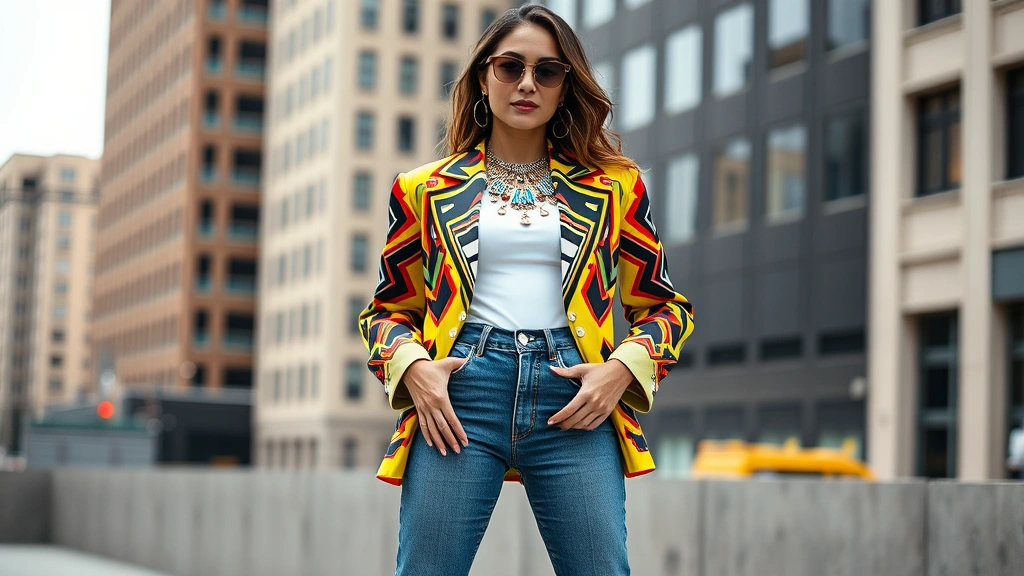
The 1980s introduced some of fashion’s most distinctive silhouettes and styling choices. Power suits with exaggerated shoulders dominated professional and casual wardrobes alike. These structured jackets represented confidence and ambition, particularly for women entering the workforce. Contemporary designers from Vogue’s featured collections to independent brands are reinterpreting these power suits with modern tailoring, softer fabrics, and updated proportions that honor the original aesthetic while feeling current.
Neon colors and bold geometric patterns defined 80s visual identity. Leg warmers, headbands, and athletic wear transitioned from gym to street, creating the “athleisure” foundation that dominates today’s fashion landscape. Oversized blazers, metallic fabrics, and statement jewelry completed the iconic 80s look. Modern versions tone down the intensity while maintaining the confidence and playfulness that made 80s fashion memorable.
Denim received particular attention in the 80s, with acid wash, stone wash, and ripped styles becoming status symbols. High-waisted jeans paired with cropped tops created silhouettes that are experiencing renewed popularity. Contemporary interpretations use higher-quality materials and more refined construction while keeping the distinctive visual markers that make these pieces instantly recognizable as retro-inspired.
Accessories played crucial roles in completing 80s looks. Chunky gold jewelry, oversized sunglasses, and bold clutches elevated every outfit. Modern styling incorporates these elements more selectively, using statement pieces to punctuate minimalist outfits rather than layering them densely as was typical in the original era.
90s Aesthetics Dominating Modern Runways
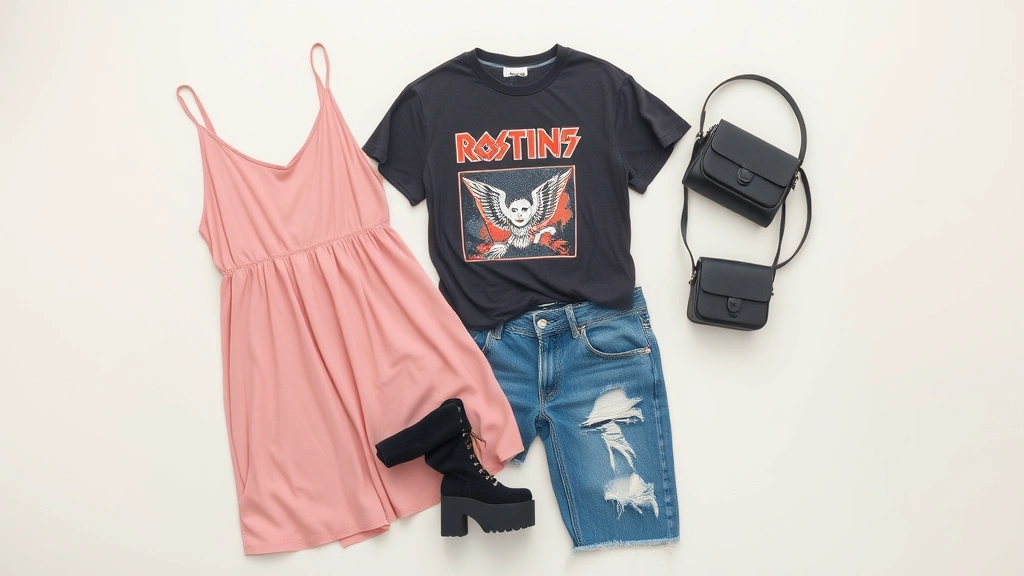
The 1990s represented a deliberate rejection of 80s excess, introducing minimalism, grunge, and anti-fashion sentiments that paradoxically became highly fashionable. Slip dresses, often worn over white t-shirts, epitomized 90s elegance and simplicity. This silhouette has returned to runways consistently, with contemporary designers creating modern versions in sustainable fabrics and updated proportions.
Grunge fashion brought flannel shirts, oversized band t-shirts, and distressed denim into mainstream consciousness. What began as authentic working-class aesthetic became commodified and ultimately fashionable, creating interesting contradictions that modern consumers navigate thoughtfully. When exploring personal fashion style, many individuals draw inspiration from 90s grunge’s authenticity and anti-establishment attitude.
The 1990s also introduced minimalist aesthetics championed by designers like Calvin Klein and Jil Sander. Neutral color palettes, clean lines, and reduced ornamentation created a sophisticated counterpoint to 80s maximalism. This minimalist philosophy remains influential in contemporary fashion, with many designers balancing maximalist and minimalist elements within single collections.
Logomania characterized much of 90s fashion, with visible designer branding becoming a status symbol. Contemporary interpretations of this trend are more ironic and self-aware, using logos playfully rather than as primary status indicators. Vintage logo pieces from the 90s command premium prices in resale markets, indicating sustained consumer interest in authentic period pieces.
The 1990s also popularized baby tees, cargo pants, and low-rise jeans—silhouettes that disappeared for years before resurging in recent seasons. Fashion designers are revisiting these pieces with modern sensibilities, often offering higher rises and more generous proportions that acknowledge contemporary comfort expectations while maintaining visual 90s markers.
How to Style Vintage Pieces for Today
Successfully incorporating 80s and 90s pieces into contemporary wardrobes requires intentional styling choices. The most effective approach combines one statement vintage piece with modern basics, preventing outfits from appearing costumey or overly nostalgic. A vintage 80s power blazer paired with contemporary neutral trousers and modern sneakers creates visual interest while feeling current and wearable.
Proportion mixing offers another sophisticated approach to vintage styling. Oversized 90s slip dresses work beautifully with fitted modern pieces like tailored trousers or structured jackets. This contrast creates visual dynamism while allowing both elements to shine. Understanding how to find your personal style helps you identify which vintage elements genuinely resonate with your aesthetic preferences.
Color coordination deserves careful consideration when styling vintage pieces. The bold neon and primary colors of 80s fashion can feel overwhelming in large quantities. Limiting neon to accessories or single statement pieces while keeping the remainder of the outfit neutral creates approachable, wearable looks. Conversely, 90s neutral palettes can feel dated when worn entirely in period-accurate styling; adding contemporary color accents or patterned accessories modernizes the aesthetic.
Footwear choices significantly influence how vintage pieces read in contemporary contexts. Pairing 80s or 90s pieces with current shoe styles immediately updates the overall aesthetic. Chunky modern sneakers with a vintage slip dress, or contemporary loafers with a 90s oversized blazer, grounds retro pieces in the present moment.
Layering techniques borrowed from contemporary fashion help integrate vintage pieces naturally. A visible modern t-shirt under a vintage 80s blazer, or contemporary outerwear over a 90s slip dress, creates coherent styling narratives that feel intentional rather than accidental.
Sustainable Fashion and Vintage Shopping
The 80s and 90s fashion revival intersects meaningfully with sustainability movements. Buying vintage pieces reduces demand for new production, minimizing environmental impact associated with fashion manufacturing. Many conscious consumers view fashion articles and guides that encourage vintage shopping as essential sustainable fashion education.
Vintage shopping offers economic advantages alongside environmental benefits. Quality pieces from the 80s and 90s often cost significantly less than contemporary designer alternatives, making high-quality fashion accessible to budget-conscious consumers. The durability of well-made vintage pieces means they last longer, further reducing the environmental cost per wear.
Online vintage platforms have democratized access to authentic 80s and 90s pieces. Consumers can now source specific items without extensive thrift store hunting, though the thrill of vintage discovery remains appealing to many. Authentication becomes crucial in these transactions, requiring knowledge about brand markers, construction techniques, and period-appropriate details.
The circular fashion economy benefits significantly from 80s and 90s revival trends. Resale platforms report increasing demand for vintage pieces, creating economic incentives for preservation and care of older garments. This market development encourages consumers to view clothing as investments rather than disposable commodities.
Rental services increasingly stock vintage 80s and 90s pieces, allowing consumers to experience these aesthetics without permanent purchases. This accessibility model suits trend-conscious consumers while promoting sustainable consumption practices.
Celebrity Influence on Retro Fashion Trends
Celebrity styling significantly amplifies 80s and 90s fashion revival visibility. When influential figures wear vintage pieces or retro-inspired contemporary designs, they create cultural permission for broader adoption. Fashion icons regularly reference these decades, legitimizing them as sources of inspiration rather than nostalgic throwbacks.
Specific celebrities have become synonymous with retro fashion expertise. Their public appearances in carefully curated vintage pieces inspire millions of followers to explore similar aesthetics. Social media amplifies this influence, allowing instant dissemination of celebrity styling choices and rapid trend acceleration.
Red carpet events showcase how professional stylists integrate 80s and 90s elements into sophisticated contemporary looks. These high-visibility moments demonstrate that vintage inspiration can create elevated, fashion-forward styling rather than costume-like appearances. When exploring fashion icons and inspiration, vintage-savvy celebrities provide valuable reference points.
Music industry figures particularly influence 80s and 90s fashion revival, given that these decades were musically defining for many consumers. Artists recreating or reinterpreting iconic looks from their era’s music videos generate significant cultural conversations and inspire emulation.
Designer collaborations with celebrities often emphasize retro elements, creating limited-edition pieces that generate excitement and validate 80s and 90s aesthetics within luxury fashion contexts. These collaborations bridge the gap between vintage appreciation and contemporary design innovation.
The Psychology of Fashion Nostalgia
Fashion nostalgia operates on psychological principles that extend beyond simple aesthetic preference. Nostalgia triggers emotional responses associated with specific life periods, often representing times perceived as simpler or more authentic. The 80s and 90s occupy unique positions in collective memory—recent enough to feel personally accessible, distant enough to feel distinct from present circumstances.
Generational factors influence nostalgia responses significantly. Millennials and Gen Z experience these decades differently; millennials may have actual childhood memories while Gen Z encounters these eras primarily through media and cultural artifacts. Both experiences create powerful emotional connections that translate into fashion choices.
Fashion nostalgia serves psychological functions beyond aesthetics. Wearing pieces from formative cultural moments creates continuity with past selves and communities. In rapidly changing contemporary contexts, vintage fashion offers stability and connection to recognizable cultural touchstones.
The concept of “vibe shopping” reflects this psychological dimension—consumers select pieces based on emotional resonance and desired identity projection rather than purely practical considerations. Understanding complete fashion history helps contextualize how personal style choices connect to broader cultural narratives.
Authenticity concerns underpin much of the 80s and 90s revival. Contemporary consumers increasingly value perceived authenticity, and vintage pieces represent genuine artifacts from specific historical moments. This authenticity carries psychological weight in cultures where mass production and digital reproduction create concerns about originality and realness.
The democratization of fashion through social media has intensified nostalgia cycles. Algorithms expose users to trending vintage aesthetics repeatedly, creating artificial scarcity and desire. This digital environment accelerates fashion psychology cycles, compressing traditional trend lifecycles significantly.
FAQ
Why is 80s and 90s fashion making such a strong comeback?
Multiple factors drive this revival: generational nostalgia, social media acceleration of trend cycles, sustainability concerns favoring vintage pieces, and authentic self-expression values that resonate with both eras’ cultural moments. The 80s represented confidence and boldness while the 90s emphasized authenticity—contemporary consumers draw from both philosophies.
Can I wear 80s and 90s fashion without looking costume-like?
Absolutely. Mix vintage pieces with contemporary basics, focus on proportion contrast, update footwear choices, and limit statement pieces to one or two items per outfit. Modern styling of retro pieces emphasizes intentionality and balance rather than period-accurate recreation.
Where can I find authentic 80s and 90s pieces?
Thrift stores, vintage boutiques, online platforms like Depop and Vestiaire Collective, and specialty vintage retailers offer authentic pieces. Authentication requires knowledge about period-appropriate construction, brand markers, and fabric characteristics. Reputable sellers provide detailed information about piece condition and authenticity.
Is buying vintage fashion more sustainable than buying new?
Yes significantly. Vintage shopping reduces demand for new production, decreases manufacturing environmental impact, and extends garment lifecycles. Quality vintage pieces often last longer per wear than contemporary fast-fashion alternatives, improving environmental calculations substantially.
How can I identify quality vintage pieces?
Examine construction quality, fabric content, brand reputation, condition, and authenticity markers. Quality vintage pieces feature sturdy seams, natural fibers or well-made synthetics, recognizable brand details, and minimal damage. Research specific brands and eras to understand quality benchmarks.
Are 80s and 90s trends just cyclical or genuinely influential?
Fashion operates in cycles, but the current revival demonstrates genuine influence beyond simple nostalgia. Contemporary designers fundamentally reinterpret these decades’ aesthetics rather than recreating them directly, suggesting these eras offer enduring style principles relevant to modern contexts.