How to Rock 60s Men’s Fashion? Expert Insights
The 1960s represent one of the most transformative decades in fashion history, particularly for men’s style. This era witnessed a radical departure from the conservative tailoring of previous generations, introducing bold colors, experimental silhouettes, and a youthful rebellion against traditional dress codes. Whether you’re drawn to the mod movement’s sharp lines, the hippie counterculture’s free-spirited aesthetics, or the sophisticated elegance of early-decade tailoring, 60s guys fashion offers timeless inspiration for contemporary wardrobes.
What makes 60s men’s fashion so compelling today is its perfect balance between structure and creativity. The decade gave us iconic figures like The Beatles, Steve Reeves, and James Bond—men who understood that style wasn’t about conforming but about expressing individuality. This comprehensive guide explores how to authentically incorporate 60s fashion elements into your modern wardrobe, drawing insights from fashion historians and contemporary style experts who continue to celebrate this golden era.
Understanding the nuances of 60s guys fashion means recognizing the distinct movements that defined the decade. From the tailored precision of early-60s Ivy League aesthetics to the psychedelic experimentation of the late-60s, each period offers valuable lessons in dressing with intention and confidence. Let’s dive deep into the elements that made this era revolutionary.
Early 60s Foundations: Ivy League Meets British Invasion
The early 1960s established a foundation of refined masculinity that prioritized tailoring and proportion. The Ivy League influence dominated American menswear, characterized by slim-fit suits, button-down Oxford shirts, and a general aesthetic of preppy sophistication. This style emphasized quality fabrics, proper fit, and understated elegance—principles that remain relevant for anyone exploring men’s fashion casual or formal contexts.
Simultaneously, the British Invasion brought a fresh perspective to menswear. The Beatles, Rolling Stones, and other British acts introduced narrower silhouettes, higher hemlines, and a youthful irreverence that challenged American fashion norms. This collision of American prep and British modernity created the defining aesthetic of mid-60s style. Three-piece suits became sleeker, ties narrowed dramatically, and young men began experimenting with color in ways their fathers never dared.
According to Vogue, the early-60s represented a turning point where youth culture finally dominated fashion discourse. Young men no longer aspired to dress like their fathers; instead, they sought to establish their own visual identity. This democratization of style opened doors for experimentation and self-expression that continues influencing fashion today.
The Mod Movement: Sharp, Structured, Sophisticated
The mod movement, reaching its peak in the mid-1960s, represents perhaps the most cohesive and influential subculture in men’s fashion history. Originating in London among working-class youth, mods rejected both their parents’ conservatism and the bohemian aesthetics of their counterparts. Instead, they embraced meticulous grooming, geometric silhouettes, and an almost obsessive attention to detail. Understanding mod fashion is essential for grasping different fashion styles and their cultural contexts.
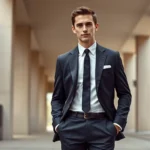
Mod style centered on several non-negotiable elements: slim-fit suits with high button stances, narrow lapels, and shortened jackets; crisp white or pastel shirts; thin knit ties; and impeccable grooming. The movement’s philosophy suggested that anyone could achieve style through dedication and discipline rather than inherited wealth or natural talent. This democratic approach to fashion remains profoundly influential.
The mod aesthetic emphasized youth, mobility, and urban sophistication. Parkas worn over suits, scooters as cultural symbols, and a deliberate cultivation of the “cool” aesthetic defined the movement. Fashion historians note that mod culture proved style wasn’t about following rules blindly but about understanding proportions, fit, and the psychological impact of visual presentation. Contemporary designers continue referencing mod silhouettes, proving its enduring relevance.
Key mod characteristics include:
- Slim-fit suits with high-buttoning jackets
- Narrow lapels and tight sleeves
- Contrast piping and geometric patterns
- Parkas as statement outerwear
- Scooter culture and subcultural identity
- Obsessive grooming and personal presentation
Color, Patterns, and Prints: Breaking the Monotony
One of the 60s most liberating contributions to menswear was the introduction of color and pattern. Prior decades had confined men to navy, gray, and black; the 60s shattered these restrictions. Pastel shirts in pink, lavender, and mint became acceptable for sophisticated men. Geometric patterns, bold stripes, and even floral prints emerged as legitimate fashion choices rather than signs of eccentricity.
The shift toward chromatic boldness reflected broader cultural changes. As society questioned established norms, fashion became a vehicle for expressing individuality and challenging conventions. Men who wore burnt orange, mustard yellow, or electric blue weren’t rebels—they were fashion-forward thinkers participating in a cultural conversation about identity and authenticity.
Patterns played equally important roles in 60s guys fashion. Houndstooth, glen plaid, and herringbone remained sophisticated choices, but the decade introduced op-art inspired geometric patterns, paisley prints, and abstract designs that would have seemed unthinkable in earlier eras. The key to wearing these bold patterns successfully involved proportion and confidence—a lesson applicable to anyone seeking to incorporate vintage inspiration into how to find your personal style.
Popular 60s color palettes:
- Pastel combinations: soft pink, lavender, mint green
- Earthy tones: burnt orange, mustard, olive
- Jewel tones: emerald, sapphire, ruby
- Neutral sophistication: cream, tan, soft gray
- Bold primaries: electric blue, bright red, sunshine yellow

Key Pieces for Your 60s Wardrobe
Building a 60s-inspired wardrobe requires understanding essential pieces that transcend the decade’s boundaries. These items form the foundation upon which you’ll layer the era’s distinctive aesthetic. Exploring types of fashion helps contextualize how 60s pieces fit within broader style categories.
The Slim-Fit Suit remains the cornerstone of 60s style. Unlike modern oversized cuts or vintage baggy silhouettes, 60s suits featured remarkably slim proportions. Jackets hugged the torso, sleeves tapered dramatically, and trousers created clean, unbroken lines from hip to ankle. Contemporary tailors can modify modern suits to achieve this aesthetic, or vintage pieces from reputable sellers offer authentic options. The key involves finding pieces that respect your body’s proportions while embodying the era’s signature streamlined silhouette.
Oxford Cloth Button-Down Shirts became uniform staples during the 60s. Originally associated with Ivy League campuses, these shirts offered versatility—equally appropriate worn under suits or paired casually with chinos. The 60s preference for slimmer fits means seeking shirts with tapered bodies and shorter sleeves relative to modern standards. Pastel colors, subtle stripes, and classic white remain timeless choices.
Turtlenecks and Crew Necks gained prominence during the 60s, offering casual sophistication unavailable through traditional dress shirts. A well-fitted turtleneck in cream, black, or jewel tones projects effortless style. The 60s favored slim bodies and moderate length—long enough to tuck if desired but short enough to wear layered under jackets without excessive fabric bunching.
Cardigans and Knit Vests provided lightweight layering options perfect for transitional seasons. The 60s preferred slim-fit cardigans in solid colors or subtle patterns, often worn unbuttoned over dress shirts for casual sophistication. This layering approach remains relevant for creating dimensional, interesting outfits.
Trousers deserve special attention. 60s trousers featured high rises, slim thighs, and tapered ankles creating dramatically different silhouettes than contemporary relaxed fits. The distinctive proportions—often with 15-17 inch leg openings—defined the era’s visual language. Finding reproductions from heritage brands or tailoring modern trousers to achieve these proportions ensures authentic aesthetic impact.
Footwear and Accessories: Completing the Look
Footwear in the 60s reflected the decade’s diversity. Chelsea boots with elastic sides became iconic, offering both sophistication and practicality. The pointed toe, moderate heel, and slim silhouette created clean lines complementing tailored suits. Alternatively, desert boots in suede provided casual versatility, while loafers offered preppy refinement. For the fashion-forward, pointed-toe shoes and even slight heel lifts became acceptable, challenging traditional masculine footwear conventions.
Accessories provided opportunities for personality expression within the 60s aesthetic. Thin ties—often featuring bold colors or geometric patterns—replaced traditional wide neckties. Pocket squares, frequently in contrasting colors or patterns, added visual interest to suit jackets. Cufflinks, particularly geometric or minimalist designs, reflected the era’s modernist sensibilities. Sunglasses, especially oversized frames, became status symbols and style statements.
Watches represented important accessories. Sleek, minimal designs with clean dials epitomized 60s sophistication, while sports watches offered casual versatility. The era favored leather straps over metal bracelets for most occasions, with black or brown remaining practical choices that complemented various outfits.
Belts demanded attention to proportion. Wide leather belts with prominent buckles would have appeared clunky against slim-fit trousers; instead, narrow leather belts with understated buckles maintained the era’s clean lines. The belt color should coordinate with footwear—black belt with black shoes, brown with brown—following a principle of intentional coordination rather than accident.
Late 60s Psychedelic: Freedom and Expression
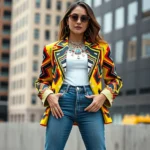
As the 60s progressed, particularly from 1966 onward, a dramatic shift occurred. The structured precision of mod culture gave way to the bohemian experimentalism of the counterculture. Hippie fashion rejected tailoring in favor of loose, comfortable silhouettes. Bright, clashing colors replaced coordinated palettes. Fringe, embroidery, and ornamental details adorned jackets and shirts. Denim—once workwear—became a canvas for artistic expression.
This late-60s aesthetic celebrated individuality and rejected conformity more radically than earlier styles. Bell-bottoms, nehru jackets, peace-symbol necklaces, and headbands represented not just fashion choices but political and philosophical statements. The psychedelic movement, influenced by LSD and experimental music, manifested visually in swirling patterns, clashing colors, and an almost aggressive rejection of traditional aesthetics.
According to The Guardian’s fashion coverage, the late-60s represented fashion’s most radical democratization. Young men could construct identities through thrift store finds, DIY modifications, and artistic experimentation. This approach contrasted sharply with early-60s emphasis on proper tailoring and coordinated sophistication, yet both movements shared commitment to intentional self-presentation.
For contemporary style enthusiasts, late-60s inspiration offers different lessons than mod culture. Rather than emphasizing precision and restraint, this aesthetic celebrates boldness and creative risk-taking. Mixing patterns, experimenting with color, and embracing vintage pieces as artistic statements all reflect late-60s philosophy.
Adapting 60s Style for Today
Successfully incorporating 60s guys fashion into modern wardrobes requires understanding which elements translate effectively and which demand modification. The key involves capturing the era’s spirit—intentionality, proportion awareness, and personal expression—while respecting contemporary contexts and practical considerations.
Proportions Require Adjustment
Modern menswear typically features roomier cuts than 60s styles. Rather than seeking authentic vintage pieces that may fit awkwardly, consider working with contemporary tailors to modify modern garments. A slim-fit suit from a heritage brand, tailored to 60s proportions, offers better fit and durability than decades-old vintage pieces. This approach honors the era’s aesthetic while maintaining contemporary comfort and functionality.
Color Integration
The 60s boldness with color remains relevant, but context matters. A pastel pink shirt worn with a navy suit reads as thoughtfully coordinated rather than costume-like. Conversely, wearing head-to-toe psychedelic patterns might overwhelm modern professional or social contexts. Strategic color integration—perhaps a bold tie with neutral suit, or interesting shoes with conservative business wear—channels 60s confidence without appearing anachronistic.
Mixing Eras
Authentic contemporary style rarely draws from single decades. Pairing 60s-inspired pieces with modern elements creates interesting tension and prevents costume-like appearance. A vintage-inspired slim suit worn with contemporary minimalist shoes, or a 60s color palette applied to modern silhouettes, demonstrates sophisticated style thinking. This approach, explored in depth at Style Loom Daily Blog, acknowledges that great style evolves.
Investment Pieces
Focus 60s inspiration on investment pieces where tailoring quality matters most. A well-made slim suit in classic proportions remains valuable long-term, while experimental items like psychedelic shirts might function better as occasional statement pieces. This prioritization ensures your wardrobe remains functional while expressing personality through 60s references.
Grooming Matters
The 60s emphasized grooming as integral to style. Sharp haircuts, clean shaves, and general personal maintenance completed the aesthetic. Contemporary interpretations should maintain this standard. A perfectly tailored suit loses impact paired with unkempt hair or neglected grooming. The 60s taught that style involves total presentation—clothing, grooming, posture, and attitude working in concert.

Building Your 60s-Inspired Capsule:
- One well-tailored slim-fit suit in navy or charcoal
- Oxford cloth button-down shirts in white, pale blue, and one pastel
- Slim-fit chinos in neutral tones
- Chelsea boots or desert boots
- Thin leather belt in black and brown
- Minimalist watch with leather strap
- Crew neck sweaters in solid colors
- Thin ties in subtle patterns or bold solids
- Pocket square for suit occasions
- Sunglasses with clean, geometric frames
The beauty of 60s guys fashion lies in its flexibility. Whether you gravitate toward early-decade precision or late-decade experimentation, authentic style emerges through understanding principles rather than rigid adherence to specific pieces. The decade’s most stylish men—whether Beatles, mod icons, or counterculture figures—shared commitment to intentional self-presentation and willingness to challenge conventions.
Fashion experts consistently note that 60s style remains relevant because it balanced structure with creativity, conformity with individuality. In contemporary menswear, where many options exist, 60s inspiration provides valuable guidance. The era demonstrated that style needn’t involve extreme expense or constant trend-chasing. Instead, understanding proportions, investing in quality basics, and expressing personality through thoughtful choices creates lasting style impact.
Explore 90s fashion for how subsequent decades built upon 60s foundations, or reference different fashion styles to understand how the 60s fit within broader fashion history. Understanding fashion context deepens appreciation for historical inspiration and informs contemporary choices.
FAQ
What are the main characteristics of 60s guys fashion?
60s guys fashion encompasses slim-fit suits, bold colors, geometric patterns, and an emphasis on proportion and tailoring. Early-decade styles drew from Ivy League and British mod influences, while late-60s fashion embraced psychedelic and bohemian aesthetics. The era’s defining characteristic involved intentional self-presentation and willingness to experiment with color and silhouette.
How can I wear 60s fashion without looking like I’m wearing a costume?
Integrate 60s elements strategically rather than adopting complete looks. Pair a vintage-inspired slim suit with contemporary shoes, or wear a bold 60s-colored shirt under a modern blazer. Mix eras thoughtfully, focusing on proportions and tailoring rather than exact period replication. Proper grooming and confident wearing ensure style reads as intentional rather than costume-like.
Where can I find authentic 60s pieces?
Vintage retailers, specialized online platforms, and heritage fashion brands offering slim-fit cuts provide options. Contemporary tailors can modify modern pieces to achieve 60s proportions. Authentic vintage requires careful inspection for quality and fit, while reproductions offer consistency and durability. Consider budget, desired authenticity level, and practical wearability when choosing between vintage and contemporary options.
Are 60s suits still appropriate for modern professional contexts?
Slim-fit suits reflecting 60s proportions remain appropriate for most professional settings. The key involves balancing vintage inspiration with contemporary context. A well-tailored slim suit in classic colors reads as intentional and sophisticated rather than dated. However, extremely narrow proportions or bold colors might require adjustment for conservative industries.
How do I style 60s fashion for casual occasions?
Casual 60s style emphasizes comfortable proportions without sacrificing intentionality. Slim-fit chinos with Oxford cloth shirts, crew neck sweaters, and Chelsea boots create casual sophistication. Late-60s bohemian inspiration offers more experimental options—denim jackets, patterned shirts, and vintage accessories create deliberately artistic casual looks appropriate for creative or social contexts.
What shoes work best with 60s-inspired outfits?
Chelsea boots, desert boots, loafers, and pointed-toe shoes all complement 60s aesthetics. The key involves proportion and color coordination. Narrow, clean-lined shoes complement slim-fit trousers, while substantial soles might overwhelm delicate proportions. Black or brown leather remains versatile, though 60s fashion sometimes embraced suede and unexpected colors.
Can women wear 60s guys fashion?
Absolutely. 60s menswear offers valuable inspiration for anyone seeking vintage-influenced style. Slim-fit blazers, narrow trousers, and bold color choices translate effectively across gender expressions. The era’s emphasis on proportion and intentional dressing provides universal style guidance applicable to diverse fashion presentations.