

What’s 60s Guys Fashion? Expert Insights Into an Iconic Era
The 1960s stands as one of the most transformative decades in men’s fashion history. This era witnessed an unprecedented shift from the conservative, uniform styles of the 1950s to bold, experimental designs that reflected the cultural revolution happening across society. From the sharp tailoring of early-decade mod culture to the psychedelic patterns and relaxed silhouettes of the late ’60s, 60s guys fashion represented freedom, youth rebellion, and artistic expression in ways that continue to influence contemporary menswear today.
Whether you’re fascinated by the dapper British mods, the groovy counterculture aesthetic, or the refined sophistication of Don Draper-inspired suiting, understanding 60s men’s fashion opens a window into a pivotal moment when fashion became a powerful tool for social commentary and personal identity. This comprehensive guide explores the key elements, influential figures, and enduring legacy of this revolutionary decade.
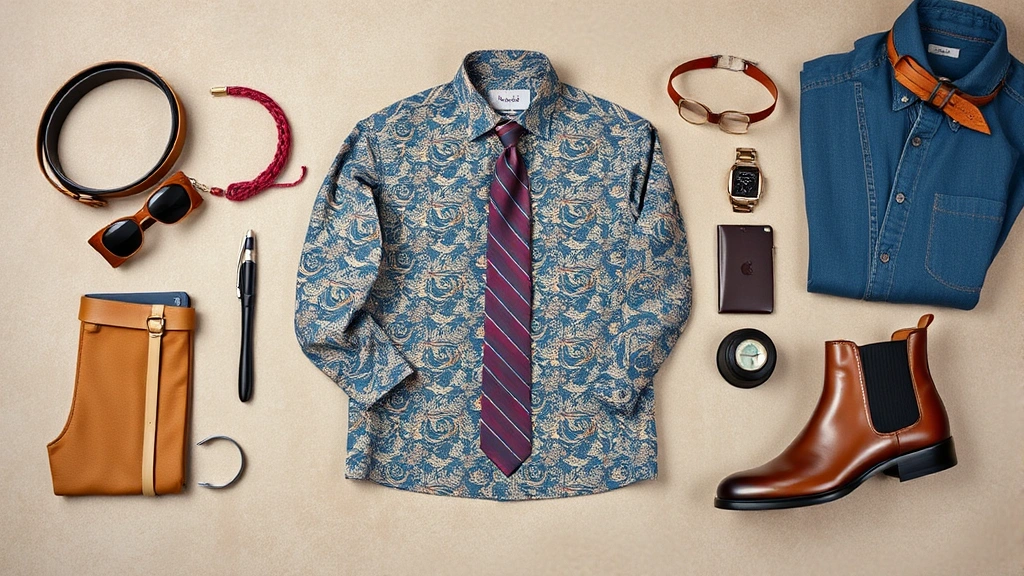
The Dawn of Modern Menswear: Early 1960s Style
The early 1960s represented a fascinating transitional period in types of fashion. The decade opened with men still largely adhering to the tailored, structured aesthetic of the previous era—think narrow ties, conservative color schemes, and perfectly pressed suits. However, the winds of change were already blowing. Young men began questioning the rigid dress codes that had defined their fathers’ wardrobes, seeking styles that felt fresher and more authentic to their generation’s spirit.
This period saw the emergence of the “Peacock Revolution,” though it wouldn’t reach its full expression until the late 1960s. Early ’60s menswear maintained sophisticated tailoring but introduced subtle innovations: slightly wider lapels, shorter jacket lengths, and the beginning of color experimentation. The influence of European designers, particularly from Italy and Britain, started reshaping American men’s fashion expectations. Tailoring became sleeker and more youthful, reflecting the optimism and forward-thinking attitude that defined the era.
The early decade also witnessed the rise of the “Ivy League” look gaining traction among young American men—button-down Oxford shirts, narrow ties, chinos, and loafers became the uniform of collegiate culture. This preppy aesthetic would coexist with more experimental styles throughout the decade, representing the duality of early ’60s fashion: tradition meeting innovation.
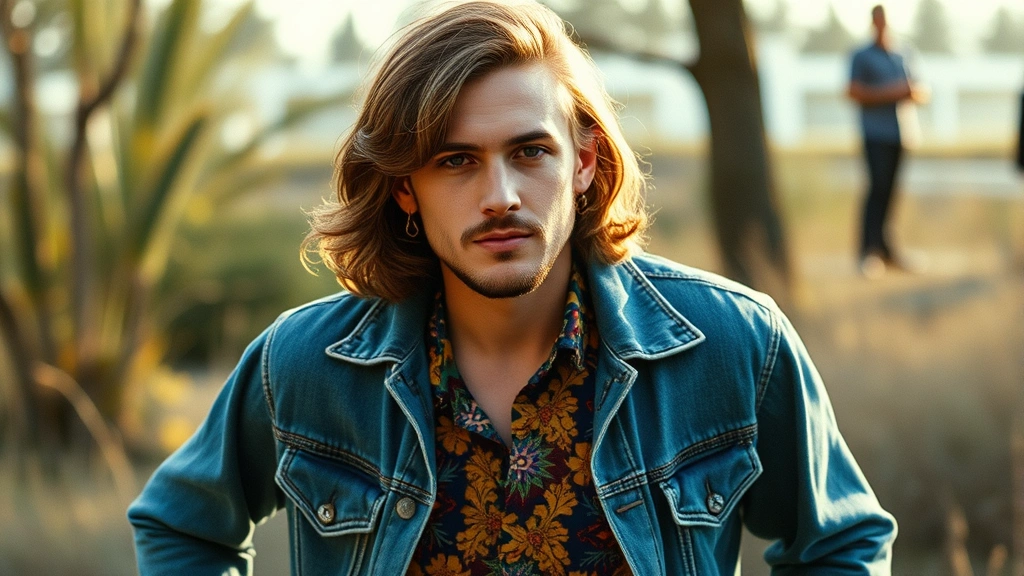
Mod Culture and British Invasion
Perhaps no movement defined 1960s men’s fashion more dramatically than the Mod subculture emerging from London. The term “Mod” derived from “modernist,” and these style-conscious youth rejected both the teddy boy aesthetic of the 1950s and the conservative mainstream fashion establishment. Mod fashion represented meticulous attention to detail, sharp tailoring, and an almost obsessive commitment to looking impeccably put-together.
Mod style featured slim-fitting suits with clean lines, often in solid colors or subtle patterns. The silhouette was distinctly different from American tailoring—narrower shoulders, shorter jackets, and tapered trousers created a sleek, almost androgynous look. Mods paired these suits with crisp white shirts, thin ties, and polished leather shoes. The aesthetic was urban, sophisticated, and deliberately youthful. Bands like The Who and The Kinks became visual ambassadors of Mod style, and their popularity exported this distinctly British look to fashion-conscious youth worldwide.
The British Invasion’s impact extended far beyond music. Designers like Mary Quant (though primarily known for women’s fashion) and menswear innovators influenced how young men dressed globally. London became the undisputed fashion capital, and American designers scrambled to capture the energy and innovation emanating from Carnaby Street. The Mod look represented a democratic approach to style—youth could achieve this aesthetic through affordable high-street retailers, democratizing fashion in ways that had never been possible before.
Key Garments and Silhouettes
Understanding different fashion styles of the 1960s requires examining the specific garments that defined the decade. The suit remained central to men’s fashion, but its construction evolved dramatically. Early ’60s suits featured narrow lapels and slim silhouettes, while by decade’s end, lapels widened considerably and jacket lengths shortened.
The Nehru Jacket: This collarless, button-front jacket became wildly popular in the mid-to-late 1960s, influenced by Indian fashion and the era’s growing interest in Eastern culture. The Nehru jacket offered a sophisticated alternative to traditional blazers and became a staple for fashion-forward men.
Turtlenecks and Mock Necks: These became essential basics, worn under blazers for a refined look or standalone as casual wear. The turtleneck represented the intersection of comfort and style that the decade increasingly valued.
Dress Shirts: Collar styles evolved throughout the decade. Early ’60s featured traditional point collars, but the “spread collar” gained popularity as the decade progressed. Ruffled and patterned dress shirts emerged in the late ’60s, reflecting the era’s growing embrace of pattern and color.
Trousers and Pants: The silhouette narrowed significantly in the early-to-mid ’60s, with slim-fitting trousers becoming the standard. By the late ’60s, flared bottoms began appearing, presaging the bell-bottom trend that would dominate the 1970s. Cargo pants and military-inspired trousers also gained traction as counterculture influence grew.
Denim and Casual Wear: Jeans transitioned from workwear to legitimate fashion, especially among younger men and counterculture communities. The combination of jeans with dress shirts or turtlenecks created a distinctly ’60s casual aesthetic.
Color Palettes and Patterns
The 1960s marked a dramatic departure from the muted color schemes of previous decades. Early ’60s fashion maintained relatively conservative palettes—navy, gray, black, and white dominated professional and formal wear. However, as the decade progressed, color became increasingly bold and experimental.
The mid-to-late ’60s explosion of color reflected broader cultural changes. Psychedelic patterns, inspired by the counterculture movement and LSD culture, introduced vibrant combinations of clashing hues that would have been unthinkable just years earlier. Orange and purple, lime green and hot pink—combinations that defied traditional color theory became fashionable statements.
Paisley patterns became iconic 1960s motifs, appearing on shirts, ties, and even suits. Floral prints, geometric patterns, and abstract designs reflected the era’s artistic rebellion. Even more conservative dressers began incorporating subtle pattern variations—houndstooth, checks, and pinstripes offered visual interest while maintaining relative sophistication.
The rise of Vogue and other fashion publications gave designers platforms to push color boundaries. Menswear, traditionally the most conservative fashion category, experienced a genuine revolution in chromatic expression. This willingness to experiment with color represented a fundamental shift in how men understood fashion and self-expression.
Footwear and Accessories
Shoes and accessories in 1960s men’s fashion deserve specific attention, as they often determined whether an outfit read as early ’60s preppy, mid-decade Mod, or late ’60s counterculture.
Footwear Evolution: Early ’60s staples included loafers, oxford shoes, and desert boots—clean, minimal designs in leather. The Mod movement favored pointed-toe shoes and Chelsea boots, which became increasingly popular as the decade progressed. By the late ’60s, boots dominated, from knee-high versions to shorter ankle boots. Sneakers and canvas shoes gained legitimacy as casual wear, reflecting youth culture’s rejection of formal dressing requirements.
Accessories: Ties remained important but evolved from narrow ’50s styles to slightly wider widths as the ’60s progressed. Paisley and patterned ties became acceptable, even fashionable. Belts shifted from simple leather to wider, more decorative styles. Hats, still worn in the early ’60s, gradually disappeared as the decade advanced—a symbolic rejection of formality and tradition.
Jewelry: Chains, rings, and bracelets became increasingly visible on men, particularly among counterculture communities. This represented a significant break from previous masculine dress codes that discouraged visible jewelry. Watches evolved from purely functional timepieces to style statements, with larger faces and more decorative designs.
Bags and Accessories: The briefcase remained essential for professional men, but shoulder bags and messenger bags gained popularity, particularly among younger, more casual dressers. Scarves worn around the neck added another layer of style variation.
The Counterculture Movement
By the mid-to-late 1960s, fashion style became increasingly intertwined with political and social movements. The counterculture—encompassing anti-war activism, civil rights movements, and the hippie community—developed distinctive fashion aesthetics that rejected mainstream ’60s guys fashion entirely.
Counterculture style emphasized authenticity, comfort, and rejection of commercialism. Vintage clothing, thrift store finds, and handmade garments became fashionable statements. Fringe, embroidery, and ethnic-inspired clothing reflected the movement’s embrace of global cultures and rejection of Western consumer capitalism. Long hair became a political statement, as did the deliberate cultivation of an “unkempt” appearance that contradicted the clean-cut ideals of earlier decades.
Denim returned to prominence in counterculture fashion, but now as a symbol of working-class solidarity and anti-establishment sentiment. Military surplus jackets and shirts, ironically worn by anti-war protesters, created a distinctive aesthetic. Tie-dye, though simple to create, became an iconic symbol of the era’s creative rebellion and DIY ethos.
This counterculture aesthetic fundamentally challenged conventional notions of masculinity and style. Men wearing long hair, colorful clothing, and jewelry were making statements that extended far beyond fashion—they were questioning social norms, gender expectations, and political systems. By decade’s end, elements of counterculture style had infiltrated mainstream fashion, with even conservative designers incorporating hints of the rebellion that had defined the late ’60s.
Iconic Style Figures
Understanding 1960s men’s fashion requires examining the influential figures who shaped aesthetic expectations. These style icons represented different facets of the decade’s diverse fashion landscape.
James Bond / Sean Connery: The suave British spy epitomized sophisticated 1960s masculinity. Tom Ford’s later Bond films drew heavily from Connery’s impeccable tailoring, slim-fitting suits, and understated elegance. Connery’s Bond represented aspiration—the idea that menswear could be both powerful and refined.
The Beatles: From their early matching suits to their later psychedelic experimentation, The Beatles documented the decade’s fashion evolution. Their willingness to embrace color, pattern, and unconventional styling gave permission to millions of young men to experiment with their appearance.
Steve Reeves: The bodybuilder and actor influenced how men understood physical presentation and clothing fit. His influence contributed to the shift toward slimmer, more body-conscious silhouettes.
Jimi Hendrix: The legendary guitarist became an icon of counterculture style—colorful, experimental, and deliberately provocative. His flamboyant approach to menswear challenged traditional masculinity and influenced designers worldwide.
David Bowie (late decade): While Bowie’s most iconic androgynous looks emerged in the 1970s, his late-’60s experimentation with fashion and gender presentation anticipated the radical style shifts to come.
How to Wear 60s Fashion Today
The enduring appeal of fashion through the decades means that 1960s style remains relevant and achievable for contemporary men. Several approaches allow modern wearers to incorporate 60s aesthetics into current wardrobes.
The Mod Approach: Slim-fitting suits in solid colors or subtle patterns remain eternally stylish. Pair with crisp white shirts, thin ties, and pointed-toe shoes for an authentic Mod aesthetic. This look works excellently for formal occasions or professional settings where you want to add vintage-inspired sophistication.
Casual Vintage: Vintage 1960s pieces—authentic or reproduced—can be incorporated into contemporary outfits. A slim-fitting vintage shirt paired with modern jeans and contemporary shoes creates an interesting temporal blend. Thrift stores often yield authentic ’60s pieces at reasonable prices.
Psychedelic Elements: For those willing to take greater risks, paisley patterns, bold colors, and geometric prints can be incorporated through ties, shirts, or accessories. Pairing one statement piece with otherwise neutral clothing prevents the look from becoming costume-like.
Counterculture Inspiration: Vintage denim, military surplus jackets, and handmade or artisanal pieces capture counterculture spirit without requiring full immersion in the aesthetic. This approach appeals to those seeking authenticity and individuality.
The Hybrid Approach: Many contemporary style experts recommend mixing periods—combining a slim-fitting 1960s-inspired suit jacket with modern sneakers, or pairing vintage band t-shirts with tailored trousers. This creates interesting visual tension and prevents looking like a historical reenactor.
Return to the StyleLoom Daily Blog for more insights into creating timeless style through modern interpretations of classic eras.
FAQ
What defined early 1960s men’s fashion?
Early ’60s menswear maintained relatively conservative tailoring from the 1950s but began introducing subtle innovations—slightly wider lapels, shorter jackets, and careful color experimentation. The Ivy League preppy aesthetic remained influential, but European designers began reshaping expectations toward sleeker, more youthful silhouettes.
How did Mod culture influence 1960s fashion?
Mod culture represented a revolutionary approach to menswear, emphasizing slim-fitting suits, clean lines, crisp shirts, and meticulous attention to detail. The movement democratized fashion by making stylish dressing accessible through affordable high-street retailers, and its influence spread globally through bands like The Who and The Kinks.
What’s the difference between early and late 1960s style?
Early ’60s fashion maintained relatively conservative color palettes and silhouettes, while late ’60s style embraced bold colors, psychedelic patterns, flared trousers, and counterculture aesthetics. The decade witnessed a dramatic evolution from refined sophistication to experimental rebellion.
Can I wear 1960s fashion today?
Absolutely. Slim-fitting suits remain eternally stylish, and elements of ’60s fashion can be incorporated through vintage pieces, pattern choices, and color selections. Many contemporary designers draw inspiration from the decade, making ’60s-influenced pieces readily available.
What were the most iconic 1960s menswear pieces?
Essential pieces include slim-fitting suits, turtlenecks, Nehru jackets, crisp dress shirts, narrow ties, Chelsea boots, and denim. The specific combination of these elements determined whether an outfit read as Mod, preppy, or counterculture.
How did counterculture change men’s fashion?
The counterculture movement introduced authenticity, comfort, and anti-establishment aesthetics to men’s fashion. Long hair, colorful clothing, vintage pieces, tie-dye, and rejection of formal dress codes represented political and social rebellion, fundamentally challenging conventional masculinity.
What external resources help understand 1960s fashion?
Britannica’s Fashion Encyclopedia offers historical context, while The Metropolitan Museum of Art features extensive exhibits on 1960s design. Fashion Institute of Technology provides academic perspectives on the era’s significance.