2014 Fashion Trends: Expert Throwback Analysis
The year 2014 stands as a pivotal moment in fashion history, a time when digital influence began reshaping the industry and personal style became democratized through social media. This was the era when fashion bloggers held genuine power, Instagram aesthetics dictated trends, and the line between high fashion and street style blurred into insignificance. Looking back at 2014 fashion trends reveals a fascinating paradox: while the industry celebrated heritage and nostalgia, it simultaneously embraced futuristic minimalism and bold experimentation. The trends that dominated this year continue to echo through contemporary wardrobes, proving that 2014 wasn’t merely a fleeting moment but rather a foundational year that shaped how we approach style today.
Whether you’re a fashion enthusiast seeking to understand recent history or someone looking to incorporate vintage 2014 elements into your modern wardrobe, this comprehensive analysis explores the decade’s most significant sartorial moments. From the rise of athleisure to the dominance of maxi skirts, from statement accessories to the resurrection of 90s minimalism, we’ll examine how 2014 fashion reflected broader cultural shifts and technological advancements. Understanding these trends provides valuable context for finding your personal style and recognizing which vintage elements deserve a permanent place in your closet.
The Athleisure Revolution
2014 marked the year athleisure transitioned from gym-exclusive territory into legitimate street style. This wasn’t simply about wearing yoga pants to brunch—it represented a fundamental shift in how people approached dressing for daily life. Brands like Lululemon, Nike, and Adidas began collaborating with high-fashion designers, legitimizing performance wear as acceptable fashion. The movement reflected broader lifestyle changes: wellness culture was ascending, fitness became a social activity rather than a solitary pursuit, and people increasingly valued comfort without sacrificing style.
The athleisure trend of 2014 fashion established principles that remain relevant today. Structured leggings paired with oversized sweaters, sleek sneakers worn with tailored jackets, and joggers styled with elegant tops became standard combinations. What made 2014 athleisure distinctive was the intentionality—these weren’t accidents of convenience but carefully curated looks that demonstrated fashion awareness. The trend democratized fashion accessibility, allowing people to look polished without traditional formal wear. Interestingly, this movement challenged long-held fashion hierarchies that separated activewear from everyday clothing, ultimately proving that comfort and style weren’t mutually exclusive concepts.
The genius of 2014 athleisure lay in its versatility and inclusivity. Unlike previous trends that favored specific body types or silhouettes, athletic wear accommodated diverse figures. This accessibility contributed to athleisure’s explosive growth and its permanent integration into contemporary fashion. When examining fashion history timeline, the athleisure revolution of 2014 deserves recognition as a transformative moment that fundamentally altered how people approach dressing.
Maxi Everything Movement
The maxi silhouette dominated 2014 fashion with unprecedented authority. From maxi skirts to maxi dresses to maxi coats, this elongated aesthetic became the uniform of style-conscious individuals worldwide. The trend appealed to diverse demographics—minimalist designers embraced maxi silhouettes for their elegant simplicity, while bohemian-influenced brands celebrated the romantic possibilities of flowing fabrics. What united these variations was a shared appreciation for dramatic length and the graceful movement it created.
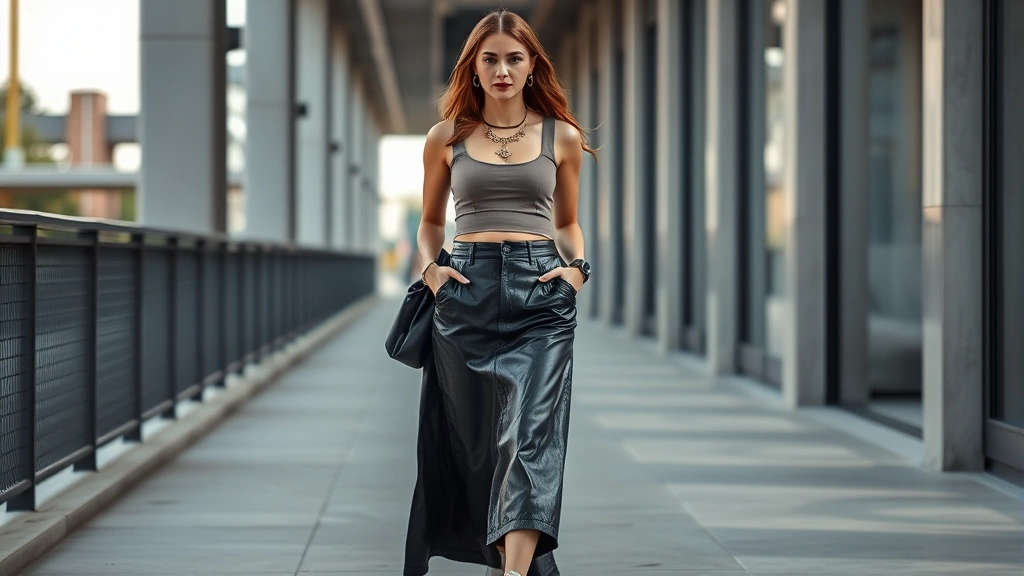
Maxi skirts particularly captured the fashion zeitgeist of 2014. Styled with crop tops and revealing the midriff, they created intentional contrast that felt both modest and modern. Fashion-forward individuals paired leather maxi skirts with delicate blouses, chambray maxi dresses with leather jackets, and printed maxi skirts with neutral tops. This versatility explained the trend’s staying power throughout the year. Unlike fleeting fads that burn out quickly, the maxi trend offered sufficient variation to remain fresh and interesting across seasons and occasions.
The maxi movement also reflected 2014’s broader aesthetic of juxtaposition. By pairing traditionally conservative lengths with modern styling choices, fashion embraced contradiction as a design principle. This approach resonated with younger consumers who rejected fashion’s conventional rules and sought to create personalized style narratives. The maxi trend proved that fashion evolution isn’t always about radical reinvention—sometimes it’s about recontextualizing classic silhouettes through contemporary styling.
Minimalist Aesthetic Dominance
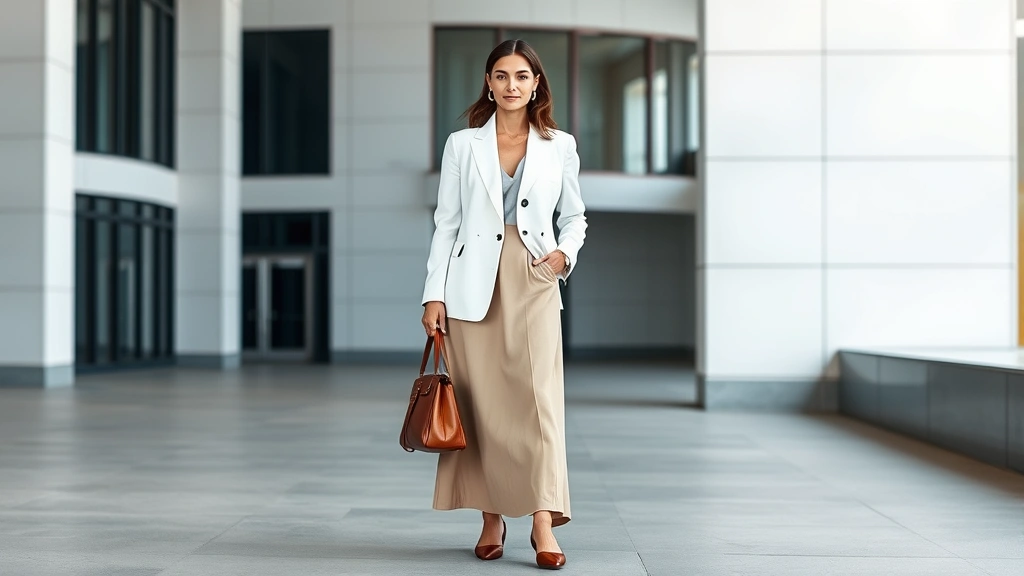
Simultaneously with maximalist trends, 2014 witnessed minimalism’s powerful resurgence. Designers like Calvin Klein, Jil Sander, and emerging minimalist brands championed clean lines, neutral palettes, and intentional simplicity. This wasn’t minimalism as austerity but rather minimalism as refinement—the idea that carefully selected pieces conveyed more sophistication than excessive ornamentation. The trend reflected growing consumer fatigue with fast fashion’s constant novelty and a desire for timeless, investment-worthy pieces.
Minimalist 2014 fashion emphasized quality over quantity. Neutral color palettes—black, white, beige, grey, navy—became the foundation for sophisticated wardrobes. Structured silhouettes replaced excessive decoration. Monochromatic dressing became aspirational. This aesthetic particularly appealed to urban professionals seeking efficient, versatile wardrobes that transcended trend cycles. The minimalist approach aligned with emerging sustainability consciousness, suggesting that fewer, better-made pieces represented both style and environmental responsibility.
The minimalist trend of 2014 established principles that continue influencing contemporary fashion. The concept of a curated capsule wardrobe gained traction, with style experts advocating for strategic investment in foundational pieces. This philosophy democratized luxury—you didn’t need expensive designer labels to achieve minimalist elegance; you needed intentionality and quality basics. When considering current fashion discussions, minimalism’s 2014 resurgence remains relevant as people continually seek to simplify and refine their personal aesthetics.
Statement Accessories Era
If 2014 fashion embraced minimalism in silhouettes and color palettes, it compensated through statement accessories. Oversized sunglasses, chunky jewelry, structured handbags, and bold scarves became essential styling tools. Accessories provided the perfect outlet for personal expression within minimalist frameworks—you could wear a neutral outfit elevated entirely through accessory choices. This approach particularly appealed to budget-conscious fashion enthusiasts who could achieve multiple looks through strategic accessory swaps.
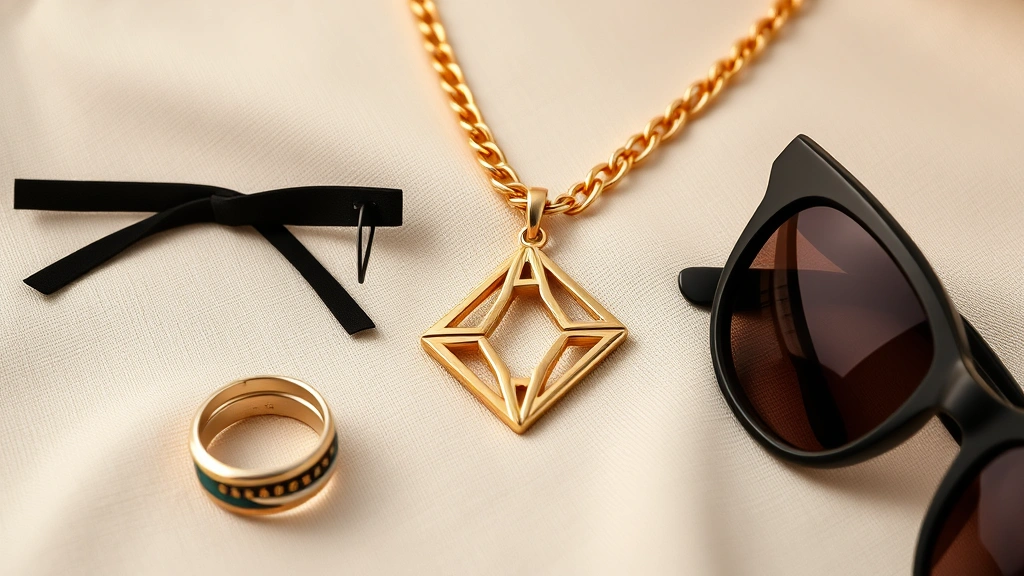
Statement jewelry dominated 2014 fashion accessories. Chunky gold chains, geometric pendant necklaces, and stacked rings became signature styling elements. Bags evolved from functional carriers into fashion statements—structured satchels, color-blocked totes, and architectural designs demonstrated designer innovation. Sunglasses reached absurd proportions, with oversized frames becoming ubiquitous among fashion-forward individuals. Scarves transformed into versatile accessories, worn as headbands, neck ties, or woven through hair.
The statement accessories trend reflected 2014’s broader approach to style as personal expression. While silhouettes remained relatively consistent, accessories allowed individuals to signal fashion awareness and personality. This democratization of style through accessories meant that fashion participation didn’t require expensive clothing—a well-chosen statement necklace could transform a basic outfit into something distinctly personal. The trend established accessories as legitimate fashion investments rather than mere afterthoughts, a principle that remains central to contemporary styling philosophy.
90s Nostalgia Resurgence
2014 fashion witnessed a powerful return to 90s aesthetics, a phenomenon that continues influencing contemporary trends. This nostalgia operated on multiple levels—designers reissued iconic pieces from the decade, fashion bloggers incorporated 90s elements into modern outfits, and younger consumers discovered the era through vintage shopping. What made 2014’s 90s revival distinctive was its self-aware nature; people weren’t unconsciously repeating history but deliberately engaging with a specific aesthetic they recognized as culturally significant.
The 90s resurgence manifested through slip dresses, minimalist silhouettes, and a general embrace of understated elegance. Fashion drew inspiration from supermodels like Kate Moss, whose effortless styling became a template for contemporary dressing. Oversized blazers, straight-leg jeans, and neutral tones dominated 90s-influenced looks. This connection to 90s fashion history represented more than mere trend recycling; it reflected genuine appreciation for an era many younger consumers hadn’t directly experienced but recognized as stylistically significant.
The 90s nostalgia of 2014 also coincided with the rise of vintage fashion culture. Thrifting became trendy, vintage shops gained cultural cachet, and wearing pre-owned designer pieces signaled both fashion knowledge and environmental consciousness. This movement challenged fast fashion’s dominance and suggested that fashion’s future might involve looking backward—not to literally repeat the past but to appreciate quality, craftsmanship, and timeless design principles that transcend trend cycles.
Bold Colors and Prints
While minimalism championed neutrals, 2014 fashion simultaneously embraced bold colors and eye-catching prints. This apparent contradiction actually reflected fashion’s increasing pluralism—multiple aesthetic approaches coexisted without requiring dominance. Pantone’s color predictions for 2014 emphasized bold hues: Radiant Orchid, Scuba Blue, and Hemlock. Fashion-forward individuals incorporated these colors through key pieces, accessories, or entire outfits depending on personal comfort levels.
Prints became increasingly experimental in 2014 fashion. Geometric patterns, animal prints, and abstract designs appeared on everything from dresses to accessories. Mixed prints—a traditionally cautious approach—became acceptable through confident styling. Floral prints evolved beyond traditional femininity into bold, oversized designs that felt contemporary and unexpected. Digital prints enabled designers to create increasingly complex patterns, pushing print possibilities beyond traditional methods.
The coexistence of bold colors, experimental prints, and minimalist aesthetics in 2014 fashion reflected broader cultural shifts toward individualism and self-expression. Rather than prescriptive fashion rules, 2014 celebrated diverse approaches to personal style. This democratization meant fashion became less about following dictates and more about discovering what resonated with individual sensibilities. The trend established principles that continue influencing contemporary fashion—the idea that multiple aesthetic approaches hold equal validity and that personal preference matters more than adherence to specific rules.
Footwear Evolution
Footwear in 2014 fashion reflected broader style conversations. Flat shoes gained unprecedented legitimacy, challenging the high-heel hegemony that had dominated for decades. Pointed-toe flats, ballet flats, and elegant loafers proved that sophistication didn’t require elevation. Simultaneously, statement heels remained popular—block heels, geometric designs, and bold colors allowed people to embrace height while prioritizing comfort and stability.
Sneaker culture reached new heights in 2014, with designer collaborations and luxury brands entering the athletic footwear market. Minimalist white sneakers became universally styling tools, appropriate for casual and surprisingly formal contexts. Vintage sneakers and retro designs gained popularity, with consumers seeking specific models from previous decades. Boots remained essential, with everything from Chelsea boots to knee-high designs offering versatility.
The footwear evolution of 2014 fashion reflected broader shifts toward comfort and practicality without sacrificing style. People increasingly rejected the false choice between looking good and feeling comfortable, instead seeking shoes that accomplished both. This approach established principles that remain central to contemporary footwear design—the recognition that comfort and style represent complementary rather than competing values.
Social Media and Influencer Impact
2014 fashion cannot be discussed without acknowledging social media’s transformative impact. Instagram, Pinterest, and fashion blogs had reached critical mass, fundamentally altering how trends developed and spread. Fashion influencers—people with substantial social media followings who shared style inspiration—possessed genuine power to shape consumer behavior. This represented a genuine democratization of fashion authority; you didn’t need access to runway shows or fashion publications to influence style conversations.
The influencer phenomenon of 2014 established patterns that continue dominating contemporary fashion. Brands began collaborating directly with social media personalities, recognizing their reach and credibility among specific demographics. Fashion bloggers transitioned from hobbyists to professional content creators, with sponsorships and partnerships providing legitimate income. This shift demonstrated that fashion authority was shifting from traditional gatekeepers to individuals who could authentically connect with audiences.
Social media also accelerated trend cycles. What previously took seasons to spread could now reach global audiences within days. This acceleration meant 2014 fashion moved faster than ever, with multiple micro-trends emerging and fading throughout the year. However, this speed also enabled greater diversity—instead of one dominant aesthetic, multiple approaches coexisted simultaneously. Understanding contemporary fashion education increasingly requires recognizing social media’s role in trend development and dissemination.
The influencer culture of 2014 also democratized fashion participation. You didn’t need professional credentials or industry connections to participate in fashion conversations—you needed authenticity and the ability to articulate style philosophy. This accessibility encouraged diverse voices and perspectives, challenging traditional fashion hierarchies. While influencer culture has evolved since 2014, the fundamental shift it represented—moving authority from institutions to individuals—remains a defining characteristic of contemporary fashion.
Looking at 2014 fashion through the lens of influencer impact reveals how technology fundamentally transformed the industry. Social media didn’t simply distribute existing trends faster; it actually altered how trends developed and spread. This transformation continues influencing contemporary fashion, with social media remaining central to trend forecasting, brand strategy, and consumer behavior. The year 2014 represents a crucial moment when social media transitioned from supplementary to central in fashion’s ecosystem.
FAQ
What were the biggest fashion trends in 2014?
2014 fashion was dominated by several major trends: athleisure (comfortable yet stylish clothing), maxi silhouettes (long skirts and dresses), minimalist aesthetics (clean lines and neutral colors), statement accessories (bold jewelry and bags), 90s nostalgia, bold colors and prints, and the rise of influencer culture. These trends often coexisted, reflecting fashion’s increasing pluralism where multiple aesthetic approaches held equal validity.
Is 2014 fashion making a comeback?
Absolutely. Many 2014 fashion trends remain relevant today, while others are experiencing deliberate revival. Athleisure is more mainstream than ever, minimalist aesthetics continue influencing design, and 90s nostalgia remains cyclical. Fashion operates in conversation with its history, so understanding 2014 trends helps identify contemporary style directions. Current fashion often incorporates elements from 2014, updated through modern sensibilities and new design innovations.
How can I incorporate 2014 fashion trends into my modern wardrobe?
Select specific elements that resonate with your personal style rather than adopting entire trends wholesale. Invest in quality basics that reflect minimalist principles, incorporate statement accessories strategically, embrace comfortable athleisure pieces, and explore vintage options for authentic 2014 pieces. The key is approaching 2014 fashion as inspiration rather than prescription, extracting elements that align with your aesthetic while maintaining contemporary relevance. Consider consulting resources about finding your personal style to ensure vintage elements genuinely serve your wardrobe.
Why was 2014 such an important fashion year?
2014 represents a pivotal moment when digital influence fundamentally transformed fashion. Social media influencers gained genuine authority, trend cycles accelerated dramatically, and fashion became increasingly democratized. The year witnessed significant aesthetic conversations—minimalism versus maximalism, comfort versus formality, heritage versus innovation—that continue influencing contemporary design. Additionally, 2014 established athleisure as legitimate fashion and challenged traditional fashion hierarchies, making it a genuinely transformative year in fashion history.
Where can I find 2014 fashion inspiration today?
Vintage platforms like Depop and Vestiaire Collective feature authentic 2014 pieces. Fashion archives on Pinterest and Instagram document 2014 trends comprehensively. Fashion publications often feature retrospectives on specific years, providing curated analysis. Following contemporary designers who draw inspiration from 2014 offers updated interpretations. Additionally, exploring fashion history resources provides context for understanding how 2014 trends fit within broader fashion evolution.