2010s Fashion Trends: Expert Throwback Guide
The 2010s represented a transformative decade for fashion, blending digital culture with personal expression in ways that fundamentally changed how we consume and wear style. From the rise of social media influencers to the democratization of fashion through platforms like Instagram and TikTok, this era witnessed an unprecedented explosion of diverse aesthetics competing for attention. The decade wasn’t defined by a single dominant trend but rather by a beautiful collision of subcultures, vintage revivals, and experimental silhouettes that coexisted peacefully on runways and street corners alike.
What made 2010s fashion particularly fascinating was its paradoxical nature—simultaneously maximalist and minimalist, nostalgic and futuristic, accessible and aspirational. Whether you’re seeking to relive the glory days of this iconic decade or simply curious about the trends that shaped contemporary style, this comprehensive guide explores the most influential fashion movements that defined the 2010s and continue to resonate in today’s wardrobes.
The Athleisure Revolution
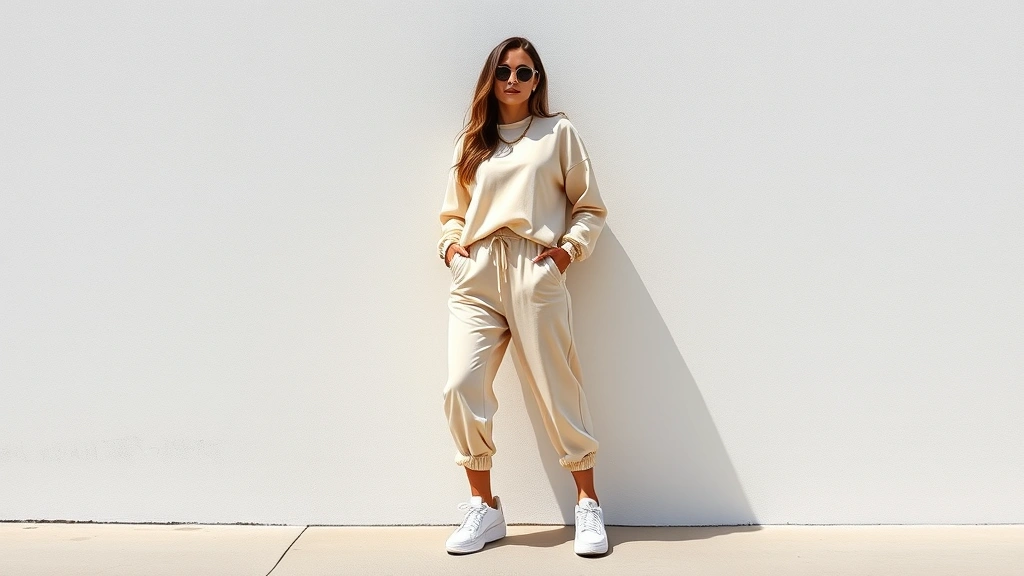
Athleisure emerged as perhaps the most commercially significant trend of the 2010s, fundamentally challenging the traditional boundaries between activewear and everyday fashion. What began as practical gym-to-street dressing evolved into a full lifestyle philosophy that blurred the lines between performance wear and high fashion. Brands like Lululemon, Outdoor Voices, and Gymshark transformed athletic wear into status symbols, while luxury houses from Gucci to Balenciaga incorporated technical fabrics and sporty silhouettes into their collections.
The athleisure movement reflected broader cultural shifts toward wellness, health consciousness, and a more casual approach to professional dress codes. Women embraced high-waisted leggings paired with oversized hoodies and trainers, while men experimented with joggers, track jackets, and performance-enhanced basics. This trend democratized luxury fashion—suddenly, a pair of expensive sneakers or a premium yoga mat became legitimate fashion statements. The rise of athleisure also coincided with the normalization of remote work and flexible office environments, making comfort-focused fashion not just desirable but necessary.
What made athleisure particularly revolutionary was its intersection with sustainability conversations. Performance fabrics improved dramatically throughout the decade, and consumers increasingly valued durability and multifunctionality. This shift toward practical, long-lasting pieces represented a departure from fast fashion consumption patterns, laying groundwork for the sustainable fashion movements that would dominate fashion discourse by decade’s end.
Streetwear’s Global Explosion
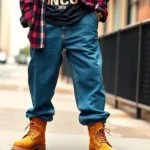
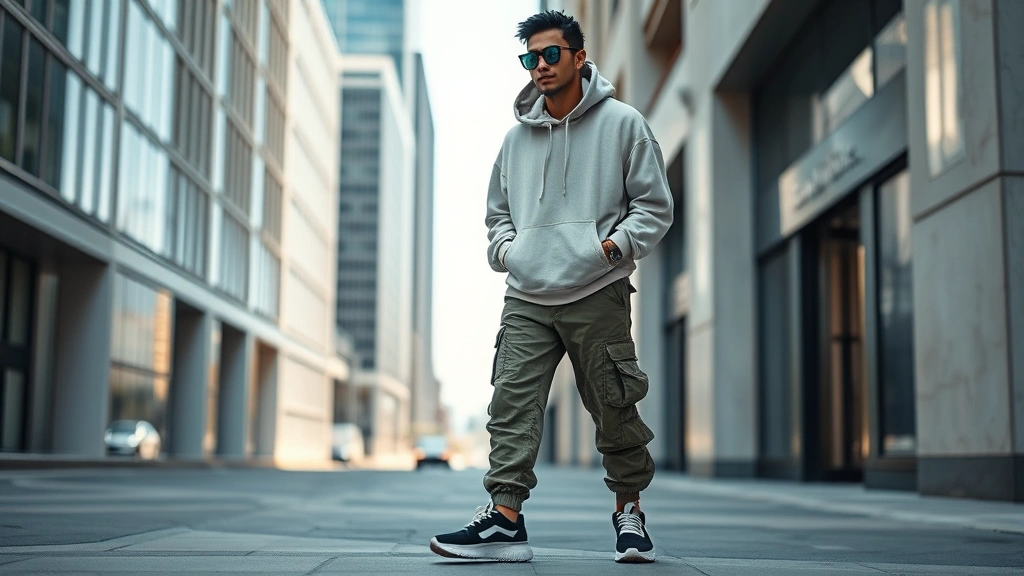
The 2010s witnessed streetwear’s unprecedented ascension from subculture to mainstream dominance, with brands like Supreme, Off-White, and Fear of God commanding astronomical prices and cultural reverence. What originated in skateboarding communities and hip-hop culture evolved into a multibillion-dollar industry that influenced every segment of fashion, from luxury houses to high street retailers. Streetwear’s emphasis on limited drops, collaboration culture, and community building created a new model for fashion consumption that prioritized exclusivity and authenticity.
Virgil Abloh’s Off-White exemplified streetwear’s evolution, bringing deconstructionist aesthetics and quotation-mark branding to luxury fashion. His appointment as Louis Vuitton’s creative director in 2018 symbolized streetwear’s complete integration into high fashion’s upper echelons. Similarly, Supreme’s collaborations with established designers proved that streetwear wasn’t a fleeting trend but rather a fundamental reimagining of fashion’s power structure.
The streetwear aesthetic—characterized by oversized silhouettes, bold graphics, technical fabrics, and nostalgic references—resonated globally with Gen Z consumers who valued authenticity and cultural connection over traditional markers of luxury. Brands successfully leveraged Instagram and online communities to build devoted followings, with product drops generating the same excitement as luxury fashion weeks. This decade established that true fashion authority no longer belonged exclusively to heritage houses but could be claimed by anyone with a compelling vision and community engagement.
Minimalism Meets Maximalism
The 2010s presented a fascinating dichotomy between minimalist and maximalist aesthetics, with both movements thriving simultaneously and often intersecting in unexpected ways. The minimalist trend, championed by designers like Jil Sander and The Row, emphasized clean lines, neutral palettes, and investment pieces designed for longevity. This philosophy aligned perfectly with emerging sustainability concerns and the desire for developing a personal style based on quality rather than quantity.
Conversely, maximalism celebrated excess, pattern mixing, bold colors, and unapologetic self-expression. Designers like Gucci under Alessandro Michele transformed the brand through ornate prints, clashing patterns, and theatrical aesthetics that felt refreshingly rebellious against minimalist dominance. This maximalist rebellion particularly resonated with younger consumers who viewed fashion as creative expression rather than conformist dressing. The decade proved that both philosophies could coexist, with individuals often oscillating between minimal basics and statement pieces depending on mood and occasion.
What’s particularly interesting is how these opposing aesthetics influenced each other. Minimalist pieces gained decorative elements, while maximalist designs incorporated cleaner silhouettes. This cross-pollination created a more nuanced approach to dressing that allowed individuals to express complexity and contradiction within their personal style.
Vintage Revival and Y2K Return
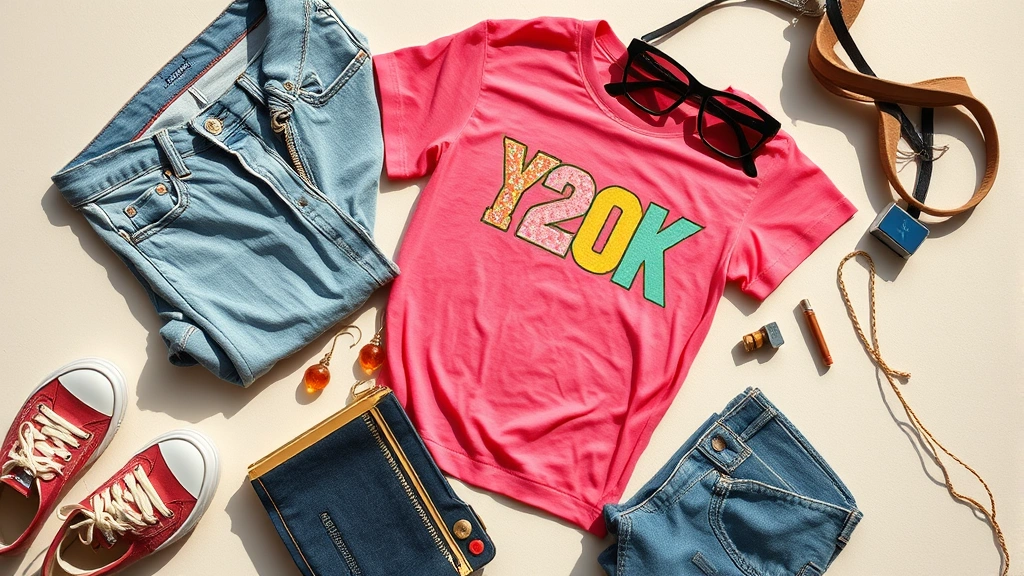
Nostalgia became a powerful force in 2010s fashion, with consumers increasingly mining past decades for inspiration and authenticity. The Y2K revival gained particular momentum as millennials and Gen Z discovered the campy optimism of early-2000s fashion—low-rise jeans, baby tees, colorful accessories, and playful logomania. What initially seemed like ironic nostalgia evolved into genuine appreciation for the craftsmanship and creativity of early-2000s design.
Vintage shopping transitioned from niche hobby to mainstream activity, with platforms like Depop and Vestiaire Collective making rare pieces accessible to global audiences. High-fashion designers increasingly sourced inspiration from vintage archives, with brands like Balenciaga directly referencing their own heritage pieces. This trend reflected broader cultural conversations about sustainability and the rejection of disposable fast fashion—vintage pieces told stories and offered uniqueness that mass-produced items couldn’t replicate.
The 2010s also saw the rehabilitation of previously dismissed trends. Chokers, cargo pants, slip dresses, and colorful sunglasses experienced remarkable comebacks, proving that fashion cycles operate on accelerated timelines in the digital age. Gen Z’s embrace of Y2K aesthetics demonstrated that nostalgia could coexist with contemporary sensibilities, creating hybrid looks that felt both retro and current.
Sustainable Fashion Awakening
Environmental consciousness gradually permeated fashion discourse throughout the 2010s, with consumers increasingly questioning the industry’s ecological footprint. Documentaries, investigative journalism, and social media activism raised awareness about fast fashion’s devastating environmental and human costs. This awakening drove the rise of conscious brands, rental platforms, and resale markets that offered alternatives to traditional consumption models.
Brands responded by implementing sustainability initiatives, though critics often noted the performative nature of many efforts. Nevertheless, the decade established sustainability as a legitimate consideration in fashion purchasing decisions. The popularity of capsule wardrobes and understanding fashion history encouraged consumers to invest in timeless pieces rather than trend-chasing. Luxury brands paradoxically benefited from this shift, as consumers increasingly viewed expensive items as better investments than cheap alternatives.
The sustainable fashion movement also intersected with craftsmanship appreciation, with consumers valuing transparency about production methods and materials. This trend established the foundation for the increasingly demanding environmental standards that would characterize fashion’s future.
Influencer Culture and Personal Branding
The 2010s witnessed the complete transformation of fashion influence from traditional gatekeepers like editors and critics to content creators and social media personalities. Instagram influencers became arbiters of style, with their outfit posts generating sales spikes and brand collaborations. This democratization of fashion authority meant that anyone with engaging content and authentic community connection could shape trends and launch careers.
The influencer economy created new career pathways and business models, with brands increasingly allocating marketing budgets toward micro and macro influencers rather than traditional advertising. This shift fundamentally altered how fashion trends developed and spread—instead of trickling down from runways, trends now bubbled up from Instagram feeds, TikTok videos, and YouTube hauls. The most successful influencers understood that authenticity and relatability trumped perfection, creating aspirational yet achievable style inspiration.
However, the influencer era also introduced challenges including sustainability concerns about constant consumption, body image pressures, and questions about authentic versus sponsored content. Despite these critiques, influencer culture established a new paradigm where personal branding became inseparable from fashion consumption, particularly for Gen Z audiences who viewed social media presence as integral to identity formation.
Gender-Neutral Fashion Movement
The 2010s witnessed significant progress toward gender-neutral fashion, with designers increasingly questioning traditional binary categories and consumers rejecting rigid dress codes. High fashion embraced androgynous silhouettes, with oversized tailoring and unisex basics becoming mainstream. Brands like Rad Hourani and Telfar led the charge, while luxury houses incorporated gender-fluid elements into collections.
This movement reflected broader cultural conversations about gender identity and expression, with fashion becoming a tool for individuals to explore and communicate their authentic selves. The rise of diverse fashion expressions meant that traditional categories like “menswear” and “womenswear” felt increasingly obsolete. Retail spaces began organizing by silhouette and aesthetic rather than gender, acknowledging that style preferences transcended binary categories.
The gender-neutral movement also challenged beauty standards and body diversity conversations, with fashion increasingly celebrating difference rather than conformity. This shift created space for individuals to express complexity and contradiction through clothing, rejecting the notion that authentic style required adherence to predetermined categories.
Bold Colors and Experimental Silhouettes
While minimalism offered one aesthetic path, the 2010s simultaneously celebrated vibrant colors and experimental silhouettes that pushed boundaries. Designers like Comme des Garçons and Rei Kawakubo continued championing unconventional shapes, while brands like Vetements deconstructed fashion fundamentals through irreverent design. Bold fuchsia, electric blue, and neon green replaced safe neutrals in many collections, signaling confidence and creative risk-taking.
The decade’s experimental approach extended to proportions, with oversized silhouettes, cropped lengths, and asymmetrical cuts challenging conventional ideas about flattering fit. This willingness to experiment reflected broader cultural shifts toward individuality and self-expression, with consumers increasingly viewing fashion as creative medium rather than mere clothing. Designers understood that the 2010s audience craved novelty and conversation-starting pieces that reflected their unique personalities.
Color psychology gained particular significance, with fashion communicating emotional states and political positions through hue selection. The prevalence of millennial pink symbolized optimism and femininity, while bold jewel tones conveyed luxury and sophistication. This decade established that color and silhouette could convey as much meaning as traditional design elements, democratizing fashion’s vocabulary.
FAQ
What were the most iconic 2010s fashion trends?
The most influential trends included athleisure, streetwear, minimalism, Y2K revival, sustainable fashion consciousness, and gender-neutral styling. These movements often intersected and influenced each other, creating the decade’s diverse aesthetic landscape. Each trend reflected broader cultural conversations about sustainability, identity, and authenticity.
How has 2010s fashion influenced contemporary style?
The 2010s established foundational principles that continue shaping fashion today, including sustainability consciousness, influencer-driven trend cycles, and gender-fluid design. Athleisure remains mainstream, vintage shopping remains popular, and streetwear continues influencing luxury fashion. The decade essentially rewired how fashion trends develop and spread through society.
Are 2010s trends making a comeback?
Absolutely. Y2K aesthetics have experienced major resurgence, athleisure remains relevant, and 2010s streetwear pieces command premium prices in resale markets. Fashion operates in cycles, and the 2010s are already being nostalgically referenced as “peak fashion” by some communities. As with all decades, certain elements will return while others remain dated.
How can I incorporate 2010s fashion into my modern wardrobe?
Consider investing in quality basics that align with athleisure philosophy, exploring vintage pieces for unique character, and embracing personal style authenticity rather than trend-chasing. The key lessons from the 2010s involve choosing pieces that genuinely reflect your aesthetic and values, whether that means sustainable basics or bold statement pieces. Read our guide on styling classic pieces for timeless approaches.
What made 2010s fashion unique compared to other decades?
The 2010s were uniquely shaped by digital culture, influencer power, and accelerated trend cycles. Fashion moved faster, reached broader audiences, and allowed for greater individual expression than ever before. The decade also prioritized authenticity and personal branding, establishing that fashion authority no longer belonged exclusively to traditional institutions but could be claimed by anyone with compelling vision and community engagement.
How did sustainability become important in 2010s fashion?
Growing environmental awareness, documentaries exposing fast fashion’s impact, and social media activism gradually shifted consumer consciousness. The rise of vintage shopping, rental platforms, and conscious brands reflected genuine concern about fashion’s ecological footprint. This movement established sustainability as legitimate consideration in purchasing decisions, fundamentally altering how consumers approach wardrobe building.
Why did gender-neutral fashion gain prominence in the 2010s?
Cultural conversations about gender identity and expression created space for fashion to challenge binary categories. Designers increasingly questioned whether gendered clothing made sense, and consumers rejected rigid dress codes. This movement reflected broader societal shifts toward inclusivity and authenticity, with fashion becoming tool for genuine self-expression rather than conformity.